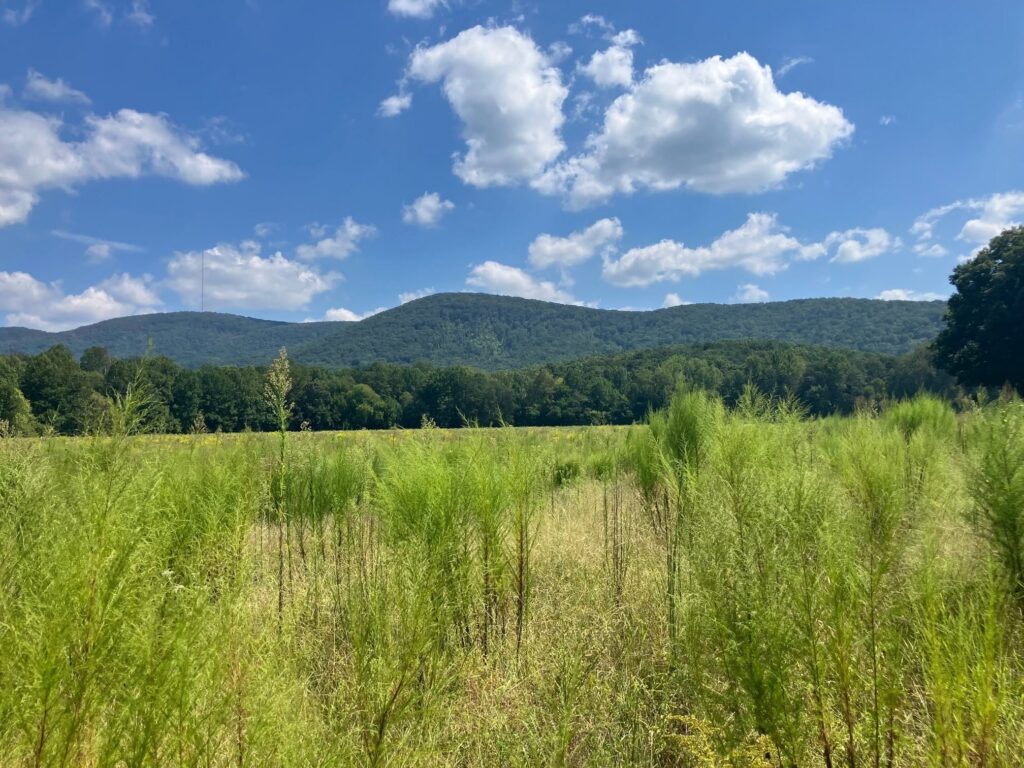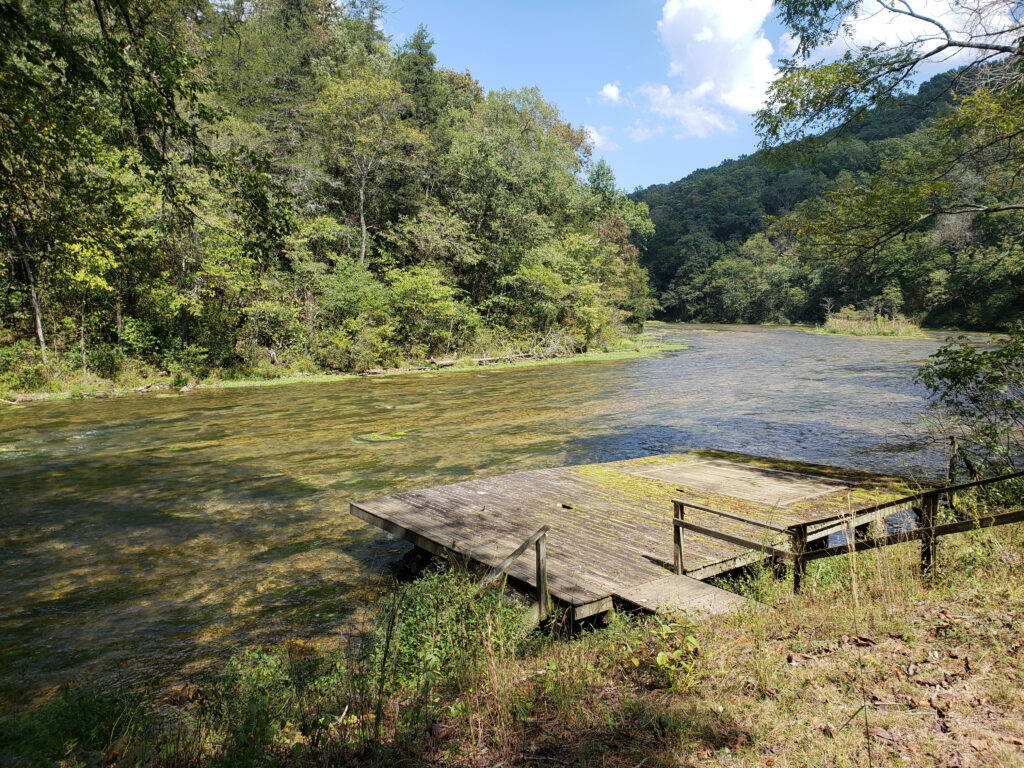



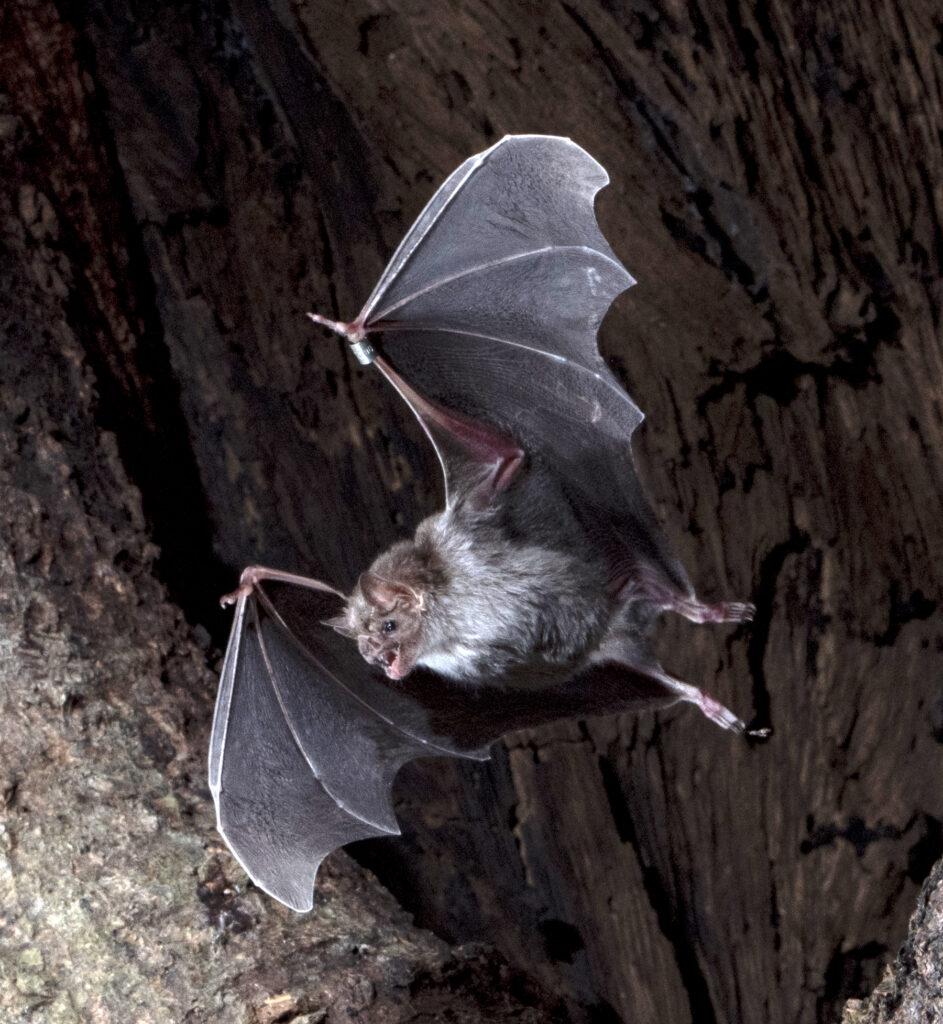

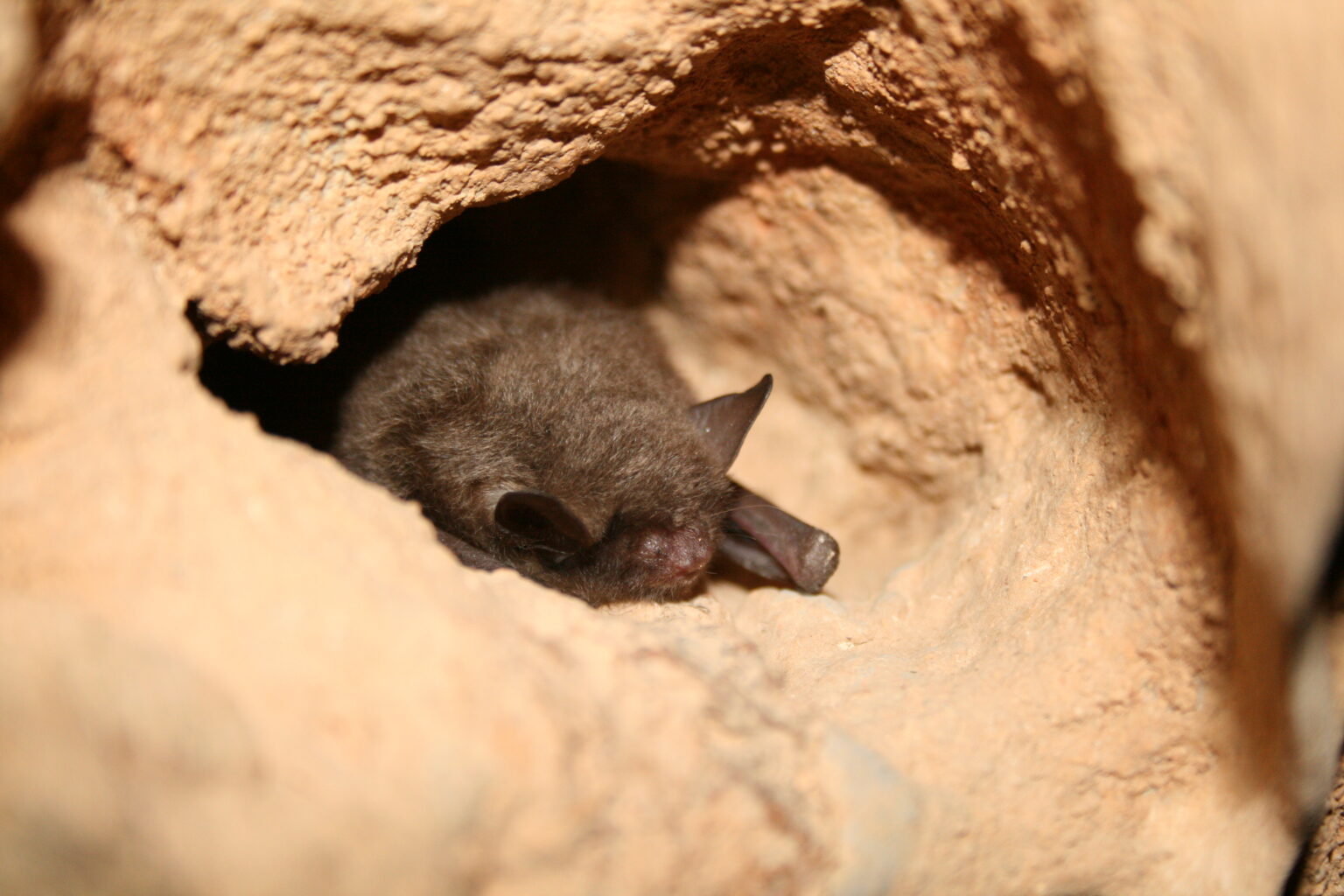
Endangered Indiana bats benefit from both early- and late-successional trees, researchers found, suggesting managers should take both of these into account when implementing forest management practices. Scientists wanted to identify factors that make trees suitable roosts for the Indiana bat (Myotis sodalis), which has been listed as federally endangered since 1967 because of its shrinking habitat. The researchers radiotagged and tracked bats to their roosts, surveying 95 roost trees across study sites in central Indiana, the Great Swamp National Wildlife Refuge in New Jersey and the Southern Appalachian Mountains. The team analyzed tree rings to determine how old the roost trees were. They found that tree size was most important when it came to suitable shelter for the Indiana bats—it didn’t matter how old the tree was. “Diameter predicts which trees house the most bats,” said Joe Pettit, associate professor at Minot State University and author of the study. “We’ve known that for a long time. Our question was specifically, ‘How can we quickly get to that diameter?’ And the answer is early-successional trees.” As a result, the researchers said age is not the main predictor for how many bats roost in a tree. “It means that we can grow big trees that do not need to be immensely old.”