


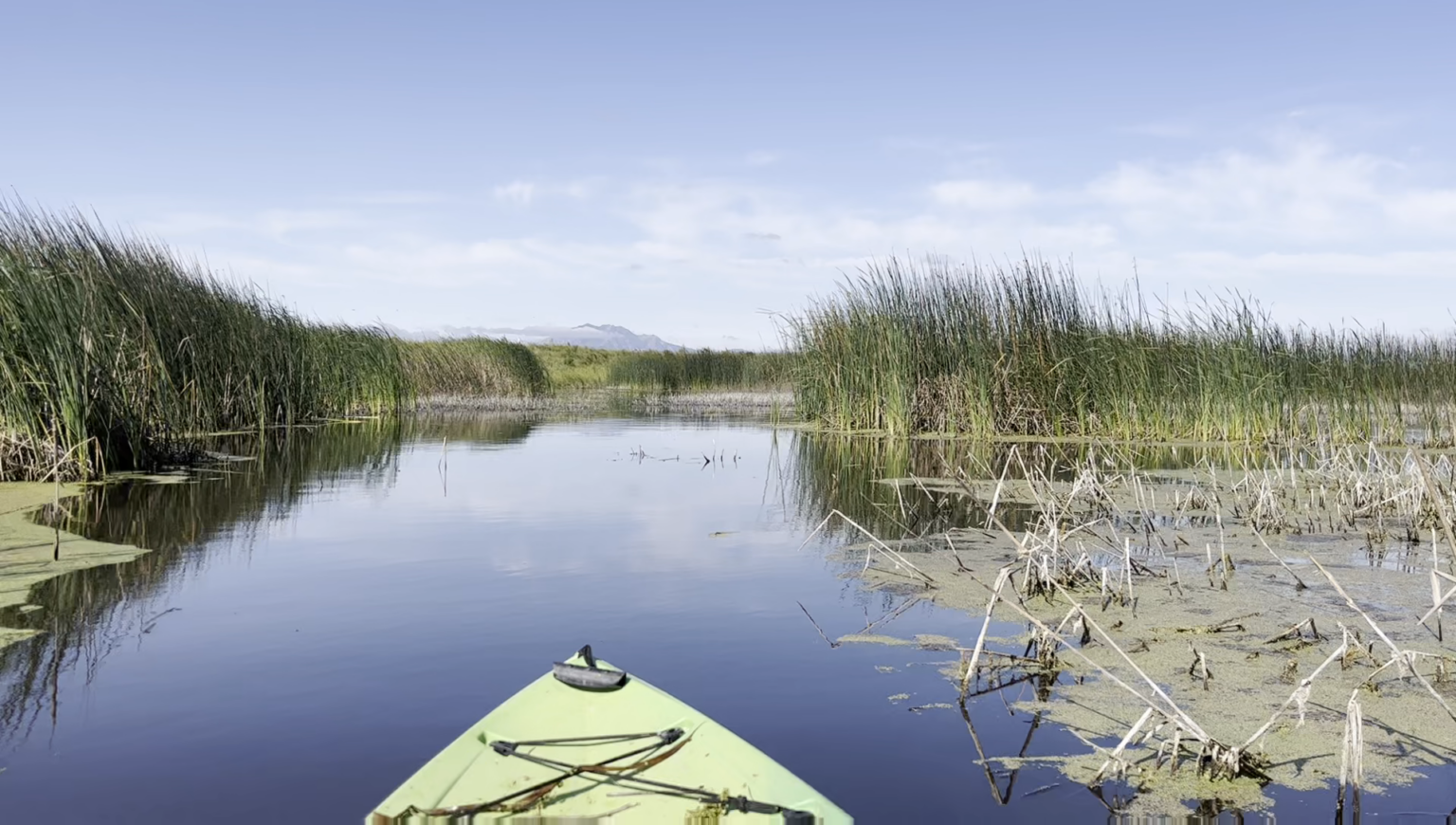
Long-term tidal marsh restoration in central California wetlands is bringing back important breeding habitat for birds.
Wetlands along the Sacramento and San Joaquin rivers have been strictly controlled for more than a century by a series of levees that drained wetlands. But while some more recent changes seem to encourage the presence and diversity of marsh-breeding songbirds and waterbirds, blanket changes discouraged the presence of a few open-water and mudflat species.
“In the delta landscapes, if the goal is trying to recover this larger suite of species, including shorebirds, maintaining open areas of water and tidal mudflats is an important restoration consideration,” said Jason Riggio, an ecologist at the Museum of Wildlife and Fish Biology at the University of California, Davis.
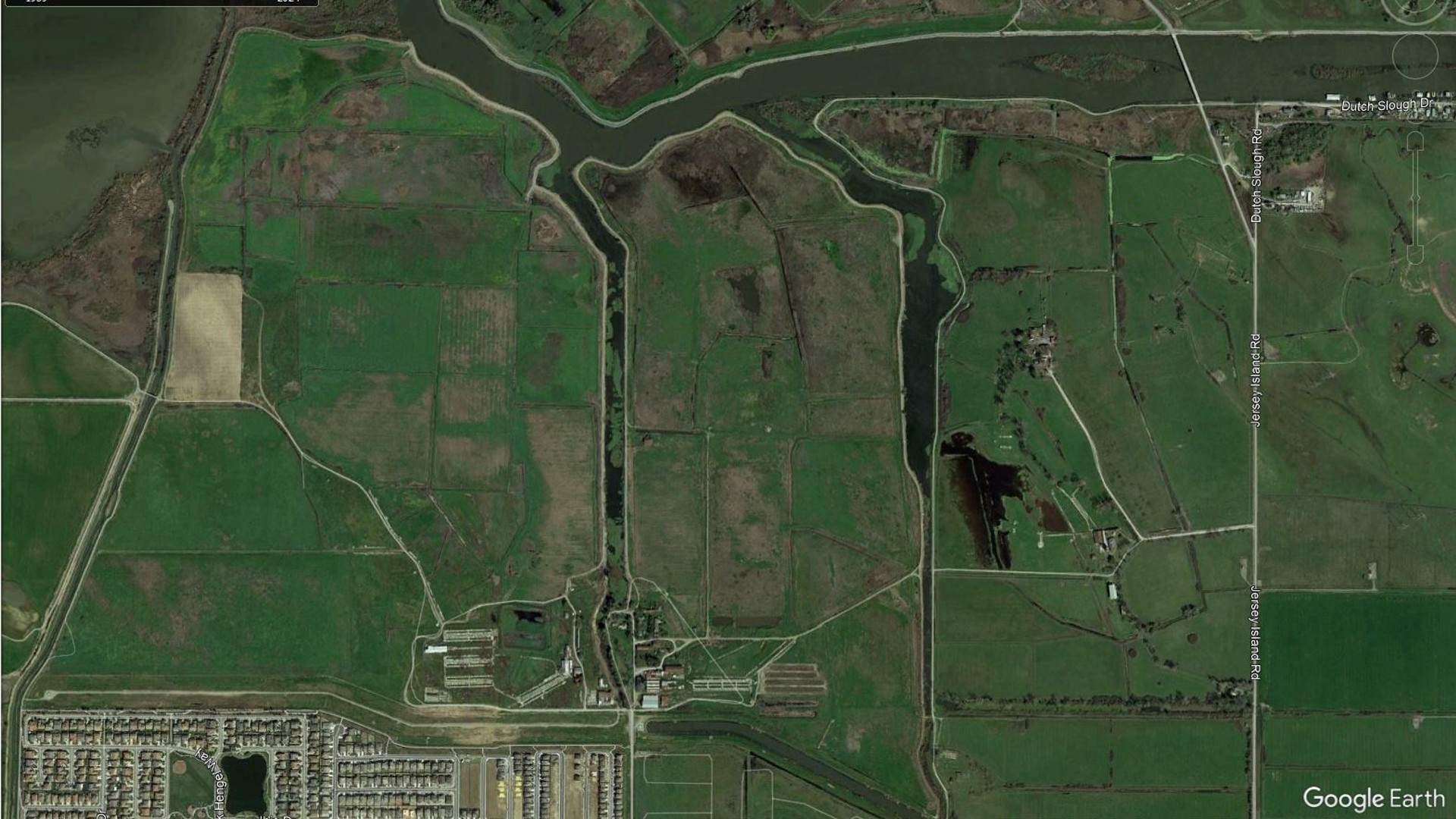
Starting in the late 1800s, land managers began making large-scale changes to the tidal marshes formed upstream of the meeting of the Sacramento and San Joaquin rivers between the cities of Sacramento and San Francisco. Most tidal marshes around the area were leveed, drained and converted to agriculture.
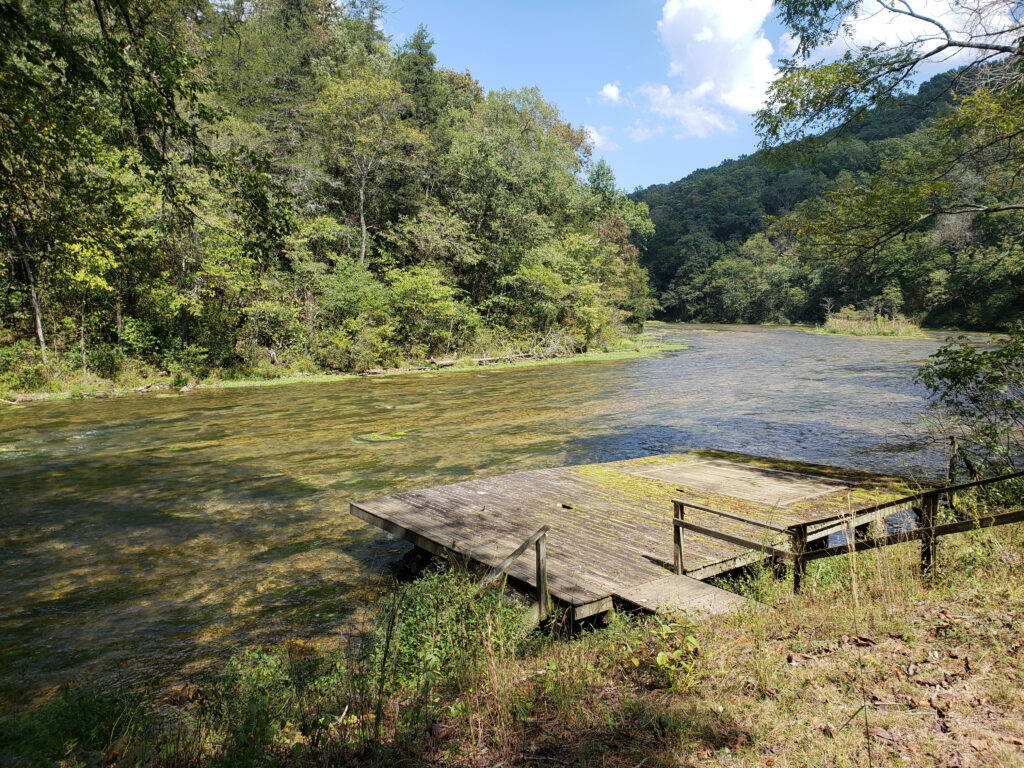
This effectively exposed peat soils that hadn’t seen air for eons, drying out the organic material. Some of the land began to subside in the decades since, threatening the infrastructure of the levees that kept the water in established channels. The levees have broken before. Franks Track State Recreation Area near Sacramento was flooded in the 1930s due to broken levees, for example. “There are puzzle pieces missing around where levees breached in the past,” Riggio said.
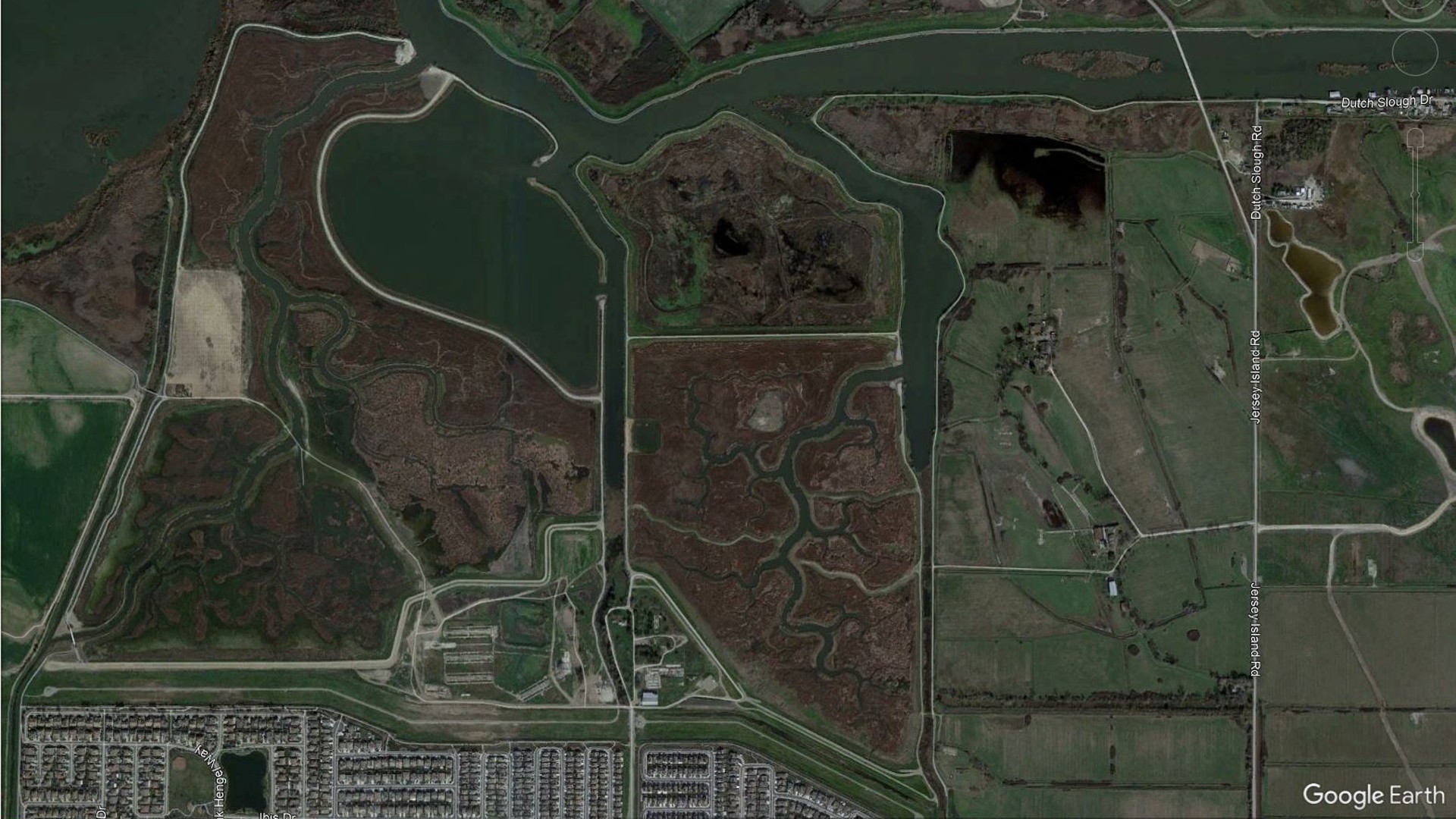
Restoring stretches of wetland
The California Department of Water Resources has been working to restore some former agricultural plots into natural areas to reduce subsidence—what happens as organic soil decays and blows away and ground water is pumped, causing the land to sink. They’ve conducted different strategies on different land plots—subsidence reversal plots usually just focus on returning certain water levels to encourage vegetation like cattails and tules. As successive generations of these plants grow and die, they create more soil underwater, reversing the pattern of land subsidence.
In other areas, such as Dutch Slough, also near Sacramento, the agency has restored a tidal marsh ecosystem, which means actively planting tule and other riparian vegetation on the marsh plain before breaching levees to cause flooding.
In a study published recently in Restoration Ecology, Riggio and his colleagues surveyed bird species in tidal marshes, subsidence reversal plots and unrestored pastures and compared differences in species richness and diversity. From 2020 to 2025, they conducted point counts at these types of areas in May and June, the breeding season for marsh birds.
They found that overall, the tidal marshes encourage the most bird diversity and species abundance. But there were some caveats.
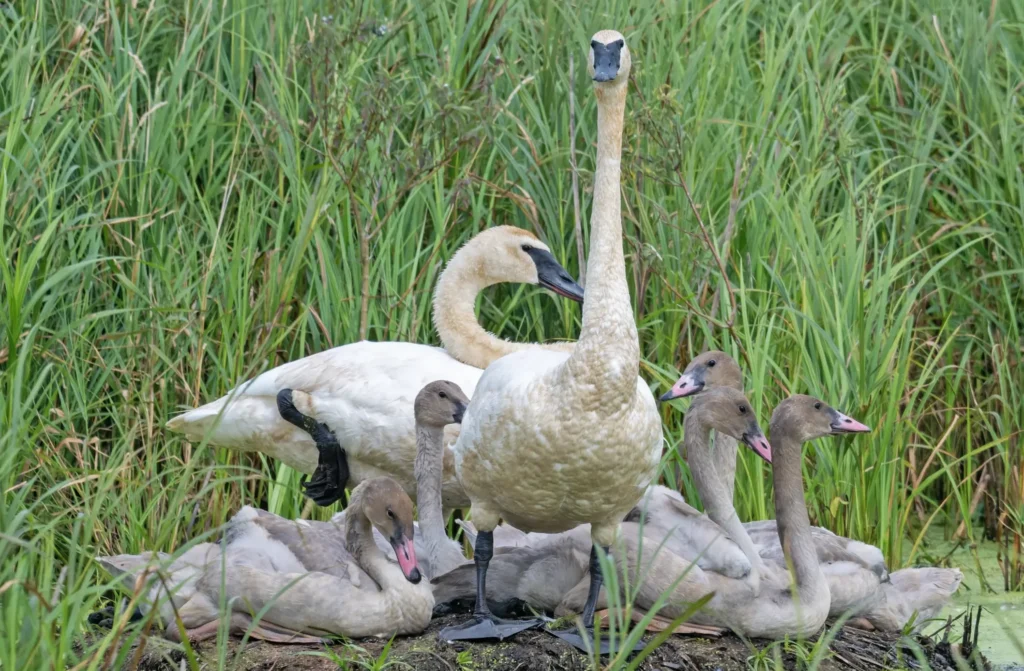
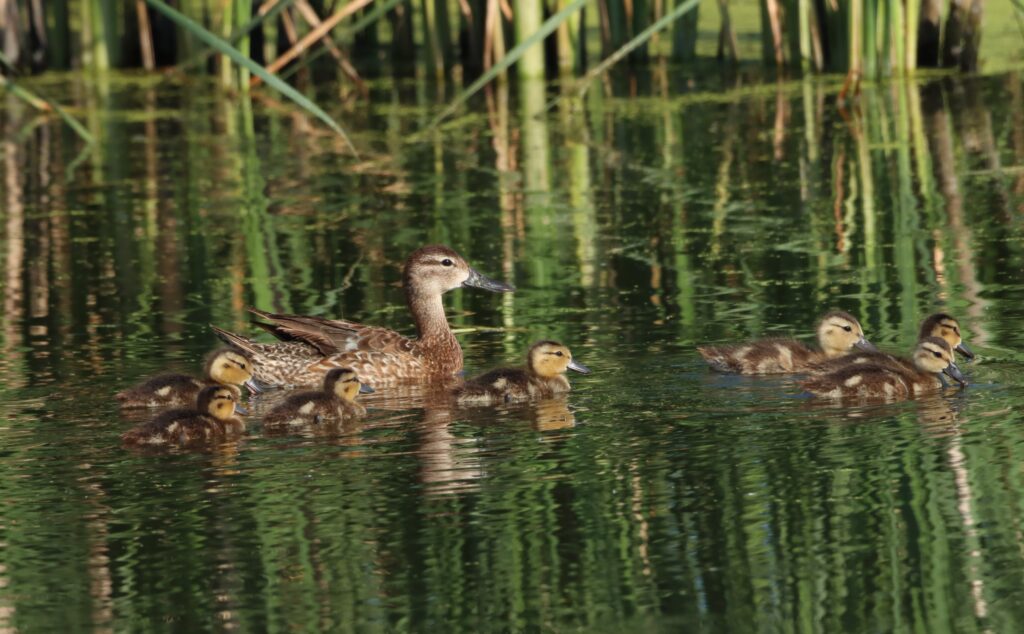
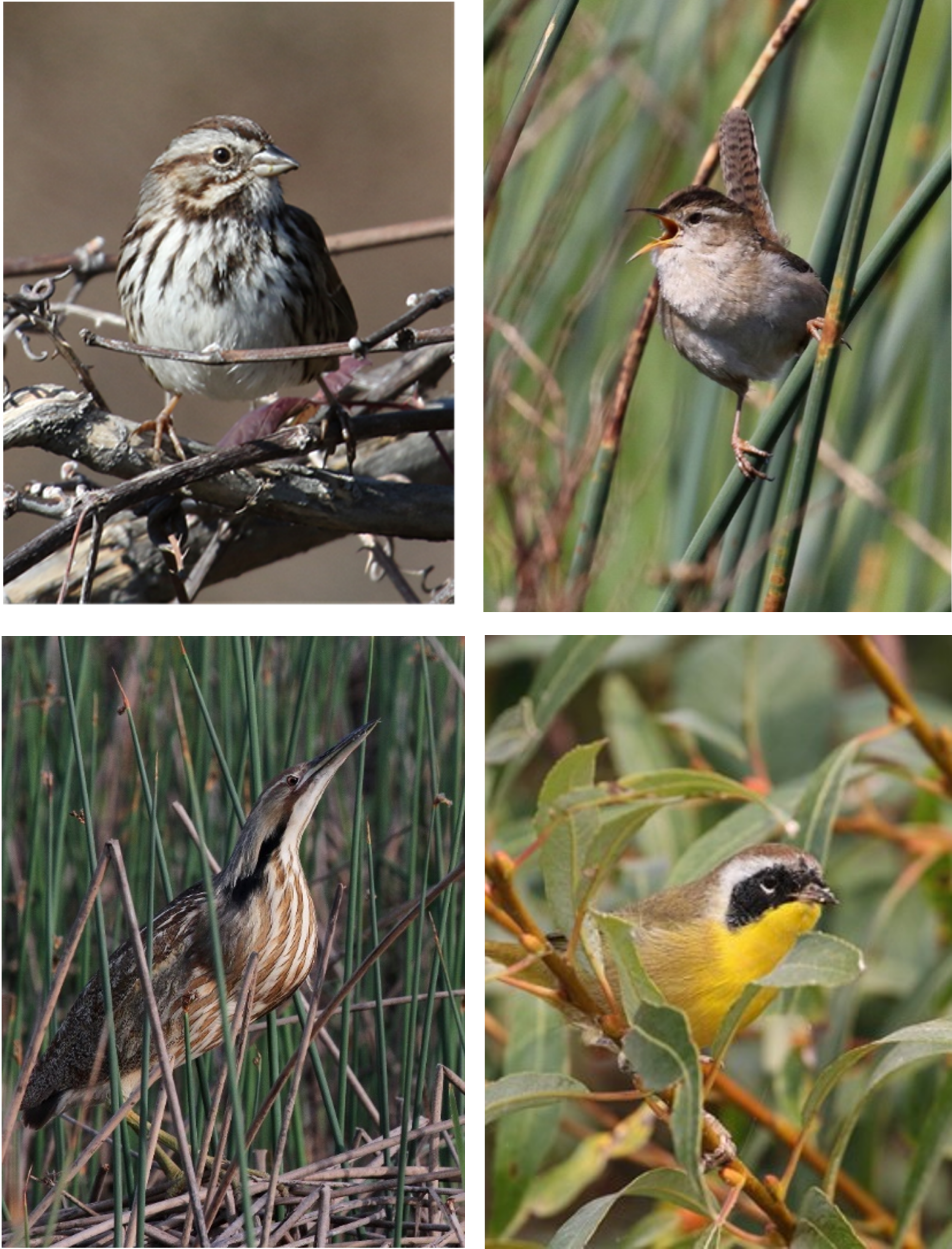
For example, species richness was driven by waterbirds like ducks, geese and shorebirds—species like pied-billed grebes (Podilymbus podiceps), American bitterns (Botaurus lentiginosus) and mallards (Anas platyrhynchos). “The tidal marsh restoration was doing a particularly good job at restoring land for the suite of waterbirds,” Riggio said.
Marsh-breeding songbirds, like common yellowthroats (Geothlypis trichas), marsh wrens (Cistothorus palustris) and song sparrows (Melospiza melodia) also had high numbers in tidal marshes like Dutch Slough.
These species also recovered quite quickly—within one to four years after restoration, they had densities comparable to managed marshes restored two decades earlier.
However, species that gravitated more toward open water and mudflats, such as black-necked stilts (Himantopus mexicanus) and killdeers (Charadrius vociferus), mostly disappeared from these restored tidal marshes as the vegetation returned.
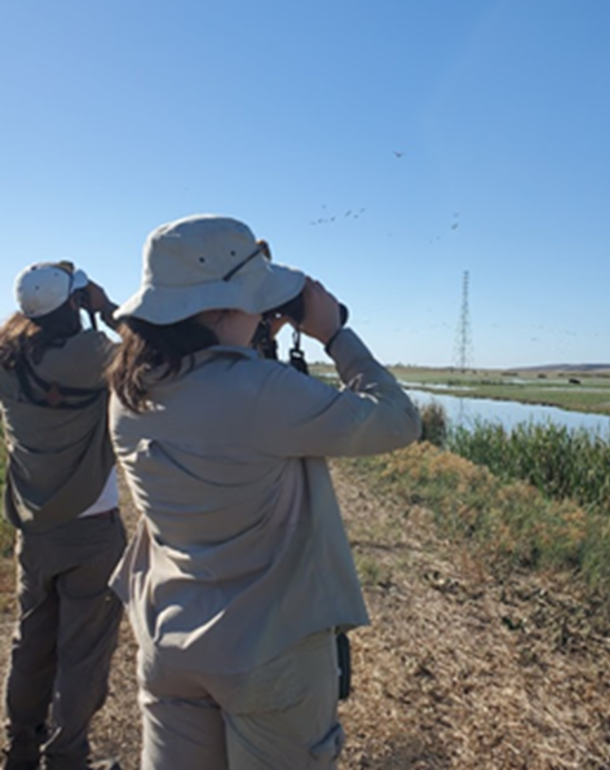
Overall, Riggio said that tidal marshes seem best for birds. “The avian benefits are greater in the tidal marsh restoration than in the subsidence marsh restorations,” he said. But both of those had better species richness and diversity than unrestored landscapes.
Riggio said that their findings can be used to structure more species-specific conservation strategies. If improving richness in general is the goal, then tidal marsh restoration works, for example. But if wildlife managers still want to maintain species like stilts and killdeer, then they should also consider maintaining some open water and mudflats.
Article by Joshua Rapp Learn