
Ken Williams, former CEO of The Wildlife Society, has been named as a recipient of the Society’s top award. The honor celebrates a lifetime of achievement in wildlife science and management.
“I’m very proud to be in this select group of scientists and conservationists,” said Williams from his home in Virginia.
Williams has dedicated decades to federal service, working at the U.S. Fish and Wildlife Service and the U.S. Geological Survey’s (USGS) Cooperative Research Units before pivoting to work in the private sector.
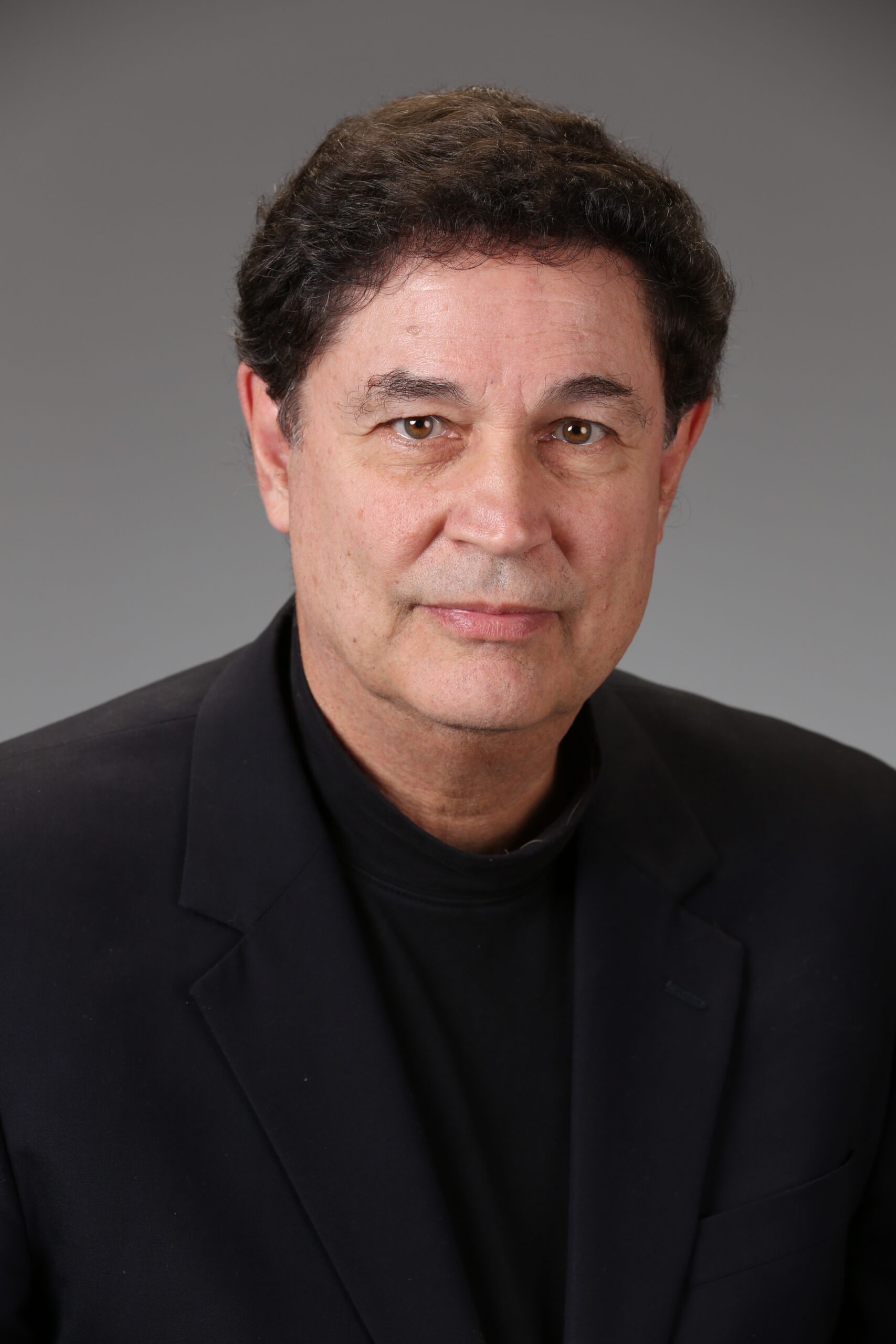
Williams is the recipient of the 2026 Aldo Leopold Memorial Award, the highest honor bestowed upon wildlife biologists by The Wildlife Society. The award recognizes wildlifers’ lifetime contributions to the field.
“It is unusual to be outstanding as both a scientist and as an administrator-leader,” said Kenneth Burnham, a professor Emeritus at Colorado State University and 2011 recipient of the Aldo Leopold Award.
Williams holds a bachelor’s and master’s degree in mathematics from Oklahoma University. For his graduate studies, he attended Colorado State University for a doctorate in ecology, studying optimal grazing management in salt desert ecosystems. He has published more than 100 scientific papers, including influential works on adaptive management.
Williams, a Certified Wildlife Biologist® and TWS Fellow, has a decorated history in federal service. He started his professional career at the Patuxent Wildlife Research Center in Maryland in 1979, working as a biometrician. After rising in the ranks at the center, he was chosen to be the executive director of the North American Waterfowl and Wetlands Office for the U.S. Fish and Wildlife Service (USFWS) in 1989.
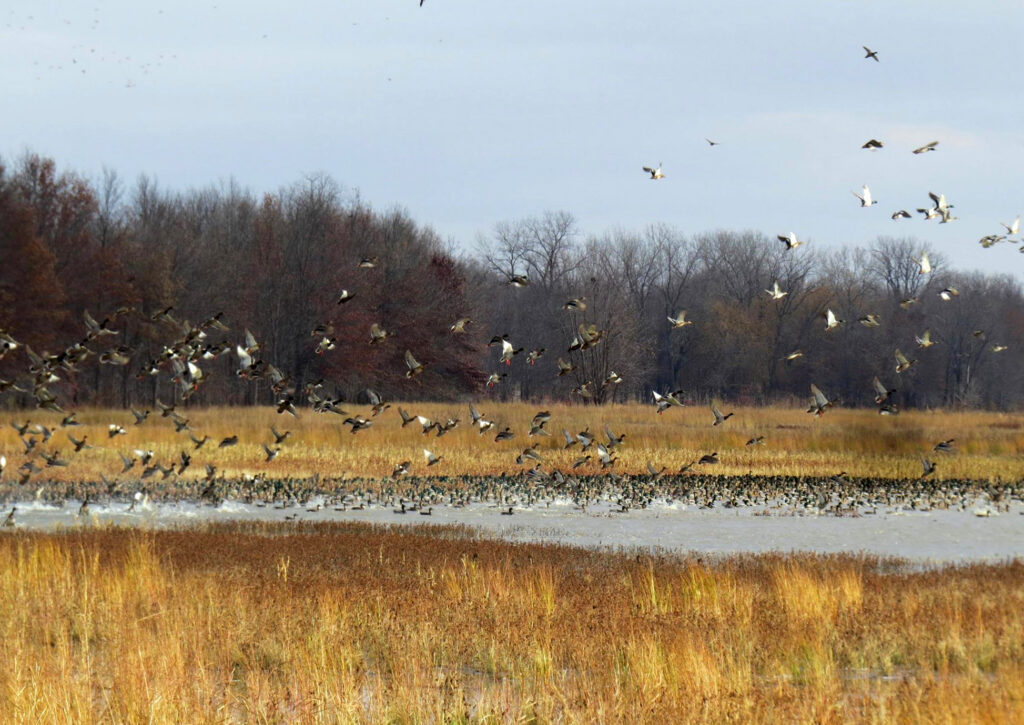
Williams oversaw a transformation of North American waterfowl management through the implementation of Adaptive Harvest Management (AHM). “Ken was instrumental in the research and development of this approach, and in collaboration with colleagues, published the seminal papers on AHM,” wrote John Organ, an emeritus scientist at Cooperative Fish and Wildlife Research Units and 2020 Aldo Leopold Award recipient, in his letter of support for Williams’ nomination.
In 1990, Williams was appointed to a brief stint as a special assistant to the director of the service and focused on wetland conservation and waterfowl management. Later that year, he became the founding leader of the Vermont Cooperative Fish and Wildlife Research Unit. Organ said Williams’ leadership and collaboration skills gave the now thriving program a strong start. “Ken had to build the unit from the ground up,” Organ wrote.
Williams then served as the chief of the USGS Cooperative Research Units program for nearly 16 years. This time in his career was especially meaningful to Williams, and he is proud of the accomplishments of the graduate students who worked at the units.
While at USGS, Williams created and then became co-director of the Survey’s Science and Decisions Center. The center helps advance the use of science in natural resource decision-making. After retiring from a career in federal service, Williams became TWS’ CEO from 2013 to 2017 during a pivotal time in the organization’s history. He is especially proud of this time and sees it as a capstone to his career. “We gave TWS a new lease on life that it’s been able to carry forward,” he said.
After retiring from TWS, in 2017, Williams founded Renewable Resources Associates, a consulting firm that specializes in science-based natural resource analysis and management.
“I think that Professor Leopold would have been extremely proud of Ken’s achievements and thanked him for his dedication and career-long contributions to our profession,” said Robert Blohm, a wildlife biologist and former Chief of the Division of Migratory Bird Management at the USFWS. Blohm was often a collaborator of Williams.
Williams said he played a large role in selecting some of his colleagues for the Aldo Leopold Memorial Award but never thought he would be considered. “I have a very good idea about how prestigious it is and what it means,” he said. “I was quite surprised and very gratified that my colleagues would recognize my contributions as being worthy of this award.”
Article by Olivia Milloway