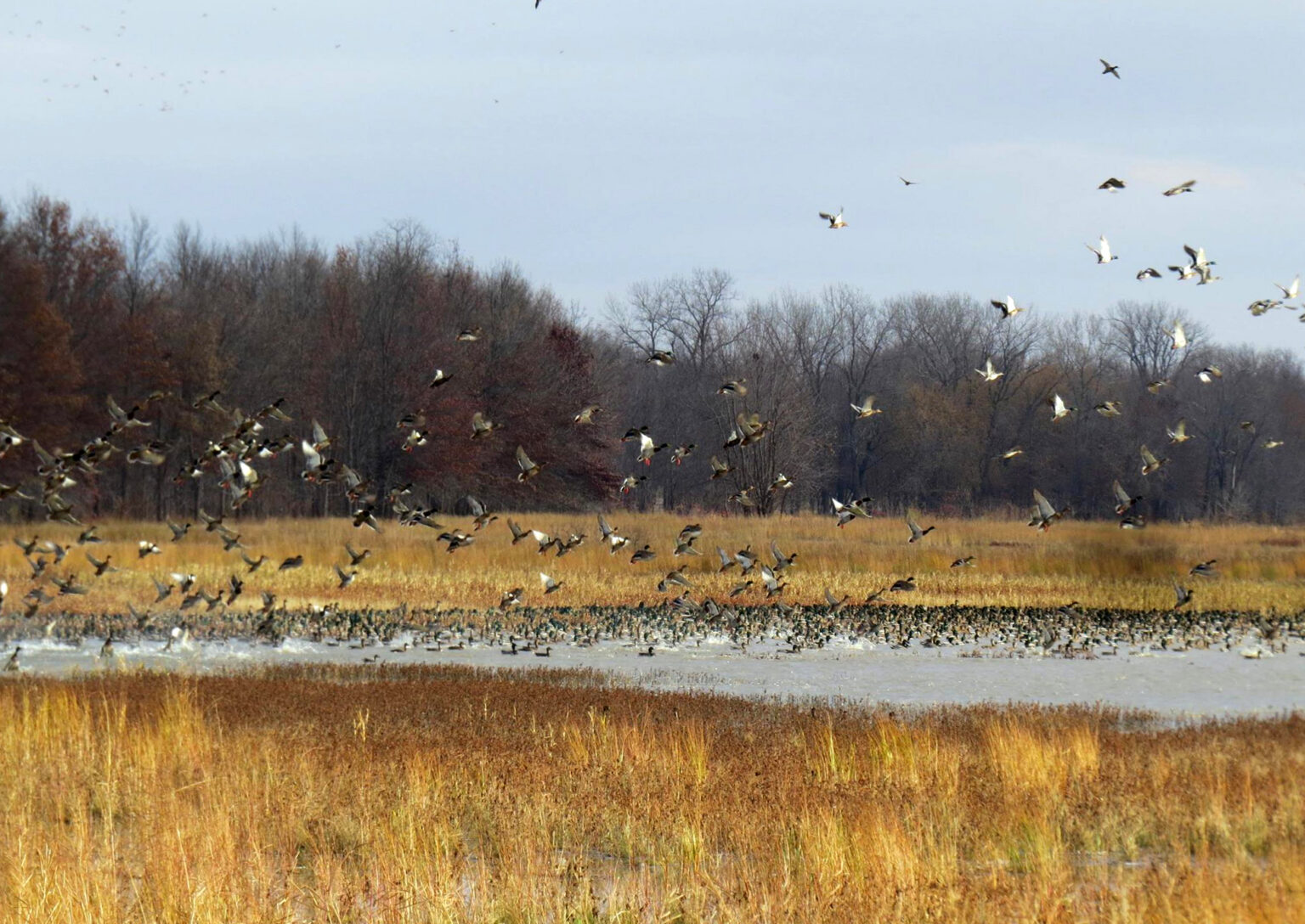
The Wildlife Society has awarded fellowships to 10 wildlife professionals for 2026. The Society gives Fellows Awards each year to individuals who have “distinguished themselves through exceptional service” to the profession and have been members for at least 10 years.
The new fellows will be recognized at the 2026 Annual Conference in Des Moines, Iowa.
Brett Dunlap
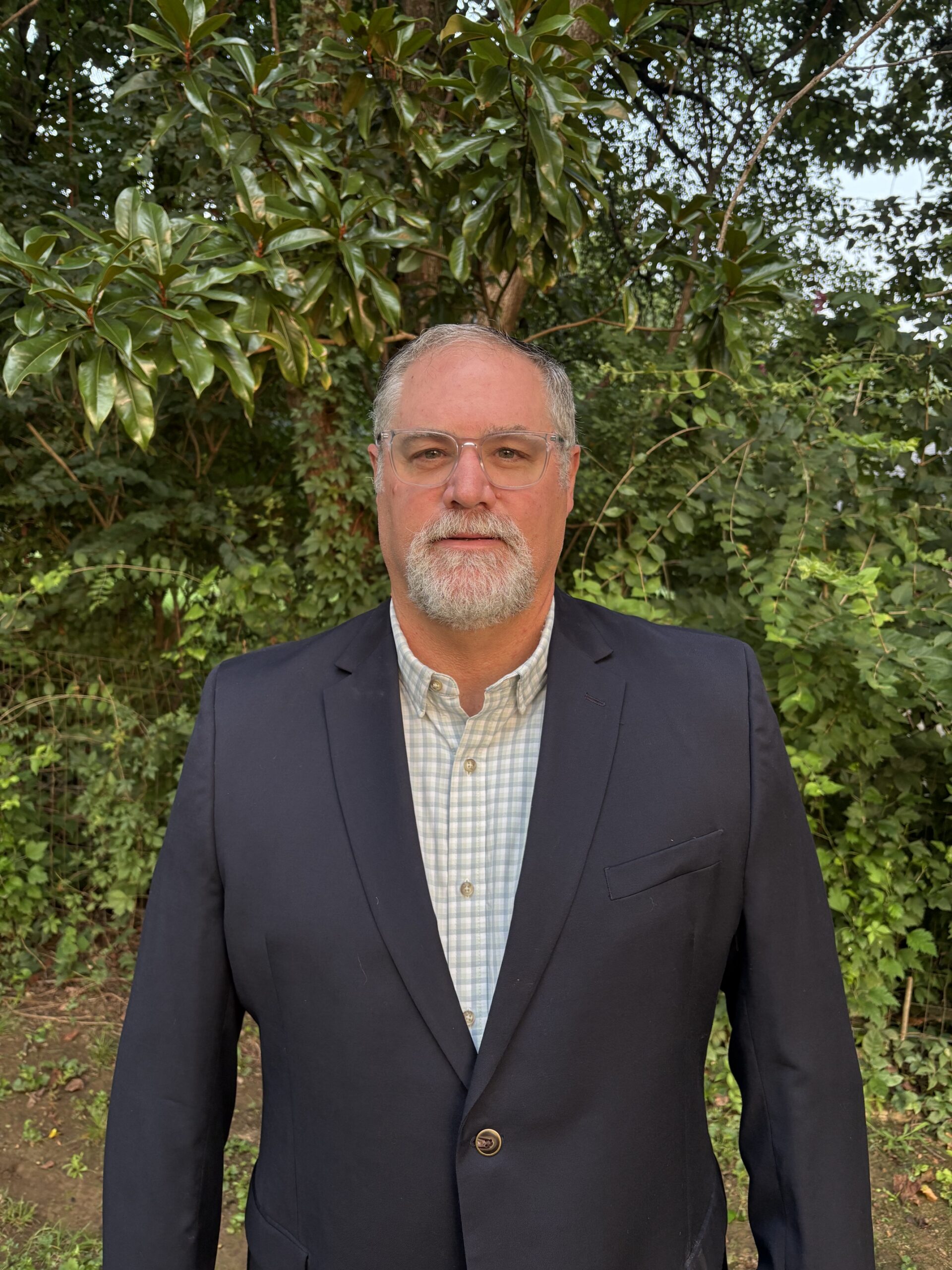 Brett Dunlap recently retired after 36 years managing human-wildlife conflict. He began his career with the Texas Animal Damage Control Service in 1989 and finished his service as an assistant regional director of the Eastern Region at the U.S. Department of Agriculture’s (USDA) Wildlife Services program in 2026. He has worked across several states, and the majority of his career was spent as the USDA-Animal and Plant Health Inspection Service state director for Tennessee and Kentucky for 23 years. His work went beyond mitigating wildlife damage and included salmon restoration, research, disease control, and outreach and education. Dunlap served many roles on the executive board of the Tennessee Chapter of TWS and served a term on TWS’ Certification Review Board. Among his many awards, he has received the Lifetime Achievement Award from TWS’ Tennessee Chapter.
Jason Fischer
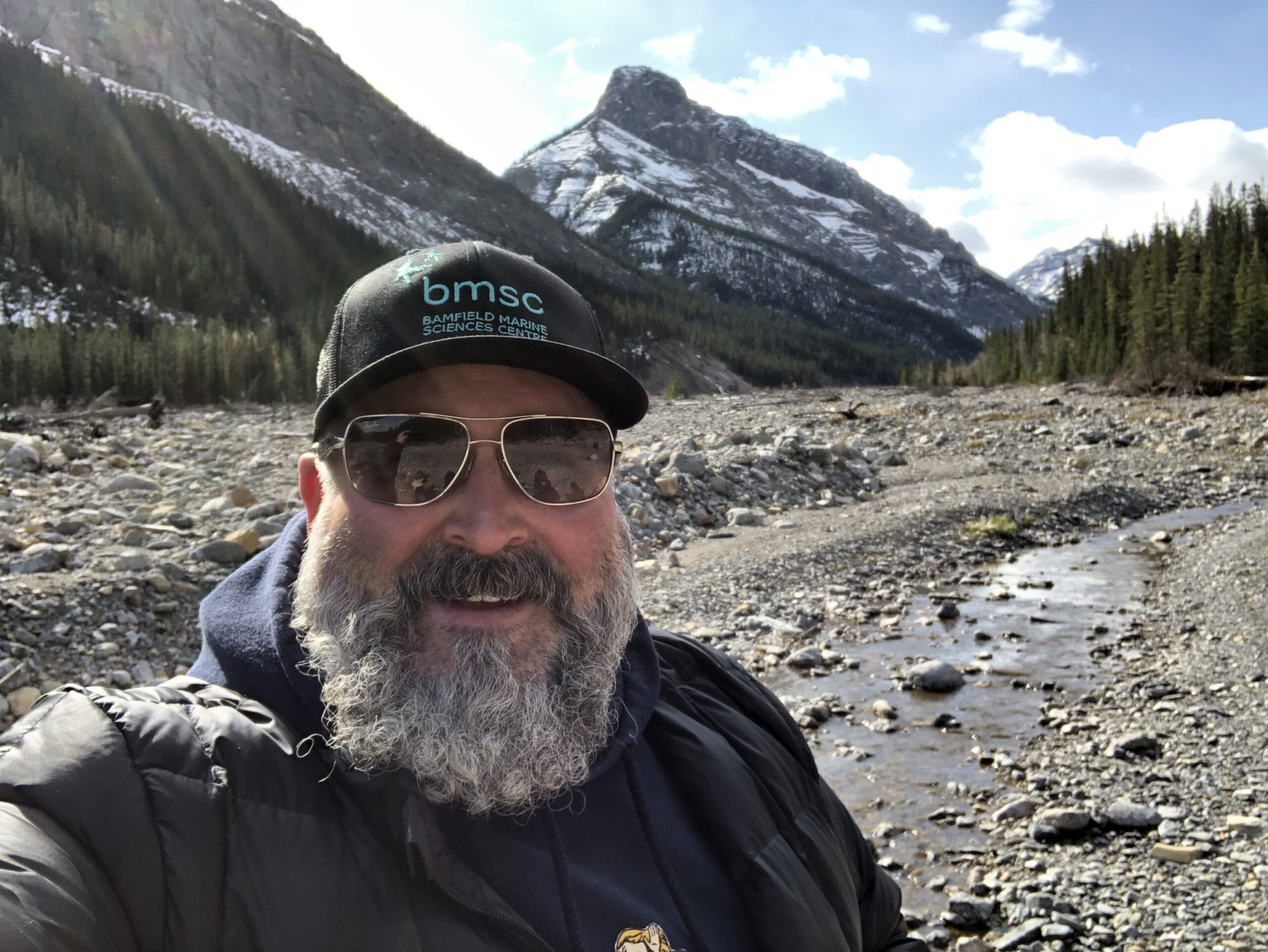 Jason Fischer is a mammal ecologist with experience of more than 25 years working across Canada. He is the chief of the Applied Conservation Macro Ecology Lab, a team of a dozen scientists studying the effects of landscape and climate change on mammal communities from the U.S. border to the Arctic Circle. He was formerly the provincial caribou and moose manager with the Province of Newfoundland and Labrador, then became a research scientist with the Government of Alberta before landing a full-time adjunct research professorship at the University of Victoria. His 95 publications have been cited over 7,000 times. He has been a member of TWS for over 20 years and has been president of both the Alberta and British Columbia chapters.
Elizabeth Flaherty
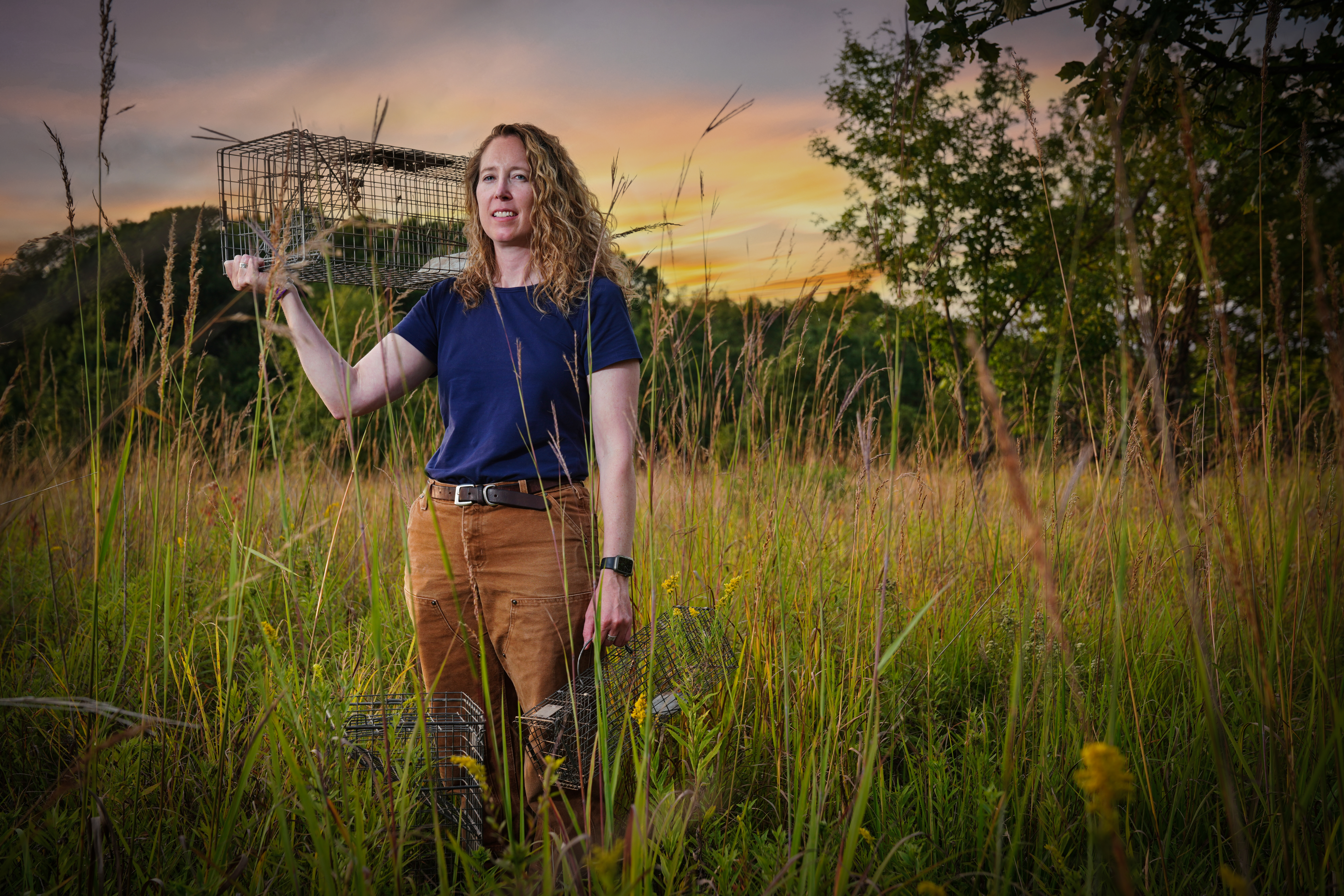 Elizabeth (Liz) Flaherty is a professor of wildlife ecology and habitat management in the Department of Forestry and Natural Resources at Purdue University, where she also serves as the associate department head for academic programs and as co-director for the Natural Resource and Environmental Science Program. Her research includes both wildlife ecology and resource use as well as undergraduate science, technology, engineering and mathematics education. She is a founding member of Squirrel-Net, a National Science Foundation-funded program that develops and shares teaching and learning modules and datasets that promote authentic research experiences in the undergraduate classroom. Among awards she has won are TWS’ Student Chapter Advisor of the Year Award in 2020 and the Excellence in Wildlife Education Award in 2021. She is the current chair for the College and University Education Working Group for The Wildlife Society and is also a Certified Wildlife Biologist®.
Sarah Fritts
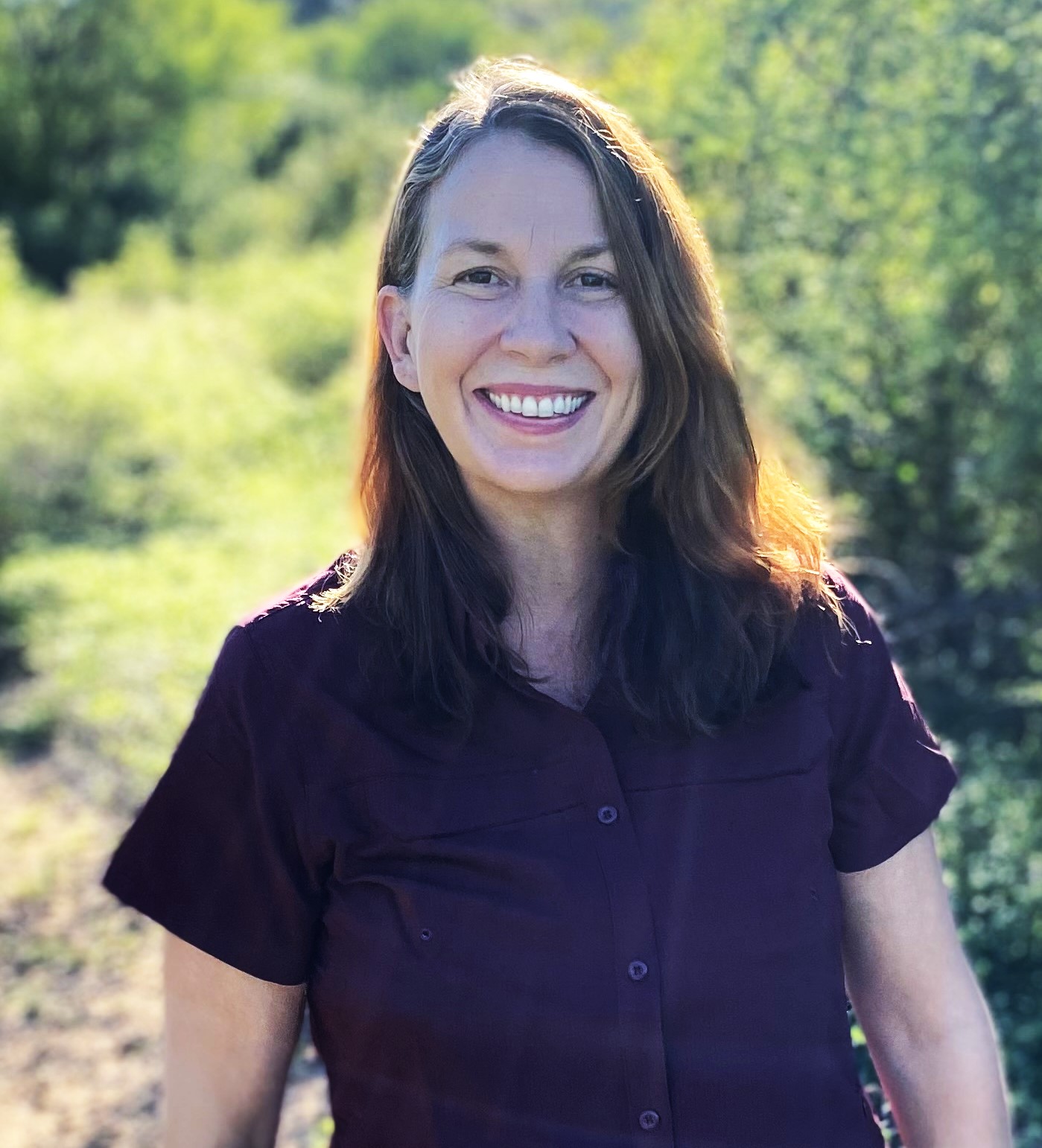 Sarah Fritts is an associate professor and director of the Wildlife Ecology Program at Texas State University. Her research centers around how wildlife respond to environmental change, especially related to renewable energy development and land-use change, with a diversity of taxa including bats, birds, primates, fishes, reptiles and amphibians. Her applied research designs solutions to balance both wildlife and the socioeconomic needs of local communities. She is a Certified Wildlife Biologist® and a graduate of TWS’ Leadership Institute class of 2015. She currently serves as a co-faculty advisor for the Texas State Student Chapter of TWS. She has held many roles at the state and international levels at TWS. She currently serves as chair-elect of the Renewable Energy Ecology Working Group.
Betsy Glenn
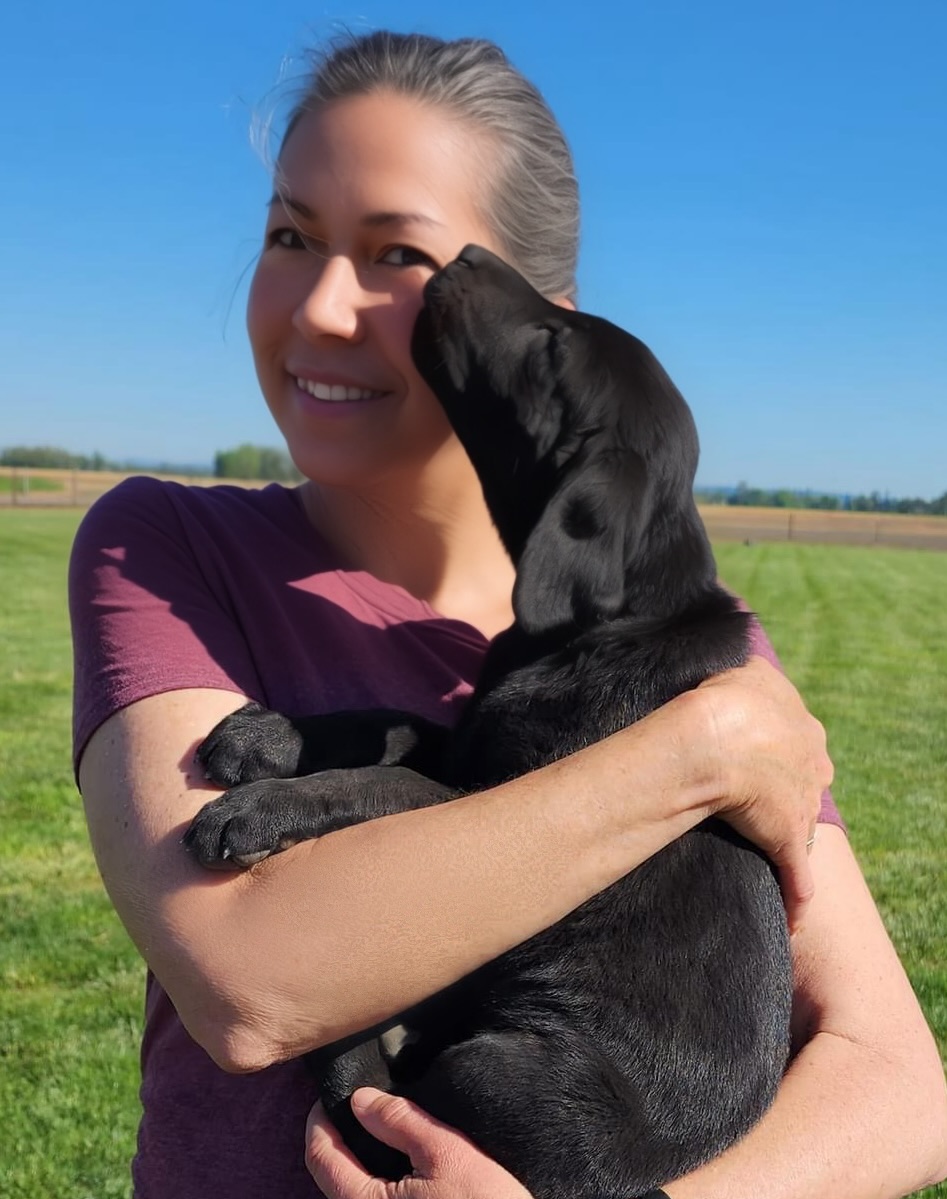 Betsy Glenn is the Northwest Habitat Restoration Program Director for the Institute for Applied Ecology in Corvallis, Oregon. She worked for the U.S. Fish and Wildlife Service as a northern spotted owl specialist from 2010 to 2016 and then was the research coordinator for the U.S. Geological Service’s Northwest Climate Adaptation Science Center from 2016 to 2025. Her research looks at how wildlife in forest ecosystems respond to changes in habitat and climate, with a focus on threatened and endangered species. Glenn has been a member of TWS and its Oregon Chapter for over 25 years, serving as president of the latter, vice president of the Northwest Section and as an associate editor for the Wildlife Society Bulletin from 2011 to 2019.
Silka Kempema
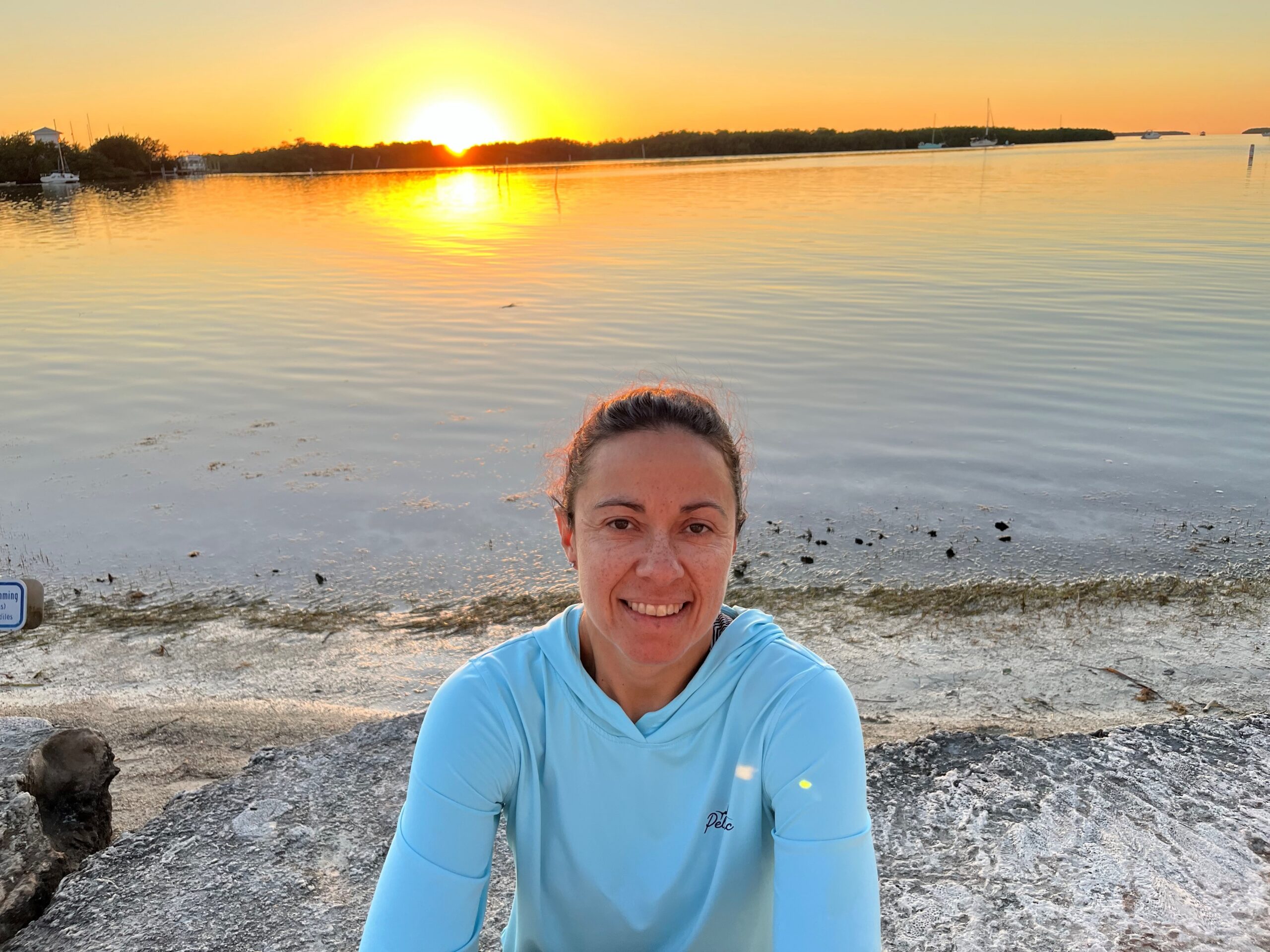 Silka Kempema is a fish and wildlife biologist at the U.S. Fish and Wildlife Service’s (USFWS) South Dakota Ecological Services Field Office. She began her career with the South Dakota Department of Game, Fish and Parks in 2006, where she focused on conservation of species like prairie dogs, black-footed ferrets, river otters and bats. In 2023, Silka transitioned to the USFWS to work with threatened and endangered species at a larger scope. She has served numerous roles at the South Dakota State University chapter of TWS, the South Dakota chapter, the Central Mountains and Plains Section, the parent organization and several working groups through many leadership roles. Kempema has championed Women of Wildlife with her state chapter as a panelist during a symposium that promoted awareness and encouragement for supporting women in science. She was selected for the inaugural Leadership Institute Class of 2006.
Jim Schneider
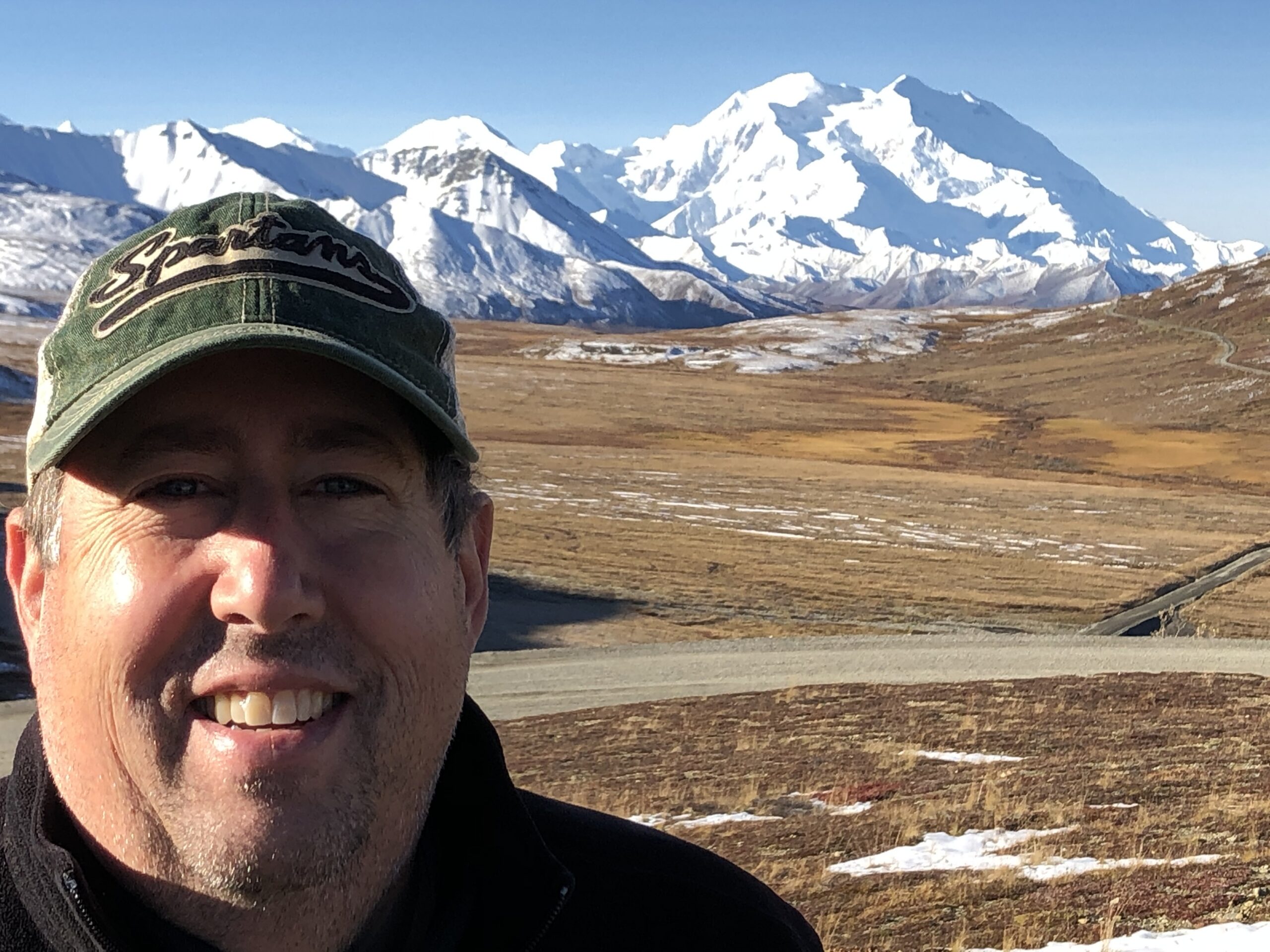 Jim Schnieder is the undergraduate program coordinator for the Department of Fisheries and Wildlife at Michigan State University. During his tenure, he has mentored and advised nearly 2,000 undergraduates, served as the faculty advisor for MSU’s TWS student chapter for 22 years and co-led 13 study abroad programs to Africa. He has been a dedicated TWS member, organizing and hosting the first national Quiz Bowl in 1998, an event that has continued nearly every year since and attracted many undergraduate competitors and undergraduate attendees. He also served as president of the Michigan Chapter of TWS and has held leadership roles in the North Central Section and on the TWS Certification Review Board.
Nathan J. Svoboda
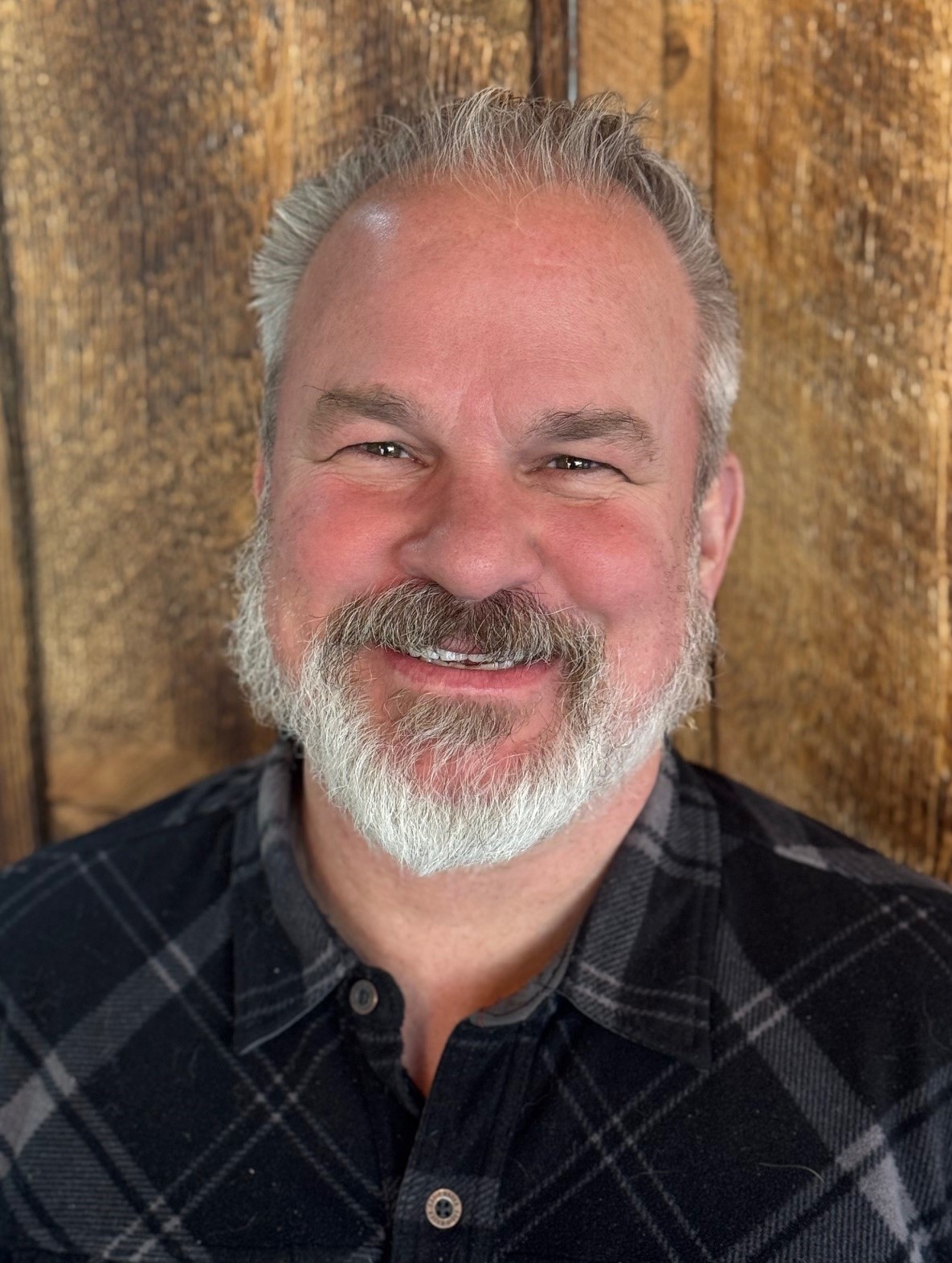 Nate Svoboda is an area biologist for the Kodiak Archipelago at the Alaska Department of Fish and Game. His research interests include carnivores, habitat and population modeling and using GIS to aid wildlife research. Originally from Omaha, Nebraska, Svoboda moved to Alaska in 2013 to begin his current role. He has been an active TWS member at the local, state, section and international levels, including multiple working group memberships and serving on TWS’ Editorial Advisory Board. Recognizing the need to promote native student involvement in the natural resources field, in 2006 he cofounded the Native Student Professional Development Program, the first program of its kind within The Wildlife Society.
David Walter
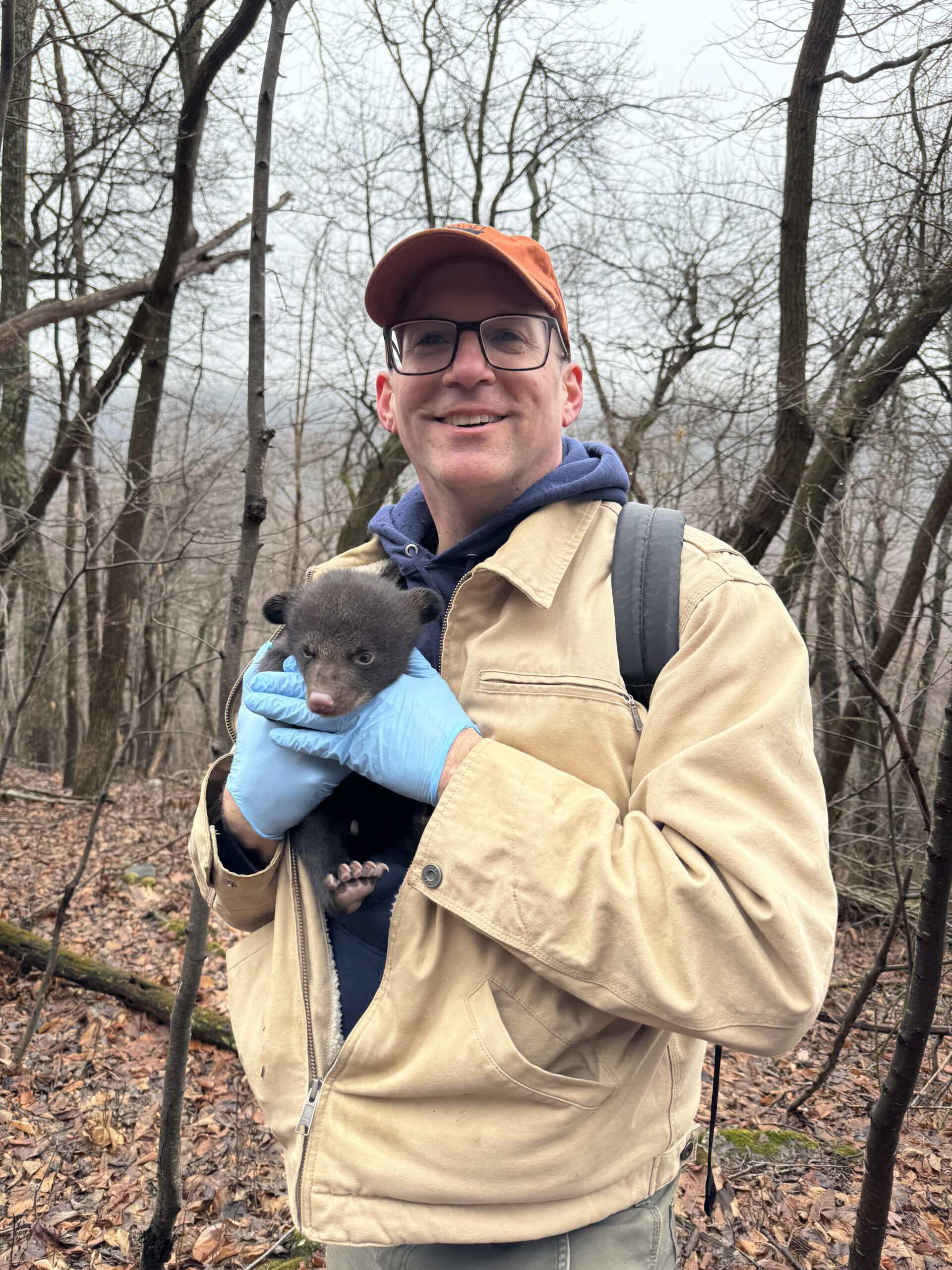 David Walter is a professor of disease ecology in the Department of Veterinary Microbiology and Pathology at Washington State University’s (WSU) College of Veterinary Medicine. He leads the research program on understanding and managing treponeme-associated hoof disease (TAHD) in free-ranging elk in the state of Washington. Besides mentoring students and managing several research labs, Walter also maintains WSU’s captive elk facility, where researchers develop and test TAHD transmission models along with possible treatments. He was formerly the assistant unit leader at the Pennsylvania Cooperative Fish and Wildlife Research Unit and served as adjunct associate professor of wildlife ecology in the Department of Ecosystem Science and Management at The Pennsylvania State University. He currently serves as an associate editor for The Journal of Wildlife Management and is a Certified Wildlife Biologist®.
Rick Williams
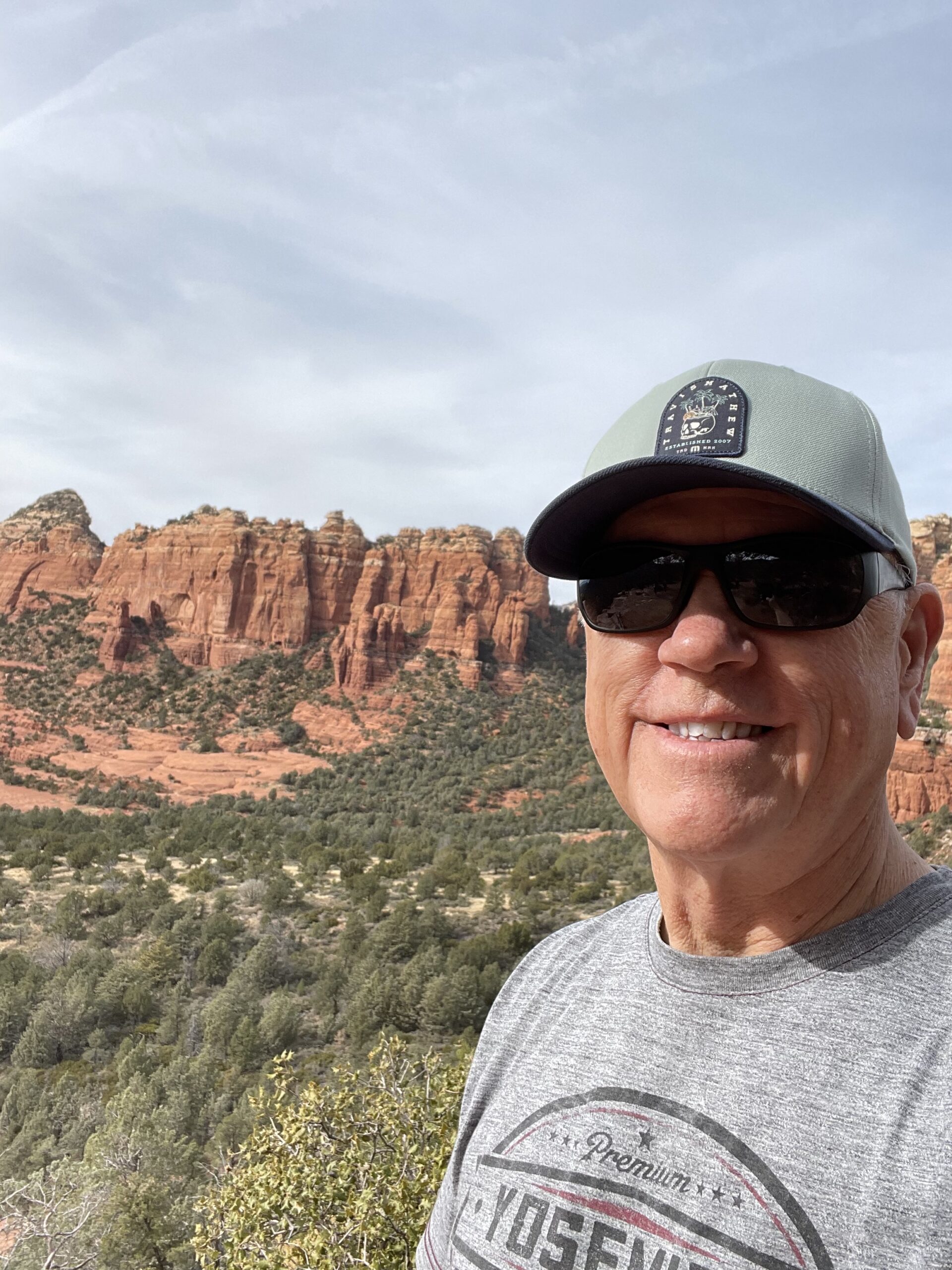 Rick Williams’ career began with the California Department of Fish and Wildlife and the USFWS working with waterfowl. Williams then transitioned into the private sector, where he provided biological, regulatory and leadership support for a variety of complex water, energy and land stewardship projects throughout California and the western United States. Over the last four decades, Williams has served in numerous elected and appointed positions across all TWS organizational levels, including president of the Western Section, section representative to TWS Council and currently as the co-chair of the Western Section’s Retired Wildlife Biologist Committee. In 2025, he received TWS’ Distinguished Service Award. Williams is also a Certified Wildlife Biologist®.