
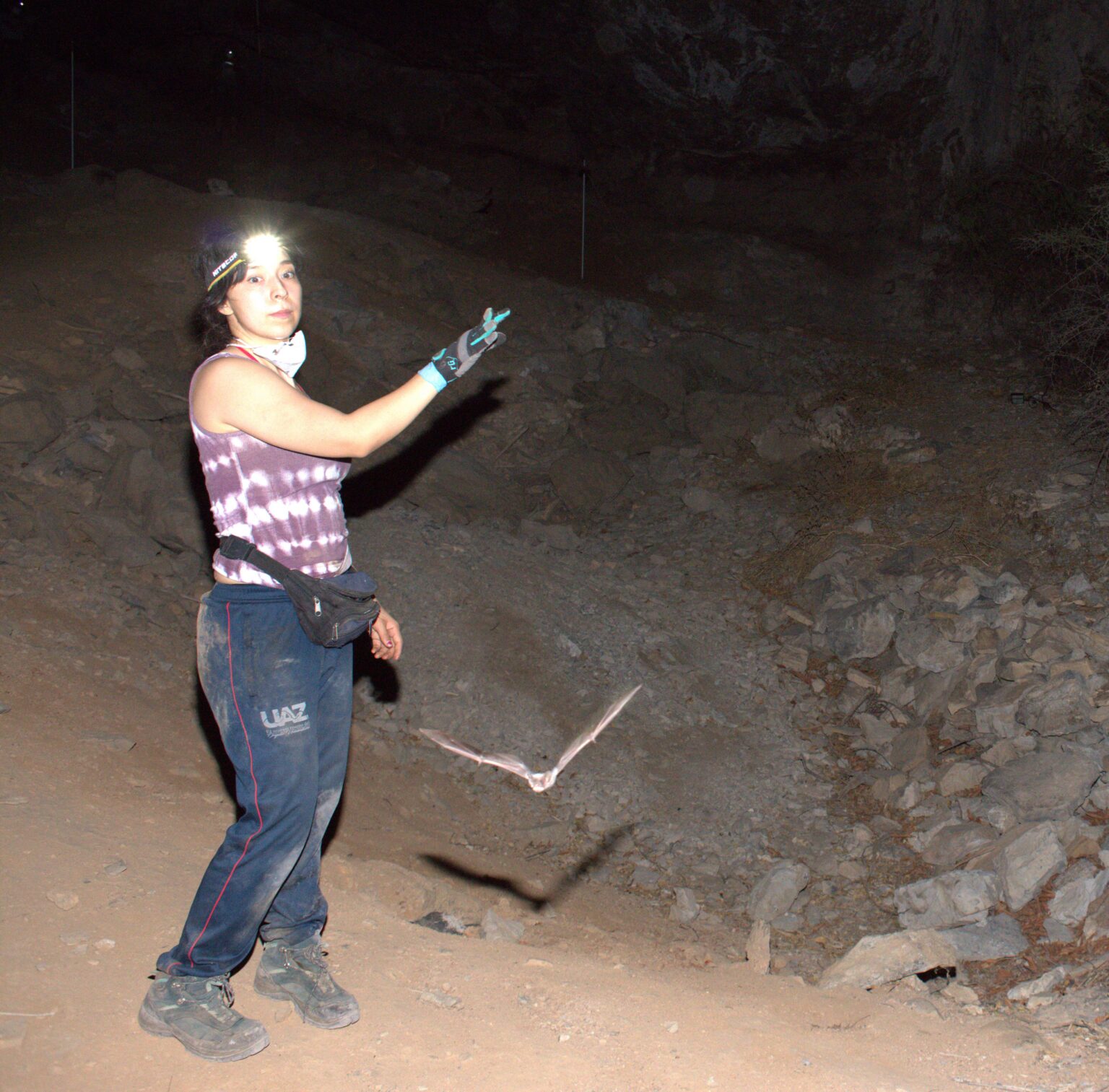
Being a field ecologist in Mexico has shaped my life in ways I never expected. Working with bats across deserts, mountains, islands, rainforests and urban landscapes has given me unforgettable memories, hard lessons and a deep sense of purpose. But no matter where I go, my heart always returns to bat caves. My life goal has always been clear: to protect bats and the habitats they depend on.
Of course, following your heart doesn’t mean the path is easy. Over the years, I’ve faced economic, physical, logistical and even security challenges. But the challenge that has shaped me most is the socioeconomic reality of doing conservation in northern Mexico. At the Autonomous University of Nuevo León (UANL), I receive incredible emotional support, but fieldwork often depends on whether we can raise enough money for fuel. That’s the kind of reality that forces you to be creative.
My team and I have sold stickers, shirts, mugs and even underwear with bat designs—anything that could help us afford weekend mist netting. At first, I thought the lack of funding was my biggest obstacle.
But with time, I realized something deeper—the hardest part wasn’t money; it was the feeling of being alone in the conservation journey.
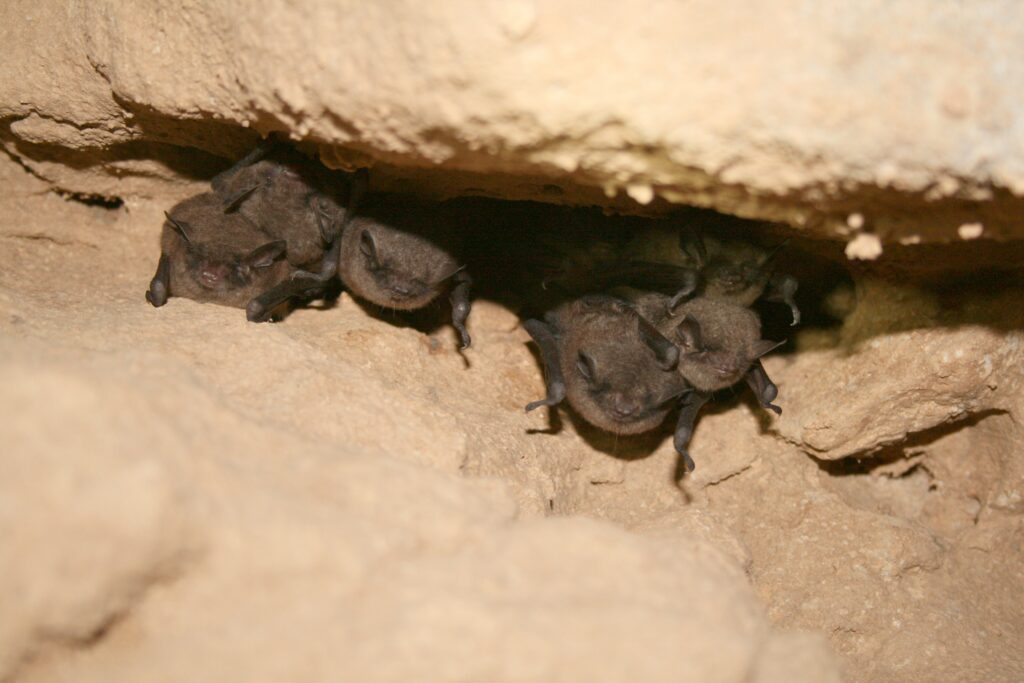
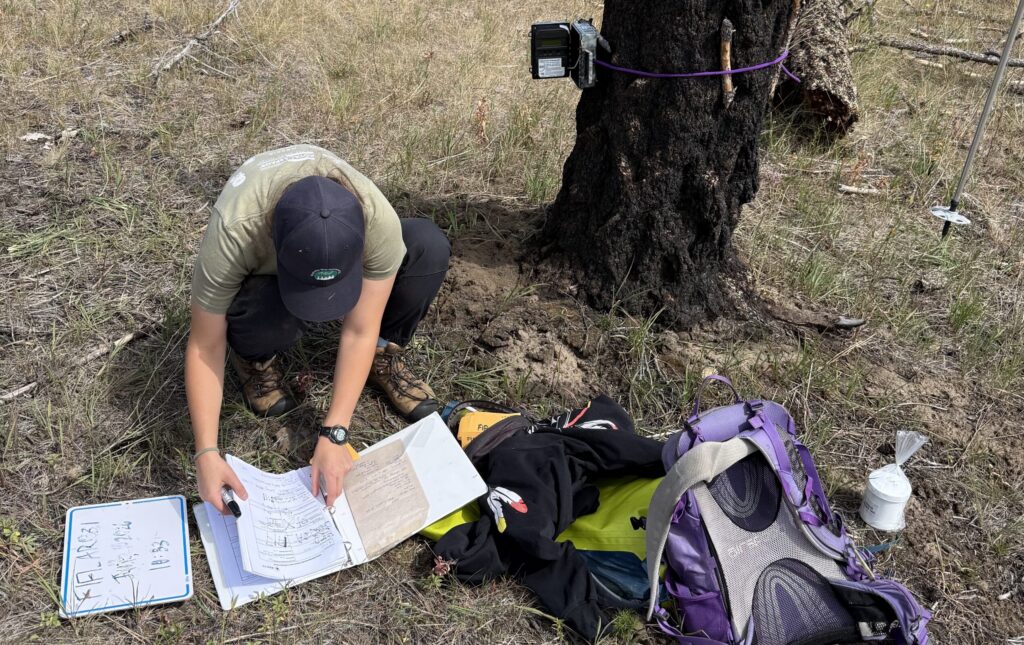
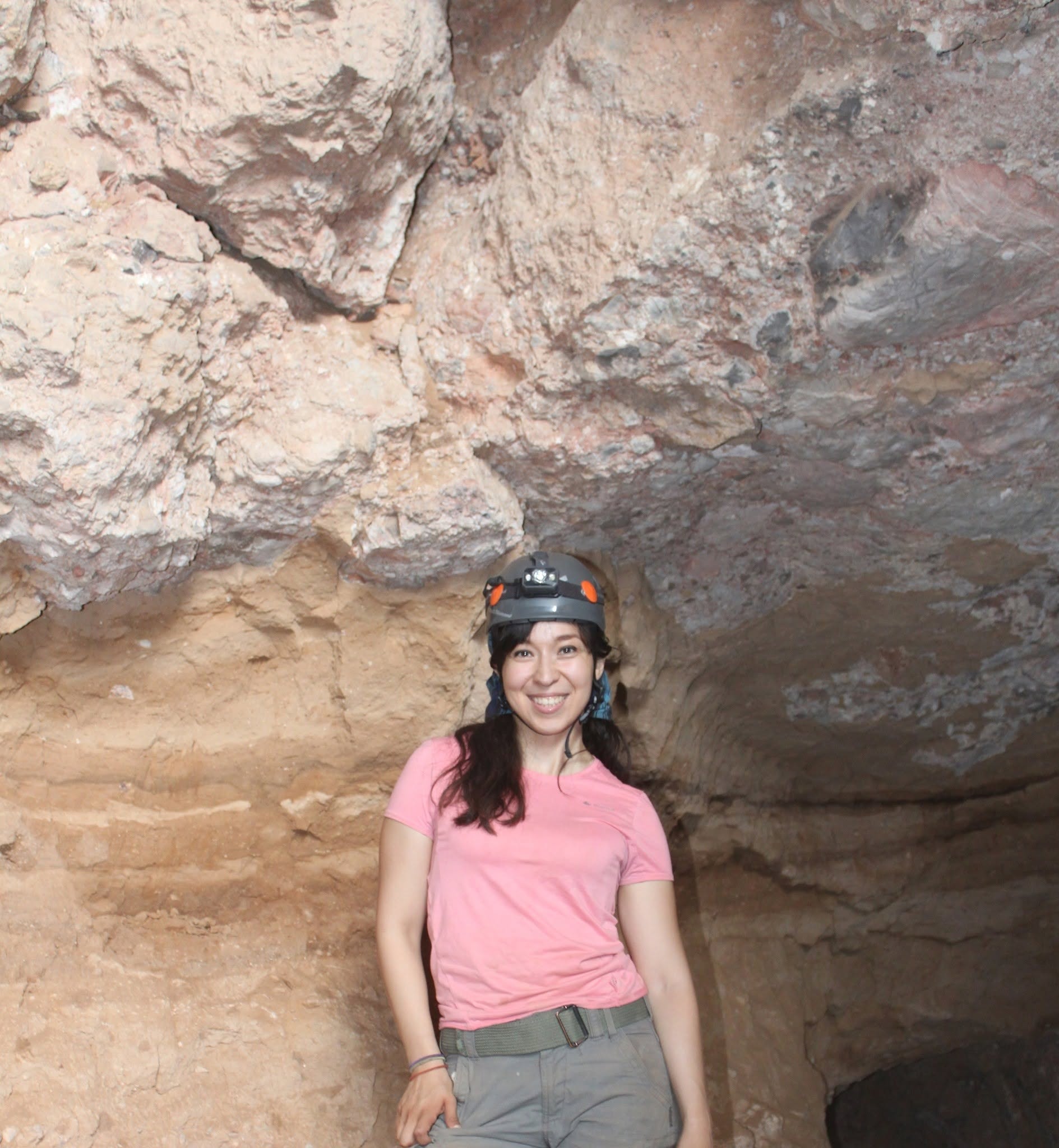
One of the clearest examples of this was a cave I began monitoring by myself, catching public buses and then waving on the country road. I would hike in with my gear, collect data, take notes and leave knowing that if I didn’t show up, no one else would. That cave felt enormous not just physically, but emotionally. It represented both my commitment and my isolation.
But conservation has a way of teaching patience and resilience. Over time, that same cave transformed. What started as a solitary effort slowly became a collaborative one. Today, I have students completing their theses. They bring new ideas, new energy and new hope. The cave that once symbolized loneliness now represents community, growth and shared purpose.
Collaboration became the way forward. By building a team of like-minded people, we’ve been able to visit some of the largest bat colonies in northern Mexico, conduct free outreach in low-income communities and witness real changes in how people perceive bats. I’ve seen fear turn into curiosity and curiosity turn into pride. I’ve watched people who once avoided bat roosts become advocates for their protection. Those moments make every challenge worth it.
And the joy of seeing bats pollinating, eating insects and even drinking animals’ blood is what keeps me going. It’s what reminds me that conservation is not just about science; it’s about connection, persistence and hope.
My biggest challenge was the lack of a team. But now, my greatest success has been building one in Monterrey in the state of Nuevo León, México.
That’s why I invite others to share their own challenges—because what feels heavy for one person can become strength for another. Conservation is not meant to be done alone. The moment we choose collaboration, everything changes.
Learn more about Wildlife Vocalizations, and read other contributions.
Submit your story for Wildlife Vocalizations or share the submission form with your peers and colleagues to encourage them to share their story.
Article by Nayelli Rivera Villanueva