

As a kid growing up in the rural northwest corner of Connecticut, I was keenly aware of the area’s uniqueness and the natural beauty that surrounded me. The rolling hills, covered bridges, stunning waterfalls and quaint Main Street shops and restaurants make Kent the quintessential New England Village.
The town boasts many claims to fame. The Appalachian Trail runs straight through it; George Washington rode on horseback across the covered bridge in town in the late 1700s; it inspired the setting for “Gilmore Girls”; and Yankee Magazine named it the top choice for fall foliage towns in all of New England for several years running.
The Housatonic River meanders through Kent’s green valley, attracting tourists and artists alike. My tiny town of about 3,000 residents is home to eight renowned art galleries and has produced some of the world’s most talented and prolific artists. I grew up surrounded by the work of Kent artists David Armstrong and Eric Sloane, who painted spectacular, realistic local landscapes. And my classmate Seth MacFarlane—who drew a weekly cartoon for our local paper starting at age 9—took his art further than we could have ever imagined with the success of his “Family Guy” franchise.
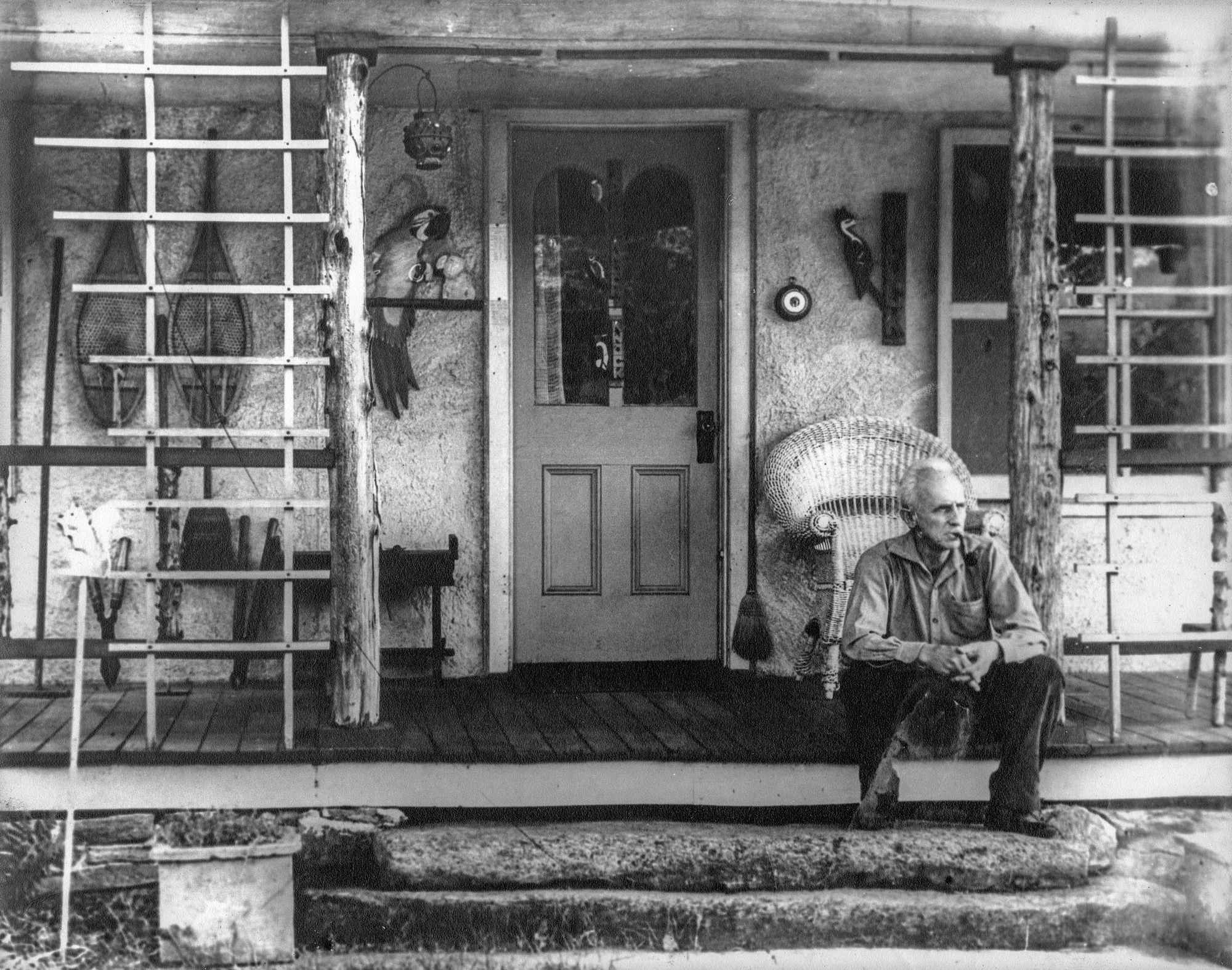
At Kent Center School, my 2nd-grade teacher, Melode Brasher, was a sweet and soft-spoken woman who wore long dresses that flowed with her long brown hair. I remember my mother telling me that Ms. Brasher’s uncle was a famous artist. And I thought, ‘That’s cool, I guess.’ But it wasn’t until last year that I discovered who, exactly, that uncle was.
A mission to paint every bird
In the fall of 2025, I was gifted a pack of Field Notes brand notebooks that featured beautiful paintings of birds. When I opened the three-pack of mini notebooks, I noticed that the back of the pack included the name of the artist, a short blurb about him and a link for more information. His name was Rex Brasher.
At my computer, I typed in rexbrasher.org, and in giant letters, the homepage read, “He quietly painted every bird species in North America. And you’ve probably never heard his name.” I was intrigued. I clicked on the Field Notes video entitled “The Art of a Lifetime.” I settled in to watch the video of this talented artist, but 18 seconds in, I nearly fell off my chair. As the narrator introduced Rex Brasher, the words “Kent, Connecticut” appeared on the screen over an aerial image of his home that he named Chickadee Valley. Wait … Brasher? As in Ms. Brasher in 2nd grade? As in Ms. Brasher’s uncle is a famous artist? I immediately put it all together and realized that amazingly talented, ultra-prolific bird artist who was the subject of this video and the artist behind the Field Notes bird art was my 2nd-grade teacher’s uncle.
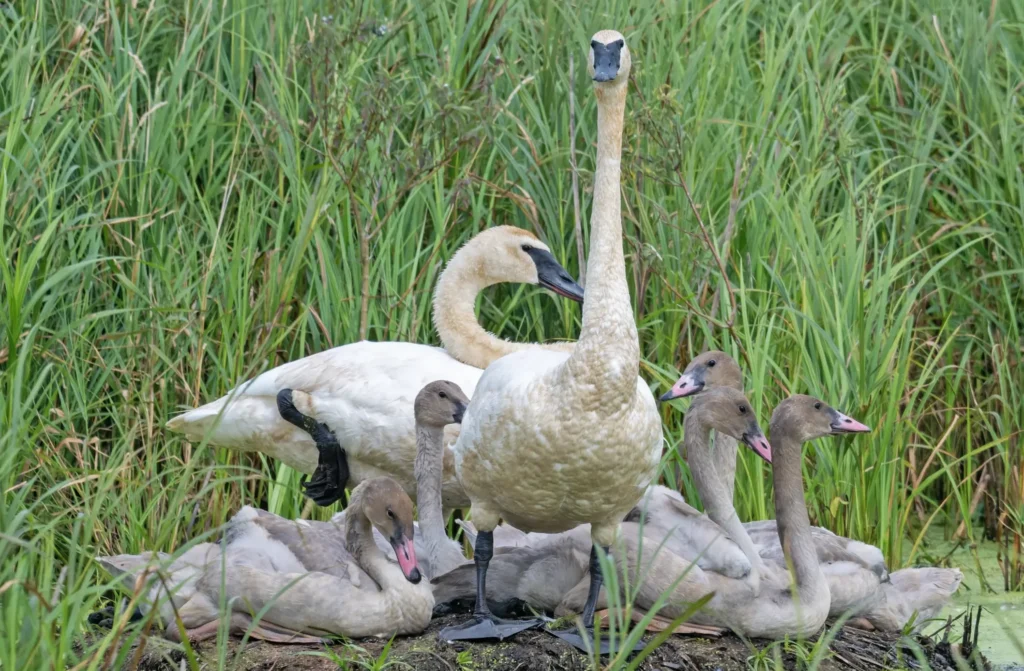
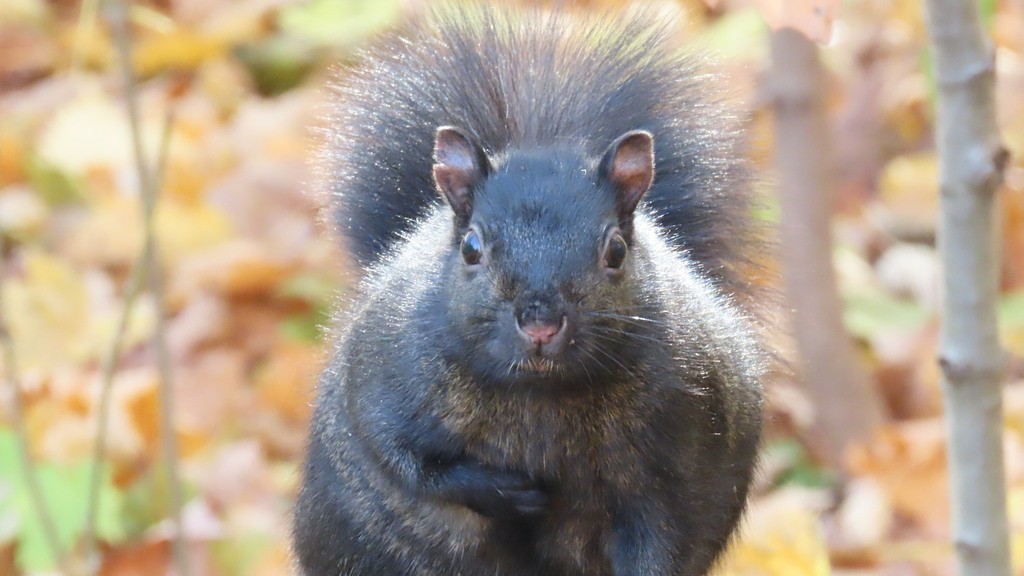
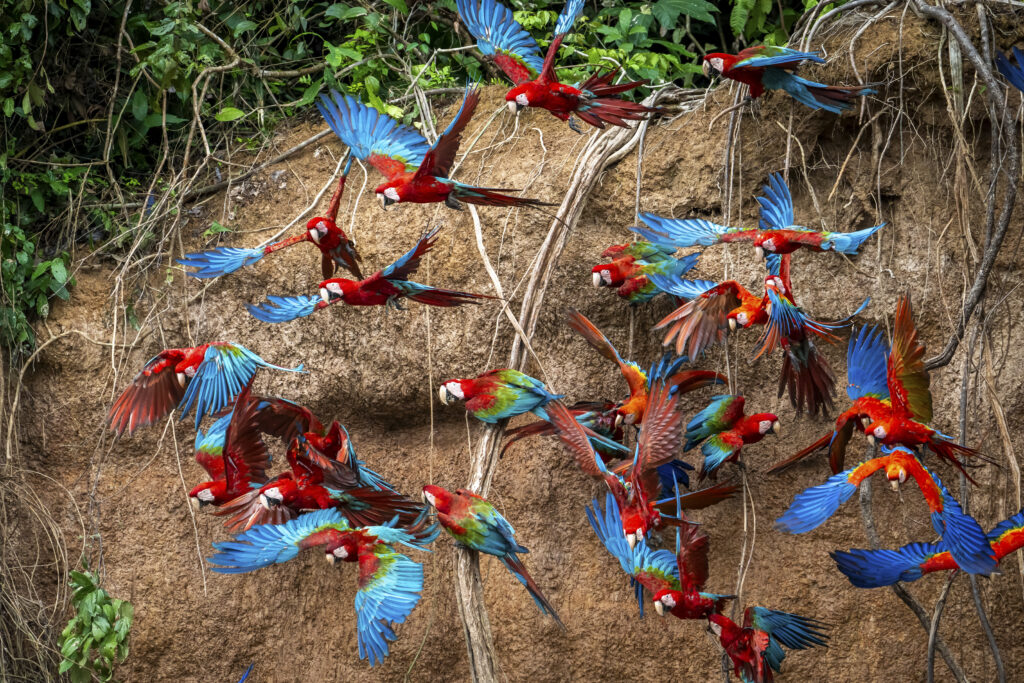
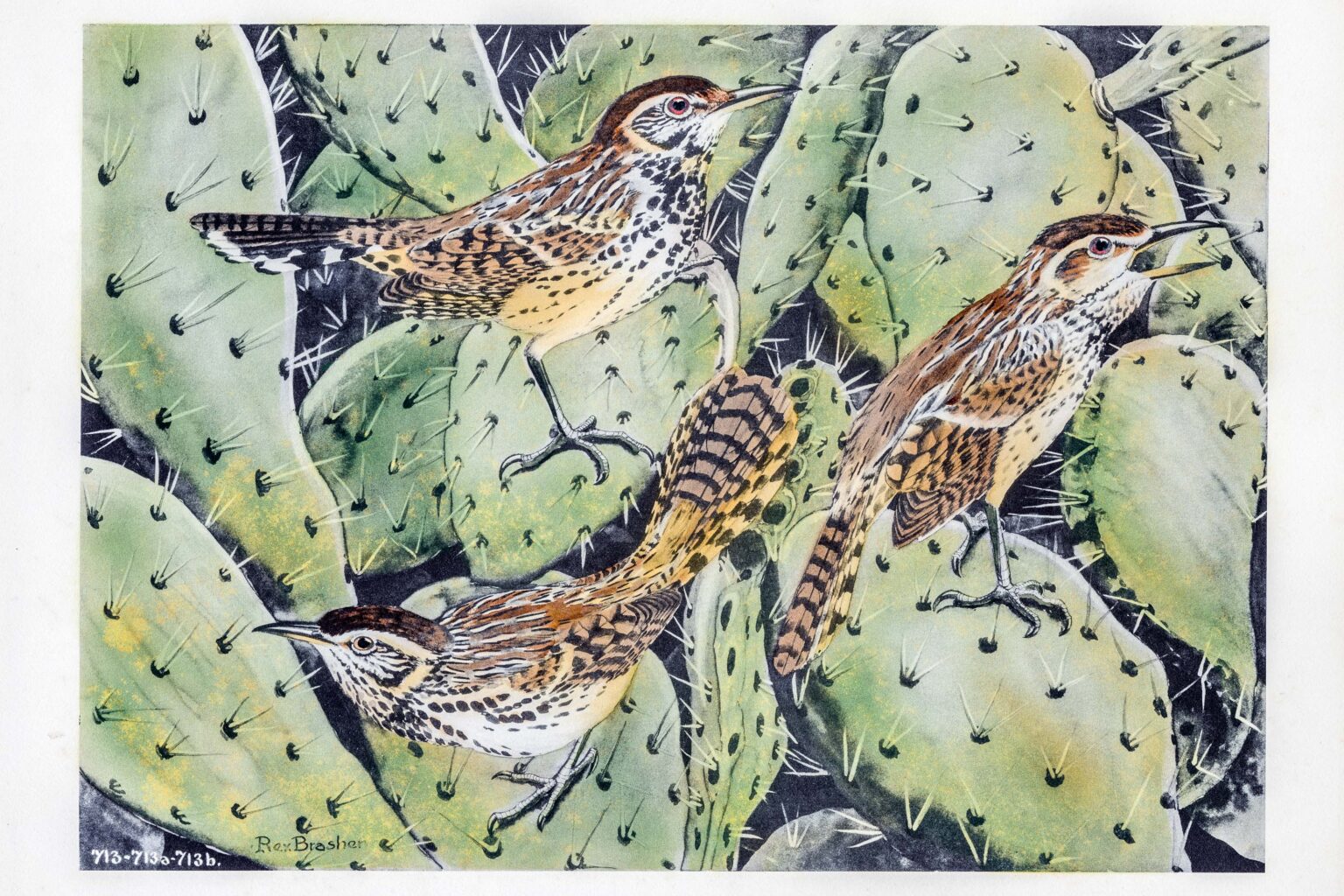
As I watched, I learned about Brasher’s proclamation at age 8 that he would eventually paint every bird in North America. Unlike John James Audubon, he would do it without killing a single bird. Rather than paint from study skins, Brasher vowed to travel the continent and paint every bird as he saw it in the field. I also learned that in the pursuit of publishing his life’s work in a set of books, he realized that color printing could not accurately capture his art. So, he had 100 sets of his art printed in black and white and painted each print by hand. That was over 87,000 prints that he painstakingly painted by hand over a four-year period! The set of 12 volumes, called “Birds and Trees of North America,” includes his 874 paintings—more than twice as many birds than Audubon painted in his lifetime.
That same day, I reached out to the Rex Brasher Association (RBA) and told them about my connections to Kent, birds and Brasher. I connected with their president, Cynthia Ayres, and board members, Matthew Schnepf and Munawar Ahmed. They educated me about the Association and their mission to ensure that Brasher’s artwork and legacy were preserved and shared with the world. They aim to advocate for the protection of birds and habitat and to inspire a new generation of artists. Association volunteers and interns have spent countless hours scanning and cataloging all of Brasher’s work in recent years, and progress is currently being made to convert an old barn on his Kent property into a museum of his art. As a wildlife biologist from Kent, Conn., and an art lover, I felt compelled to help them share Brasher’s work with the world. In April of this year, TWS interviewed Ayres and Schnepf for an “Our Wild Lives” podcast called “The Forgotten Bird Artist,” where they recounted Brasher’s extraordinary accomplishments.
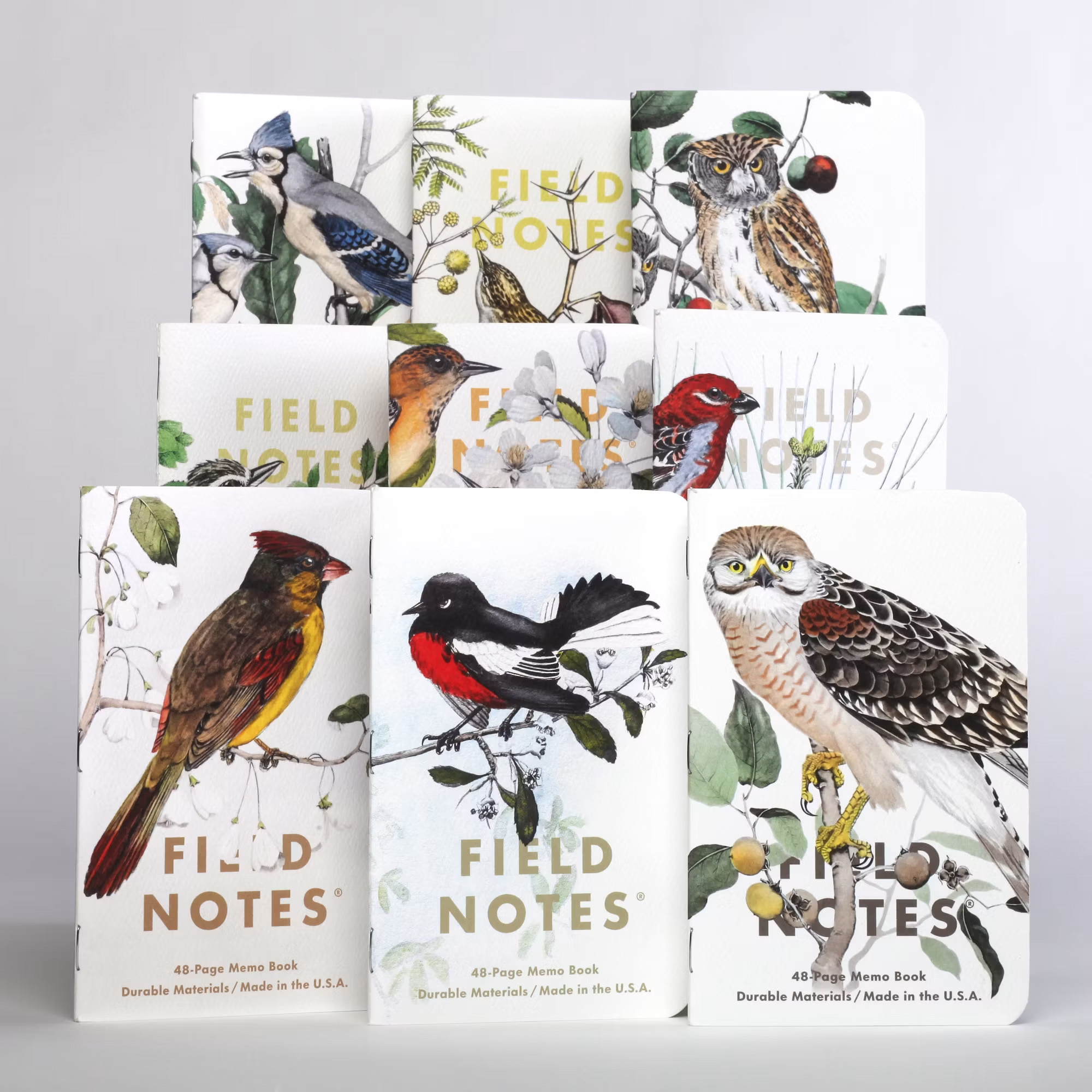
The partnership between Field Notes and the Rex Brasher Association came about in 2024 when Matthew Schnepf reached out to the owner of the unique mini-notebook business. Field Notes has a history of creating special editions made from work that interests them and building stories around that work. Field Notes founder, Jim Coudal, jumped at the chance to highlight the work of Brasher, and a collaboration was born. Field Notes carefully reproduced nine of Brasher’s bird prints to create three three-packs of felt-textured notebooks. The “Birds and Trees of North America” series started as a limited edition for the company but was so popular from the start that Field Notes made it part of their regular line of products. “We love telling Rex’s story and introducing folks to his amazing lifetime of work through social media, our newsletters, in person, in stores and especially pointing them to the short documentary we produced,” Coudal said.
To help amplify the work of Rex Brasher, TWS will be gifting Annual Conference attendees the 3.5” x 5.5” Field Notes notebooks in Des Moines featuring the bird art of Rex Brasher. Highlighting this gifted artist at this year’s conferences perfectly complements the event’s “art of conservation” theme.
Bringing Brasher’s work to light
Over the past year, the more that I have learned about Brasher, the more I am utterly in awe of his life and works. Through conversations with RBA board members and reading his biography called “Rex Brasher: Painter of Birds,” written by his nephew Milton E. Brasher, I have learned of his sheer resolve and tenacity in the pursuit of his goal to paint the birds of North America. He traveled extensively by boat, train and foot, filling sketchbooks and periodically sending sketches and notes back home. Brasher was so determined to make his paintings as lifelike as possible that he even destroyed a total of 700 pieces that he was unhappy with. Brasher was a true conservationist. “He was so ahead of his time in certain ways in thinking about why birds matter and how they fit into our ecosystem,” Ayres said, adding that Brasher considered why we need birds, why we need to protect them and why we need to go to great lengths to do so.
Brasher was very well-known nationally in the 1930s and 1940s and was featured in publications like Time Magazine numerous times. His full works were on display in what is now the National Geographic Museum of Exploration. But somehow, he is largely unknown today. “I think he’s not more well-known because he just wasn’t very self-promotional,” Schnepf said. “He was so focused on the work and what that meant for him that he wasn’t great about promoting himself or talking about it more publicly.”
Brasher’s work connects people to the wild in the most beautiful way, and I can’t think of a more deserving individual to honor and celebrate in the field of conservation art. I feel honored to hail from the same small New England town as such a man and feel compelled to help bring his work back out into the light.
Learn more about Rex Brasher and view all of his works at rexbrasher.org.
Article by Jennifer Murphy