

As a child, the natural world of west-central Ohio was Alan Wentz’s kingdom. He was left free to follow his curiosity down fence rows and up trees.
“My mother had the policy that if I was in the woods or fields, things were fine,” he said. “She knew I’d come home when I got hungry.”
And when he came home, his pockets were often filled with snakes or turtles. “I was always interested in what was out there, what the names of things were and how things interrelate,” Wentz said from his home in Germantown, Tennessee, where he’s lived for more than three decades.
When he wasn’t scurrying around the woods, Wentz had his nose in books or magazines at the library. The pages inspired him to see the world and the living creatures in it first-hand.
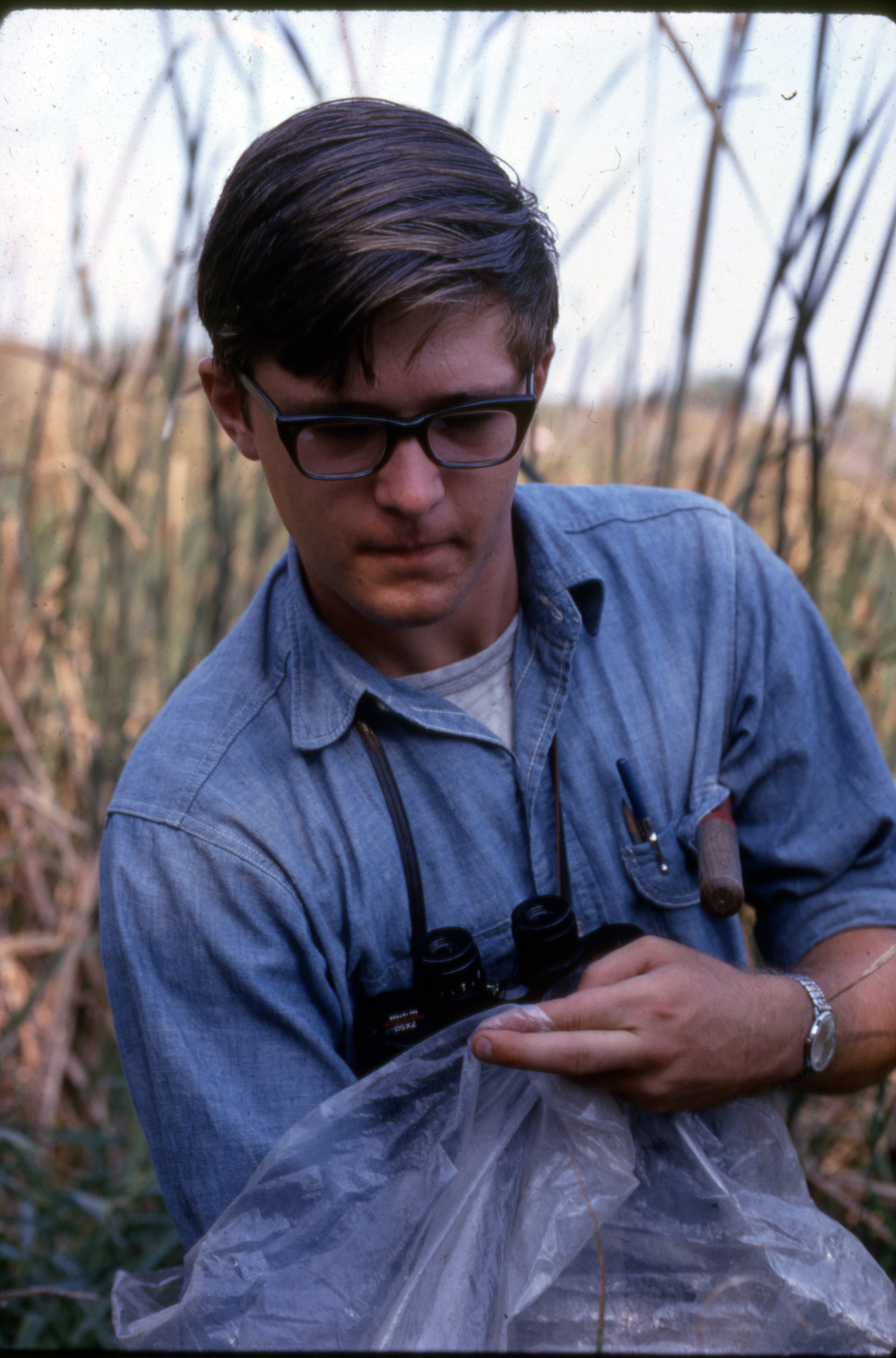
That curious buckeye boy would one day grow up to become a wildlife professional and advocate who would spend decades shaping waterfowl policy and conservation across North America—and be one of The Wildlife Society’s staunchest supporters.
Loving learning
After meeting his local game warden, Wentz knew he would one day work in conservation. His high school and college counselors weren’t all that supportive of his goals and didn’t think he was serious about it, but his studies proved otherwise.
In 1967, while an undergraduate at The Ohio State University, Wentz first became a member of TWS. He then attended Oregon State University for his master’s degree, where he studied invasive nutria (Myocastor coypus) and their impact on vegetation in the state. He finally went to the University of Michigan for his PhD, where he studied wetland ecology and management.
After earning his doctoral degree, he and his wife, Jan, moved to Brookings, South Dakota, where they both worked for South Dakota State University. Wentz was an extension assistant professor, and his wife worked in graphic design for the South Dakota Agricultural Experiment Station at the university.
During this stage of his career, Wentz became one of the early editors of Wildlife Society Bulletin, which began publishing in 1973. He woke up every morning around 5 a.m. to edit before heading off to his day job. “I just loved it,” he said. “I would have stayed forever if they let me.”
An international legacy
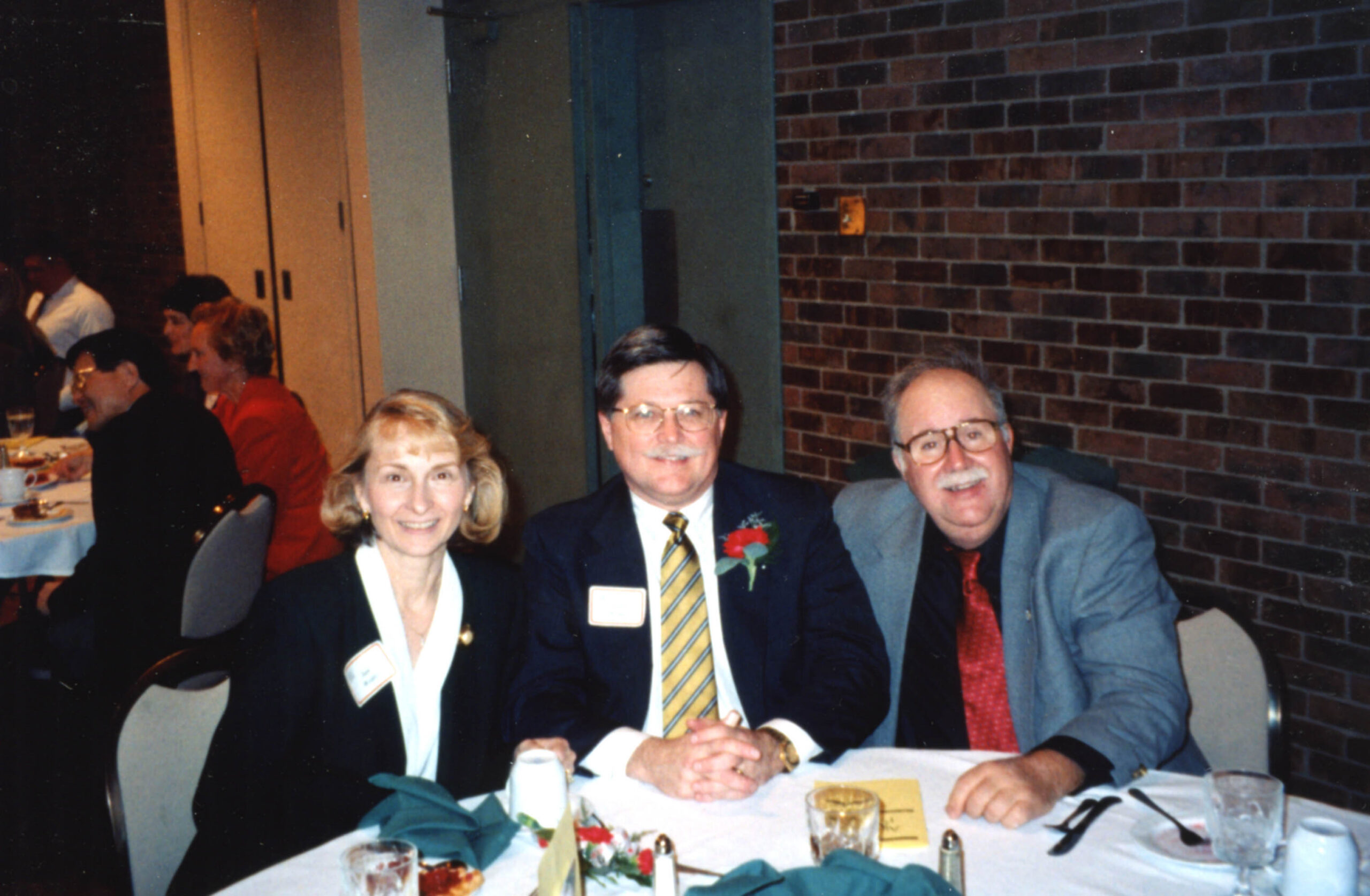
The couple then moved to Washington, D.C., where Wentz served as the director of fisheries and wildlife for the National Wildlife Federation (NWF). While there, he led the team that sued the U.S. Fish and Wildlife Service to eliminate lead shot in waterfowl hunting and worked on related legislation. The settlement they reached required that all waterfowl hunting be with strictly nontoxic shot. “It was the first big step to getting lead out of the environment from hunting, and of course, it’s still being fought,” Wentz said. “We managed to win some of those battles.”
He also worked on including conservation provisions in the 1985 Farm Bill and updating the North American Waterfowl Management Plan and the North American Wetlands Conservation Act.
After serving as Kansas’ assistant secretary of the Department of Wildlife and Parks for four years, Wentz and his wife finally settled down in west Tennessee for a new job at Ducks Unlimited. He spent the last two decades of his career there, first as the director of national and international affairs before being promoted to chief conservation officer.
While at Ducks Unlimited, Wentz and his team conserved millions of acres of wetlands through purchases, easements or restored landscapes across Canada, the U.S. and Mexico. He traveled to Canada and Mexico, places he had only read about as a child.
Wentz has also had an impact on TWS. From 1992 to 1993, Wentz served as president of The Wildlife Society. During his time on Council, he was a part of the effort to create working groups within the Society. Now, TWS has more than 30 active working groups dedicated to different aspects of wildlife management and conservation.
Wentz was recognized for his lifetime of dedication by winning the 2019 Aldo Leopold Memorial Award, the Society’s top award given to an individual who has made outstanding contributions to the field of wildlife. You can watch Wentz’s presentation at TWS’ 2020 virtual Annual Conference here.
But his contributions to TWS didn’t end there. He and Jan have made generous donations to TWS and included the Society in their wills. “We’d hope to see more people donating,” he said. “There isn’t any place better if you’re really interested in conserving wildlife.”
This story is the latest installment in a series highlighting TWS legacy donors. If you would like to discuss making a meaningful gift to support an initiative or one of our donor-supported programs, please contact TWS’ director of development, Lauren Ruotolo or learn more here.
Article by Olivia Milloway