





On Sept. 4, 2026, President Trump signed the Executive Order, Supporting America’s Ranchers. Although the order addresses a range of issues affecting ranchers, much of the public discussion that followed has focused on one issue: wolves.
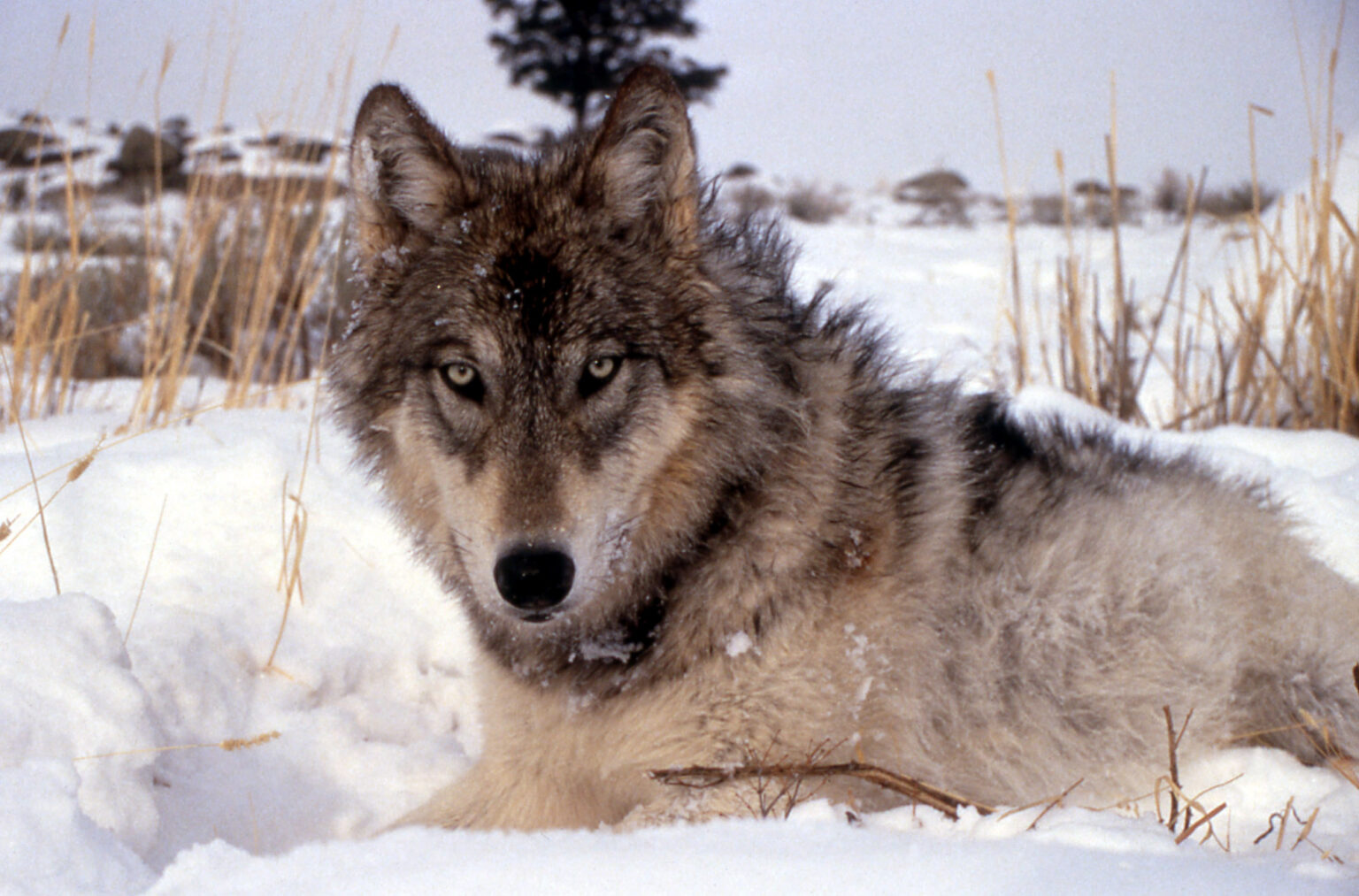
Contrary to some headlines, the order itself does not delist wolves. The Endangered Species Act (ESA) does not grant the president that authority. Instead, the order directs the secretary of the Interior to determine whether gray wolves (Canis lupus) and Mexican wolves (Canis lupus baileyi) have met recovery criteria for delisting or downlisting pursuant to the ESA and, if so, to begin the appropriate administrative process for making the change.
Perhaps more notably, the order also calls for legislative recommendations to remove or reduce ESA protections for wolves. The order’s call for legislative recommendations is notable because it would potentially avoid scientific and legal challenges that have prevented wolf delisting in the past. It also indicates that the administration views delisting or downlisting as the desired policy outcome prior to a determination of wolf recovery status under ESA.
This may not be a new issue, but there are several new elements that could alter both wolf management and ESA interpretation moving forward.
Not a presidential decision
The U.S. Endangered Species Act was designed to separate biological determinations from political considerations. Whether a species should be listed, downlisted or delisted is typically decided through a scientific and administrative process led by the U.S. Fish and Wildlife Service (USFWS). That process requires a review of the best available scientific and commercial data, publication of a proposed rule, peer review, public comment and ultimately a final agency determination. Economic impacts and political preferences are not among the statutory factors used to determine whether a species warrants ESA protection.
As a result, the Executive Order does not change the current legal status of wolves today. Any administrative delisting effort would still need to proceed through the established ESA process and survive judicial scrutiny.
Rulemaking déjà vu
In 2020, during the first Trump administration, the USFWS finalized a nationwide delisting rule after concluding that gray wolf recovery objectives had been achieved across much of the species’ range. In 2022, a federal court vacated that rule and restored federal protections across most of the United States.
According to the administration’s new order, the USFWS is once again being asked to review whether wolves have met recovery criteria and whether another delisting effort should move forward, setting the stage for renewed scientific scrutiny and likely legal conflict.
Lessons from previous delisting efforts
The 2022 court ruling did not conclude that wolves had failed to recover. Rather, the court found that the USFWS had inadequately analyzed wolves outside of core recovery areas, failed to sufficiently address the species’ historical range and did not adequately justify its interpretation of several key ESA requirements. As a result, the decision became less of a referendum on wolf abundance and more a debate over how recovery should be assessed under the law.
The ambiguity of ESA terms such as “significant portion of its range,” “foreseeable future” and the adequacy of “regulatory mechanisms” remain largely unresolved and will continue to dominate legal debates moving forward. The Supreme Court’s 2024 decision overturning Chevron deference may further elevate these disputes. The Chevron deference was a legal doctrine that instructed courts to defer to a federal agency’s reasonable interpretation of an ambiguous statute. Now, rather than deferring to USFWS’ interpretations of ESA, courts are expected to exercise independent judgment when interpreting the statute.
So, upcoming legal disputes about wolves may focus more on statutory meaning rather than biological facts. This could have lasting implications for the ESA because judicial interpretations of statutory language often prove more durable than agency interpretations, which can change across administrations. For wolves and the case at hand, greater judicial control over statutory interpretation does not inherently favor or discourage delisting. A ruling could go either way.
The legislative pathway
While much of the public attention has focused on the order’s directive to review wolf recovery status, the most consequential provision may be the one that receives the least attention.
The order directs the secretary of the Interior, in coordination with the White House, to prepare legislative recommendations for fully delisting or downlisting gray wolves and Mexican wolves under the ESA.
That language reflects the recognition that administrative delisting may again face lengthy litigation and uncertain judicial review. To emphasize just how long judicial review can take, the USFWS’ appeal of the 2022 court ruling is still ongoing. Oral arguments before the Ninth Circuit Court of Appeals are scheduled for October 2026.
A legislative solution would shift the debate from administrative processes and judicial interpretation of the ESA to congressional policymaking. Congress has the authority to amend the ESA or remove protections for specific species directly through statute. In fact, Congress previously used this approach in 2011 when it directed the delisting of northern Rocky Mountain gray wolves. Since Congress has the authority to amend the ESA or directly alter a species’ legal status through legislation, many of the scientific and interpretive disputes that have characterized wolf litigation and rulemaking for decades would no longer need to be resolved through the ESA’s administrative framework. In other words, Congress could consider factors beyond the best available science.
Whether Congress is willing to pursue such legislation remains uncertain. But the request itself signals that the administration may view legislation, rather than rulemaking alone, as the more durable path toward changing wolf management nationwide.
Looking ahead
Wildlife professionals should view the order less as a final decision and more as the opening of another chapter in an ongoing policy debate.
The coming months will likely involve scientific reviews, stakeholder engagement, political discussions and potentially congressional action. Questions about recovery, state management capacity, livestock conflict, ecological impacts and public values will all remain part of the conversation.
What is clear today is that wolves have not been delisted. The legal status of gray wolves and Mexican wolves remains unchanged. What has changed is that the administration has made wolves a priority and has signaled interest in both administrative and legislative avenues for reducing federal protections.
While we’ve been here before, the legal landscape surrounding wolf recovery has changed. Whether wolves are ultimately delisted may depend not only on biological assessments but also on how courts interpret the ESA and whether Congress chooses to act.
Article by Cameron J. Kovach