



Genetic research on Hawaiian honeycreepers from different islands has revealed why low-elevation populations may be more resistant to malaria.
The discovery provides a rare slice of hope for a species in which many populations are struggling for their survival, though the practical applications of such discoveries are still far away.
Most of the Hawaiian Islands are no more than about 7 million years old—a blink of an eye in evolutionary time. That means most honeycreeper species there are relatively new. Finches arrived at the islands sometime after they emerged from the ocean, eventually evolving into the various honeycreeper species found across the archipelago today. When the finches first arrived, they found a malaria-free paradise. As the finches became Hawaiian honeycreepers, they lost their resistance to the infection in favor of more useful adaptations for Hawaiian life. Everything was fine until European settlers brought mosquitoes and birds infected with avian malaria to the archipelago in the early 1900s.
“Because there was this absence of selective pressure because of the [malaria] parasite, there may have been some deleterious mutations that made them very susceptible to the disease when introduced in late 1800s early 1900s,” said John Neddermeyer, a PhD student at the time of research in biology at Northern Arizona University.
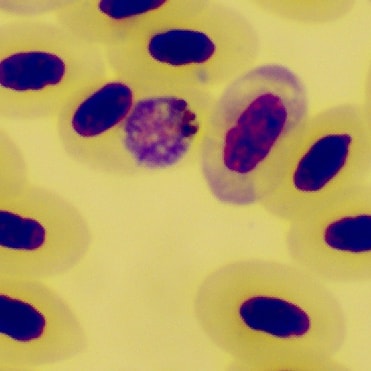
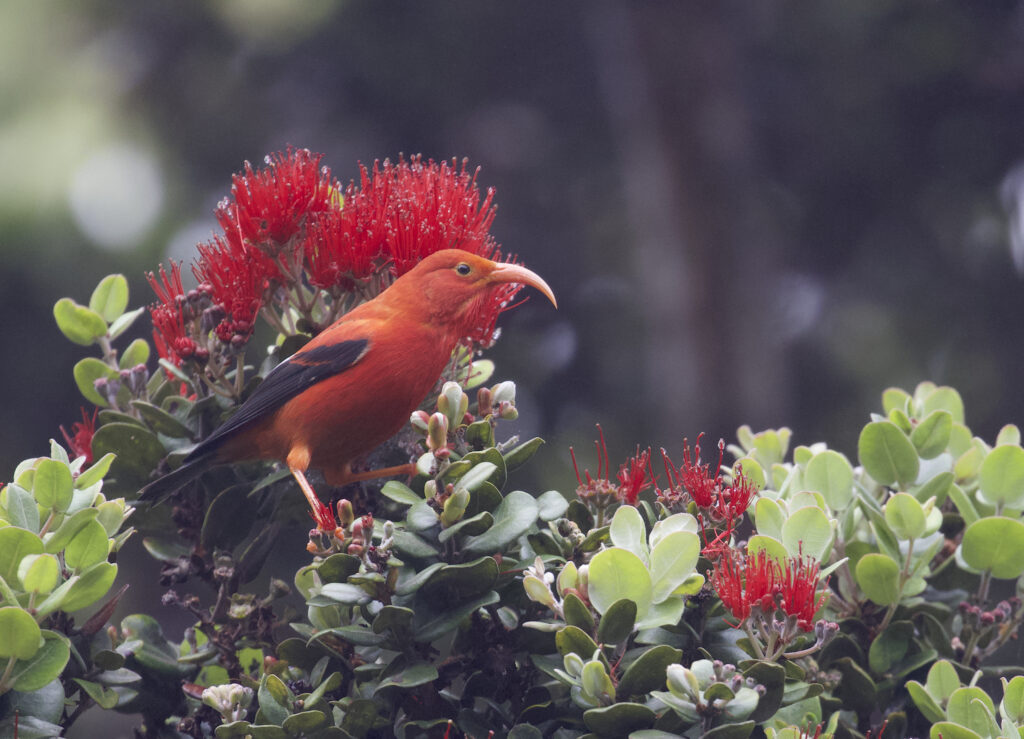
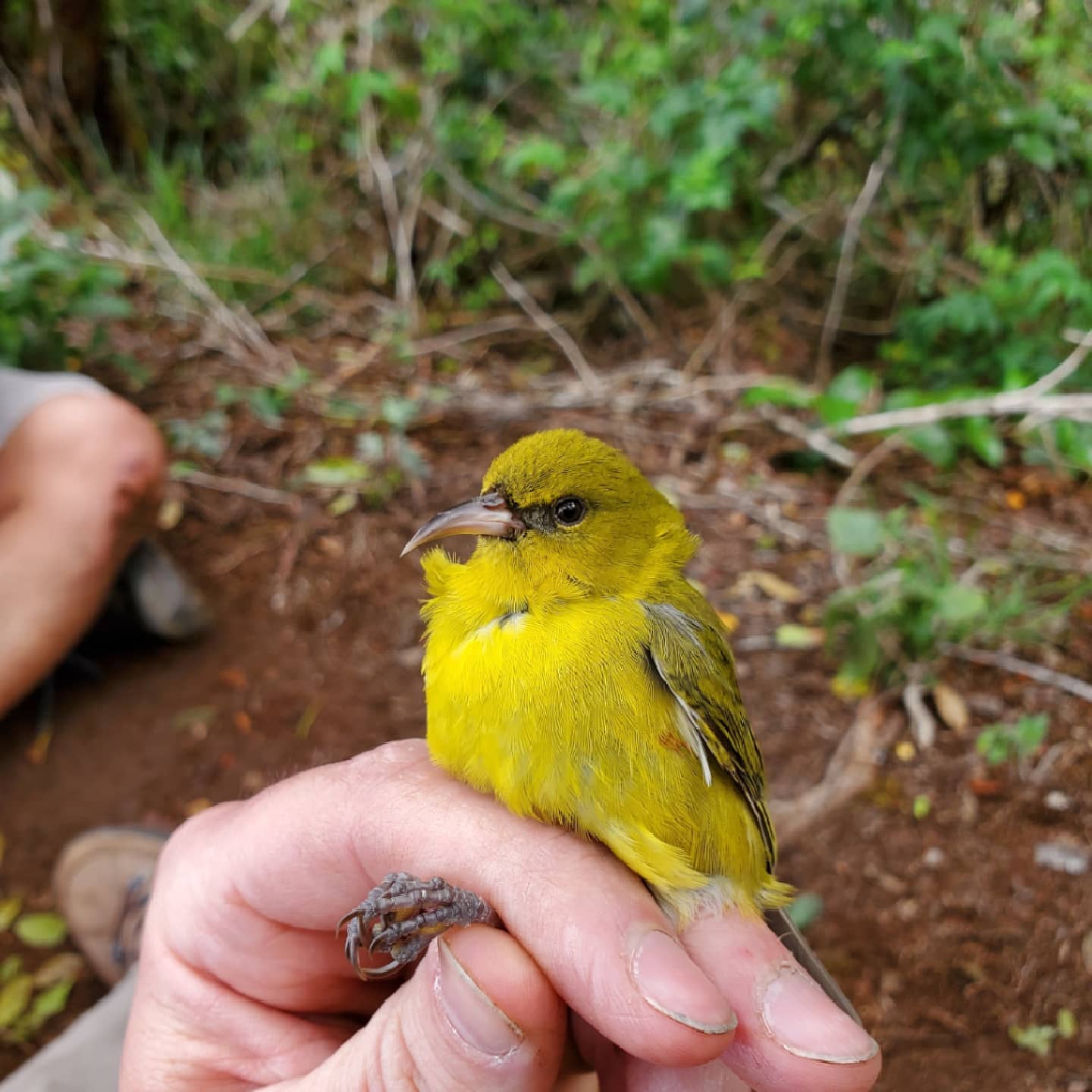
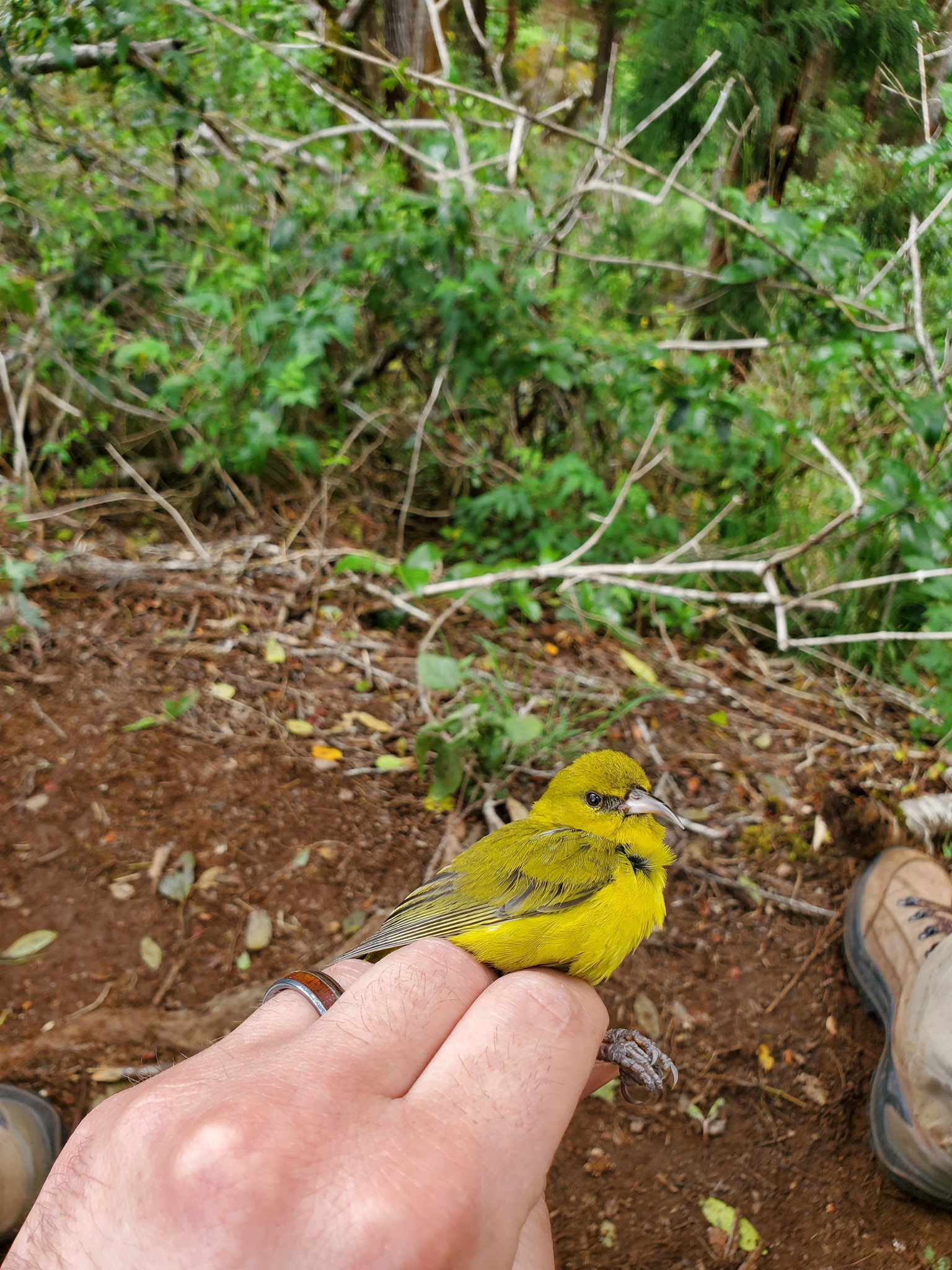
The impact was devastating for native bird species, especially lowland birds that were already coping with habitat destruction brought by colonialism. While birds in the highest elevations were protected by chilly weather typically too cold for mosquitoes, the valleys and beaches didn’t have that protection. Entire bird species have gone extinct from avian malaria, while others are only hanging on by a thread. But not all species have been equally affected by the disease. The Oahu ʻamakihi (Chlorodrepanis flava) suffers some losses from the population, but the species is still doing fairly well compared to its counterparts in other areas in the archipelago.
The genetic code of malaria resistance
To learn more about why these birds are more resistant to malaria, Neddermeyer and his colleagues examined the whole genome of 35 Oahu ʻamakihi individuals. In a study published recently in Ecology and Evolution, he and his colleagues described what they found in the genomes that might hold secrets to malaria resistance.
The team first ran blood tests on the 35 birds to determine if they were infected or not. They then compared the genomes between infected and noninfected birds. “We looked for associations between genetic changes in our samples and malaria infection prevalence,” Neddermeyer said.
The team found 582 genetic variants associated with avian malaria infection. “A good chunk of these alleles were associated with calcium regulation,” Neddermeyer said.
Calcium plays a role in helping malaria move around in the bloodstream and reproduce in blood cells. Some gene functions are better at regulating the calcium in blood cells, giving malaria less opportunity to reproduce and more opportunity to a bird’s immune system to resist the disease.
Overall, though, birds that survive malaria or are resistant to it have immune systems better equipped to target blood cells infected with malaria. Birds whose immune systems indiscriminately kill red blood cells regardless of infection status eventually die of anemia.
Neddermeyer and his team still aren’t sure exactly how any of these genetic changes might be helping or hindering individual honeycreepers. It’s also unclear whether the honeycreepers resistant to malaria adapted these traits in recent decades in response to the return of avian malaria or whether these genetic traits are much older. To find that out, he said, researchers would need to see if they could get genomes from old museum specimens of honeycreepers dating back a century or so.
In any case, he said that identifying with more specificity which genetic changes are responsible for malaria resistance would be useful, particularly for identifying the best individuals for captive breeding and reintroduction programs.
But in the meantime, the most effective strategy for bird conservation in Hawaii is likely still mosquito management.
Article by Joshua Rapp Learn