



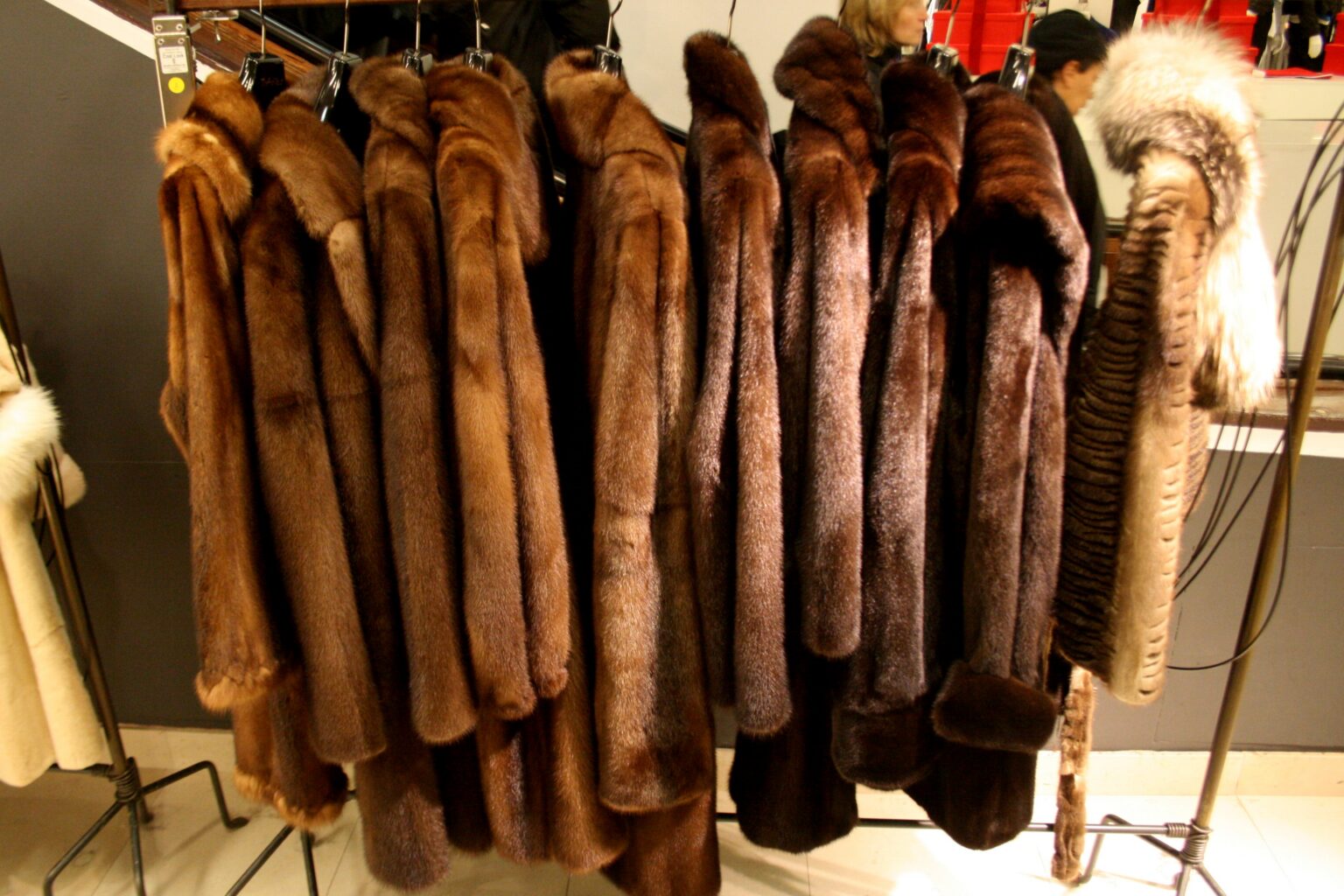
Fur is once again a flashpoint, exposing debate around the sustainable use of wildlife. Despite wildlife biologists’ stance that regulated trapping occurs sustainably and in concert with conservation, efforts to restrict the fur trade are moving beyond company policies into online marketplaces and local and state wildlife policy. As a global online marketplace, Etsy, prepares to implement a ban on fur in August, battles ensue over the regulation and use of fur in Colorado and Massachusetts, creating a tapestry of varying regulations, bylaws and legislation across the country.
One ban for two industries
Furs come in two forms: farmed and wild-caught. The difference between farmed fur and wild fur is significant, although the two are often grouped together in public debate. Each source raises different animal welfare, conservation, disease and wildlife management concerns. In the United States, mink (Neogale vison) account for most commercially farmed fur, although people raise foxes and a small number of other species for their pelts. Farmed fur is subject to its own regulations and sustainability certification programs, which are separate from wild furs. These distinctions are often lost in public discussions.
Broad fur bans, including Etsy’s, typically apply to both sources and do not make distinctions.
What is colloquially referred to as the Etsy fur ban is a change in policy that impacts products that can be sold online. On top of existing bans on the sale of threatened and endangered species, which are in line with current rules from the Convention on International Trade in Endangered Species of Wild Fauna and Flora (CITES), the platform will now ban independent artists from selling raw pelts, finished garments and accessories made with real fur from animals, such as mink, foxes and rabbits.
“Etsy prohibits products made from or containing natural fur from animals killed primarily for their pelts, regardless of age or origin,” the website states.
“Etsy’s policy sets a new standard for online retailers. Fur is losing. Designers are dropping it, publications are not promoting it, and now, Etsy, one of the world’s largest e-commerce marketplaces, is banning it,” the Coalition to Abolish the Fur Trade (CAFT) said in an article for Fashion United.
CAFT conducted a 58-day protest campaign across 17 cities that targeted Etsy headquarters, board members and affiliates. The ban was announced after CRAFT confronted the Etsy CEO at the Morgan Stanley investor conference, saying they are “continuing to profit off the bloody fur trade” in front of investors.
CAFT claims to have one mission: to put an end to the fur trade once and for all by dismantling the retail market because, “the animals rotting away in fur farms do not care how hard we tried. They care about their liberation.”
“If you cut off the reasons [a product] gets used, eventually it goes away—in theory,” said TWS member Geriann Albers, furbearer and gamebird program leader at the Indiana Department of Natural Resources, commenting on the economic theory behind why the Etsy fur ban is significant. With some products like fur, it’s often not that simple.
The email that went out to artisans cited “ongoing biodiversity efforts” as the source of the ban, although the current web page does not mention biodiversity. The Association of Fish and Wildlife Agencies (AFWA) spoke out against the Etsy fur ban, stating that wild fur is not a threat to biodiversity and that practices are guided by internationally recognized standards, including the Agreement on International Humane Trapping Standards, supported by decades of collaborative research among state, federal and academic partners.
Etsy is not the first company to move away from fur in recent years. Companies like Canada Goose stopped making fur-lined hoods in 2022, and New York City Fashion Week went fur-free this year due to public pressure. CAFT has taken responsibility for several companies banning fur and has been most recently focused on Milan Fashion Week. The Etsy ban does go beyond many state restrictions, and it is the first instance of a market platform limiting sales.
Fur regulations vary across the country
As debates over fur continue to evolve, states and municipalities have increasingly become the battleground for competing and sometimes divergent approaches to regulation as the lines between farmed and wild-caught animals become blurred.
Massachusetts is experiencing a patchwork of proposed and enacted legislation. Eight Massachusetts towns have banned the sale of new fur products since 2020, often citing animal cruelty and disease concerns. Similar ordinances have been proposed in other towns but have been rejected. These ordinances ban fur, regardless of whether the fur originated from farmed or wild animals, and some go as far as banning internet purchases.
The growing momentum has led to statewide initiatives in Massachusetts, including House and Senate bills, but these are narrower in scope. The bills would specifically prohibit the sale of new farmed fur products to address concerns about animal welfare in commercial fur production. Unlike some town ordinances, the bills do not prohibit the sale of wild-caught fur and fur products. They reflect a policy approach focused on fur farming rather than the management of wild furbearer populations.
Elsewhere, proposals have gone further by seeking to restrict the sale or trade of fur from legally trapped wildlife or banned trapping altogether, bringing wildlife management directly into the debate. California was the first state to ban recreational and commercial trapping with the Wildlife Protection Act of 2019. California halted the sale of furs through the Fur Products Prohibition Act the same year.
A recent debate in Colorado exemplifies the divide between wildlife professionals and policymakers when a citizens’ petition to amend regulations related to commercial fur sales was accepted. The petition, put forth by the Center for Biological Diversity, looks to limit fur sales to a narrow set of circumstances related to flies tied for fishing and hats. The Colorado Parks and Wildlife staff recommended denying the petition because the division lacked solid evidence that commercial fur sales are leading to unsustainable harvest levels of these animals. The Colorado Parks and Wildlife Commission has asked the Colorado Division of Parks and Wildlife to initiate a formal rulemaking process for the petition. Division staff are drafting a paper that will articulate the issue and potential changes to current regulations. They will present their findings in a meeting in July and vote on the issue in September.
TWS’ Hunting, Trapping and Conservation Working Group and the Colorado Chapter of TWS spoke out against the petition, saying that the proposal was inconsistent with science-based wildlife management and could undermine the use of regulated trapping as a conservation tool. The letter also stated that prohibiting the sale of legally harvested fur would not reduce trapping but would instead result in more animals being discarded rather than fully utilized, a sentiment that Albers echoed regarding the Etsy ban.
Bans receive public pushback
Some extend the debate surrounding fur beyond wildlife into a democracy and rights context, arguing that fur and trapping bans raise questions about protecting minority rights within majority decision-making. “Within the public, furbearer trappers and hunters are a minority group, but their opportunities to access wildlife that is allocated by law should be protected if we are truly a free people,” AFWA said in a Conservation Brief. Collecting, processing and selling fur is more than product; it is a way of life for some groups.
In a letter to Etsy, Senator Dan Sullivan [R-AK] expressed his concern regarding the impact the Etsy fur ban would have on indigenous communities and their ways of life. In the letter, he urged Etsy to find a way to allow indigenous artists to continue to sell their goods on the platform.
“Notably, the materials used in Alaska Native handicrafts are not ‘killed primarily for their pelts,’ the language of Etsy’s own Animal Products Policy, but are harvested as part of a subsistence lifestyle with a deep respect for the land and wildlife,” Sullivan said.
Sullivan argues that the ban goes against Etsy’s own mission to keep commerce human because these traditions are central to indigenous groups. Indigenous artisans that used Etsy have spoken out about the impact of the ban on their livelihood and their ability to connect and share their ways of life with others.
Supporters of wild fur, like AFWA, state that fur is part of a broader lifestyle involving other pursuits of self-sufficiency and argue that these communities, specifically rural and indigenous communities, will be significantly impacted with no conservation benefit.
Opposition to broad fur bans and restrictions is not new and has long been part of debates. The Sportsmen’s Alliance pushed back against the first statewide ban in 2019 on trapping in California, commenting on the loss of a wildlife management tool and potential increases in interactions between wildlife like coyotes (Canis latrans) and humans. While some parts of California are reporting increased conflicts with species like coyotes, there is little published evidence directly examining whether California’s trapping ban has measurably affected human-wildlife conflicts.
The case for regulated trapping
Wildlife biologists say that for them, the debate is not simply about fashion, trends or rights. They worry that restrictions on selling legally harvested fur could have unintended consequences for wildlife management.
“Trapping provides a wide range of benefits to society, and it’s a very important component of modern wildlife management,” said Matt Peek, a wildlife research biologist for the Kansas Department of Wildlife and Parks.
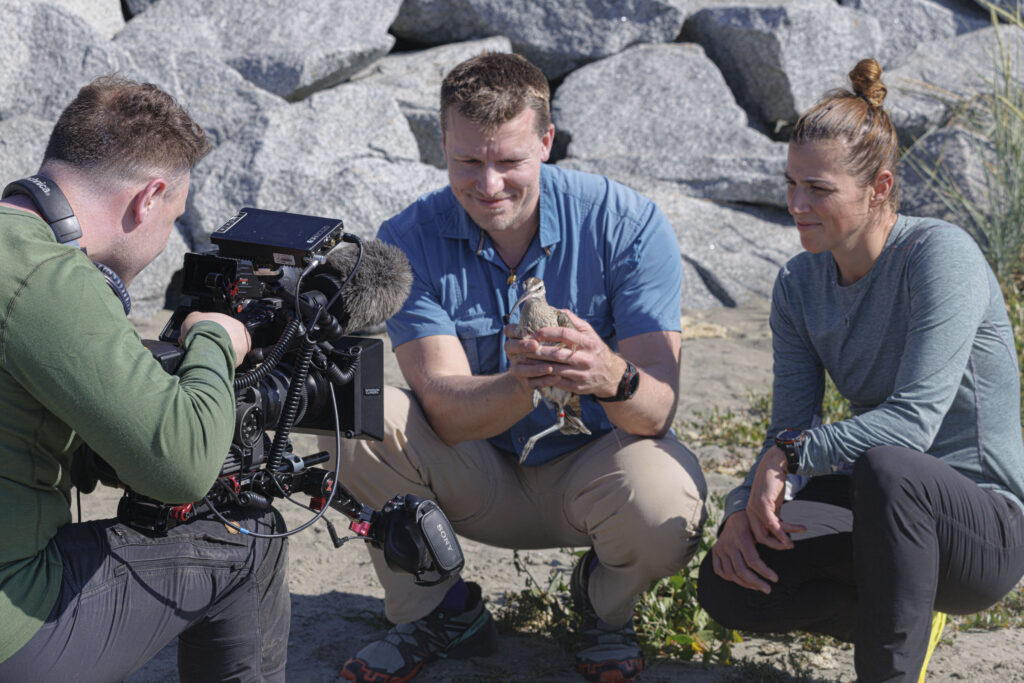
A comprehensive study published in Wildlife Monographs supports that regulated trapping benefits extend beyond fur harvest and highlights the efforts made to ensure wildlife trapping is more humane. The authors note that contemporary trapping programs are closely tied to harvest monitoring and population management, making them an integral component of science-based wildlife conservation in North America. Wildlife agencies use trapping to relocate animals, protect endangered species, restore habitats, reduce human-wildlife conflicts, protect agricultural production and safeguard the public. Populations of sea turtles, Atlantic puffins (Fratercula arctica) and whooping cranes (Grus americana) have benefited from trapping by removing predators.
Some of the bans and muddling between farmed furs and wild furs may come from public misconceptions. While trapping awareness appears to be increasing in some states and disapproval to be declining, there seem to be misconceptions that endangered species are used for furs.
Peek and Albers agree that even in the private sector, furs are usually a byproduct of reducing human-wildlife conflict, such as beavers causing flooding or property damage. “Two-thirds of trappers are contacted every year about nuisance work,” Albers said. “Most of their trapping is because someone has called them with a problem.”
Trapping primarily for fur continues to have low approval ratings, according to a phone survey of 600 residents of Connecticut, Indiana and Wisconsin, yet trapping for ecological, damage control or food purposes was over 50% and as high as 90%. The findings suggest that public support may depend on how trapping is framed, reinforcing arguments that voters and shoppers should understand the different purposes trapping serves before broad restrictions are presented.
“The public deserves an honest opportunity to make an informed decision,” Peek said.
Wildlife biologists argue that this distinction is often lost in public conversations surrounding fur. While the debate frequently centers on whether people should wear fur, many of the animals are being trapped and killed regardless of whether the pelt is sold or not. Some feel that it is best to make the most of the animals that are going to be killed. Simply killing an animal for a conflict with humans and discarding it doesn’t increase their value, and some perceive it as decreasing wildlife to pest status.
For wildlife professionals, the conversation is ultimately about balancing conservation with practical management. As legislation, marketplace policies and public opinion continue to evolve, the future of trapping will likely be shaped by more than science alone. The challenge is ensuring that decisions about fur and trapping are informed by scientific evidence that ensures sound wildlife management and policy.
The Wildlife Society recognizes that regulated trapping can be an effective and ecologically sound practice of selectively taking furbearers. Lethal and non-lethal trapping is a key technique used in wildlife research and management. Read more about TWS’s position here.
Article by Kaylyn Zipp