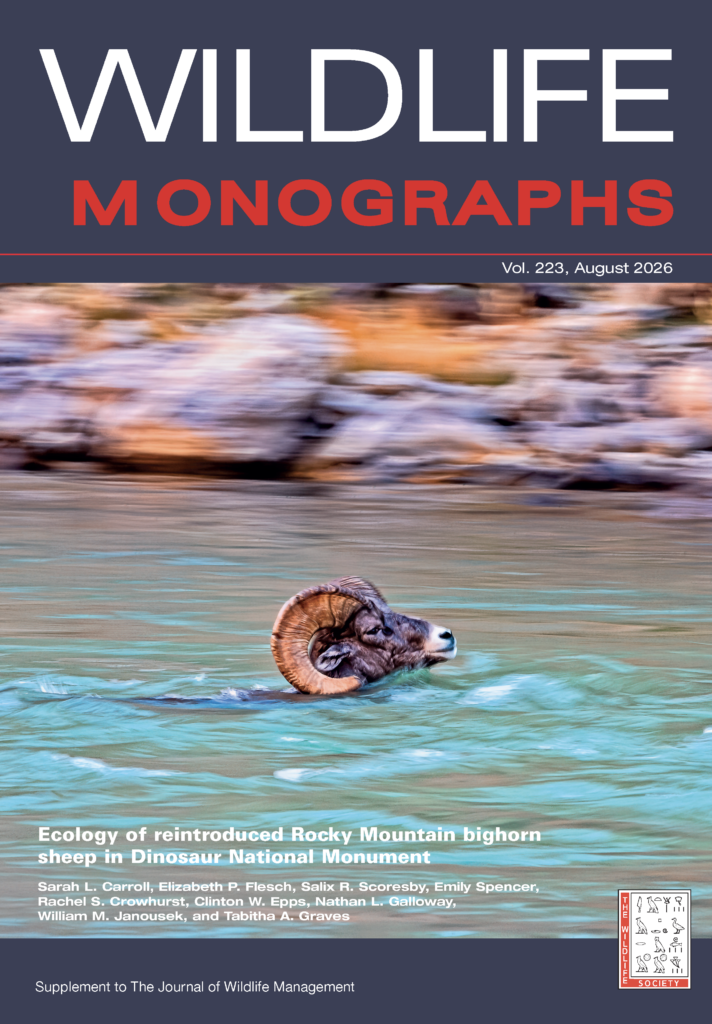



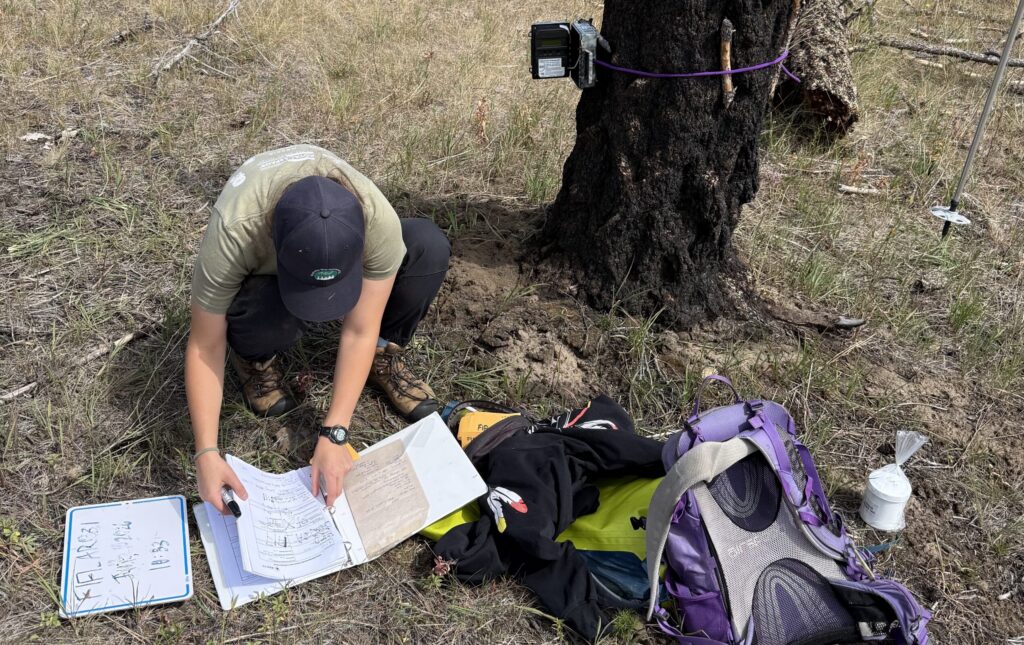
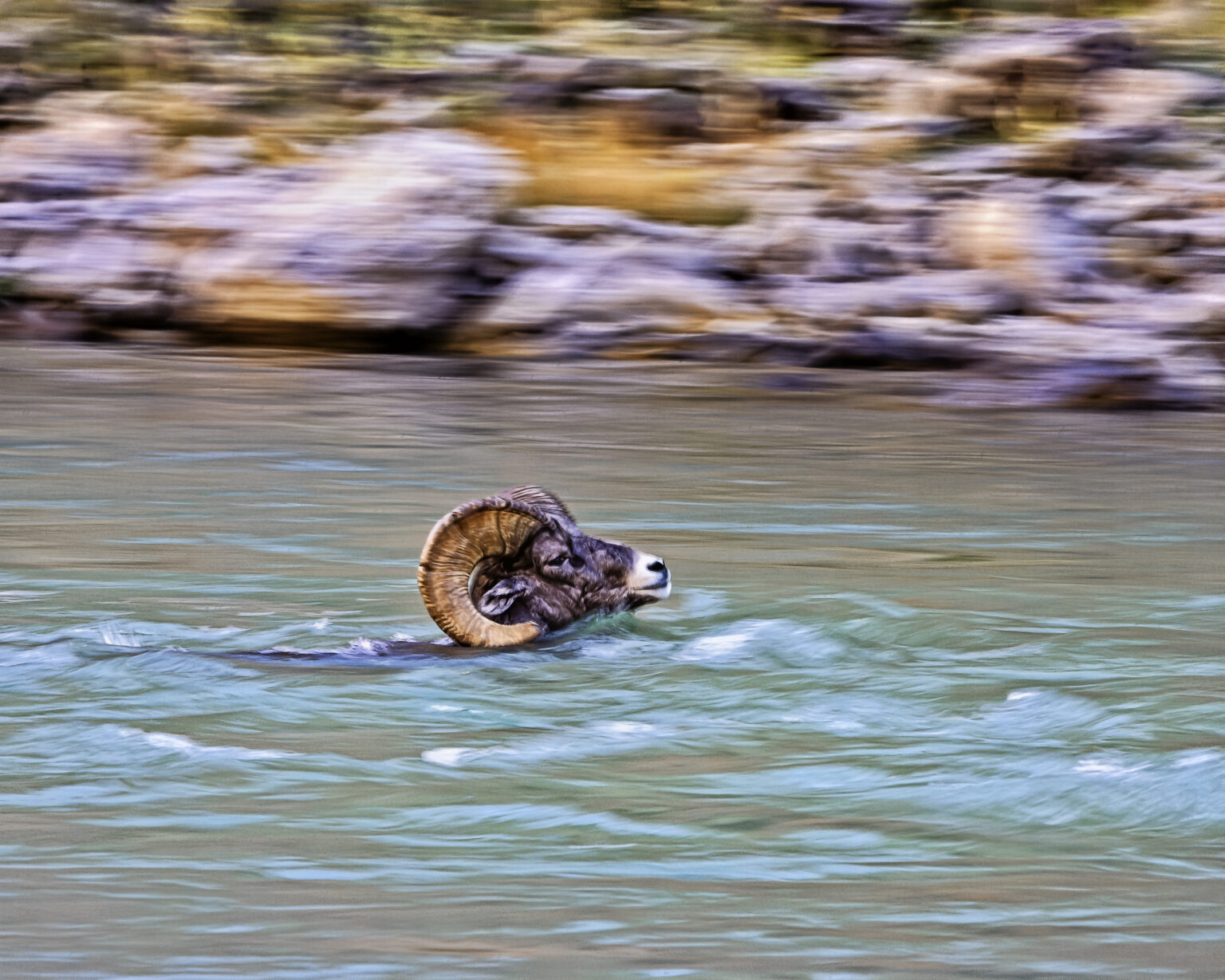
A Rocky Mountain bighorn sheep population in Dinosaur National Monument that was restored as a result of translocations that began over 70 years ago faces threats of habitat connectivity and pneumonia. Wildlife managers have conducted a number of translocations to conserve Rocky Mountain bighorn sheep (Ovis canadensis canadensis) in North America, including the population researchers were studying at the national monument in Colorado and Utah. In a study published in Wildlife Monographs, a team of researchers looked at GPS radio collar data, genetic samples and health evaluations from 2006 to 2020 to determine how the population was doing. They found that bighorn sheep movement may be limited due to rivers and human disturbance. In addition, they uncovered long-term challenges of sheep contracting Mycoplasma ovipneumoniae. However, the team did find some positive news, including high genetic diversity in the population compared to other reintroduced and native populations. The research team hopes their findings inform conservation and management of Rocky Mountain bighorn sheep populations.
Read the study in Wildlife Monographs here.