

The invisible barriers that separate woodland caribou herds that look the same and eat the same things may actually be the vestiges of a lost landscape.
New genetic analysis has revealed that the different woodland caribou populations of western Canada are relics of the last Ice Age, when real glacial boundaries divided herds on the landscape.
“This gives us a window into the true population structure of caribou in Alberta and [British Columbia],” said Samuel Deakin, a postdoctoral researcher in ecology at the University of Calgary.
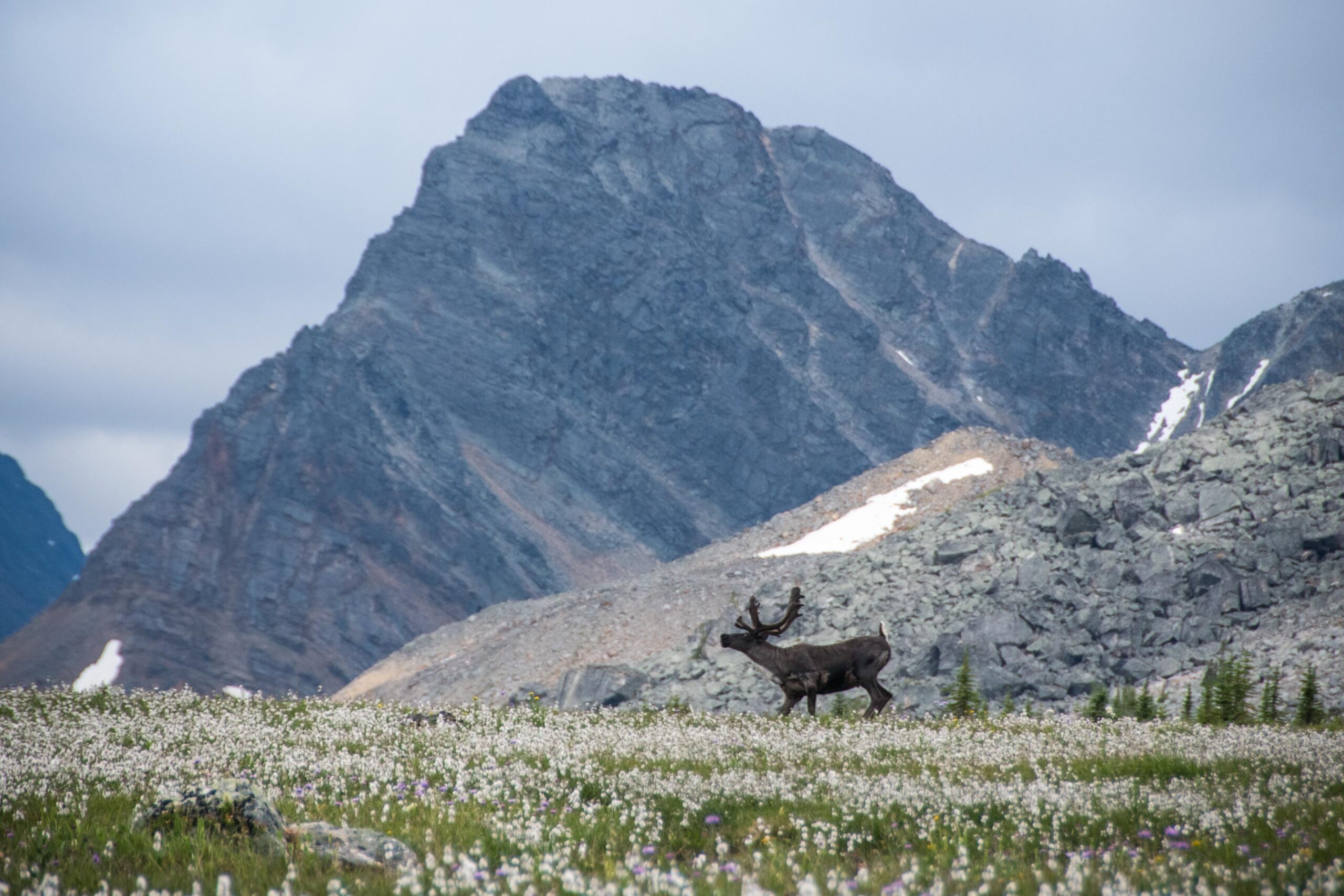
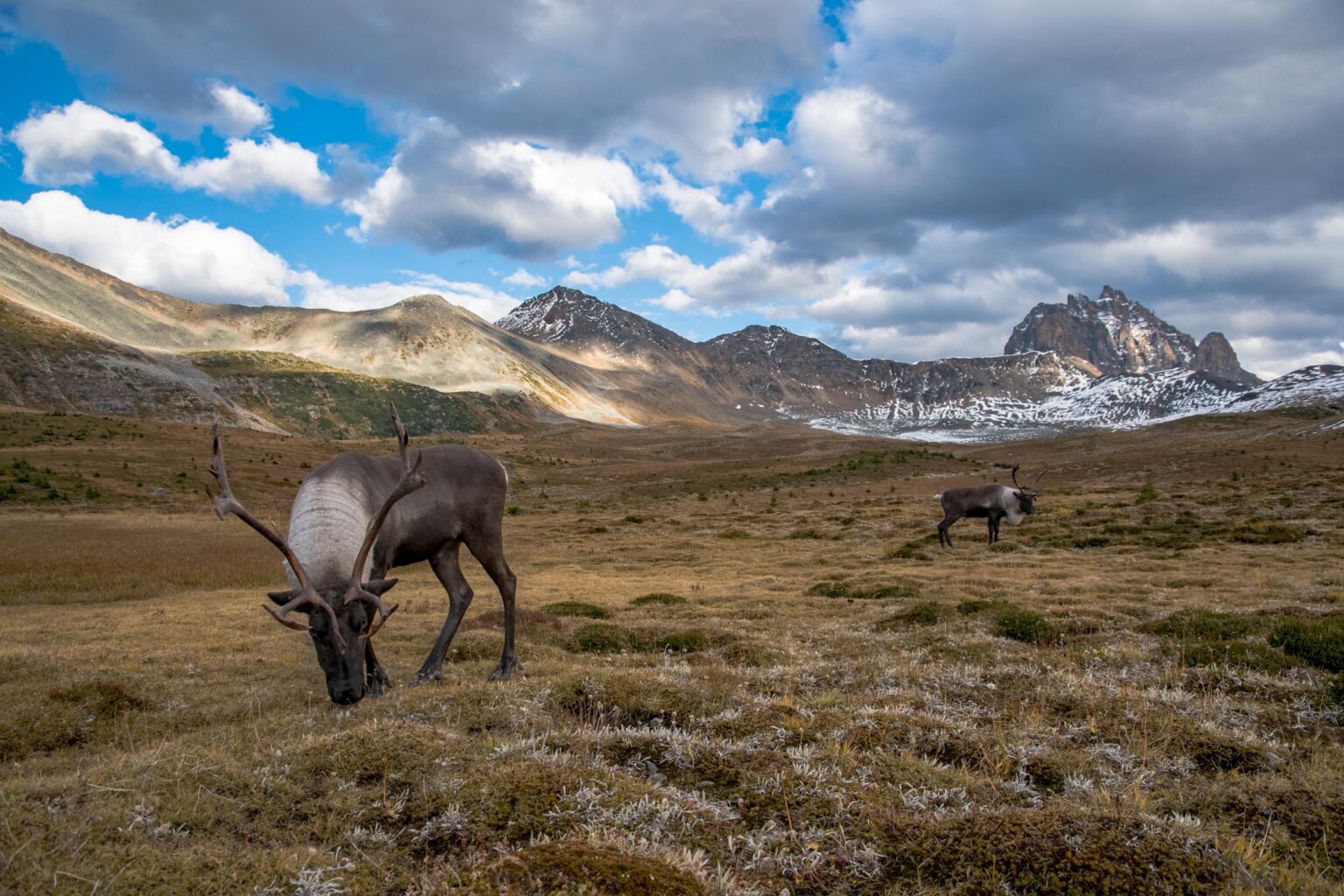
Scientists have classified woodland caribou (Rangifer tarandus caribou) as different herds in the region for years. These herds behave differently from one another sometimes, and while some interbreed, others don’t. The structure of these populations is complex, leading to various names to divide them, like mountain woodland caribou and boreal woodland caribou, though not everyone agrees on these terms.
Researchers struggled to understand why these social boundaries persist. It’s an important question, Deakin said, as caribou across the continent have been declining—some populations quite rapidly. Understanding the drivers that define herds and populations is important for determining whether some require more protection under Canada’s Species at Risk Act. It could also help inform translocation and reintroduction efforts.
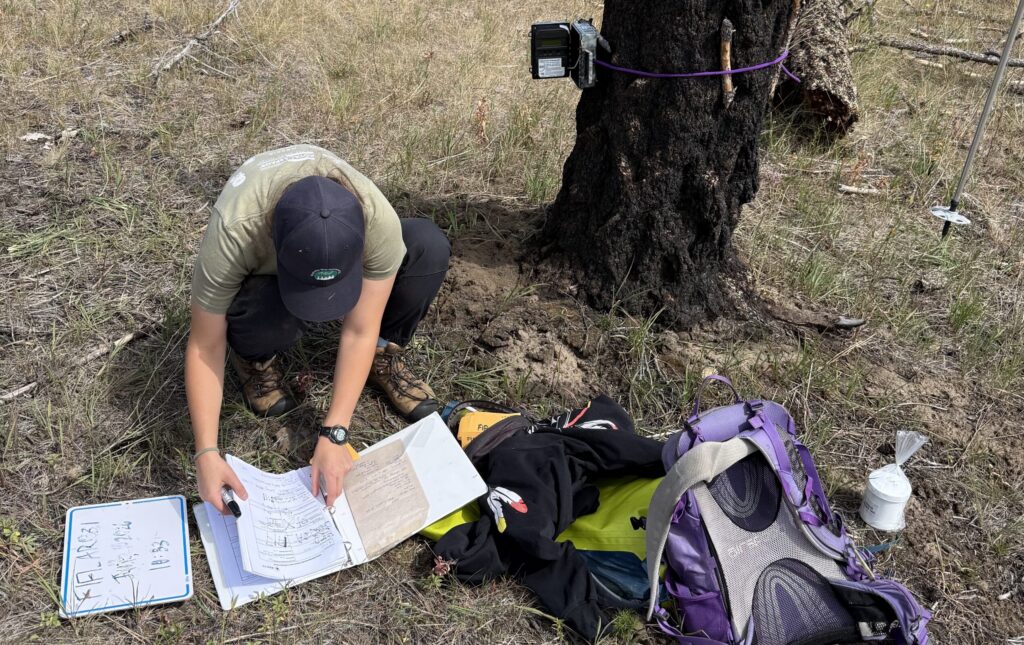
In a study published recently in Evolutionary Applications, Deakin and his colleagues analyzed the genetics of 759 woodland caribou from 45 pre-defined subpopulations in Alberta and British Columbia. Some genetic samples were taken from other research. The British Columbia samples were taken from 2018 to 2022, while the Alberta samples went as far back as 2007.
What are the genetic divisions of woodland caribou?
Analysis revealed genetic divisions at several layers of complexity. At the largest level, woodland caribou could be split into two distinct groups—those north of the Peace River and those south.
Deakin said that caribou north of the river stem from those that lived in the Beringian Refuge, a patch of land that wasn’t covered by ice sitting in present-day Alaska and Canada during the last glacial maximum, the period in the last Ice Age when ice cover reached its largest extent on the globe.
The southern group is descended from caribou that lived out the Ice Age mostly in ice-free regions in what’s today south of the Canadian border.
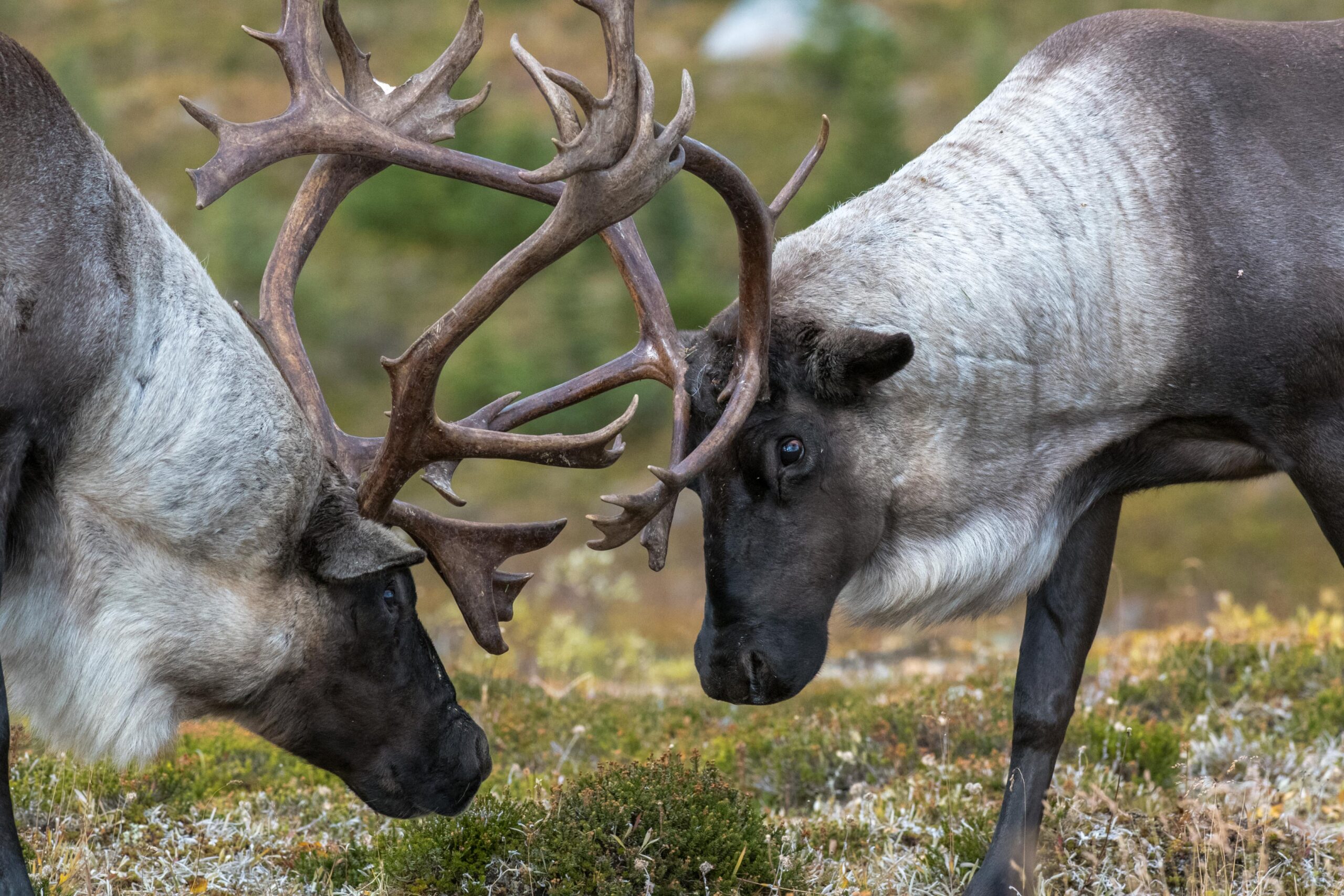
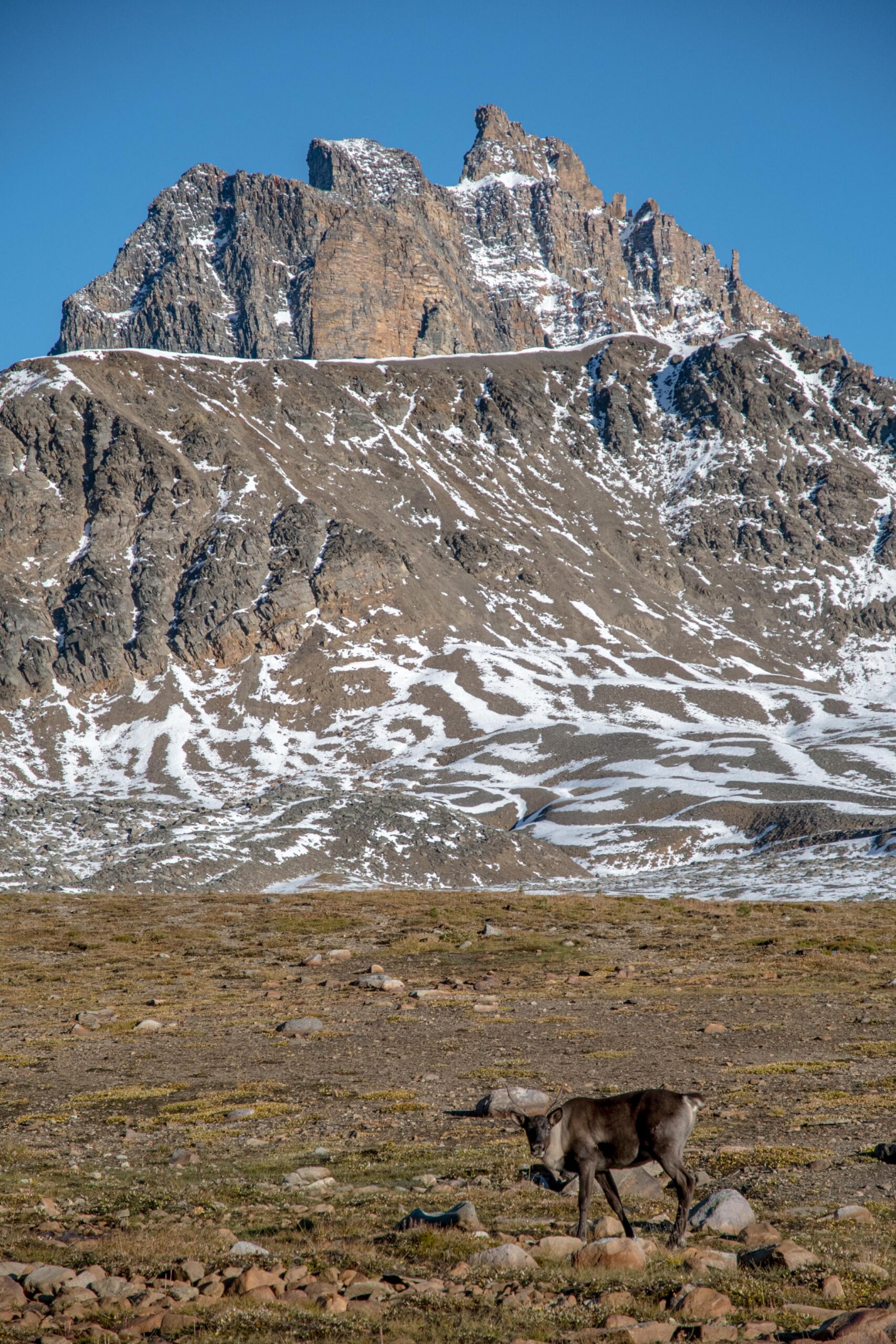
The genetics reveal a further division in the northern group, with the Rocky Mountain Trench dividing the northern group into east and west. The trench is a natural lowland between two mountain ridges—caribou don’t like to pass through it because it’s rife with predators and denser vegetation. “Caribou are specialized to live in the alpine,” Deakin said.
The southern group could be split three ways. One represents the caribou north of the Athabasca and Thompson River valleys but south of the Peace River. The other two are found south of the Athabasca and Thompson and split similarly to the north—those to the east and west of the continental divide.
What are Itcha-Ilgachuz caribou?
But stronger than either of these major divisions was an outlier group known today as the Itcha-Ilgachuz population. “This population has kind of been a bit of an anomaly forever,” Deakin said.
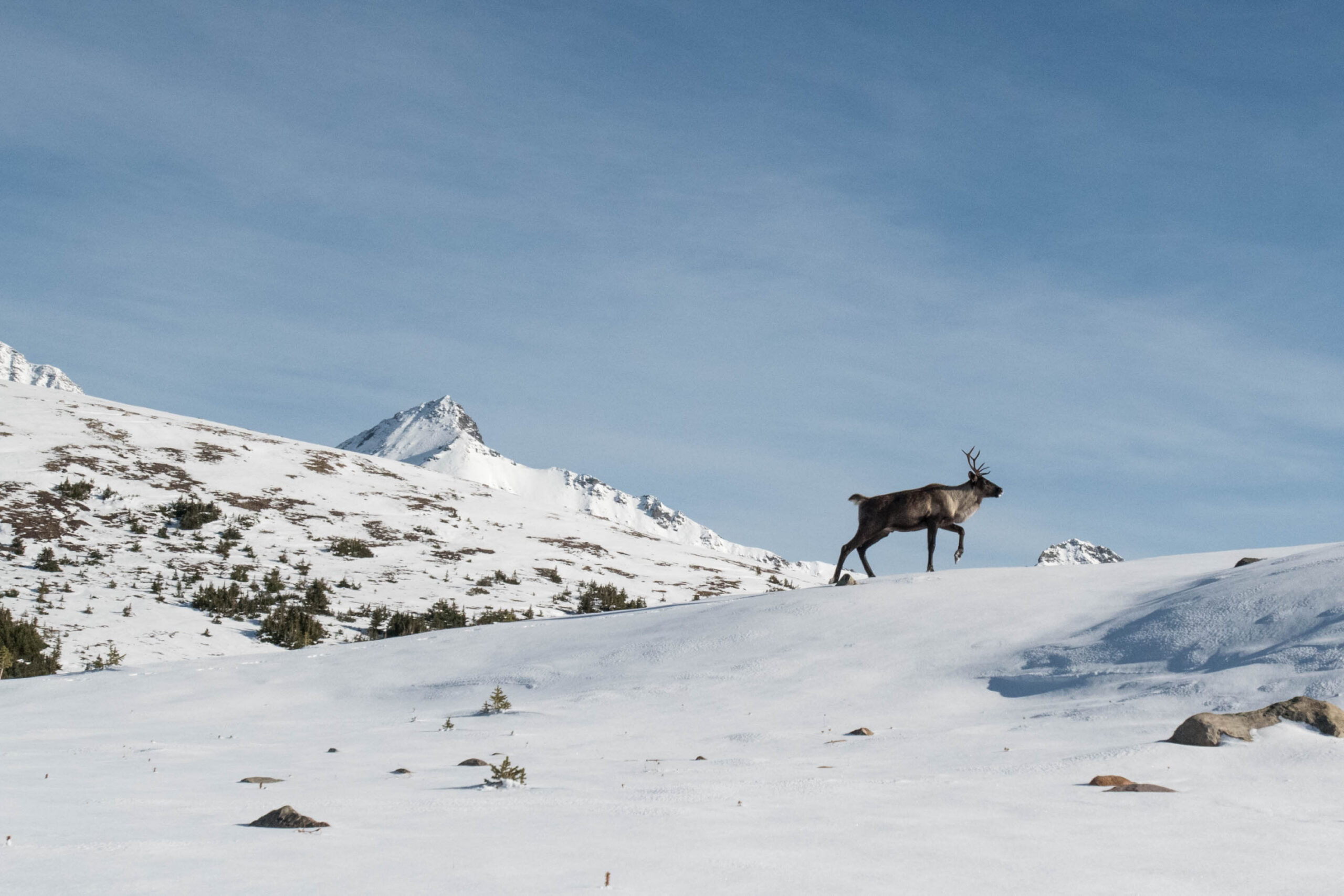
The Itcha-Ilgachuz caribou are typically isolated from the other two major groups in northern and central-western British Columbia, only occasionally intermingling with the Tweedsmere Herd of the northern group—at least in appearance. They may sometimes forage together or cross paths, but the genetics show that while the Tweedsmere Herd occasionally adopts an Itcha-Ilgachuz animal, the opposite doesn’t seem to occur.
Deakin said the researchers still aren’t sure why the Itcha-Ilgachuz herd is so different from the others—this study leaves more questions than answers in that sense.
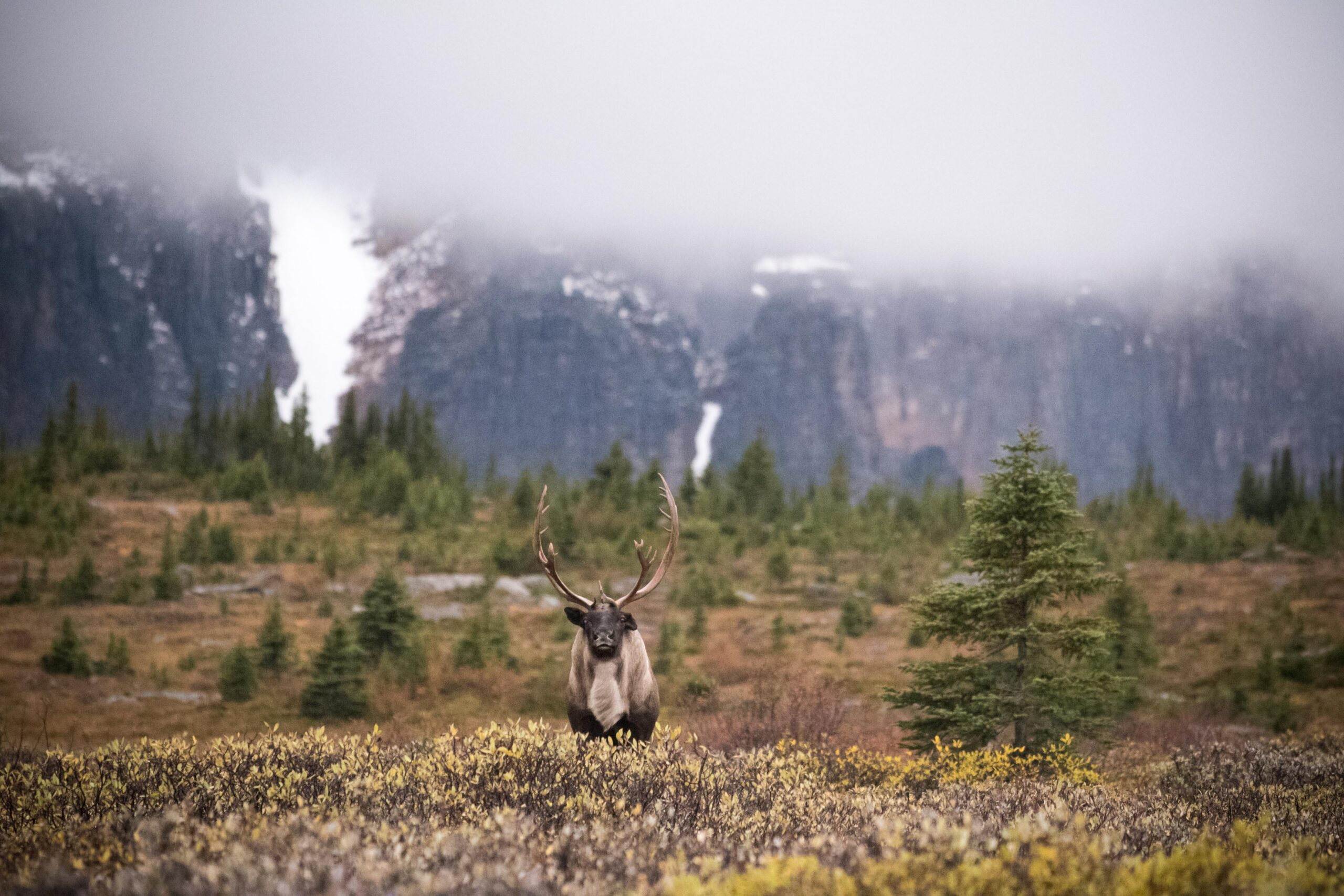
The genes also revealed that the Banff Herd, which was extirpated in 2014, wasn’t that different from the Jasper Herd. The Jasper Herd is also in trouble, with only 50 to 60 individuals left. Both of these populations are part of the larger southern group east of the continental divide.
Overall, a better understanding of these populations can help wildlife managers make conservation decisions. The knowledge of which caribou are similar can guide decisions when translocating animals or considering the source of captive-bred caribou destined for reintroduction, Deakin said. A recent companion paper the team published looks closer at some of these genetic bottlenecks.
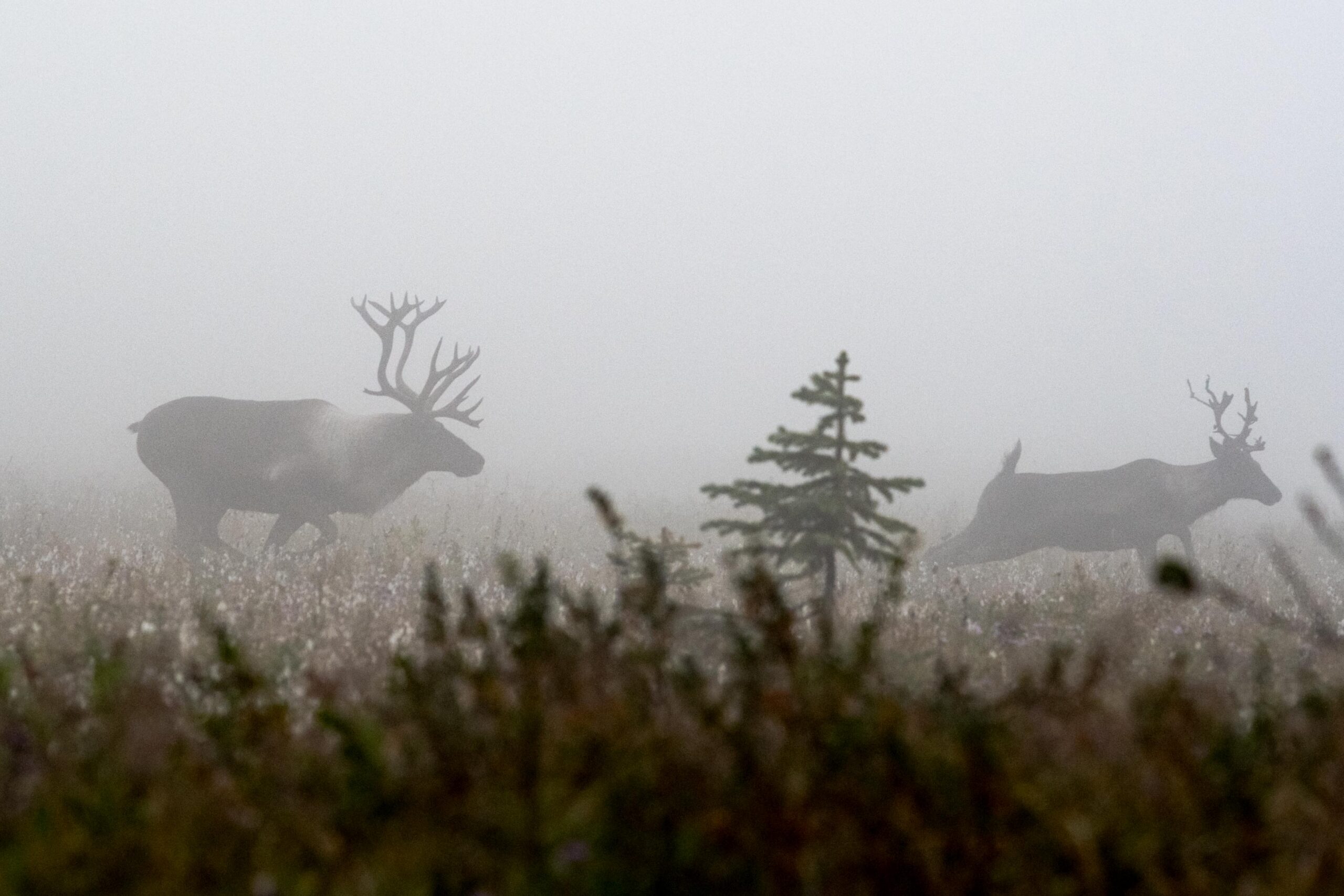
This photo essay is part of an occasional series from The Wildlife Society featuring photos and video images of wildlife taken with camera traps and other equipment. Check out other entries in the series here. If you’re working on an interesting camera trap research project or one that has a series of good photos you’d like to share, email Josh at jl****@******fe.org.
This article features research that was published in a TWS peer-reviewed journal. Individual online access to all TWS journal articles is a benefit of membership. Join TWS now to read the latest in wildlife research.
Article by Joshua Rapp Learn