

Gray foxes are declining across Indiana, likely due to disease and the highly fragmented landscape in most of the state.
“Trappers were the first to sound the alarm,” said TWS member Tim Hiller, executive director and founder of the Wildlife Ecology Institute, a nonprofit research and education organization.
The problem isn’t restricted to Indiana, Hiller said. Researchers at a furbearer workshop from surrounding states like Ohio, Illinois and Iowa were talking about the problem several years back, but nobody could get funding secured for a multistate survey. Hiller received funding from the Indiana Department of Natural Resources (IDNR) and other sources for a comprehensive project on gray foxes (Urocyon cinereoargenteus) in the state.
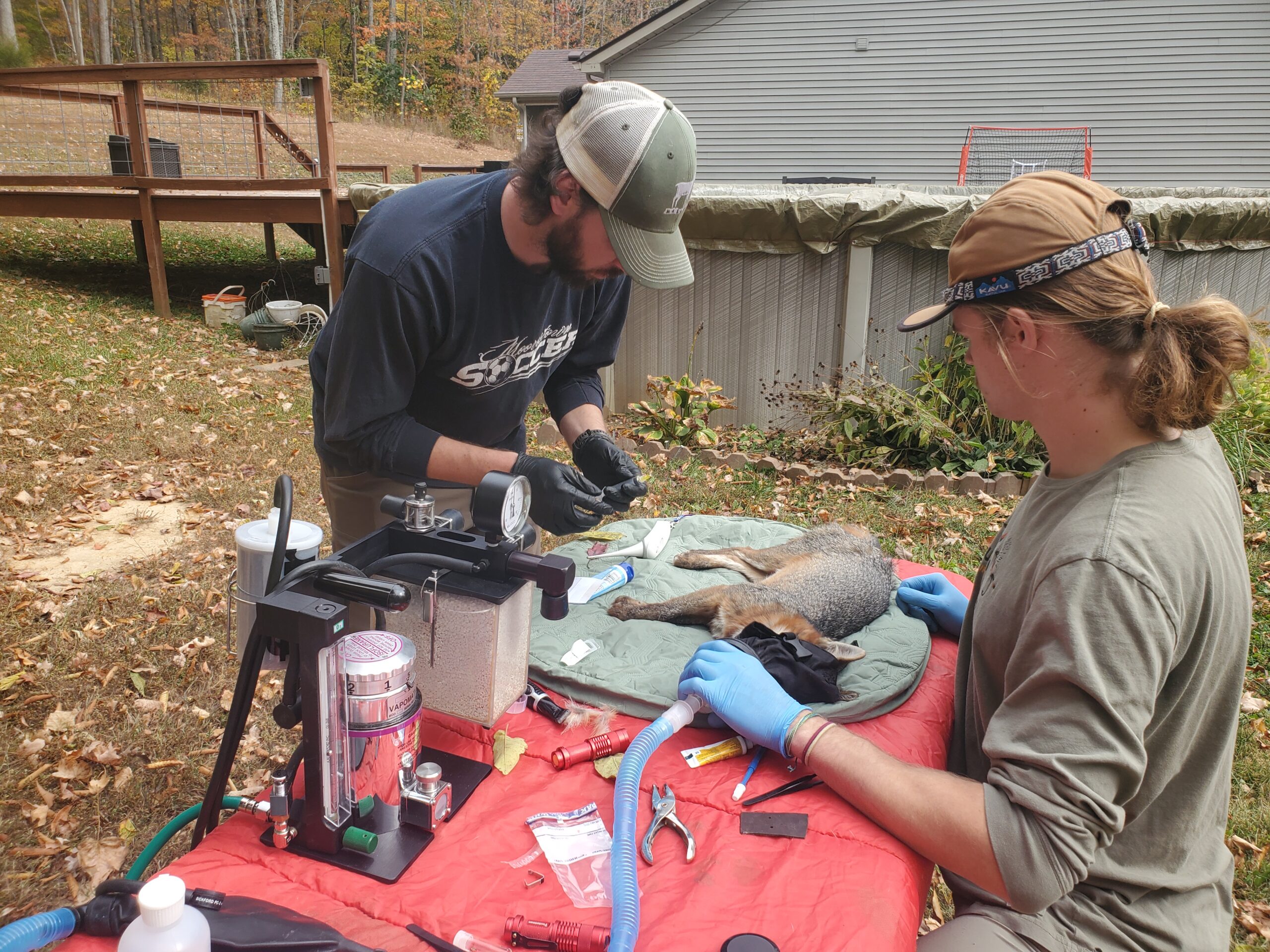
In a study published recently in Wildlife Monographs, Hiller and his team, which included researchers from Luther College in Iowa and the IDNR, sought to understand, among other things, gray fox survival, reproduction and how the canids used the land and resources.
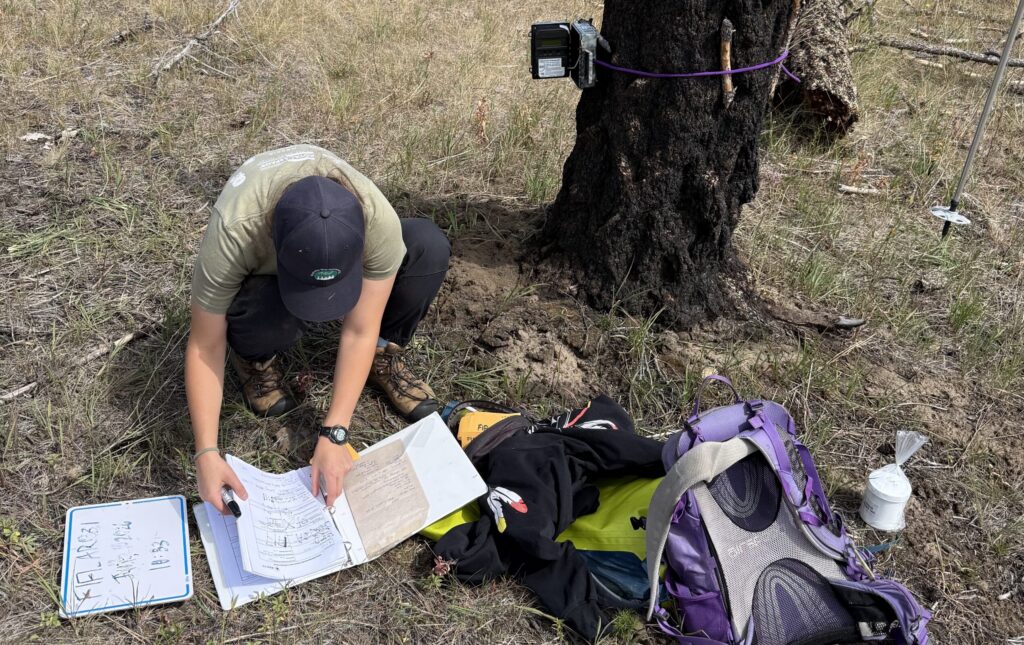
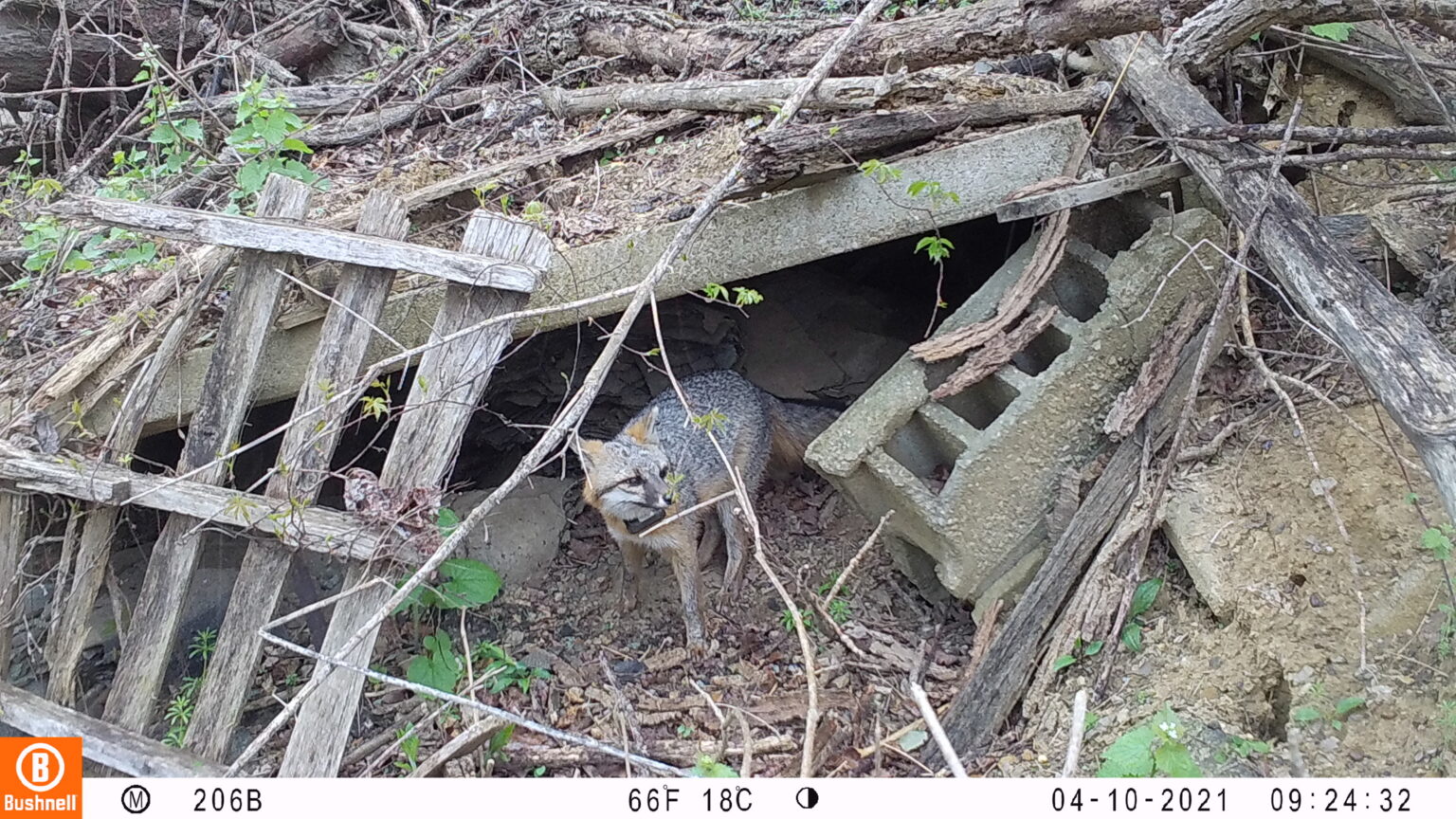
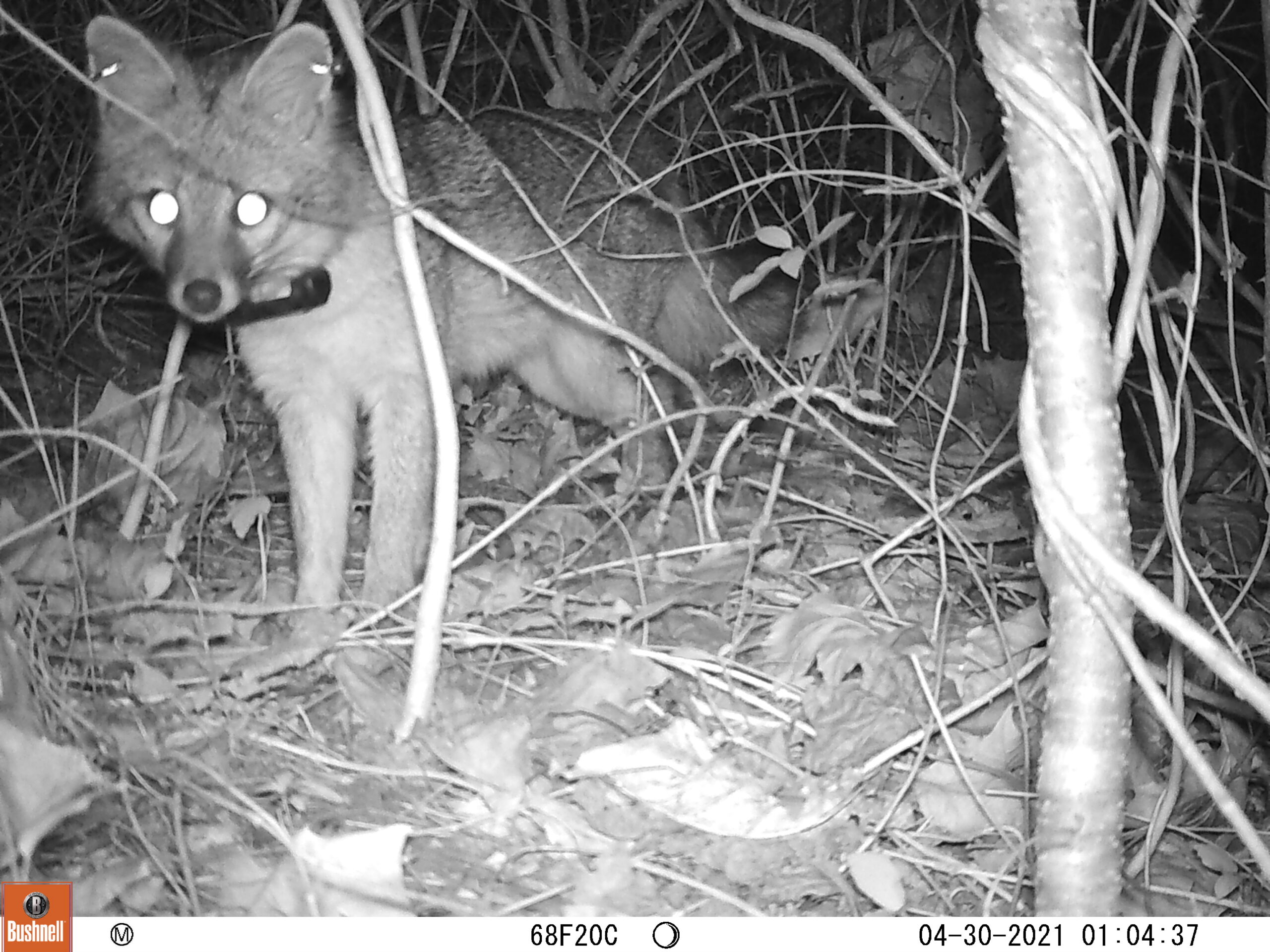
They collared 26 foxes with GPS devices in 2021 and continued partway through 2023 at study areas in southern and central Indiana. They also set up trail cameras on six den sites used by some of the collared animals and collected biological samples from 74 gray fox carcasses, mostly from trappers the team worked with.
Gray foxes stick to southern Indiana
Right from the beginning, the central region of the state gave the team trouble. They only managed to capture one fox in the area to collar, which was an indication, albeit imprecise, of the low number of foxes in an area dominated by farms and other private lands. “Most of our data collected on foxes was from southern Indiana,” Hiller said, adding that they also didn’t collect many carcasses from trappers in central Indiana.
Most of the data came from the more forested southern part of Indiana. They found that the home ranges of foxes there were relatively large, but their genetic health was good. “In that sense, they seem to be dispersing throughout the state,” Hiller said, adding that the genetics didn’t show any isolated populations in Indiana. There also didn’t appear to be genetic differences between Indiana gray foxes and those from neighboring states.
These home ranges were much larger than those reported for the species in other states in previous studies, Hiller said. Part of the problem in Indiana is that many of the forested sections were patchy, meaning foxes might have to travel farther while foraging.
But the foxes aren’t deep forest specialists. They seem to prefer forest edges, hanging out near agricultural areas without directly using them. “They were using areas near roads more often,” Hiller said, but they tended to avoid high-traffic roads.
They also didn’t shy away from humans, even using food sources either purposefully or unintentionally provided by humans. “They are probably eating out of dog food bowls and things like that,” Hiller said. He speculated that foxes spending more time near humans might be an effort to use humans as a shield against larger mesocarnivores that might chase them off or try to kill them, such as coyotes (Canis latrans) or bobcats (Lynx rufus).
The team also checked the carcasses of female foxes for placental scars, from which they could determine roughly how many pups they’d given birth to. This revealed what might be another reason for declining numbers. “Adult females should be in reproductive prime, but they were having low reproductive rates,” Hiller said.
The team is finalizing other data on disease for publication, but preliminary work shows canine distemper is likely a factor in deaths—half of the animals with radio collars died from it, and some carcasses tested positive as well. He said that foxes may be more susceptible to this disease in Indiana due to their larger home ranges, which means they are more likely to cross paths with raccoons (Procyon lotor), a common vector for the canine distemper.
Overall, more work is needed to understand the reasons for gray fox population declines in the Midwest, the researchers said. But Hiller suspects that habitat fragmentation is also playing a big role, in which case improving forest cover and changing forestry practices might help the species. These efforts could also help boost numbers of other declining species like ruffed grouse (Bonasa umbellus) and northern bobwhite (Colinus virginianus) in the region.
This article features research that was published in a TWS peer-reviewed journal. Individual online access to all TWS journal articles is a benefit of membership. Join TWS now to read the latest in wildlife research.
This photo essay is part of an ongoing series from The Wildlife Society featuring photos and video images of wildlife taken with camera traps and other equipment. Check out other entries in the series here. If you’re working on an interesting camera trap research project or one that has a series of good photos you’d like to share, email Joshua at jl****@******fe.org.
Article by Joshua Rapp Learn