
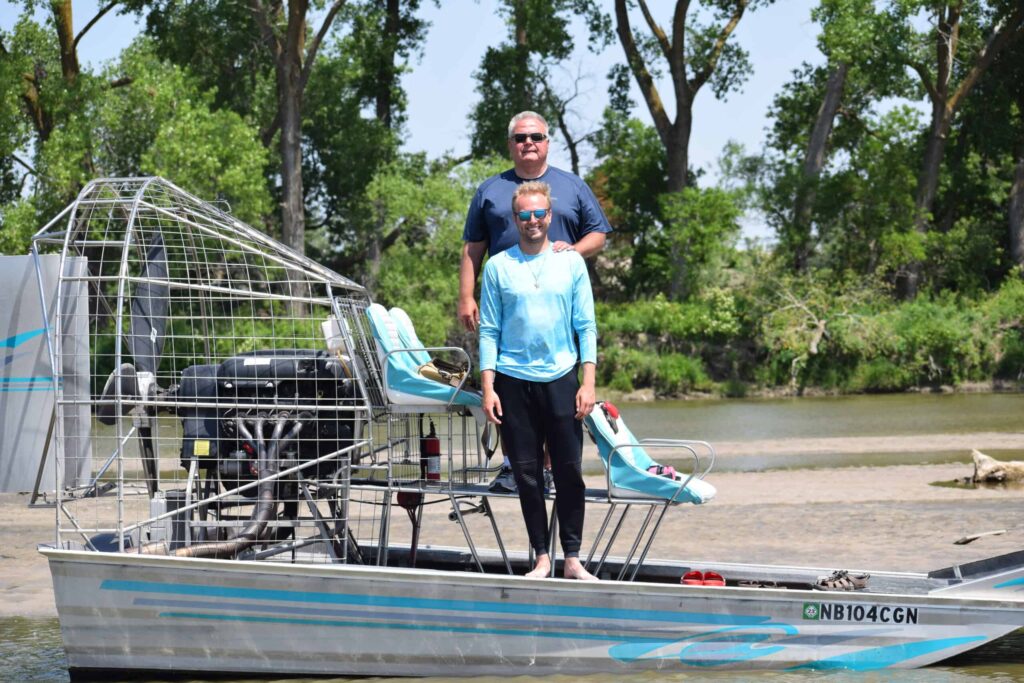


The Wildlife Society has award fellowships to 10 wildlife professionals for 2025. The Wildlife Society gives TWS Fellows Awards each year to individuals who have “distinguished themselves through exceptional service” to the profession and have been members of the Society for at least 10 years.
The new fellows will be recognized at the 2025 Annual Conference in Edmonton, Alberta.
Larissa Bailey
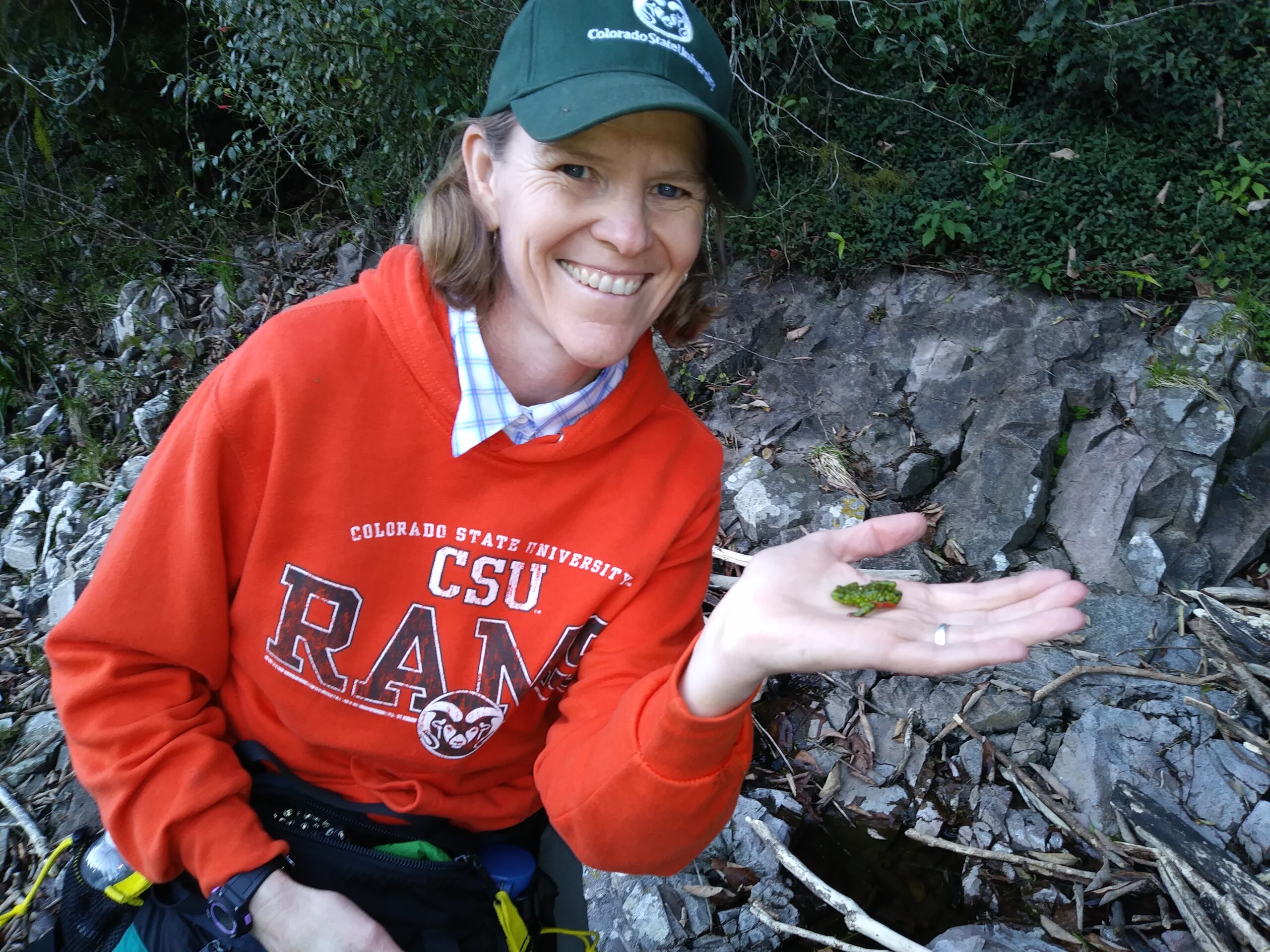
Larissa Bailey is an associate professor at Colorado State University whose research has advanced amphibian conservation. She has co-authored over 120 publications and the influential book Occupancy Estimation and Modeling and has been the de facto science advisor to the Southern Rocky Mountain Boreal Toad Conservation Team for close to two decades. A dedicated mentor, Bailey has guided dozens of students and professionals across academia and wildlife agencies. She is also a board member of the Biometrics Working Group and faculty advisor to the Colorado State University Student Chapter. Bailey has previously been awarded the Biometrics Working Group’s Award of Excellence and the Douglas L. Gilbert Award for Outstanding Achievements in Wildlife Science from the Colorado Chapter.
Alex Beatty
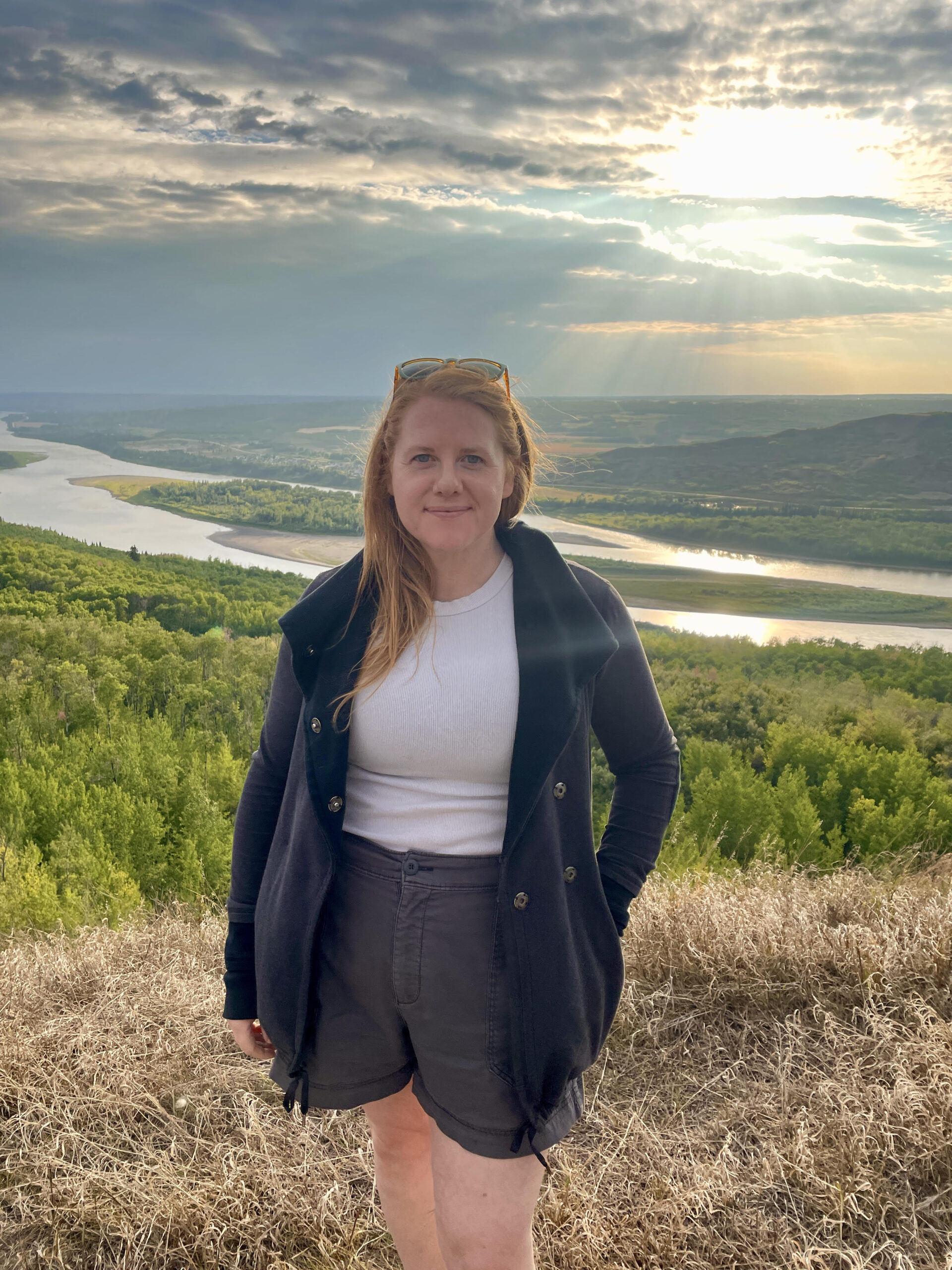
Alex Beatty is the Liard Regional Biologist for the Yukon Government, based out of Watson Lake, Yukon. Beatty primarily focuses on monitoring fish and wildlife species that are locally harvested, including large mammals and freshwater fish. This work also includes assisting in co-management planning for key species with Yukon First Nations. As an undergraduate, she served as the vice president and webmaster for the University of Alberta Student Chapter. After graduating, Beatty joined the executive board for the Alberta Chapter of The Wildlife Society, where she held multiple leadership roles, including secretary-treasurer and president. Following her participation in the TWS Leadership Institute Class of 2023, Beatty is now the president of the Canadian Section of TWS.
Jeffrey Beck
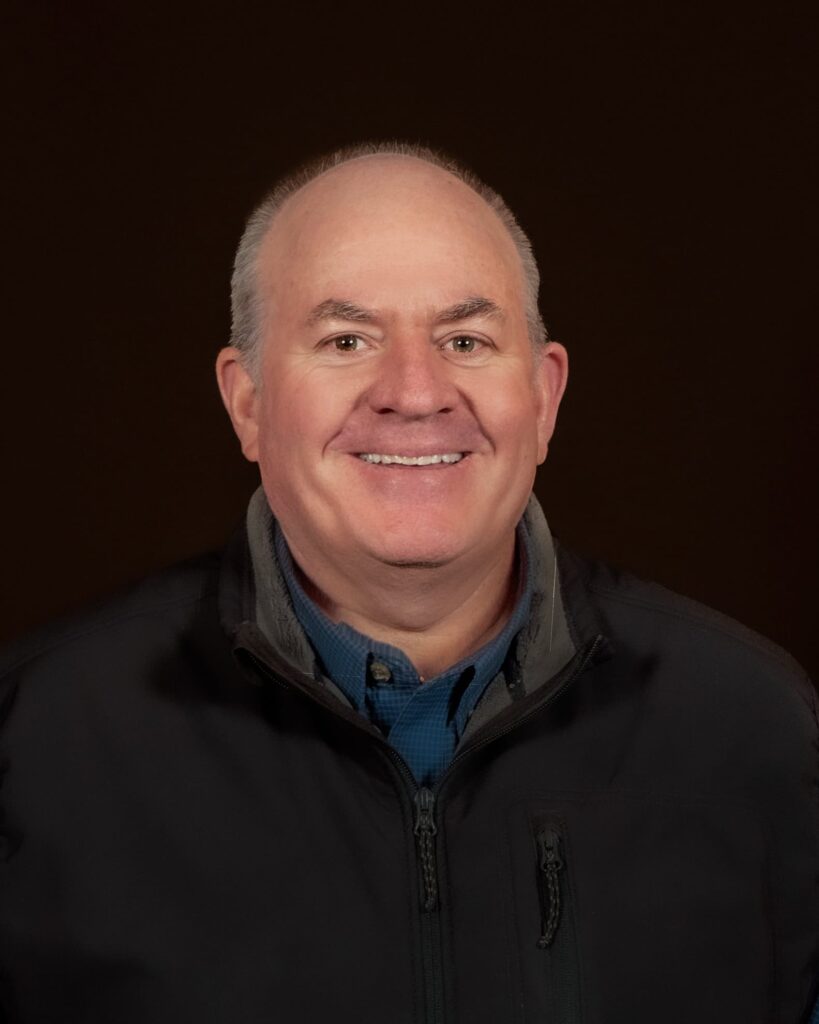
Jeffrey Beck is a professor of wildlife habitat restoration ecology at the University of Wyoming. His award-winning research on sage-grouse ecology has influenced state and federal policy, including the U.S. Bureau of Land Management’s final Resource Management Plan for the greater sage-grouse (Centrocercus urophasianus). A prolific mentor, he has guided 18 graduate students as their primary advisor. He’s collaborated with a wide range of stakeholders and developed research projects resulting in 125 publications, 32 of which were published in TWS journals. In 2024, his Wildlife Monograph on greater sage-grouse response to sagebrush reduction treatments received the award for best monograph by the TWS Publication Awards. Since his days as an undergraduate, Beck has been involved in TWS, including the Rangeland Wildlife Working Group for nearly two decades and reviewing 23 manuscript submissions to TWS journals.
James Cain
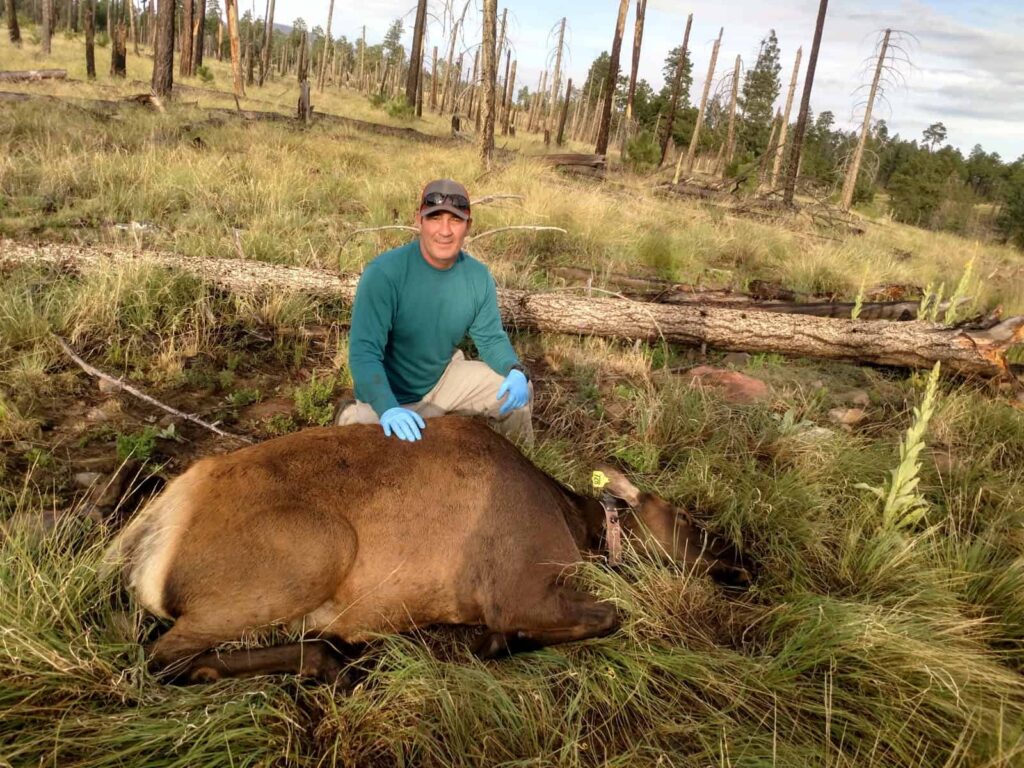
James Cain is the Unit Leader of the U.S. Geological Survey’s New Mexico Cooperative Fish and Wildlife Research Unit and an affiliate professor at New Mexico State University. His research includes the effects of fire on ungulates and carnivores, desert bighorn sheep (Ovis canadensis nelsoni) lambing and foraging, Mexican wolf (Canis lupus baileyi) reintroduction and mule deer (Odocoileus hemionus) migration. He also serves on the local project action committee of the Rocky Mountain Elk Foundation and the advisory board of the Habitat Stamp Program Citizen Advisory Committee. He has authored over 78 peer-reviewed publications, secured over $8 million in research funding and received 17 awards, fellowships and scholarships. Cain has served in various capacities within TWS, including president of both the New Mexico Chapter and Southwest Section. Most recently, he helped plan the Joint Annual Meeting of the Arizona and New Mexico Chapters and is actively involved in collaborations with TWS’ Mexico Chapter.
John Eadie
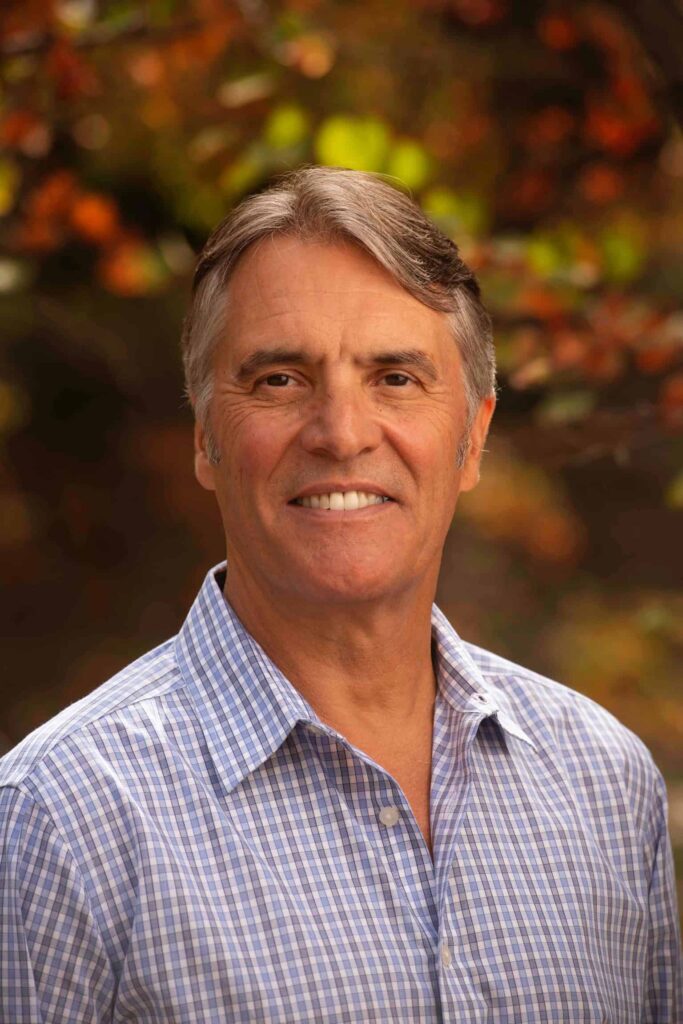
John Eadie is a distinguished professor at the University of California, Davis, and the D.G. Raveling Chair of Waterfowl Biology Emeritus. During his tenure, he has taught thousands of students with a focus on immersive field and lab experiences and researched wetlands, waterfowl and cavity-nesting ducks. His work resulted in 130 peer-reviewed publications that have been cited more than 6,000 times. Eadie was also the only U.S. academic that was invited to help implement the North American Waterfowl Management Plan, serving on a Joint Task Group whose mission was to link harvest and habitat management in establishing conservation goals for North American waterfowl. Eadie also advised the UC Davis Student Chapter for nearly 10 years and served as an associate editor for The Journal of Wildlife Management and Wildlife Society Bulletin from 2004 to 2005.
Kelly Fitzgerald-Holland
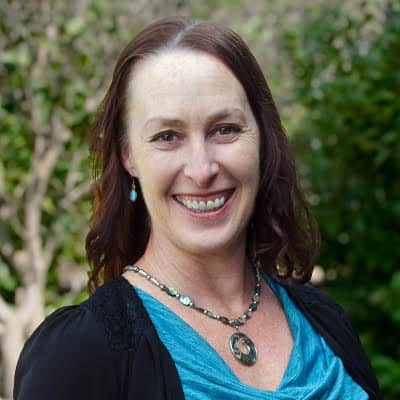
Kelly Fitzgerald-Holland is a senior wildlife biologist and environmental compliance expert at GEI Consultants in Sacramento, where she leads the biological resources team. She specializes in facilitating federal and state Endangered Species Act consultations, conducting impact analyses and assisting with habitat mitigation planning. Before working at GEI, she spent four years working for the U.S. Fish and Wildlife Service, conducting Endangered Species Act consultations and assisting with critical habitat designations and species reviews. She has also served in the National Park Service, the U.S. Forest Service and the Peace Corps. From 2019 to 2022, Fitzgerald-Holland served as the president of the Western Section. She has also served as the Conservation Affairs Committee Chair and Ombudsperson Program ad hoc Chair for the Western Section. She is the current co-chair of the TWS Certification Review Board.
Tyler Harms
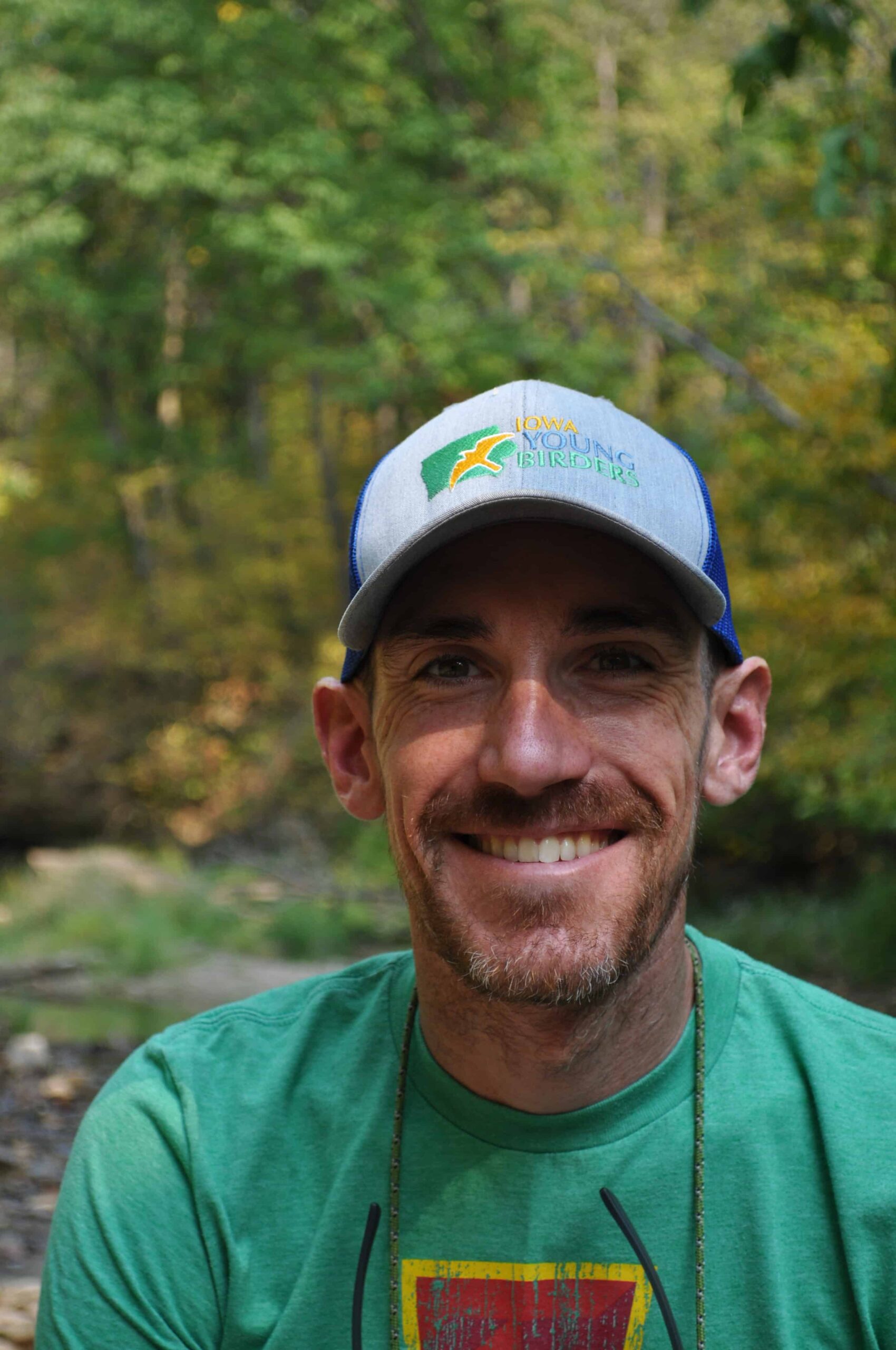
Tyler Harms is a wildlife research biometrician for the Iowa Department of Natural Resources, where he guides research, analysis and modeling to inform harvest management of white-tailed deer (Odocoileus virginianus) in Iowa. He is very active in the community, serving as executive director of Iowa Young Birders since 2014, an organization that fosters youth engagement in ornithology. Harms has held leadership roles with the Iowa Ornithologists’ Union, served as a board member for a chapter of Pheasants Forever, and volunteered on other conservation and outreach programs. A 2015 TWS Leadership Institute alumnus, he is an active mentor within TWS. He also served as president of the Iowa Chapter and North Central Section.
Robert Lonsinger
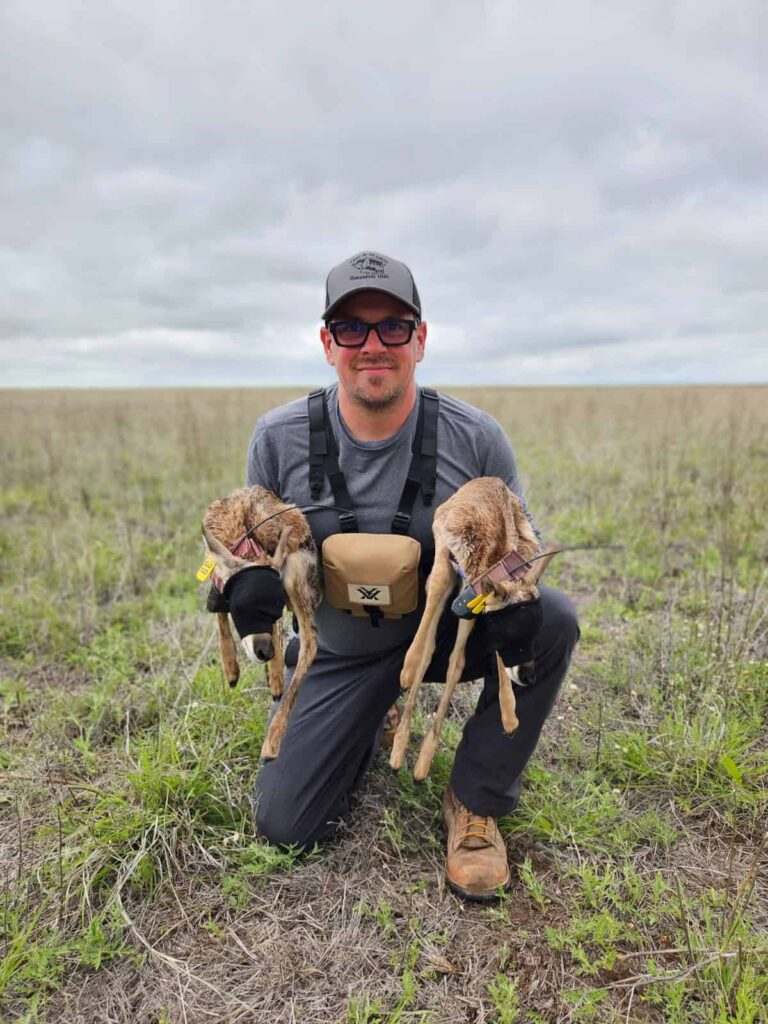
Robert Lonsinger is a federal research wildlife biologist and an Assistant Unit Leader of the U.S. Geological Survey’s Oklahoma Cooperative Fish and Wildlife Research Unit. He also serves as an adjunct associate professor in the Department of Natural Resource Ecology and Management at Oklahoma State University. His research focuses on applying quantitative methods to study carnivore ecology and predator-prey dynamics. An active TWS member over the last two decades, Lonsinger was one of the founding members of the Molecular Ecology Working Group and is actively engaged in other working groups. He is currently the faculty advisor to the Oklahoma State University Student Chapter and routinely brings his students to TWS conferences. A strong mentor, eight of Lonsinger’s students have received TWS awards or grants for their achievements. He has also served as an associate editor for the Wildlife Society Bulletin for the past five years.
Garth Mowat
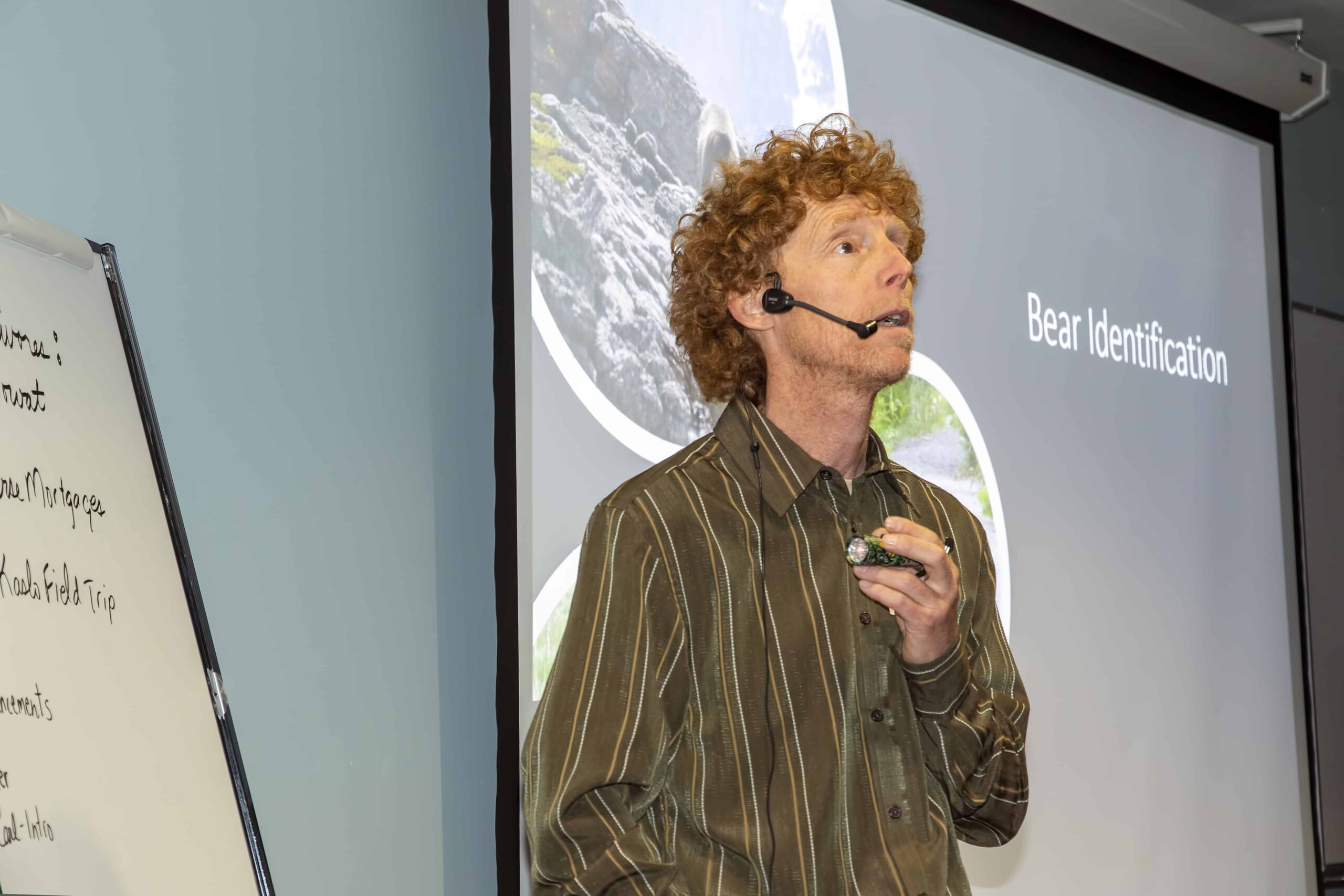
Garth Mowat is the Large Carnivore Specialist for the Province of British Columbia and an adjunct professor at the University of British Columbia Okanagan. He researches population dynamics of terrestrial carnivores, including brown bears (Ursus arctos), wolves (Canis lupus) and cougars (Puma concolor). An early adopter of genetic tools in wildlife research, Mowat conducted some of the earliest DNA-based grizzly bear estimates in western Canada. With 56 peer-reviewed publications—including 12 in TWS journals—he received the 2018 Journal Article of the Year Award for his research on human-grown fruit creating a death trap for grizzly bears. He has also served in leadership positions in the Canadian Section of TWS and the British Columbia Chapter since their inceptions. He was vice president of the Canadian Section and has been an active volunteer throughout the organizations.
Paige Schmidt
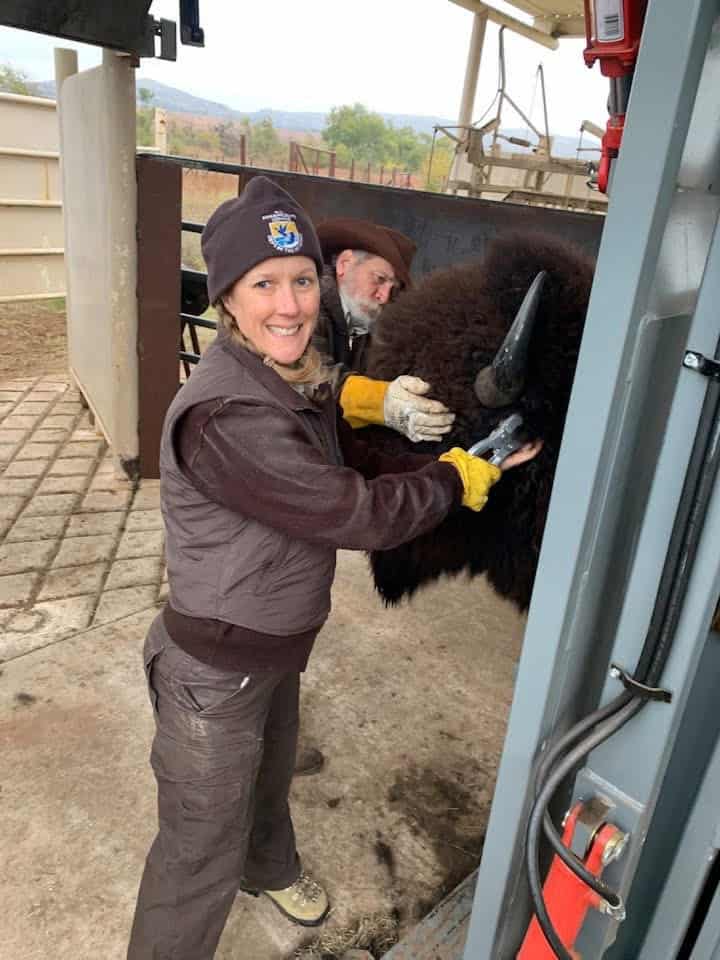
Paige Schmidt works for the U.S. Fish and Wildlife Headquarters in Science Applications and the Native American Program, where she serves as the Indigenous Knowledge Coordinator. In her current role, she evaluates how the USFWS provides financial assistance to Tribes. She has also played a key role in developing government-wide Indigenous Knowledge training and advancing Indigenous data sovereignty in natural resource policy and practice. Schmidt, who is a member of the Citizen Potawatomi Nation of Oklahoma, has served in numerous leadership positions within the Native Peoples’ Wildlife Management Working Group and focused on increasing the number of Indigenous wildlife biologists. She has held additional leadership roles within TWS, including as an associate editor of the Wildlife Society Bulletin and member of the Editorial Advisory Board for The Wildlife Professional for more than a decade.
Article by The Wildlife Society