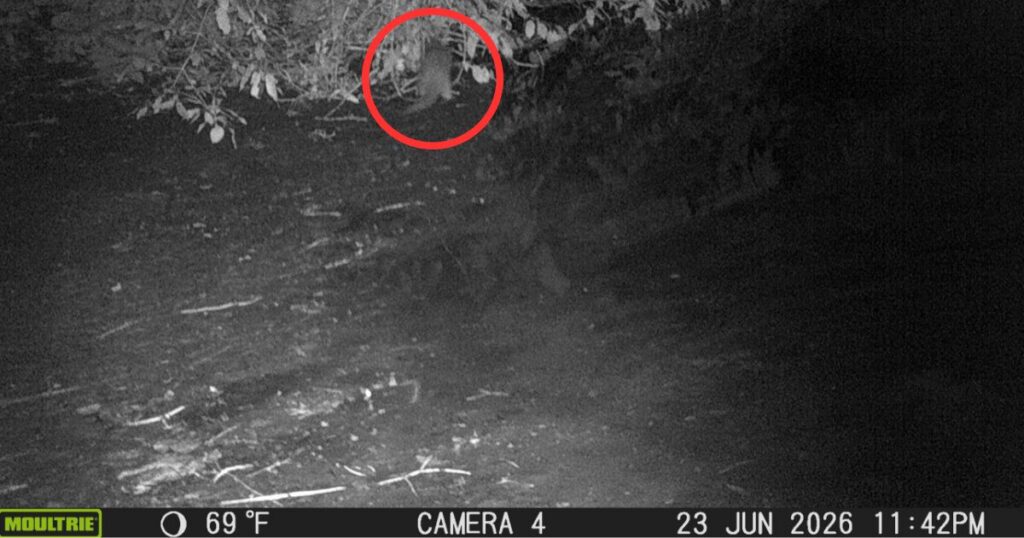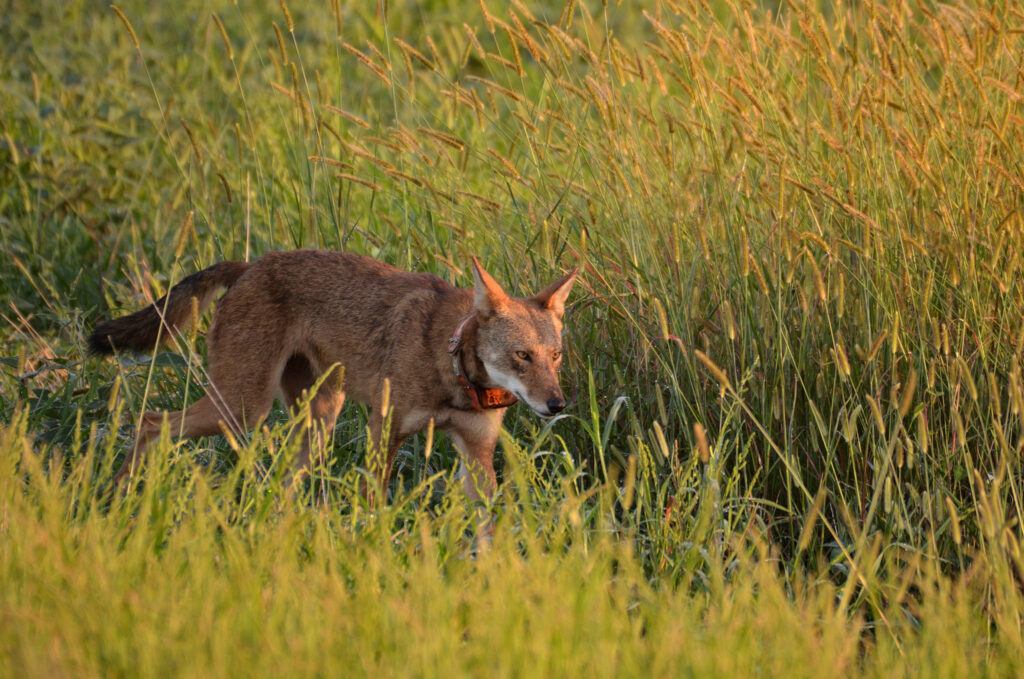



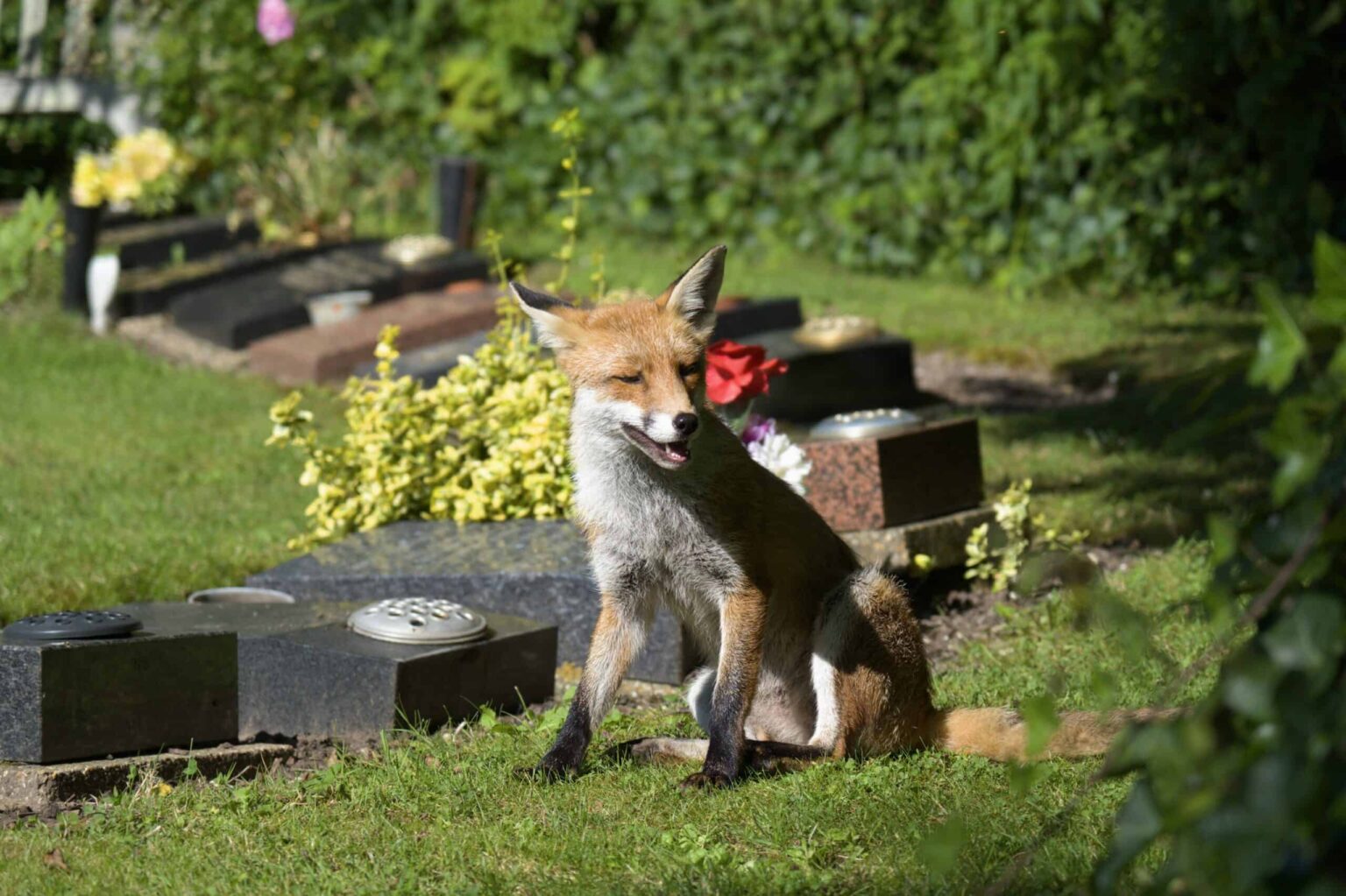
Amid the human-dominated landscape, biodiversity takes refuge in cemeteries among the stoic marble monuments and resting souls, interweaving death and life. With traditional burials becoming less common, cemeteries are turning toward conservation cemeteries managed for biodiversity and green burials—a way of caring for the deceased that minimizes environmental impacts and embraces the biological processes of decomposition. Mount Auburn Cemetery in Cambridge, Massachusetts, is one of the first park-style burial grounds in the United States. Although home to the dead, Mount Auburn is lively with ecological restoration and research, employing a full-time ecologist and implementing a wildlife action plan that includes amphibian monitoring and field research on urban coyotes (Canis latrans). Yet Mount Auburn’s carefully managed renewal contrasts sharply with a cemetery in southeastern Arizona, where an untouched landscape shelters a rare, winged ghost of the night, the Patagonia-eyed silkmoth (Automeris patagoniensis), whose final refuge lies quietly among the graves. The endangered Patagonia-eyed silkmoth is only found within a small cemetery near the ghost town of Harshaw, Arizona, demonstrating that abandoned cemeteries can also foster important life.
Read more about in the Revelator.
Article by The Wildlife Society