



Tom Decker knows on a personal level how conservation gets done in the United States. Through both distributing and receiving federal fish and wildlife conservation grants, Decker has made both national and local impacts on wildlife conservation.
Starting in college, Decker was a co-op student at the University of Massachusetts Amherst back when the co-op units were hosted with the U.S. Fish and Wildlife Service. His first job out of graduate school was as a furbearer biologist for the Massachusetts Division of Fish and Wildlife. After nearly 10 years there, he and his wife moved their young family to Vermont, where he worked for Vermont Fish and Wildlife as a district wildlife biologist. In this role, Decker managed around 50,000 acres of state wildlife management areas. His role encompassed both habitat and infrastructure maintenance as well as biological surveys and human-moose (Alces alces) conflict management.
He then joined the leadership of the agency, first as division director then chief of operations. Working in administration was much different from his time as a biologist. “It’s not what you see in the brochure,” he said. He wasn’t out in the field tracking down moose or wrangling turkeys (Meleagris gallopavo). But he said that his reach and influence changed, and he was able to hire new biologists and help other staff complete their work. “I found it fulfilling, but in a different way,” he said.

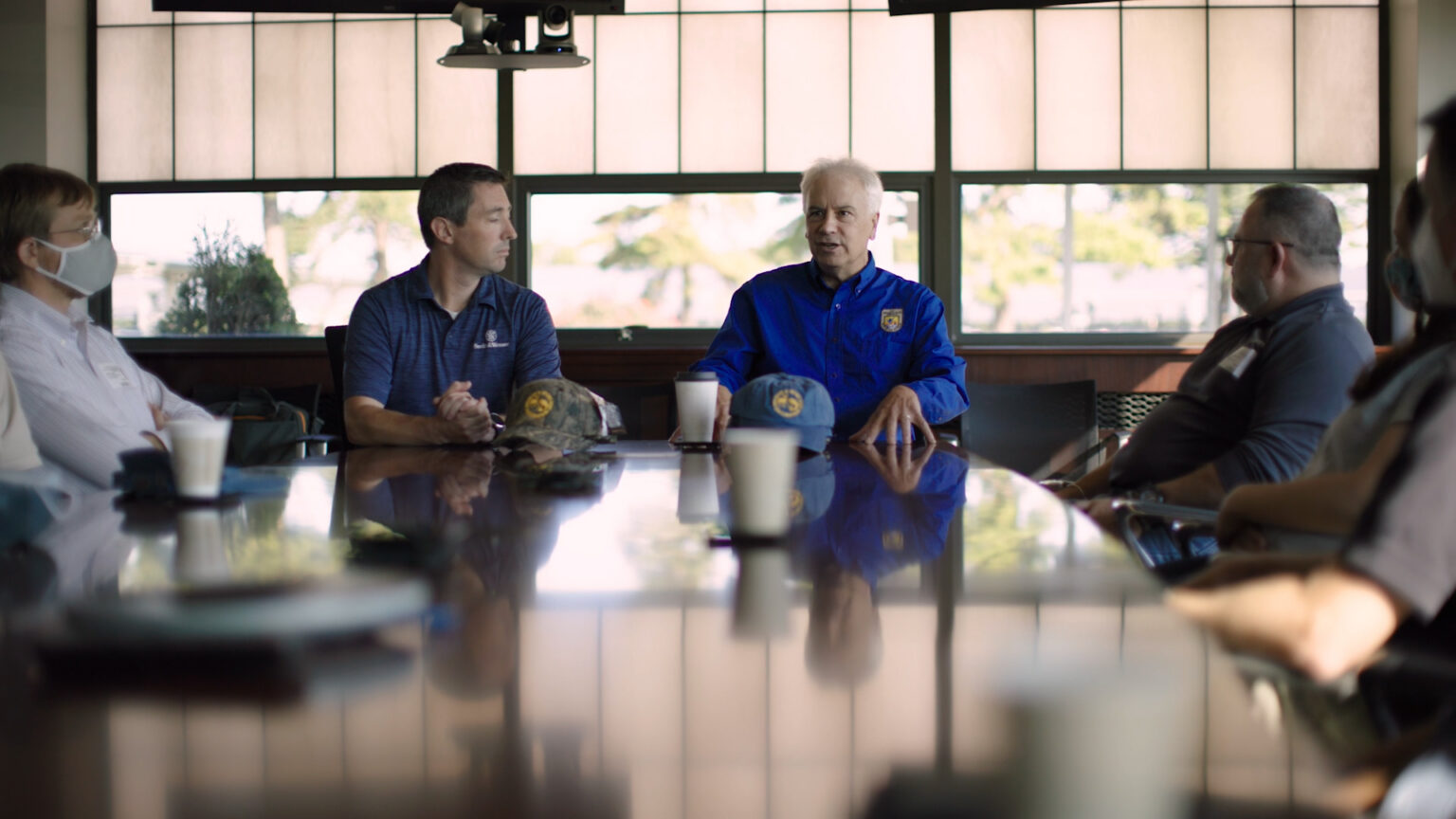
About 13 years ago, Decker was hired as a wildlife biologist at the U.S. Fish and Wildlife Service’s Office of Conservation Investment, formerly the Wildlife Sports Fish Restoration Program. The program is funded by federal excise taxes from the Pittman-Robertson and Dingell-Johnson acts. In that role, he worked with state fish and wildlife agencies on Wildlife and Sport Fish Restoration Grants. He then became a branch manager of communications, analysis and partnership at the Washington, D.C., office where he oversaw a variety of programs, including the Partner with a Payer initiative. The program brings state and federal conservation programs in contact with payers of the federal excise taxes—like firearms, archery and fishing tackle manufactures—through field visits and factory tours.
After 38 years of state and federal service, Decker took the federal government’s buyout in April.
He plans to transition to a career in conservation outside of government service and wants to find a way to “keep moving the conservation needle forward.” He remains hopeful about the future of conservation and the sustainability of the current U.S. strategy for conservation funding. “It’s easy to have fatalism,” Decker said. “But I remain optimistic.”