





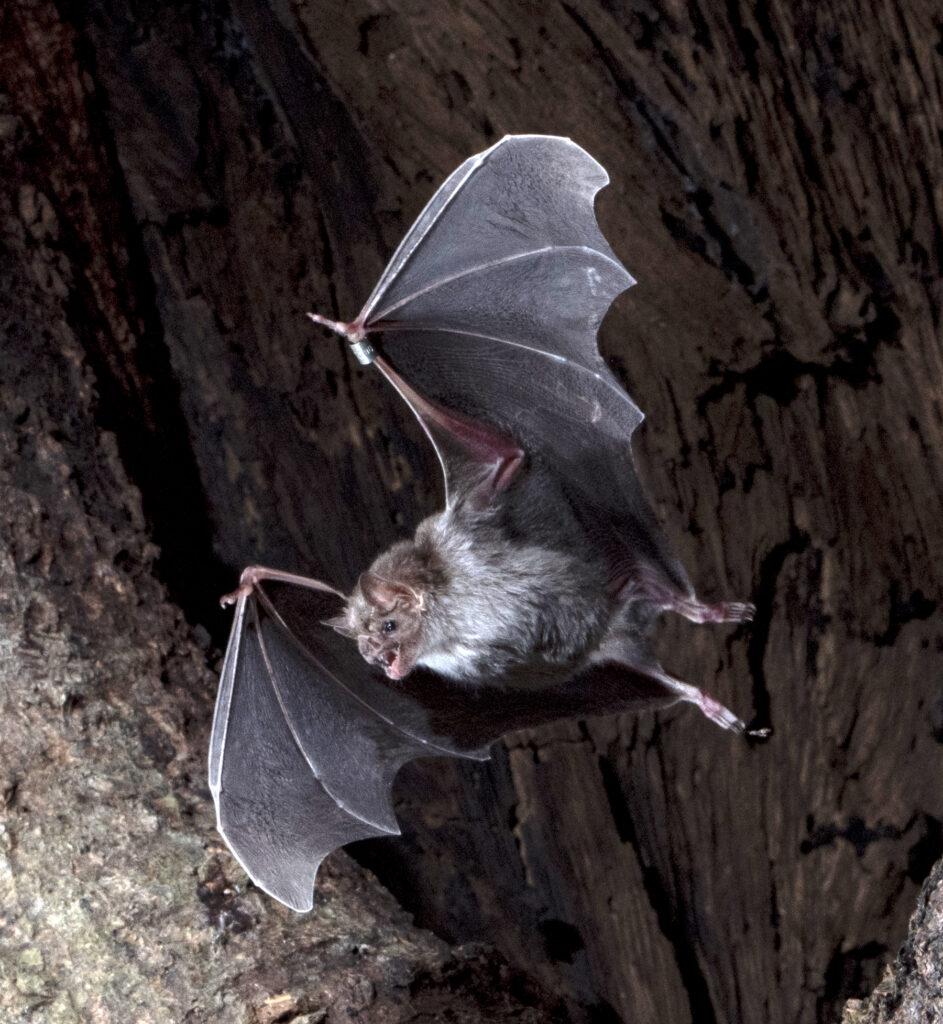

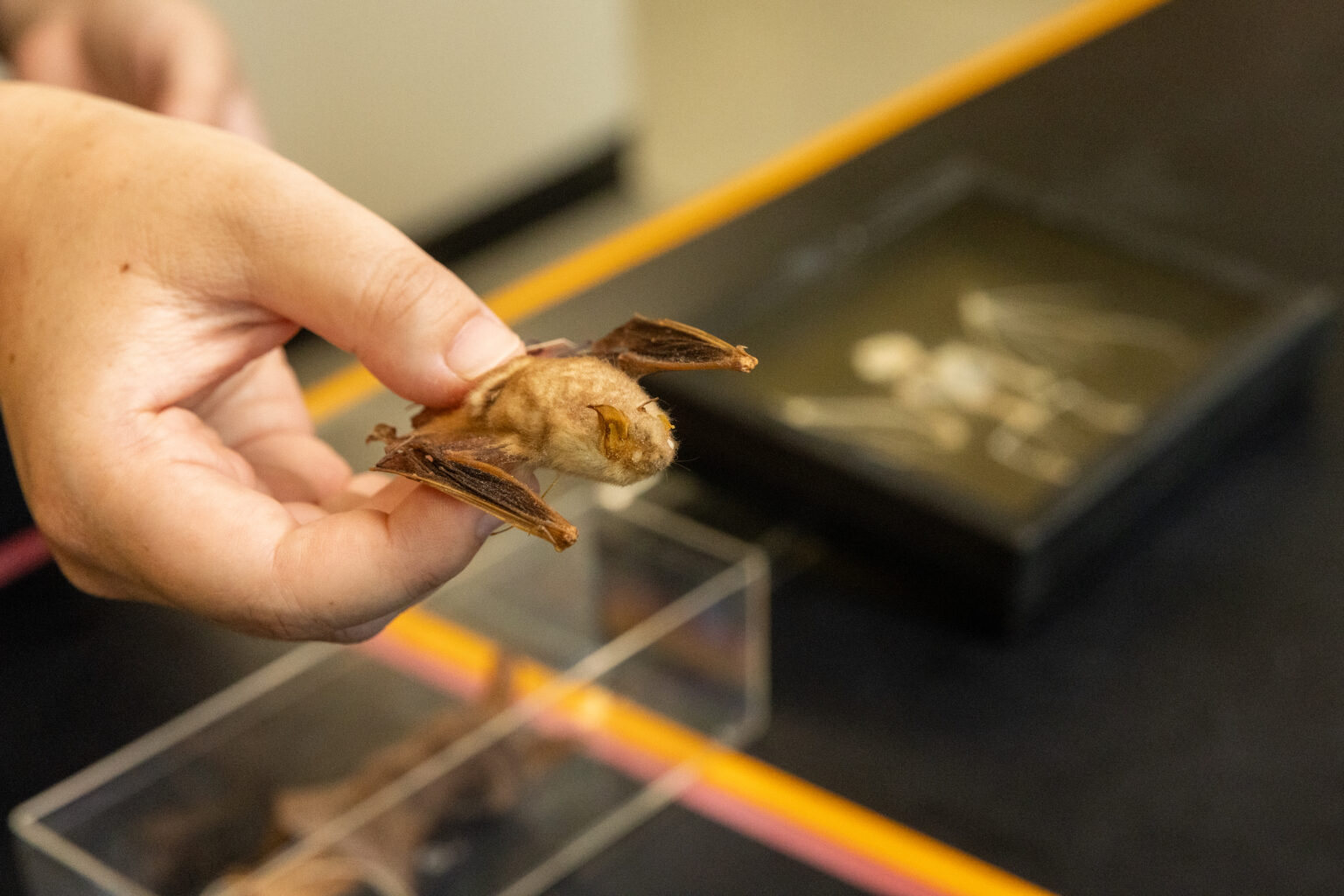
Whether it’s coronaviruses or Ebola, bats are famously tolerant to many diseases deadly to other creatures. Now, new research on vesper bats, a category of more than 500 species found on nearly every continent, reveals one of the reasons these flying mammals are less symptomatic. They have two copies of the genes that produce antibodies, whereas all other mammals only have one copy. This gives bats more ways to generate antibodies than other mammals. “This completely changes our understanding of how mammalian immune systems can be organized and raises exciting new questions about why bats have been so evolutionarily successful and how they respond to viruses,” said Hannah Frank, associate professor of ecology and evolutionary biology at Tulane University, in a release.