




DNA analysis of blood or feathers is helping researchers uncover species of birds and bats involved in aircraft strikes in Brazil.
“When strikes involve threatened species or species of conservation concern, preventive and, whenever possible, nonlethal measures become even more important,” said Bernardo Perin Cima, a PhD candidate in genetics at the Federal University of Santa Catarina.
Between 2011 and 2025, only 41% of wildlife aircraft strike records in Brazil had identified the species involved, which can make management challenging. The trouble was, in many cases, nothing was left behind other than a blood stain or a few feathers.
In a study published recently in The Journal of Wildlife Management, Cima and his colleagues analyzed DNA to identify species.
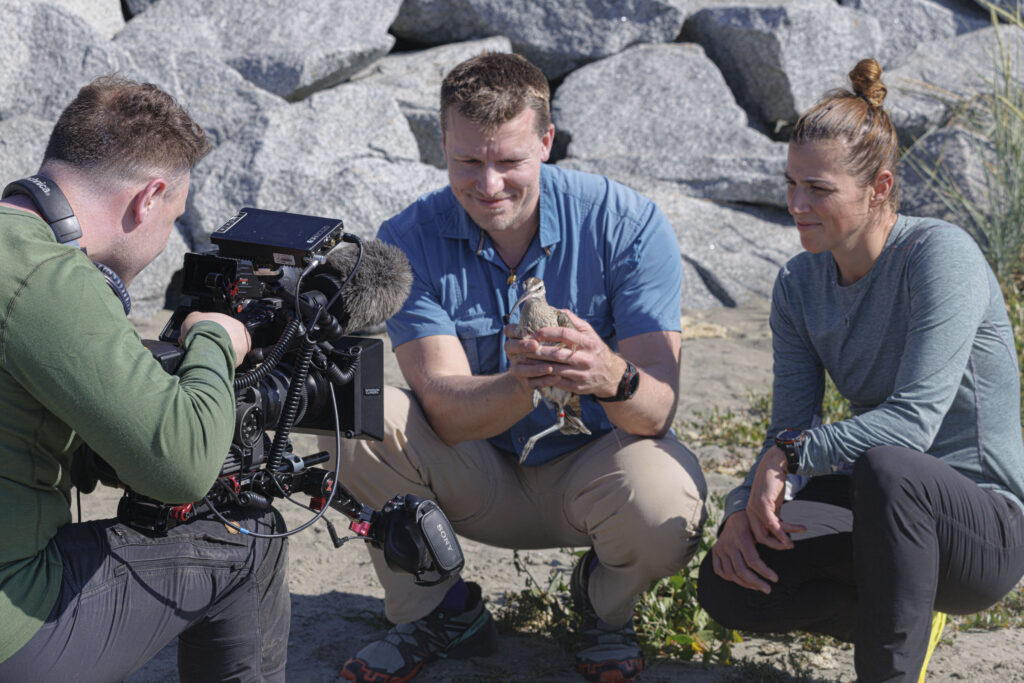
The team worked with airport staff, distributing collection kits along with instructions for using them. They collected and analyzed blood, tissue and other wildlife remains collected from these kits at 42 airports from 2023 to 2026. These airports included five of the six major biomes found in the country, including the Amazon, Caatinga, Cerrado, Atlantic Forest, and Pampa—the only major biome missing was the Pantanal.
“Wildlife at each location can be influenced by the surrounding biome, landscape and land use, the availability of food, water, and shelter, local climate, and airport infrastructure,” said José Pedro Francisconi Junior, supervisor of the study at the Transport and Logistics Laboratory of the Federal University of Santa Catarina (LabTrans/UFSC) and a coauthor on the study. “This geographic range allowed us to include airports operating in very different environmental and operational settings.”
The team found that the number of strikes and samples collected varied a lot between airports. Some of that may be related to species abundance or richness of biodiversity, Francisconi Junior said, but not all. The staff at some airports may have been more zealous about recording strikes, for example. Also, “airports with more aircraft movements, for example, simply have more opportunities for strikes to occur and be detected,” he said.
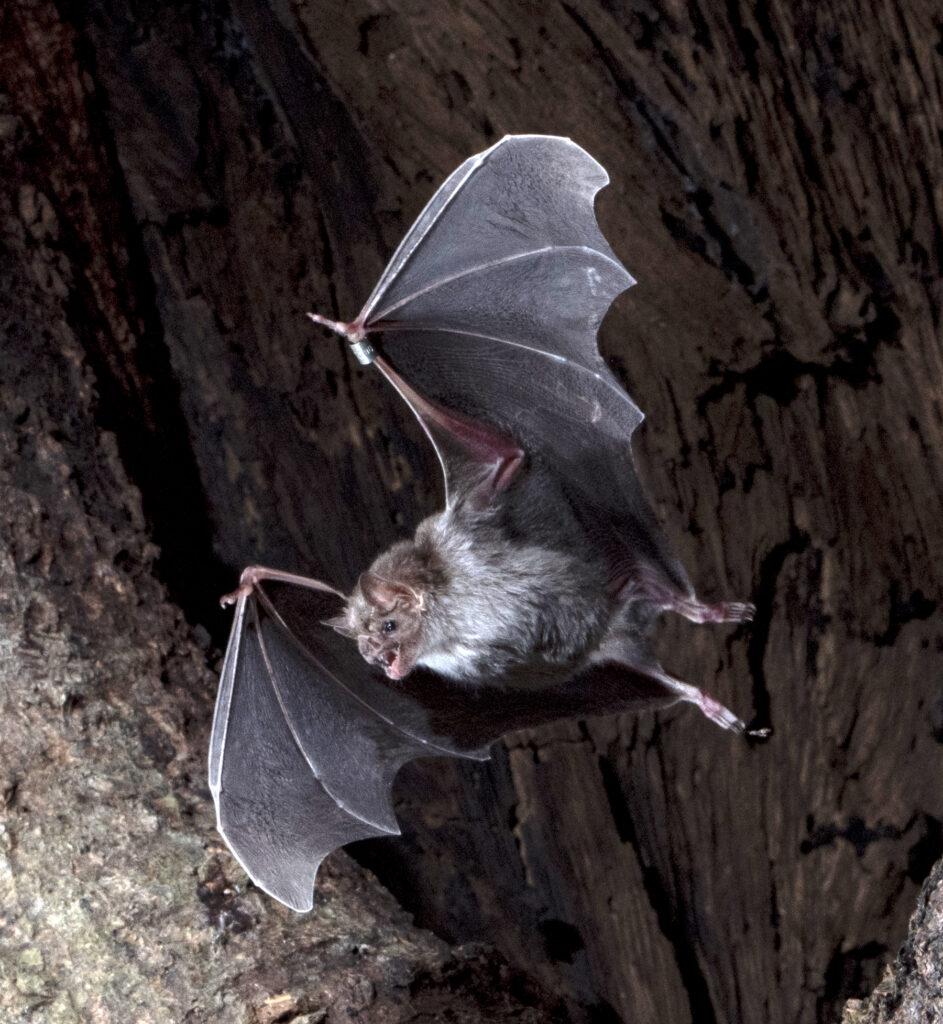
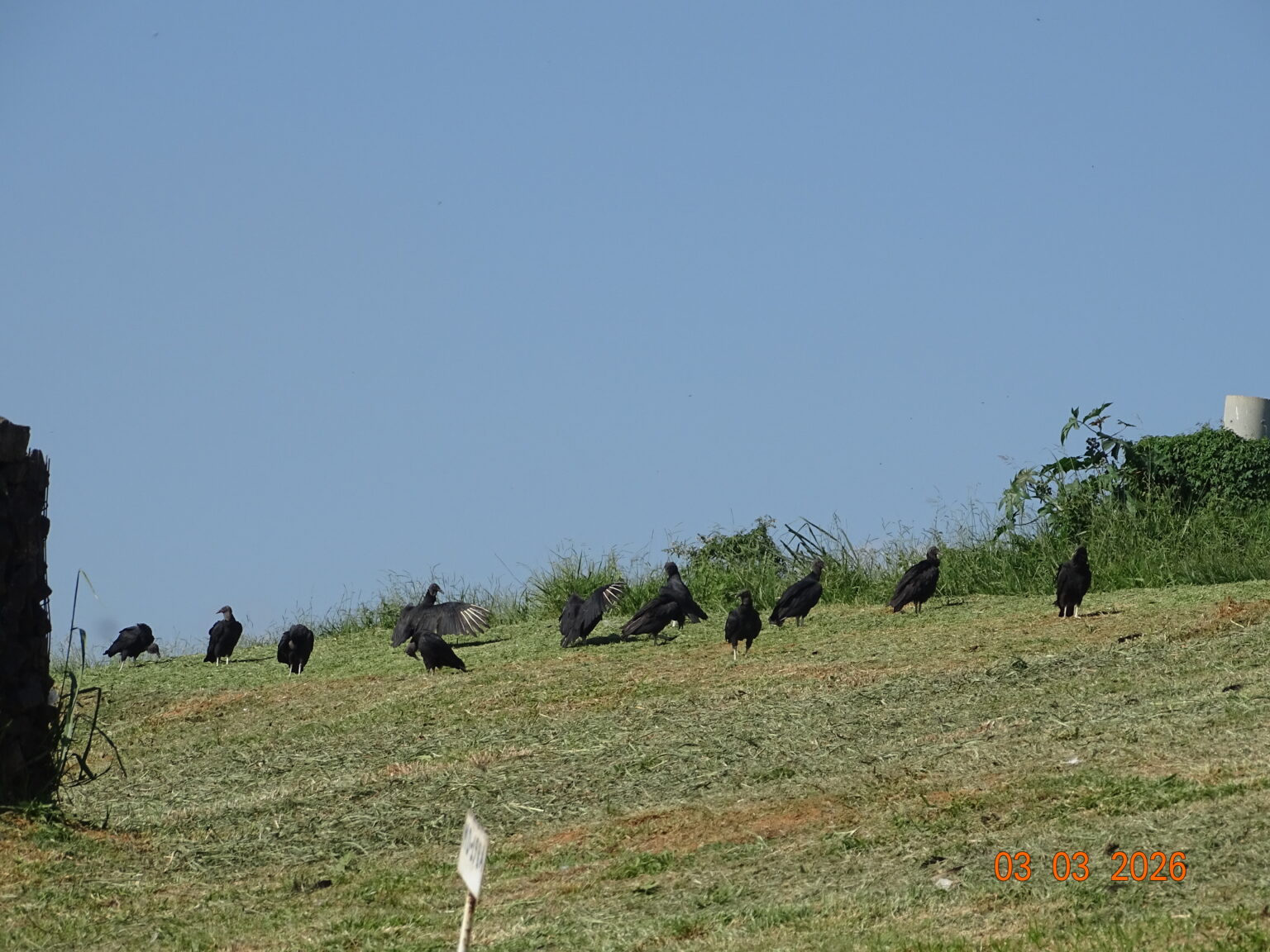
They analyzed 520 samples in total and managed to identify 370, or 71%, at the species or genus level from four animal classes and 24 orders. These included a total of 80 bird and bat species involved in strikes, including 17 birds and 15 bats that hadn’t previously been recorded as being involved in these events. Some 77% of the samples were birds while the other 20% were bats. Using DNA improved the accuracy of identification. “Adding molecular identifications increased the overall species-level identification rate at participating airports by four percentage points,” the authors said.
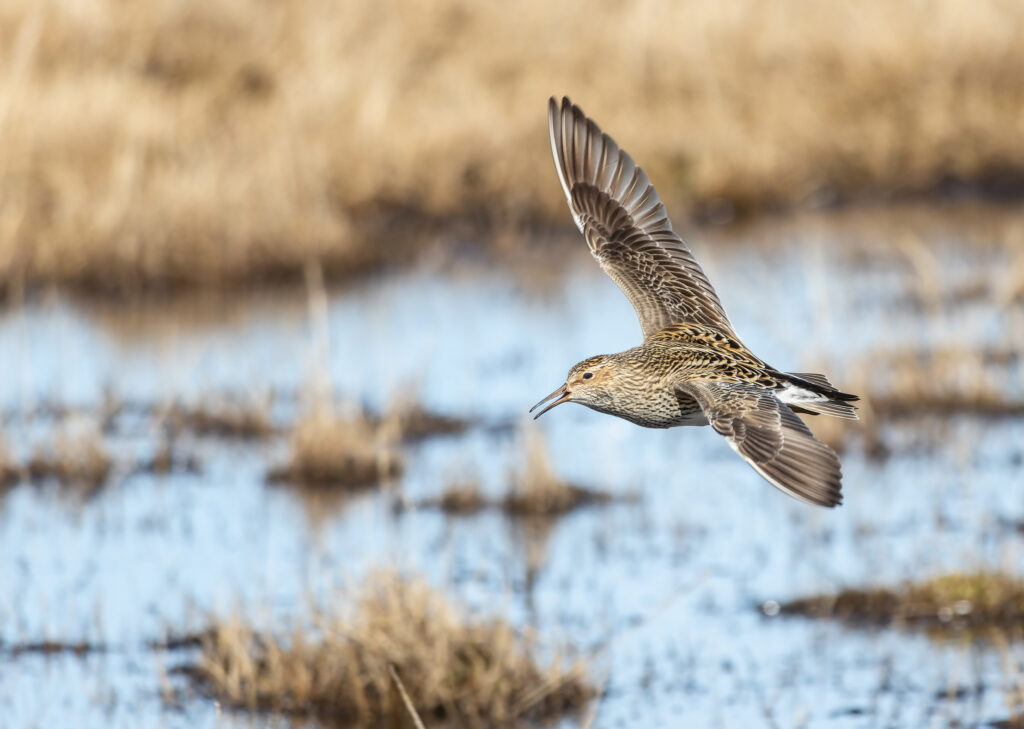
The researchers identified several species of conservation concern, including the buff-breasted sandpiper (Calidris subruficollis) and white-rumped sandpiper (Calidris fuscicollis), both listed as vulnerable by the International Union for Conservation of Nature. They also found remains of double-striped thick-knee (Burhinus bistriatus), a bird listed on Brazil’s list of threatened species.
“The project also produced a guide with biological information and management measures for 30 species that are particularly relevant to Brazilian aviation, including species prioritized because of strike severity and species identified during the project,” said Karla Andréa Rodrigues dos Santos and Raquel Nascimento Rocha, representative of the National Civil Aviation Secretariat of Brazil’s Ministry of Ports and Airports (SAC/MPor).
But overall, the goal is about improving safety for wildlife and aircraft in Brazil. “Wildlife risk management needs to balance operational safety with biodiversity conservation,” Cima said.
This article features research that was published in a TWS peer-reviewed journal. Individual online access to all TWS journal articles is a benefit of membership. Join TWS now to read the latest in wildlife research.
Article by Joshua Rapp Learn