






While many Arctic birds are loyal to their nesting locations, some species raise their young in new places every year.
These variations might be related to unpredictable conditions on the Arctic tundra, researchers of a new study published in Ecography believe.
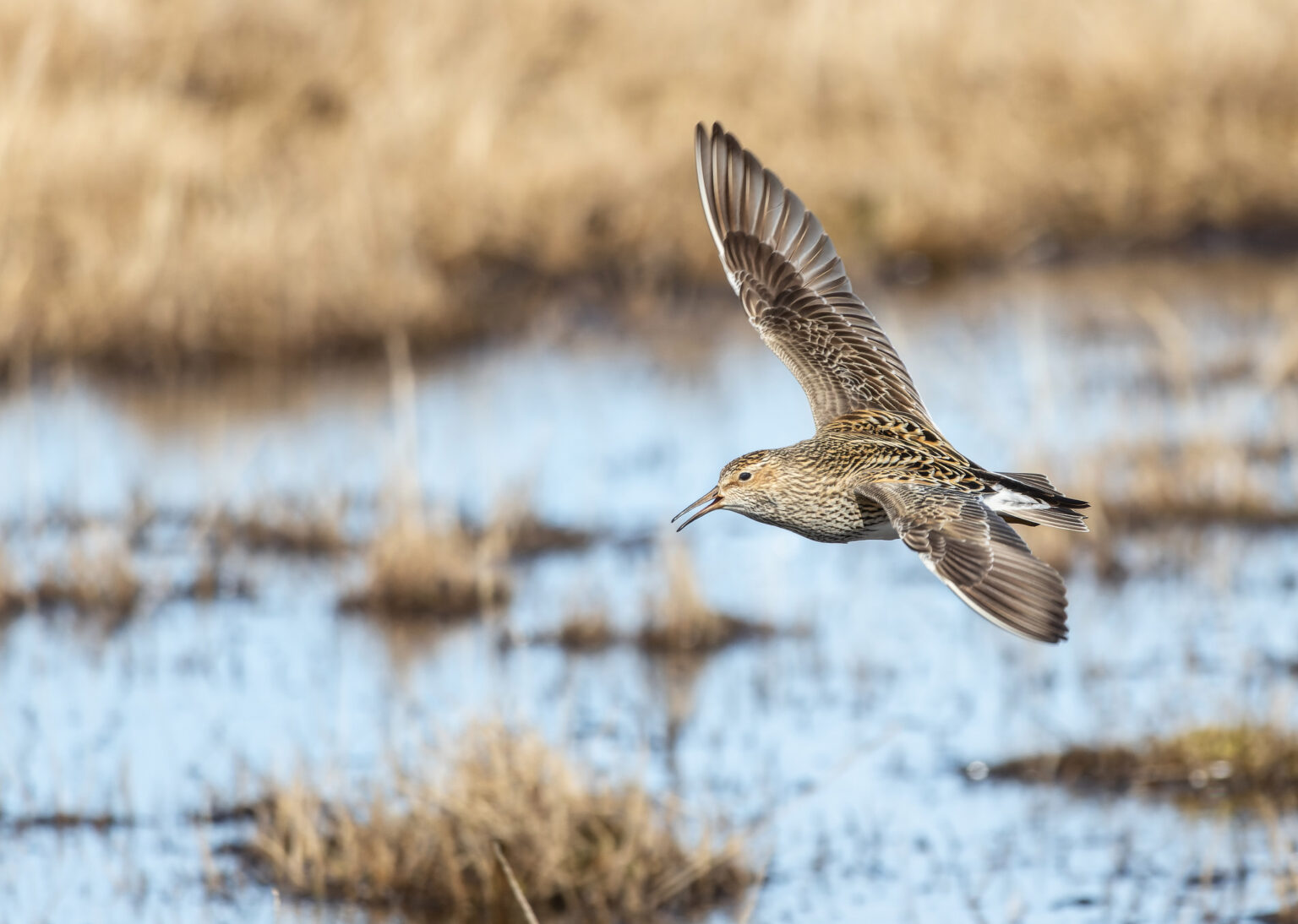
The team looked at 120 populations of 55 shorebird species that nest in a wide variety of places. They found that species like pectoral sandpipers (Calidris melanotos) and long-billed dowitchers (Limnodromus scolopaceus) that raise their young in the Arctic tundra are often less loyal to nesting areas than birds that nest in forests, grasslands or dry areas.
“Finding that one habitat drives so much of this variation opens up fascinating questions,” said Bart Kempenaers, the head of the Department of Ornithology at the Max Planck Institute for Biological Intelligence, in a press release. “Do other unpredictable habitats that are not included in the study, such as ephemeral wetlands, also favor nomadic breeders?”
Read more at the Max Planck Institute for Biological Intelligence.