


The U.S. public is unaware of a blood-sucking bug spreading the deadly Chagas disease
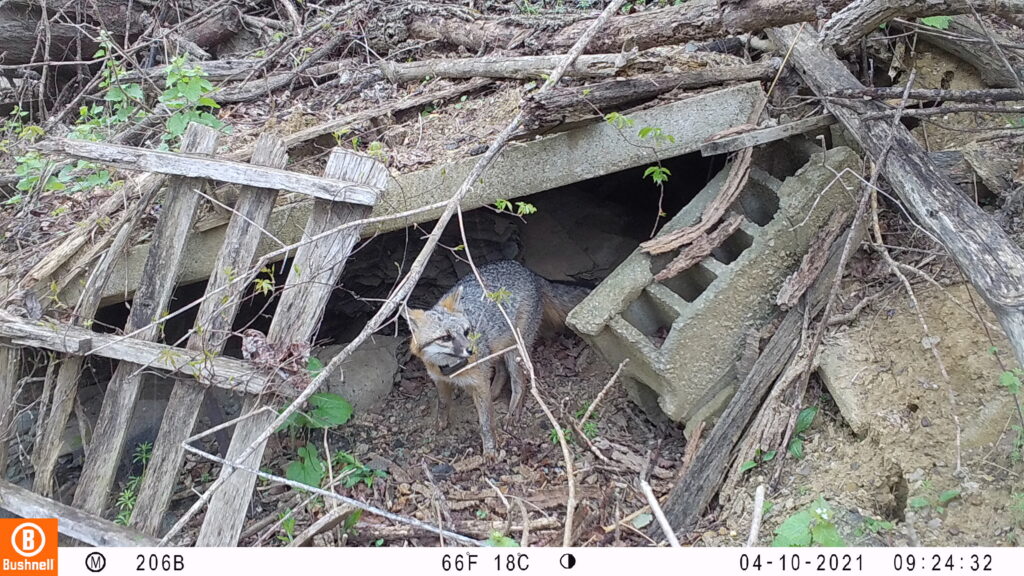
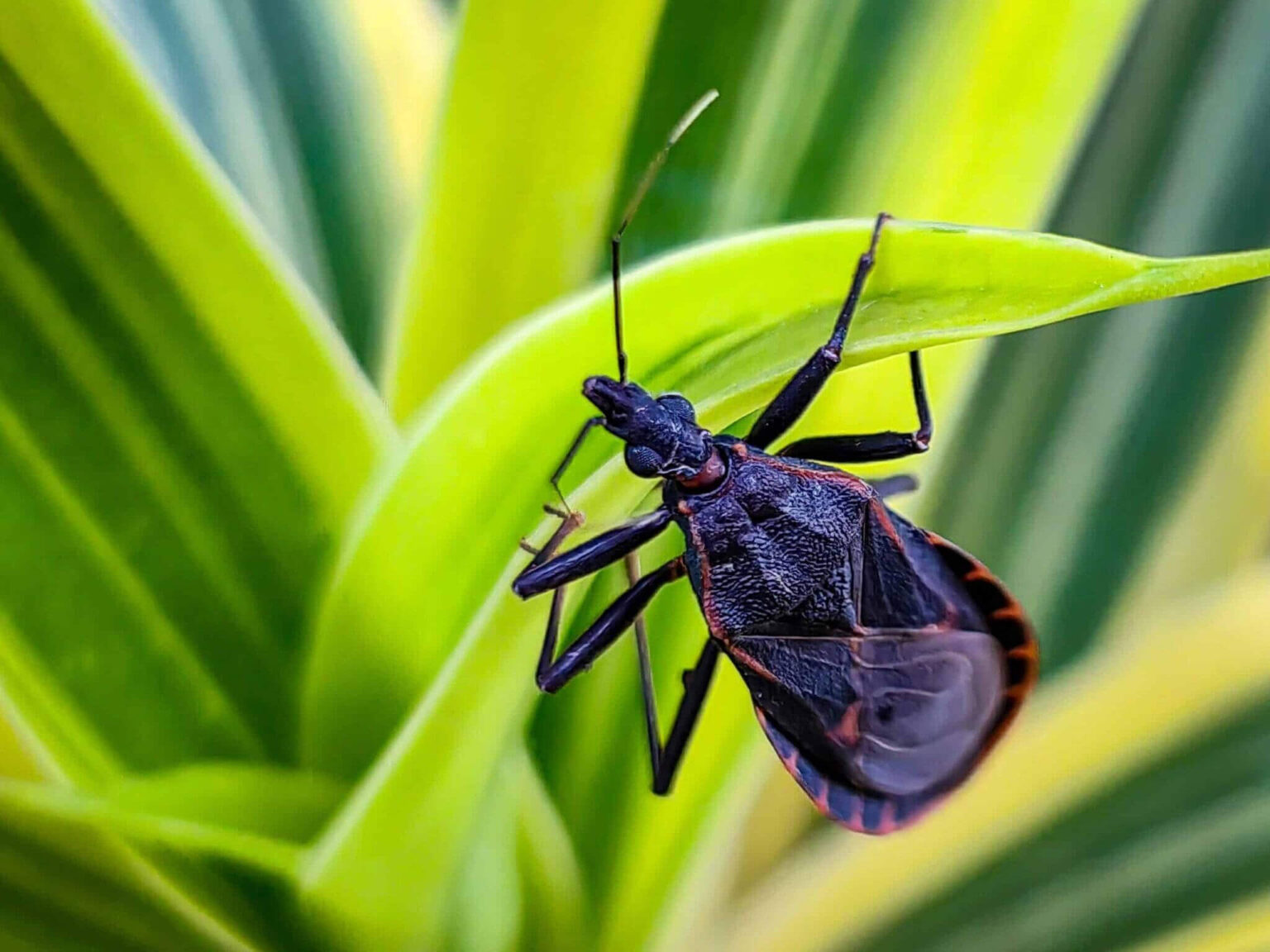
Thought to be tropical, Chagas disease is quietly spreading in the southern U.S. thanks to kissing bugs and local wildlife. A new study reviews strong evidence showing that the parasite behind Chagas disease is already in the U.S.—and it’s not just in bugs, wildlife and pets. Chagas has infected people who’ve never left the country. As a result, scientists have concluded it’s time to stop calling Chagas a foreign disease and recognize it as a domestic threat. The parasite Trypanosoma cruzi is transmitted by at least four species of kissing bugs, more formally known as triatomine bugs, commonly found in the southern United States. These blood-sucking invaders feed on both people and animals, including pets and wildlife such as raccoons (Procyon lotor), opossums (Didelphis virginiana), striped skunks (Mephitis mephitis), nine-banded armadillos (Dasypus novemcinctus), and coyotes (Canis latrans). Despite being widespread, testing remains limited, and there is no federal requirement to report Chagas cases, contributing to its lack of recognition. Human cases remain relatively rare, only reported in eight states and most frequently in Texas. But the disease can lead to death. Symptoms of Chagas disease include fever, body aches, fatigue, headache, rash and can lead to severe heart or digestive problems. However, the authors emphasize that improving awareness and systematically monitoring wildlife, domestic animals and kissing bugs are critical steps for early detection and disease control.
Read more in Emerging Infectious Diseases.
Article by The Wildlife Society