


Despite millions of dollars of conservation investment and decades of work, poachers killed the last Javan rhinoceros in mainland Asia in 2010. The species had been struggling for years—after the end of the Vietnam War, there were about a dozen left in Vietnam, mostly in Cat Tien National Park.
Authorities had protected Cat Tien in 1978, expanding it in subsequent years in response to the discovery of a population of the Vietnamese Javan rhinoceros subspecies (Rhinoceros sondaicus annamiticus). International and national conservation dollars came flooding in for this charismatic species, but money came too late for the Vietnamese Javan rhinoceros—the last of any kind of Javan rhinoceros left at that point outside of its Indonesian namesake island.
But according to new research that examines what happens to protected areas when their flagship species go extinct, the money and effort weren’t all for naught. Thanks to the training of local rangers, park staff and the institution of long-term funding mechanisms, the legacy of conservation continues at Cat Tien a decade and a half after poachers killed the last rhino there.
“They built an institution,” said Sreekar Rachakonda, a postdoctoral researcher in ecology at the University of Queensland in Australia.
Rachakonda, the first author in the research published recently in Frontiers in Ecology and the Environment, began to think about this question when learning about the enormous effort to restore California condors (Gymnogyps californianus) to parts of the U.S. He wondered what would happen if the condors went extinct. Would the money invested be a total loss, or would conservation still benefit?
He began looking at case studies in the east—situations when large, charismatic flagship species were extirpated or went extinct despite efforts to protect their last habitats.
He found two pertinent cases: one in the extinction of the Javan rhino in Vietnam and another in the extirpation of tigers (Panthera tigris) from Nam Et-Phou Louey National Park in Laos.
In the case of the Vietnamese Javan rhino extinction, the investment worked despite the extinction, Rachakonda said. The reasoning was likely because conservation dollars weren’t solely focused on conserving the individual species but on the protection of the area more holistically.
“It’s been only 15 years, so we can’t say if this will continue in the future, but there is still the societal salience there—society still believes in conservation,” Rachakonda said. “It’s very important to build that institution and management capacity along with protecting the species.”
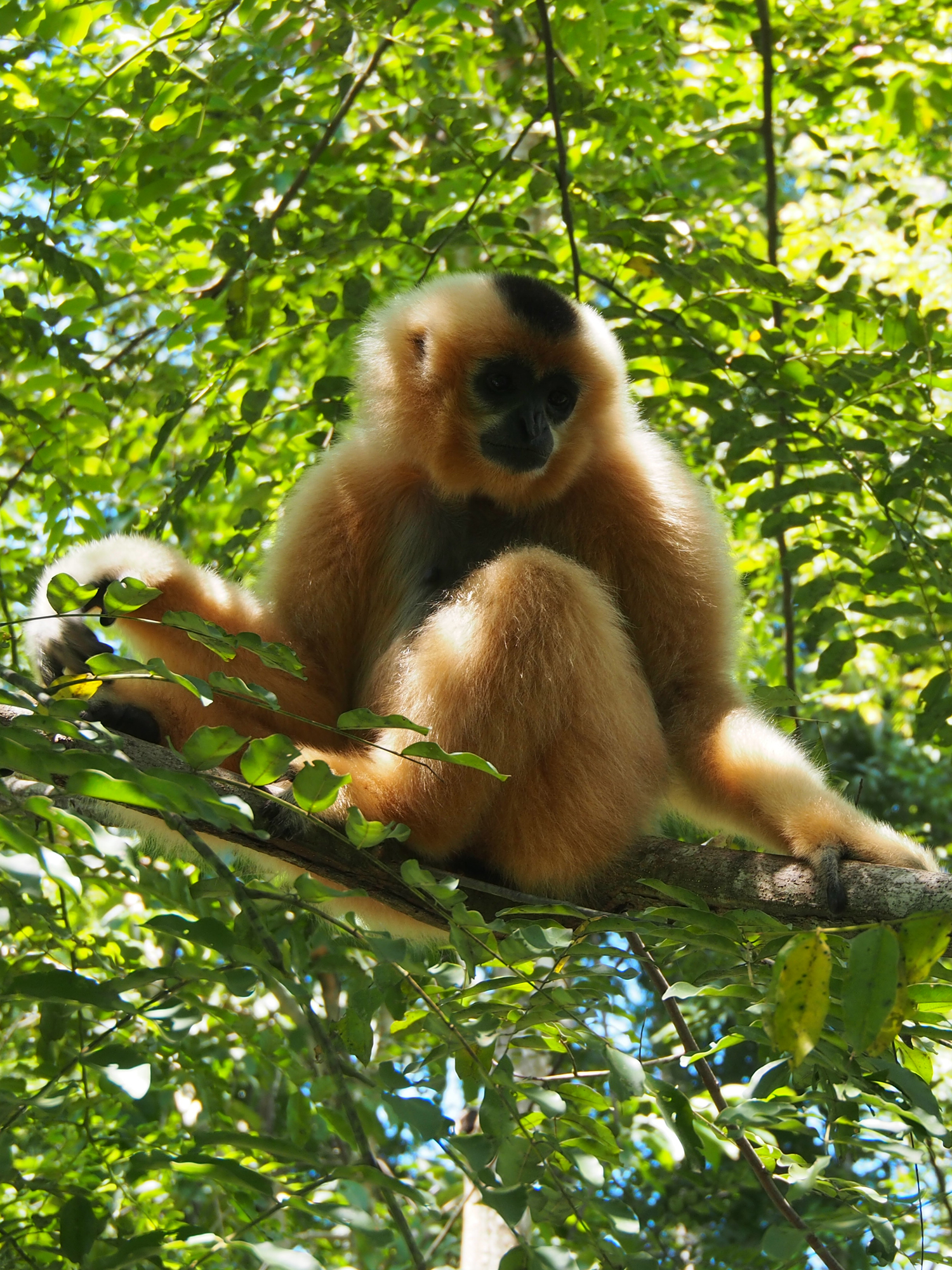
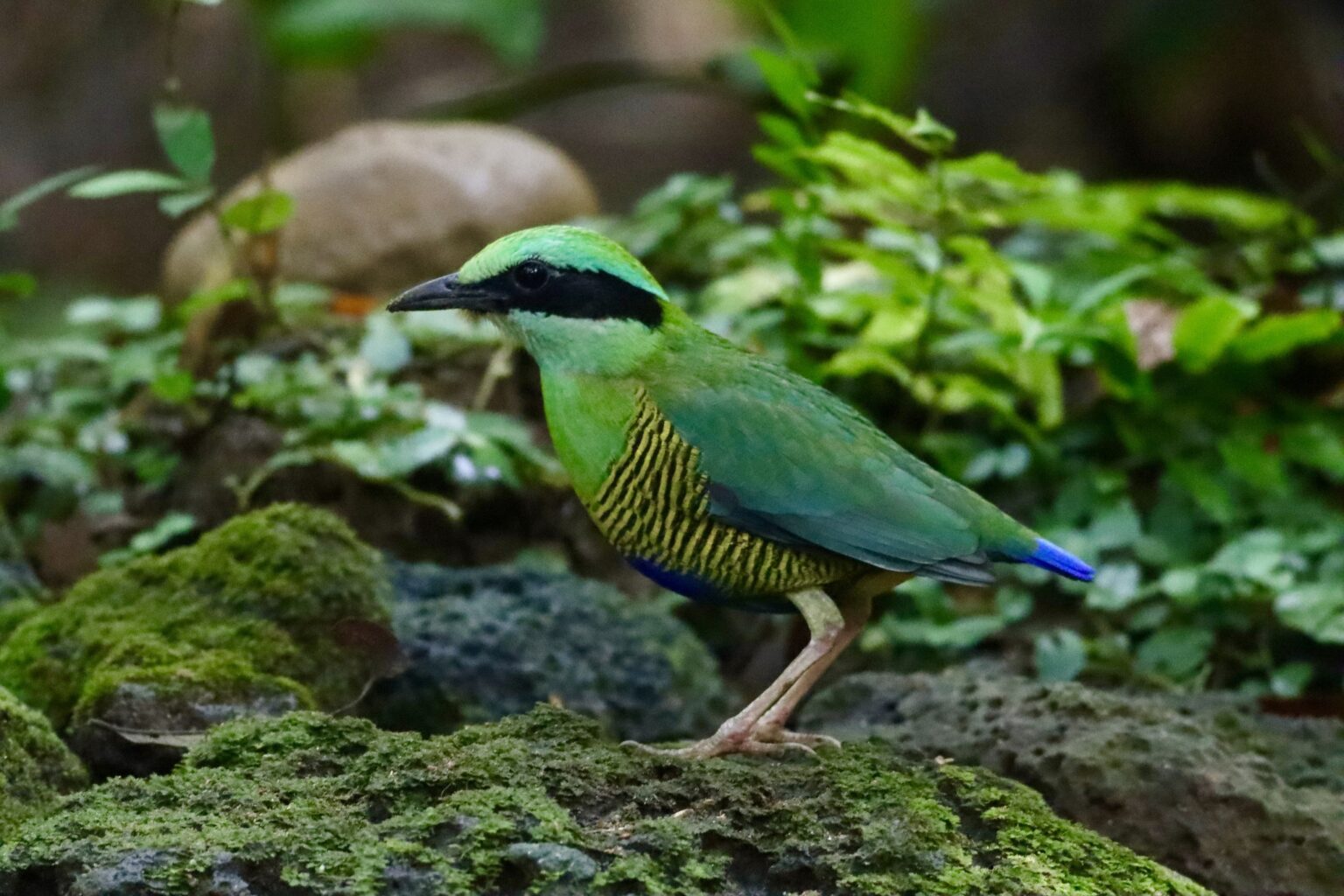
As a result, people still visit the park to see species like the yellow-cheeked gibbon (Nomascus gabriellae), the bar-bellied pitta (Hydrornis elliotii) and a variety of other birds.
The loss of forest means the loss of tigers
The park continues to succeed because of the foundation of conservation investment built before rhinos disappeared.
But things don’t always go so well for protected areas. In Laos, the last tiger was poached in Nam Et-Phou Louey National Park in 2013, roughly 20 years after the area had received formal protection.
In the years since, slash and burn agriculture has encroached farther into the area. Rachakonda said that this pattern didn’t just begin after the loss of tigers in Nam Et-Phou Louey, though. It was a persistent problem that park managers struggled to control from the outset—people had always lived in the park, and no one ever addressed the underlying poverty that drove people to cut down trees in the area.
“They couldn’t stop the forest loss rate,” he said. “Even when tigers were there, forest loss was a problem.”
There is some hope on the horizon for the Laotian park, though—Rachakonda said there are plans to reintroduce tigers by 2035.
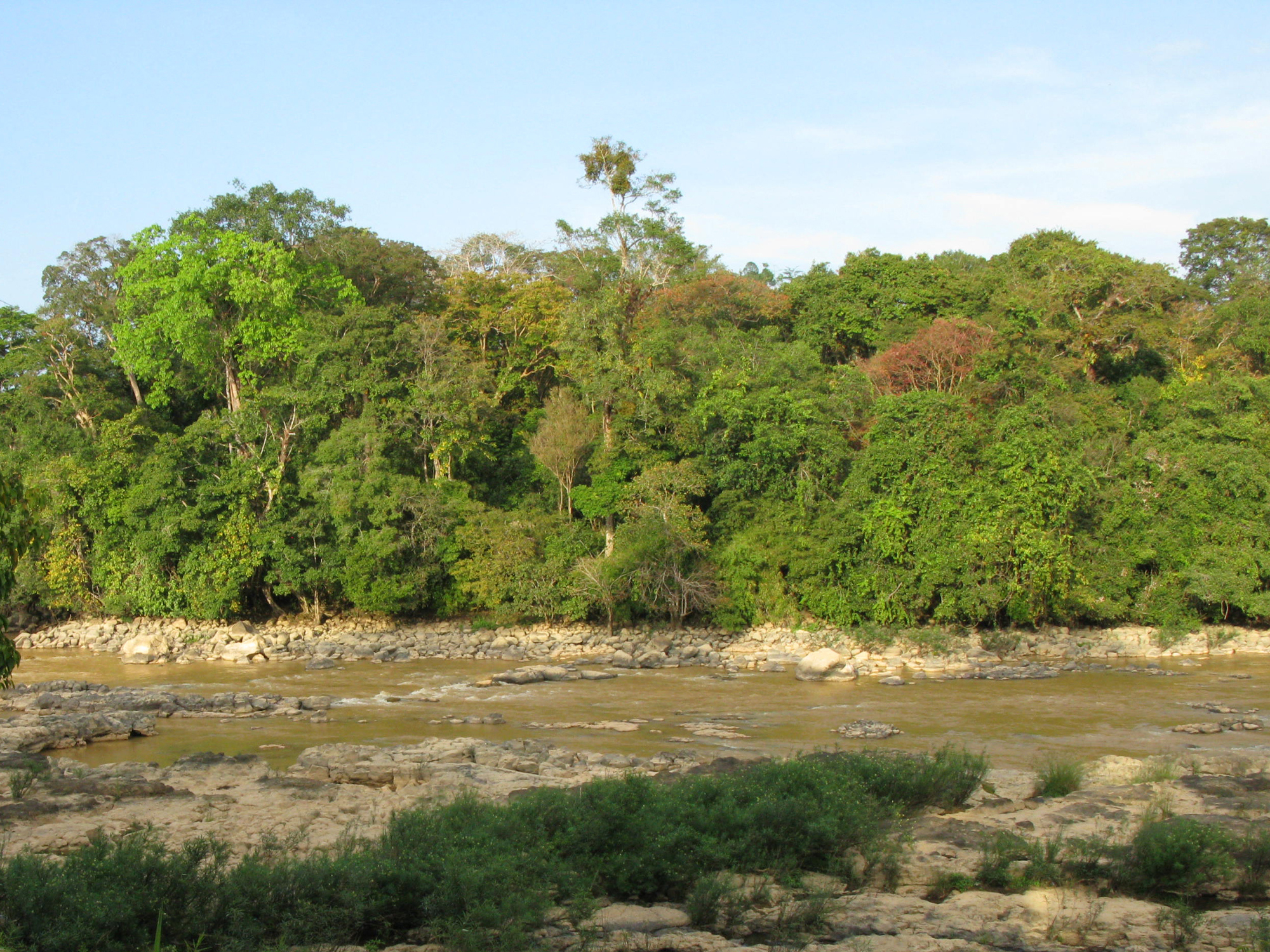
The take-home message is that conservation money to save flagship species isn’t a waste—if administered properly, Rachakonda said. He does caution that he only looked at two cases and that in both of these cases, the flagship species went extinct in the last 13 to 16 years.
He’s uncertain what will happen to these areas in the future, as he worries that the conservation momentum of having those flagship species may slow down over time.
Article by Joshua Rapp Learn