

A loon citizen science project in Minnesota, a popular nature series and a student chapter advisor have all been singled out for The Wildlife Society’s Special Recognition Award.
TWS’ Special Recognition Service Award honors a person or group who has made an outstanding contribution over the short or long term to the wildlife profession, wildlife conservation management or science.
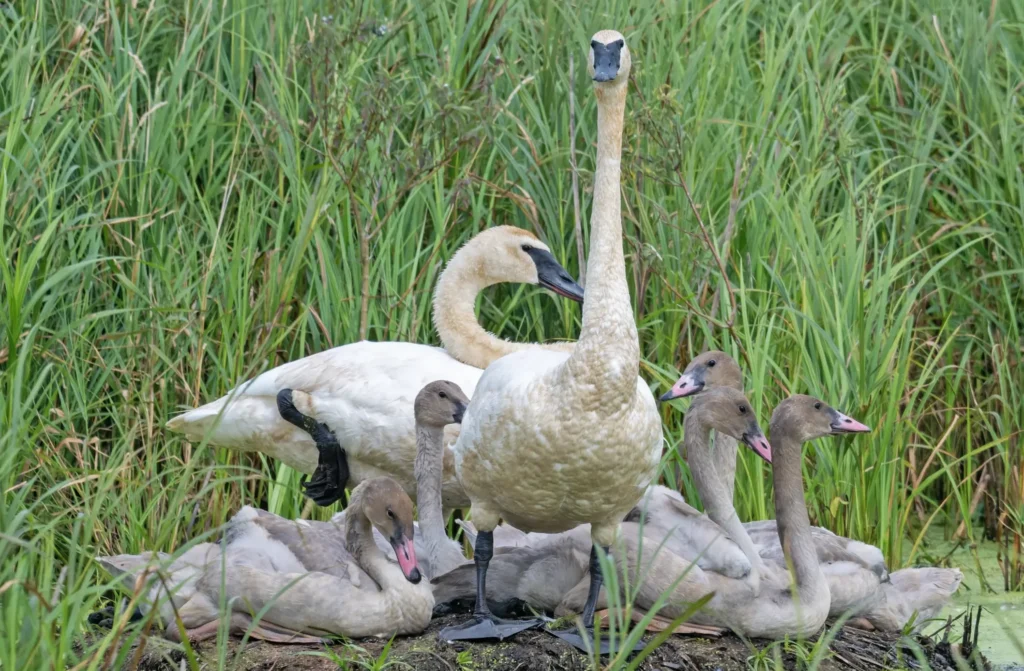
Big Mantrap Lake Loon Conservation Project
The Big Mantrap Lake Loon Conservation Project was started in Minnesota in the late 1980s by Warren and Arlis McGinnis after they noticed that natural loon nests built along the shoreline were often raided by predators. So, the couple created their first artificial loon nesting raft made out of logs. Seeing how the loons took to the floating structures, they made more.
With the help of local volunteers, they developed two models of low-maintenance aluminum rafts and now have a fleet of 20 aluminum rafts scattered across established nesting territories where natural nests have failed due to factors like wind and wave action, fluctuating water levels or predation.
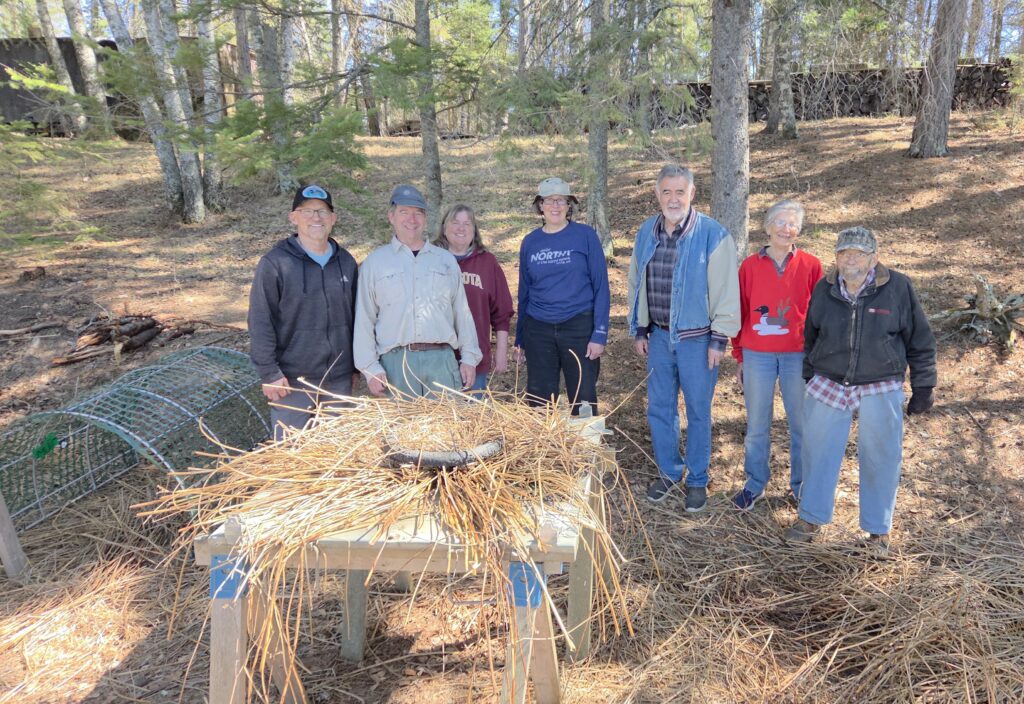
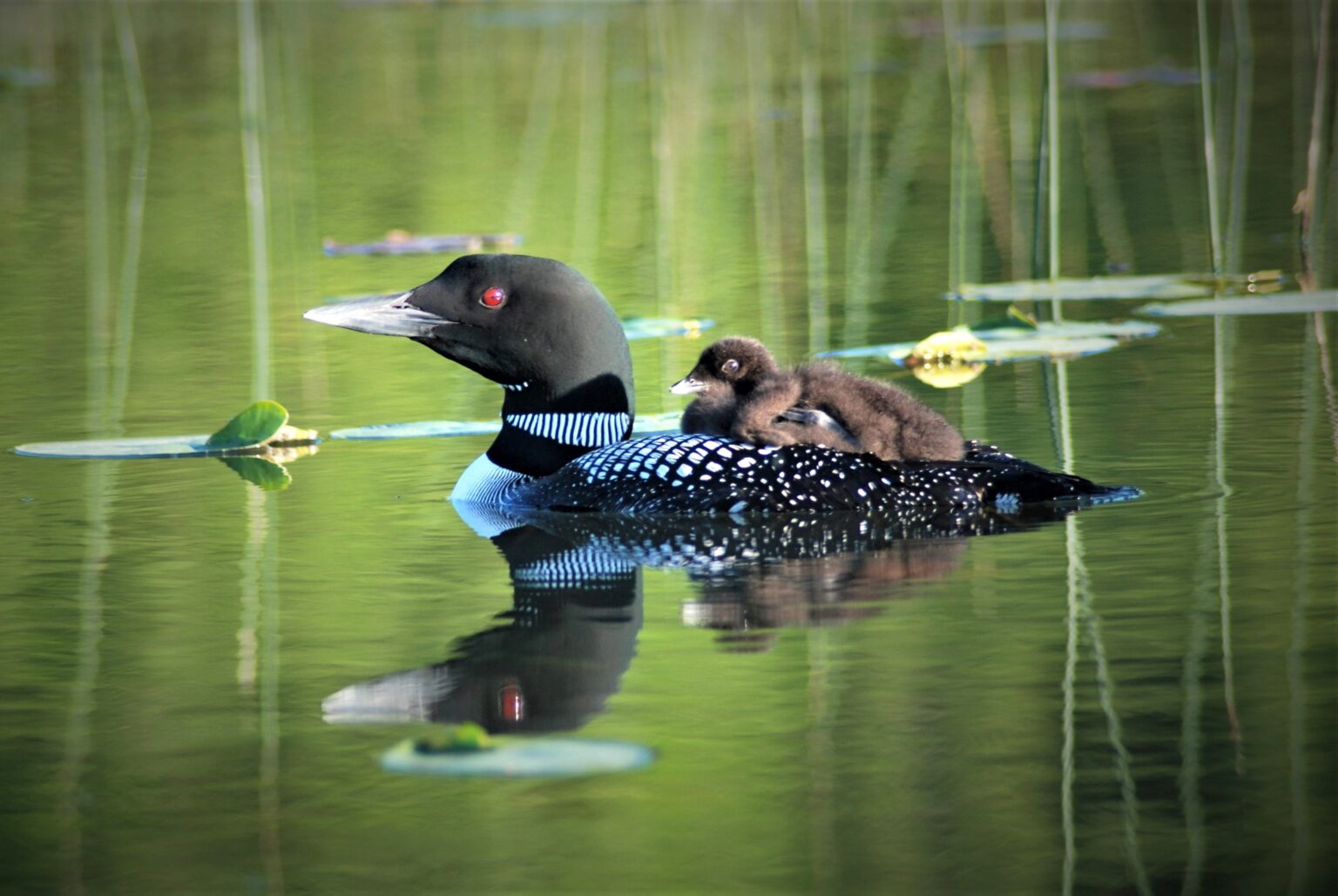
Before the nesting season starts, the volunteers prepare and deploy the rafts. Throughout the nesting season, the volunteers monitor the loons (Gavia immer) and chicks nesting on the artificial nests as well as along the shoreline. The award honors the project’s founders as well as the entire group of citizen scientist volunteers known as the Mantrap Looners who help monitor Big Mantrap Lake throughout the nesting season.
“This is an outstanding model of citizen led conservation efforts that have been wildly successful for loons,” said Tim Mitchell, the Minnesota Department of Natural Resources’ Loon Restoration Project Coordinator, in his letter of support.
Steve Maanum, who has been a volunteer with the group for nearly two decades and nominated the project for the award, said that the Mantrap Looners are honored to receive this award. He sees the group’s biggest accomplishment is being an example of what’s possible through “passion, dedication, and a team effort.”
Peter Gros and Mutual of Omaha’s Wild Kingdom
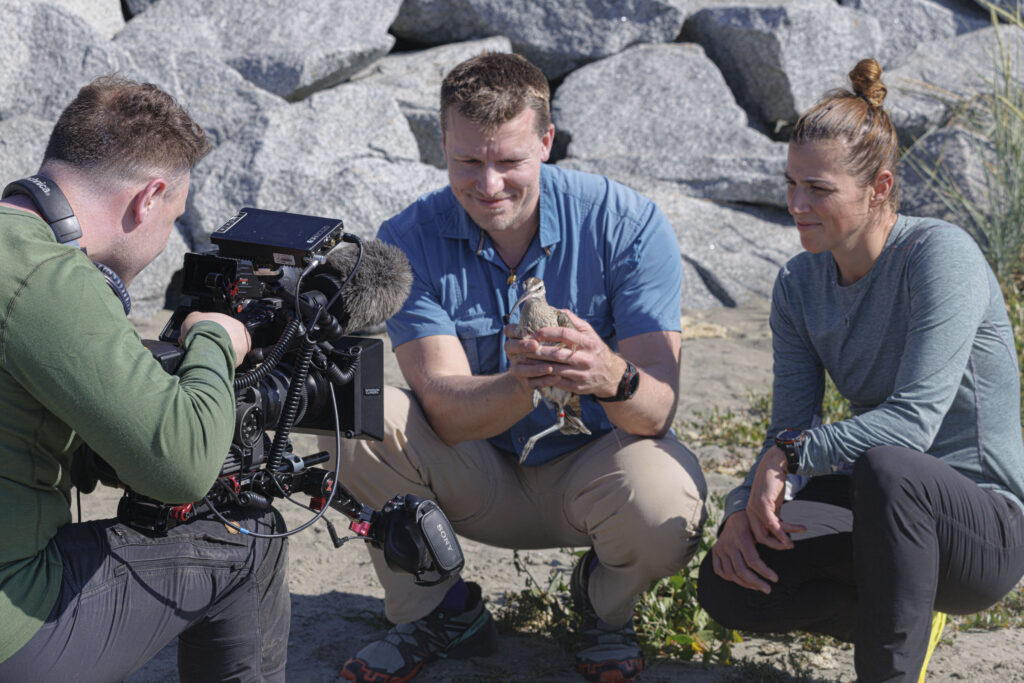
For more than forty years, Peter Gros has taught millions of viewers about the wonders and complexities of the natural world. In each episode of the show, Gros takes the viewer to places around the world they might never visit, from the Peruvian Amazon to Siberia.
His work also hits closer to home. Gros’ work has covered captive breeding and reintroduction efforts of the black-footed ferret (Mustela nigripes) at Cheyenne Mountain Zoo and the National Black-footed Ferrett Conservation Center.

“Unquestionably, Peter Gros, host of Mutual of Omaha’s Wild Kingdom, stands out as one of the most trusted voices in wildlife conservation today,” said TWS member Dan Ashe, the current president and CEO of the American Association of Zoos and Aquariums and former director of the U.S. Fish and Wildlife Service.
And Gros’ contribution to the wildlife profession is tangible. Ashe said that in a recent survey, 77% of AZA professionals credited Mutual of Omaha’s Wild Kingdom with influencing their decision to pursue a career in wildlife.
Gros is deeply honored to receive the award and accepts it on behalf of the entire team at Mutual of Omaha’s Wild Kingdom. “Their support has made so much of my career possible and has given me the extraordinary opportunity to reach millions with an important message: that protecting wildlife and preserving our natural world is a responsibility we all share,” Gros said.
Stephen Webb, advisor to the Texas A&M University Student Chapter of The Wildlife Society
Stephen Webb has been the faculty advisor for the Texas A&M University (TAMU) Student Chapter for three years. In 2026 alone, Webb has led the TAMU chapter to several awards including the Texas Chapter of The Wildlife Society’s Student Chapter of the Year award, the Texas Chapter’s Quiz Bowl Championship and TAMU’s Adair Program of the Year award.
“It’s an amazing honor to receive an award of this caliber and such a humbling experience considering those that received it in the past,” Webb said.
Now a research assistant professor with Texas A&M Natural Resources Institute and Department of Rangeland, Wildlife and Fisheries Management at Texas A&M University, Webb attended Texas A&M University-Kingsville as an undergraduate and was deeply involved with the university’s student chapter. He was president of the chapter the year it won TWS’ student chapter of the year award in 2001. Webb said he always tells his students that the Texas A&M University-Kingsville Student Chapter changed his life and so encourages students to become involved at their university.
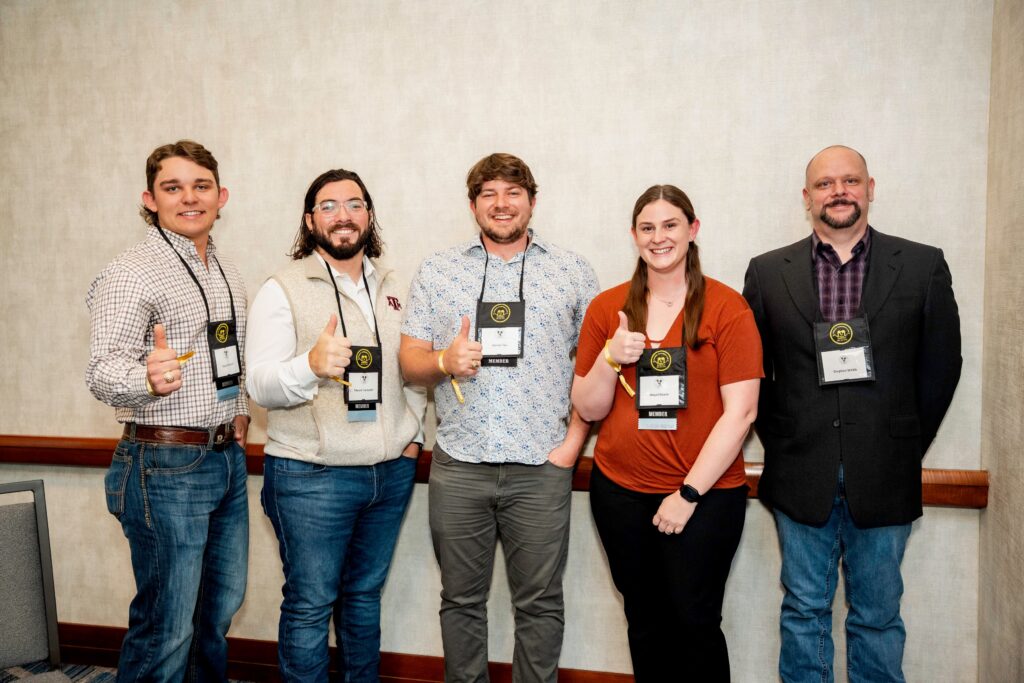
One of Webb’s major focuses as an advisor is professional development. “I learned more this year about wildlife science, about the profession, about how to carry myself as a future professional than I could have imagined,” wrote Kait Cornwell, vice president of the TAMU student chapter, in her nomination letter.
Webb said that at the end of the day, he hopes to have made a difference in his students’ lives and wants them to know they can count on him. His mantra, known to all, encapsulates his philosophy on teaching: “I work for the students.”