



In a suburban Florida neighborhood, the public is unaware of the effects of invasive anoles and chameleons. But research shows they are acutely aware of the collectors drawn to them.
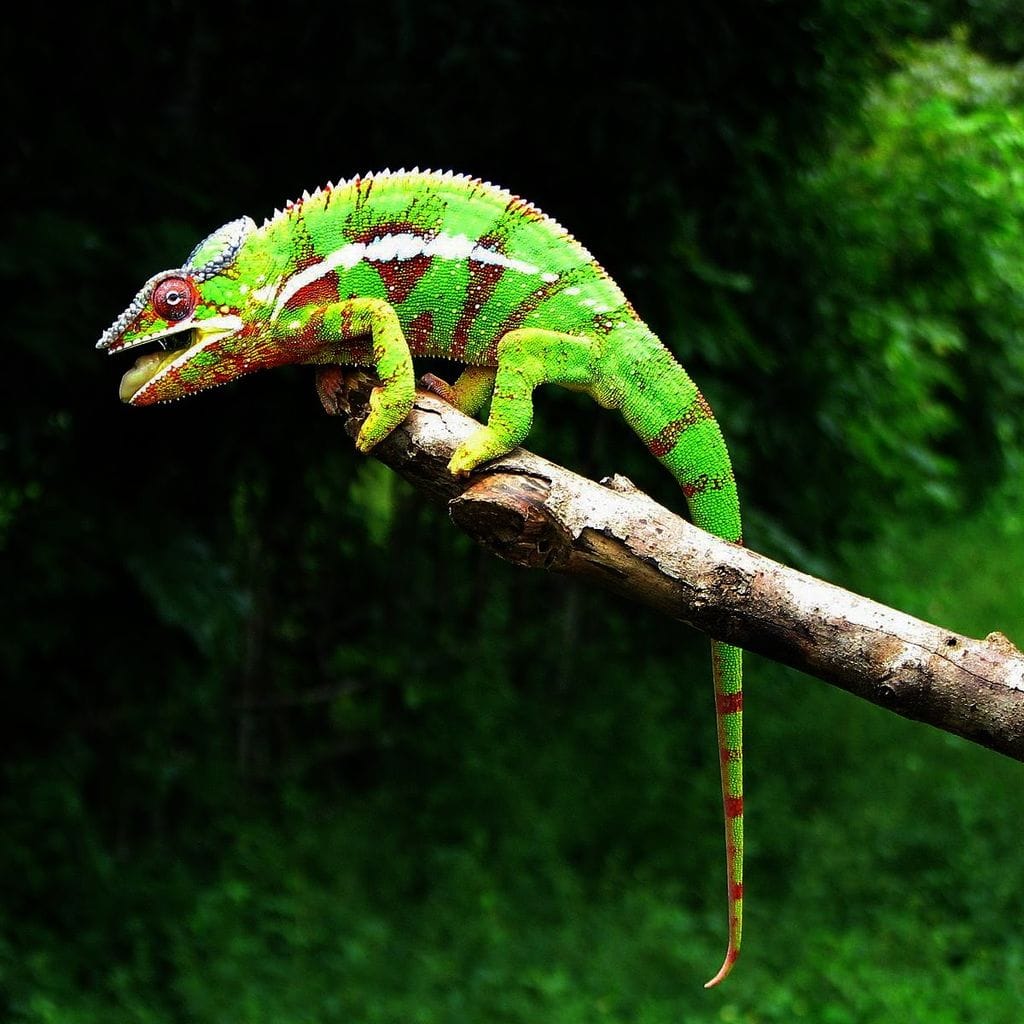
Researchers investigated the presence of nonnative panther chameleons (Furcifer pardalis), a common species in the pet trade, and brown anoles (Anolis sagrei). They also studied how residents perceived them in Orange County, Florida, through anonymous surveys with locals.
While most respondents were aware of the panther chameleons’ presence, few expressed concerns about the reptiles themselves. Residents were instead disturbed by the chameleon collectors. The collectors were reported to trespass on private property, use bright flashlights at night and disrupt the neighborhood. One respondent had a confrontational interaction with individuals who repeatedly entered their yard to collect panther chameleons.
Researchers also found that most residents were unaware that the common brown anoles are a nonnative species. The findings point out the need for better community engagement and education when managing nonnative species in urban or suburban settings. Active management of invasive species can create or exacerbate social conflict, particularly in populated areas. While the chameleon population remains localized, failing to include residents in the planning process could make efforts more difficult, the researchers said.
Read more in Human–Wildlife Interactions.
Article by The Wildlife Society