April 3, 2026 Member Spotlight
Want to be featured? Fill out this form.
Name:
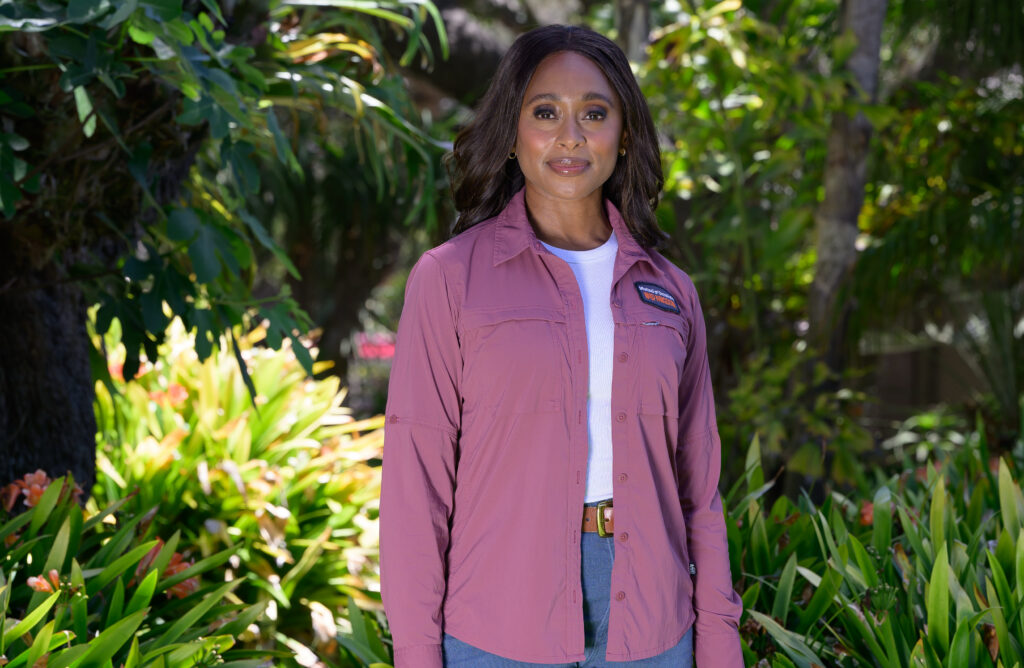
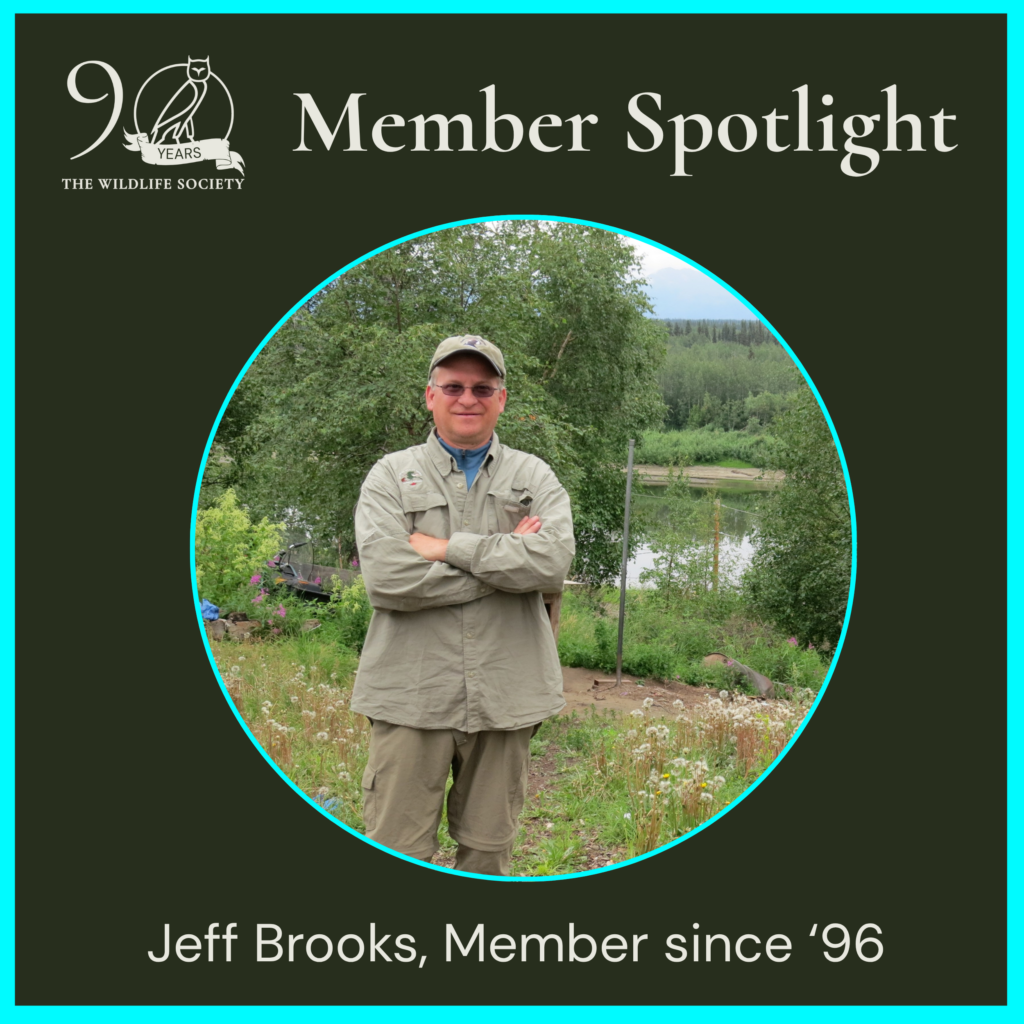
Jeffrey J. Brooks, Ph.D. (member since 1996)
What does 90 years of TWS mean to you?
Like most aspects of a successful career, TWS means accepting and meeting professional challenges because TWS has high standards. I never assume that I will get an abstract for oral presentation or a session proposal accepted at an annual TWS conference. I never assume that I will get a manuscript accepted for publication in a TWS journal. These pursuits are too challenging and competitive at TWS to make such assumptions. When these accomplishments and milestones occur in the careers of TWS members, they feel pride because of the standards that have been developed through TWS over ninety years of professional adaptation and resiliency, ninety years of accepting and meeting substantial challenges. By its very nature and history, TWS facilitates development of a stronger than usual work ethic. This ethic is transferable to one’s day-to-day professional activities, and it is expected to be applied to research, knowledge transfer, and outreach to tribes, stakeholders and all other wildlife constituents. The TWS work ethic is expected to be applied to our work with fish and wildlife habitats, communities and species. This is only part of the story, however. The standards and expectations implicitly and explicitly demand that TWS members work for the perpetual benefit of the people and the resources. Individual accomplishments and successes in our profession mean nothing if the citizenry and the non-human beings we study and serve do not benefit and thrive in perpetuity. People and wildlife will continue to change, and there are numerous and larger challenges on the horizon. Be diligent and be ready. The best way to prepare is to become an active member of TWS or maintain, nurture and grow your current membership.
What do you hope for the next 90 years for TWS?
I hope for another ninety years of high standards, which will enable members to adapt to and meet future challenges for the betterment of human society and wildlife. I also encourage student members to join a TWS working group, and I thank all members of current working groups for their dedication and hard work. These additional duties and responsibilities are difficult to balance with your busy lives and work schedules. Nonetheless, TWS working groups, and the leaders they produce, will ensure a resilient professional wildlife society moving forward.
Favorite Memory with Our Society
I would like to share two favorable memories connected to The Wildlife Society. Most recently, my coauthors and I were invited to submit a manuscript for a special section of the Journal of Wildlife Management published in 2024. The special section was dedicated to a series of papers about indigenous knowledge in wildlife management. Our paper was accepted for the special section. It covered work in Southeast Alaska on an ESA petition for the Alexander Archipelago wolf. The work was sponsored by the USFWS in Anchorage, Alaska and administered by Sealaska Heritage Institute. The research investigated and demonstrated the application of indigenous knowledge to the species status assessment for this particular ESA petition. The coauthors are the indigenous knowledge holders who partnered on the study. I am proud of TWS and JWM for sponsoring the special issue on indigenous knowledge, and I thank Michel Kohl and the late Jonathan Gilbert for their editorial assistance. Secondly, I had a memorable opportunity in 2017 at the 23rd Annual TWS Conference in Raliegh, North Carolina to hear a presentation by panther biologists from the State of Florida about how the translocation of Texas cougars to south Florida had impacted the panther population abundance and health. After the talk, I introduced myself to the speaker as one of the field biologists who had assisted with the release of the cougars from southeast Texas into the Big Cypress National Preserve in 1995-1996. I explained that I had been one of the staff who had opened the crates and watched the cougars walk out into the swamp. Later, I shared some photographs of these events with the speaker via email. The annual TWS meetings are highly valuable for making professional connections and reliving favorable memories.
What is your story of connecting with TWS?
When I began graduate studies at the University of Georgia in 1996, my committee chair, Dr. Robert Warren encouraged me to join The Wildlife Society as a fundamental element of a growing career in wildlife. He told me that it would be invaluable for my career. At that time, I had known Dr. Warren as a supervisor for three years; he had never steered me wrong, so I joined TWS that week. Since joining, my involvement with TWS has included student membership from 1996 to 2004 and professional membership from 2008 to present. I was a member of the Alaska Chapter from 2008 to 2016. I have been a member of the TWS Human Dimensions Working Group since 2010, serving as Board Member-at-Large from 2013 to 2016; Chair from 2017 to 2019; and Past Chair from 2019 to 2021. I have been a member of the Native Peoples Wildlife Management Working Group since 2019. Dr. Warren planted a seed for me in 1996 that is still growing today.