


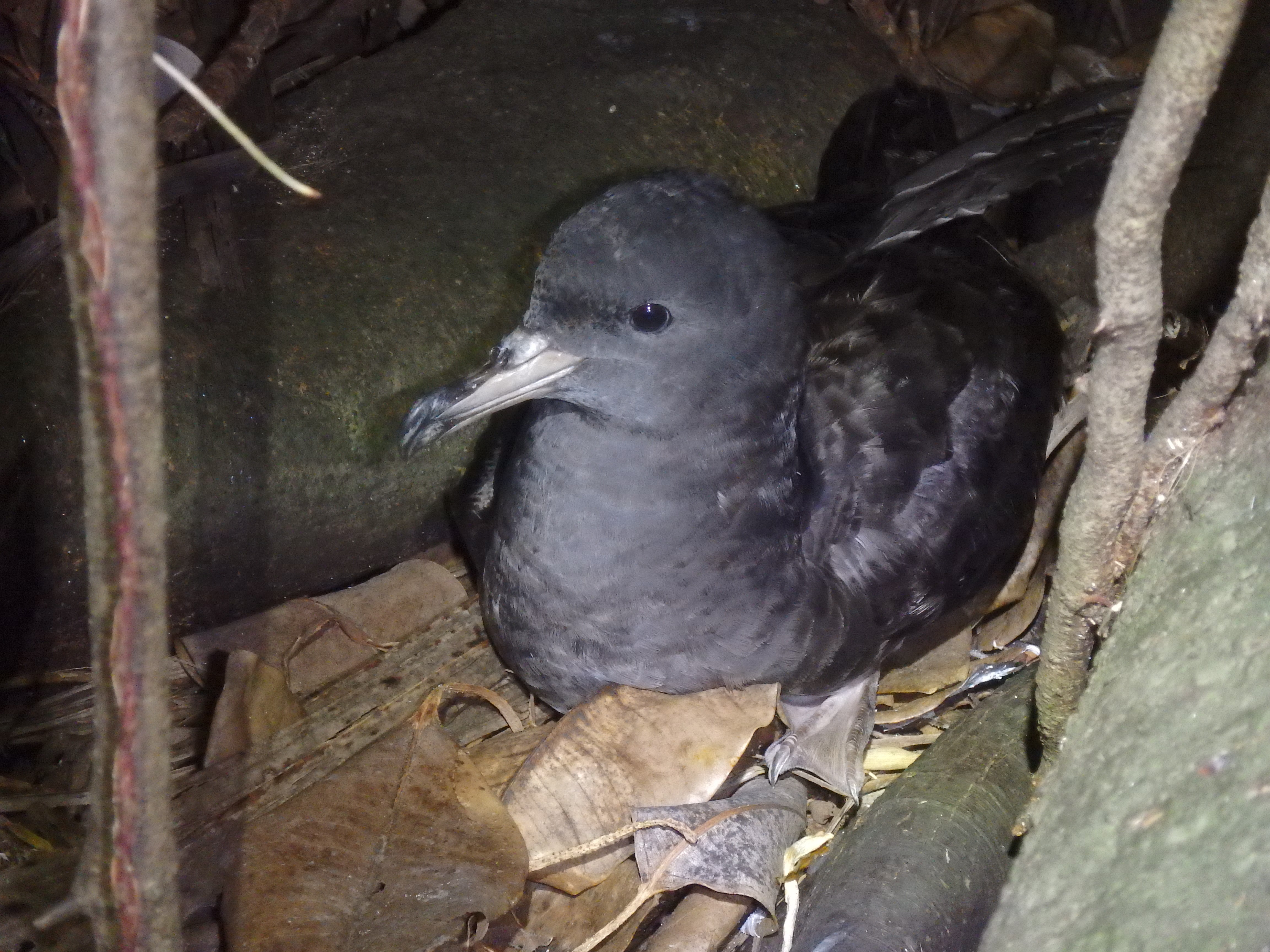
Even small amounts of plastic may reduce the survival of seabird chicks. Sable shearwaters (Ardenna carneipes) nesting in the remote Lord Howe Island in Australia are exposed to plastic pollution that washes ashore. A new 15-year study published recently in the Proceedings of the National Academy of Sciences has found that about 20% of chicks ingest plastic. But even when chicks ingest just 0.5 grams of plastic, the chances of a chick returning to Lord Howe to breed drop by 12%. The population of sable shearwaters on the island is in slow decline, but researchers are concerned that it may increase due to plastic pollution. “For a long time, people have said plastic doesn’t cause population change in the wild. That’s simply not true,” said Alex Bond, Principal Curator of Birds at the Natural History Museum of London and a co-author of the study. “For the first time, using data from 15 years of research, we’ve been able to show that the more plastic seabirds consume as chicks, the less likely they will be able to return to the colony and have chicks of their own as adults.”