

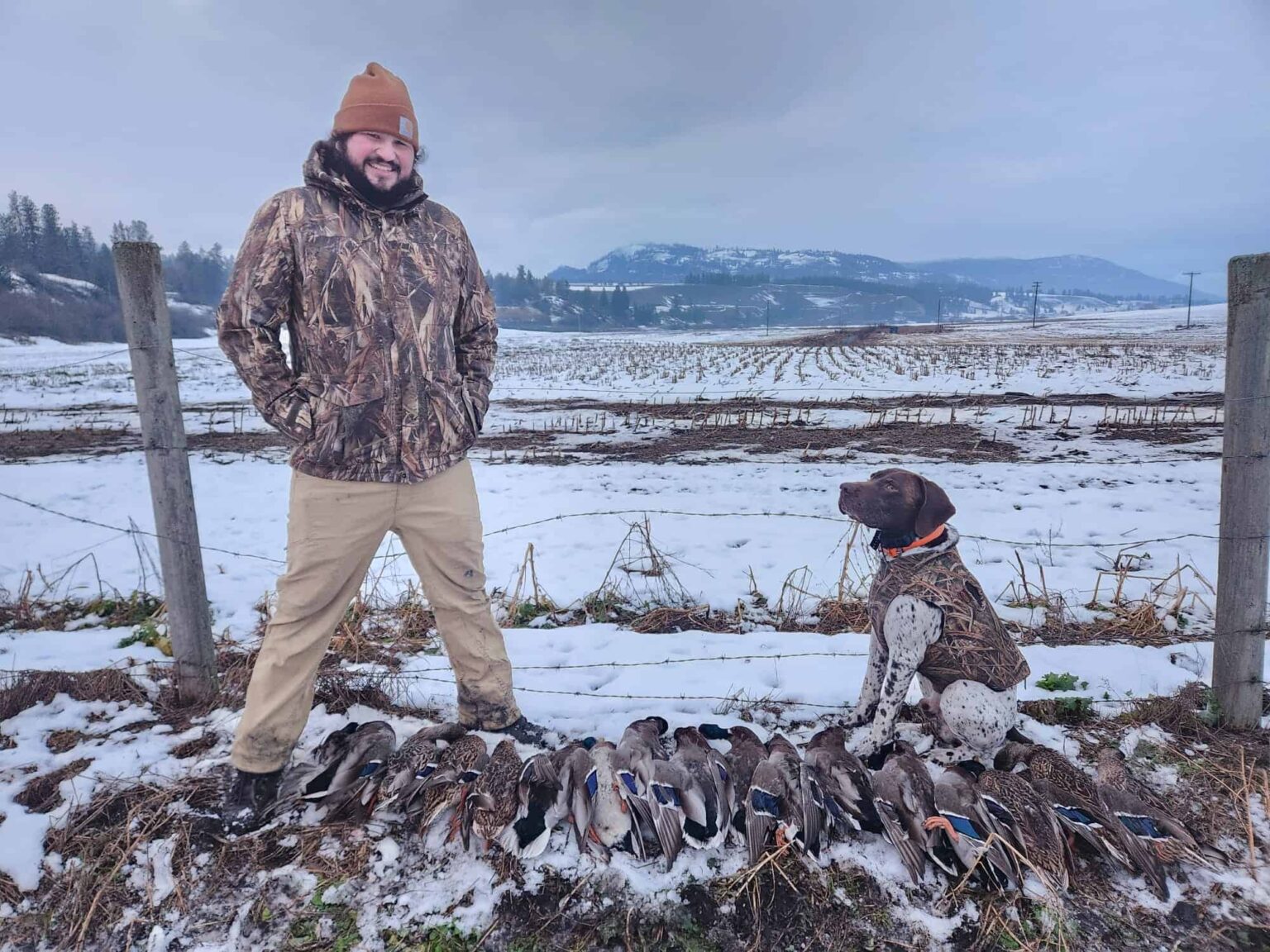
Remington Bracher has been awarded the Ronald F. Labisky Graduate Fellowship in Wildlife Policy for his research bridging Traditional Ecological Knowledge and Western ecology to restore bison harvest in national parks.
Now in its fourth year, the fellowship is open to any full-time graduate student studying wildlife biology, ecology, management or conservation in the United States, Canada or Mexico who has demonstrated a passion, ability and commitment to advancing wildlife policy.
“This recognition feels both humbling and encouraging, as it affirms not only my research but also the personal journey that led me here,” said Bracher, who is a Nêhiyaw (Cree) scholar and member of the Muskoday First Nation. He grew up in Edmonton, Alberta, and is currently a master of science student at the University of British Columbia. “I grew up hunting, fishing and trapping with my parents, and these activities fundamentally shaped who I am as a person,” he said. “They were also the catalyst that helped me along my journey to reconnect with my culture and community. To me, this award reflects the resilience of that journey as much as it does academic achievement.”
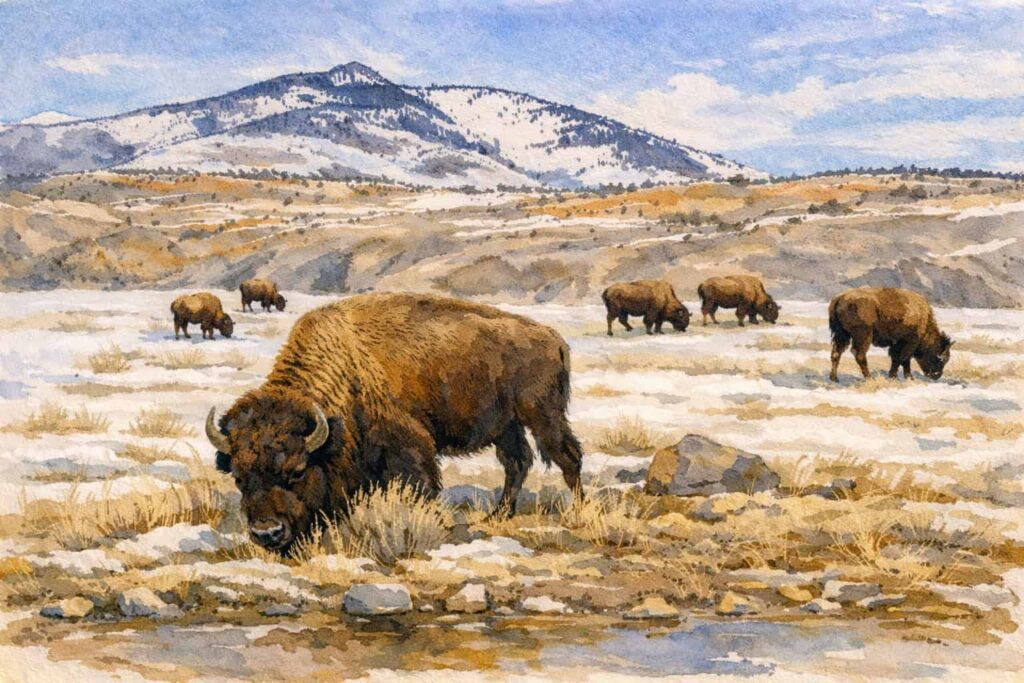
Bracher’s research focuses on restoring bison harvest in Elk Island National Park, which serves as a global conservation hub for both wood (Bison bison athabascae) and plains bison (Bison bison bison). “One shortfall in our current endangered species legislation is the goal of minimum viable populations,” Bracher wrote in his research proposal. But a restoration target that focused on culturally meaningful abundance would “sustain relationships between bison and those whose culture is defined by the species.”
Through his thesis, Bracher will co-create bison harvest models tailored to Parks Canada and Indigenous objectives, set new population goals for herds that support Indigenous food sovereignty through sustainable hunting, and explore co-management strategies and monitoring programs that support species conservation, treaty rights and self-determination. He is guided by past work as a resource management officer for Parks Canada in Banff National Park, assisting in the Banff Bison Reintroduction Project and engagement with Traditional Ecological Knowledge.
“He has been very effective in bridging research with policy and public engagement,” said Glynnis Hood, a professor emerita at the University of Alberta and a TWS member, in his nomination letter for the award. At the national level, Bracher has been engaged in the Student Development Working Group, the Hunting, Trapping and Conservation Working Group and the Native Peoples’ Wildlife Management Working Group. Bracher is the committee chair for education and outreach and is finishing his second term as student director for the Alberta Chapter of TWS, which received the Chapter of the Year Award this year. “Remington has become invaluable at many levels of TWS in both policy and engagement capacities,” Hood wrote.
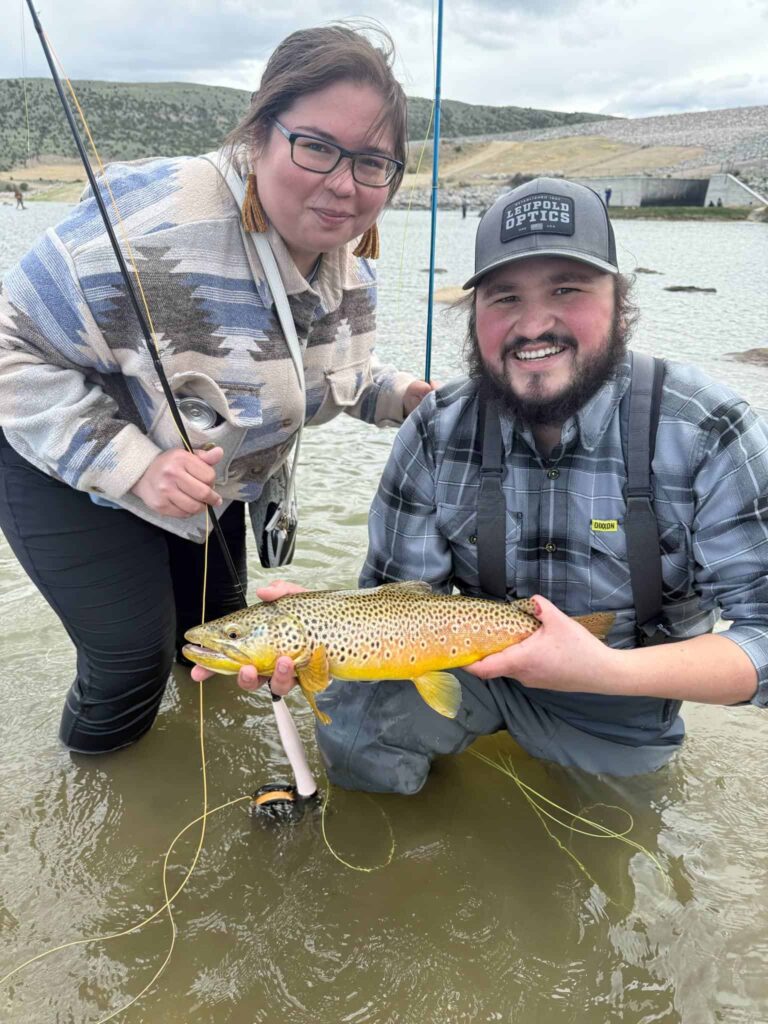
Bracher, who is a former recipient and coordinator of TWS’ Native Student Professional Development Program, said that when he started his education, he wanted to become a wildlife manager for the Province of Alberta. His goals have since shifted. “My goal is to build relationships with local Indigenous communities to create community-based programs that support our treaty rights and Indigenous ways of life.”
Bracher emphasized that Indigenous-led conservation is not only possible but also vital for the future of wildlife stewardship. “By embracing Indigenous worldviews and working collaboratively with [First] Nations, we can demonstrate the vital connection between humanity and the natural world, ensuring that the rich tapestry of biodiversity thrives for generations to come,” Bracher said. He also expressed gratitude for the support from his community that he’s received throughout his education. “This award is not just mine; it’s a shared accomplishment of everyone who has supported me along this journey.”
Bracher will also speak during the opening plenary at TWS2025, “Braiding Knowledge Systems for Wildlife Conservation.”
Article by Olivia Milloway