

For decades, efforts to recruit more hunters and anglers have focused on identifying the barriers that keep women from participating. Women-focused programs are part of broader recruitment, retention and reactivation (R3) efforts aimed at attracting new and lapsed participants to outdoor activities. Research surrounding R3 efforts has focused in the past on understanding what prevents women from participating in hunting and fishing.
Lauren Redmore, a research social scientist at the U.S. Forest Service, and colleagues from South Dakota State University are taking a different approach. In a series of three papers, Redmore and her collaborators have asked: What can we learn from the women who hunt and fish and the challenges they face?
Nationally, hunting is generally declining, and angling participation is not changing much, but research tells us that women hunters and anglers are increasing. Together, the three studies paint a picture of hunting and fishing participation that extends beyond licenses or training classes.
“Skills, confidence and community … those three things together are really the secret sauce,” said Redmore, summing up the findings of the papers.
Across the research, one theme emerged repeatedly: community was a central source of practical knowledge and a pathway to confidence, helping women navigate challenges that might otherwise limit their participation.
To hunt or not to hunt?
Through interviews of women hunters in North Dakota, Wyoming and Montana, Redmore and her collaborators wanted to learn how women make decisions about hunting and ultimately participate.
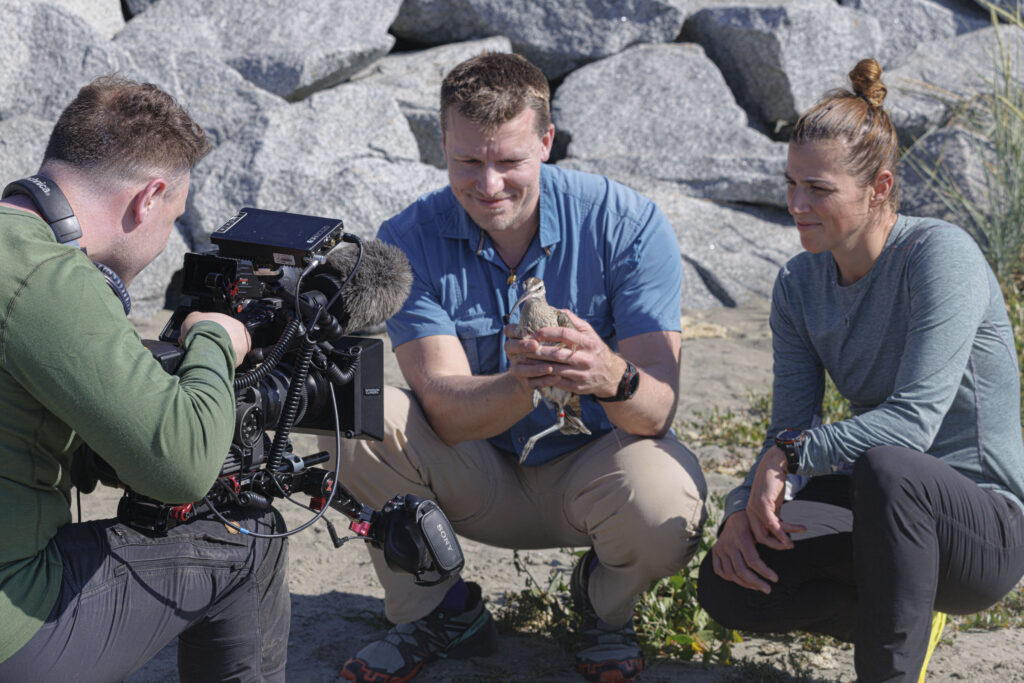
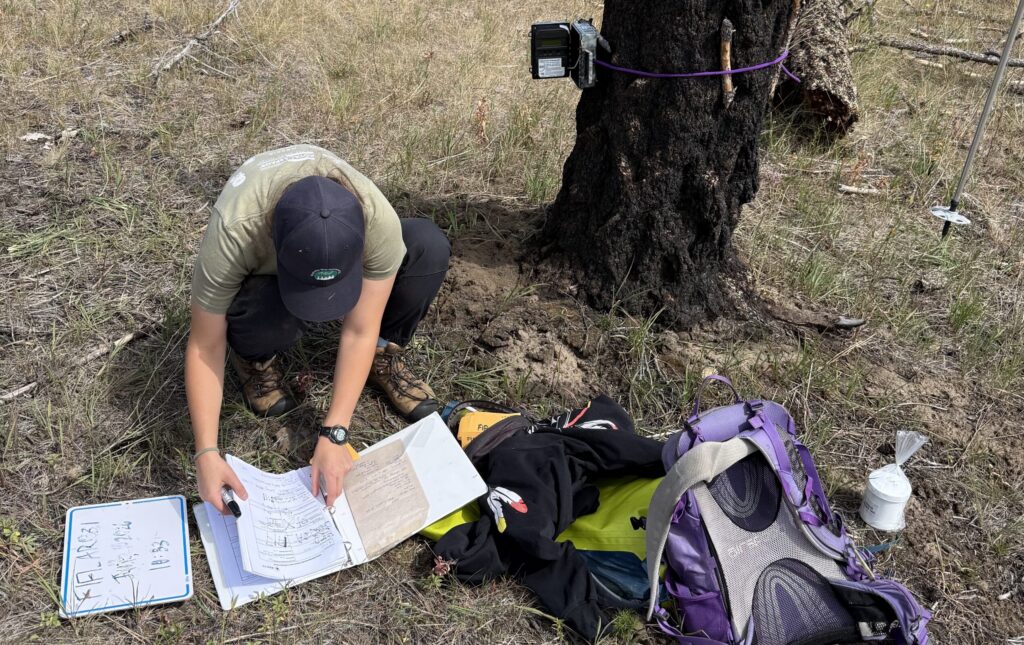
The research team immersed themselves in the experience, taking part in hunts alongside women. What they experienced mirrored the experiences of many women they interviewed.
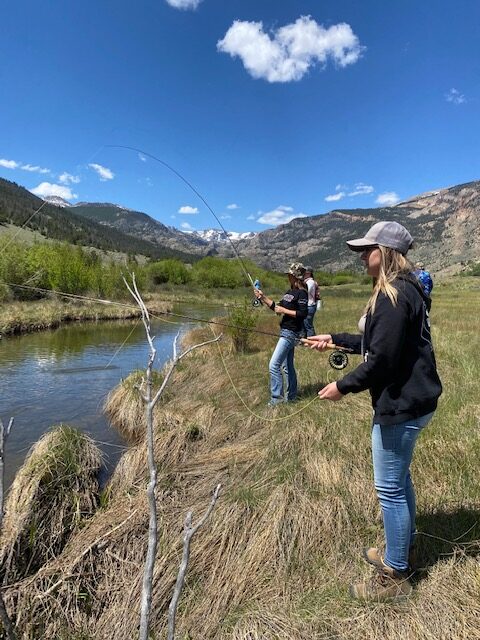
“Barriers are real, but women are still getting out there and doing these things very effectively, very proficiently,” Redmore said.
The study published in the Journal of Outdoor Recreation and Tourism found that women are adaptable to the complex landscape of priorities and challenges they face, often navigating a complex web of considerations to go hunting. Five factors were significant in their decision-making gear: household responsibilities, hunting partners, hunting land access and general pre-planning. Decisions were often interconnected.
What to wear and use
When choosing gear, women weighed affordability and comfort. Participants frequently discussed the challenge of finding clothing and equipment designed for their bodies, while others noted that uncertainty about purchasing the right gear created an additional hurdle.
The findings suggested that gear libraries, where people can rent or try out gear, such as Deer Camp in Montana, help reduce barriers to hunting by lowering costs and allowing women to find products that work for them.
The lack of gear access and the need for more gear libraries were reiterated in social systems mapping, a technique that allows researchers to understand who is involved, how they are connected and how their actions affect one another within a system. The study, currently posted in a pre-publication archive, found that although women were interested in gear, there was a growing but uneven landscape of opportunities to buy women-specific gear.
Finding the time and place
The researchers also found that women often had to negotiate time for hunting within broader expectations around caregiving and household responsibilities.
“A gigantic contributing factor was childcare. If you go out with a partner or even by yourself, women have to find somebody they trust to take care of their kids,” said one participant.
Women want to hunt with their families yet have safety concerns about bringing children into the field. But women find a way.
“For upland bird hunting, I can wear a baby on my back and throw some earmuffs on them,” said another participant.
Women thought creatively about solving the challenge and put in extra effort to ensure children’s safety and comfort. The study suggests that hunter education could address this need by developing courses on safe hunting with children.
Through their research, they also found a core tenet: land access matters. Redmore emphasized that public land is an affordable and accessible solution, enabling women to hunt on their own terms. Their research found that women chose to use public land, in part, because they understood it as land for all.
What makes a hunt successful
Redmore and her team found that when women hunt, they are often focused on using time productively, which many understood as bringing home something to eat. But Redmore stressed that hunting is more than bringing home food. It is time for self and connection with nature and community. In their research, they found that women felt guilty about taking leisure time. To reduce guilt and improve engagement, they found a need for messaging that redefines leisure as strength rather than selfishness—rebranding hunting and fishing as self-care for women. Hunting can be a source of self-care for those who are exhausted and need a recharge.
“Programs are now really focusing on bucking the idea that bringing home something is success,” Redmore said. “Instead, they are recentering the many different ways that you can be successful without harvesting anything.”
Community as a core pillar
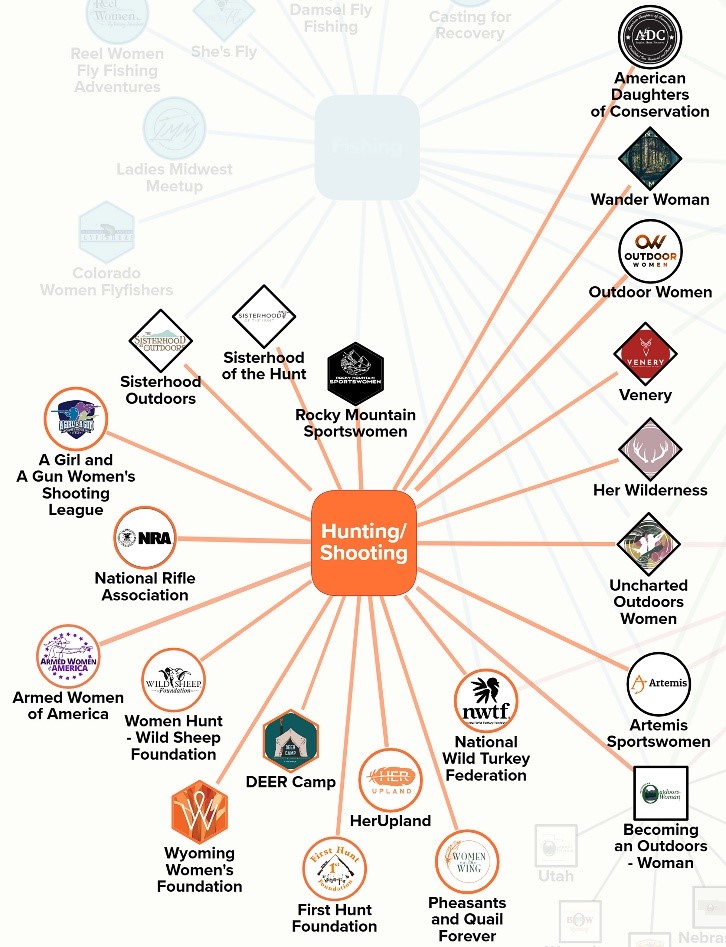
Decisions about who to go with were also important and listed by 70% of participants, suggesting that community was central to whether women hunted at all. While women develop strategies to navigate challenges independently, Redmore and her collaborators’ research suggests that community and social support enable women to hunt. Social support provides the freedom to go out and hunt. Experienced female hunters serve as a resource to less experienced hunters to help them navigate the process. For example, many participants relied on advice about gear from other women hunters,
“Having a mentor who can tell you, ‘Here’s my pee cloth and here’s how I use it,’ is an empowering way for women to learn that there are these tools out there for them,” Redmore said.
Mentorship and community emerged as a core theme in a companion study published in Human Dimensions of Wildlife, in which Redmore and her collaborators used focus groups to understand how the design of programs impacted women’s participation.
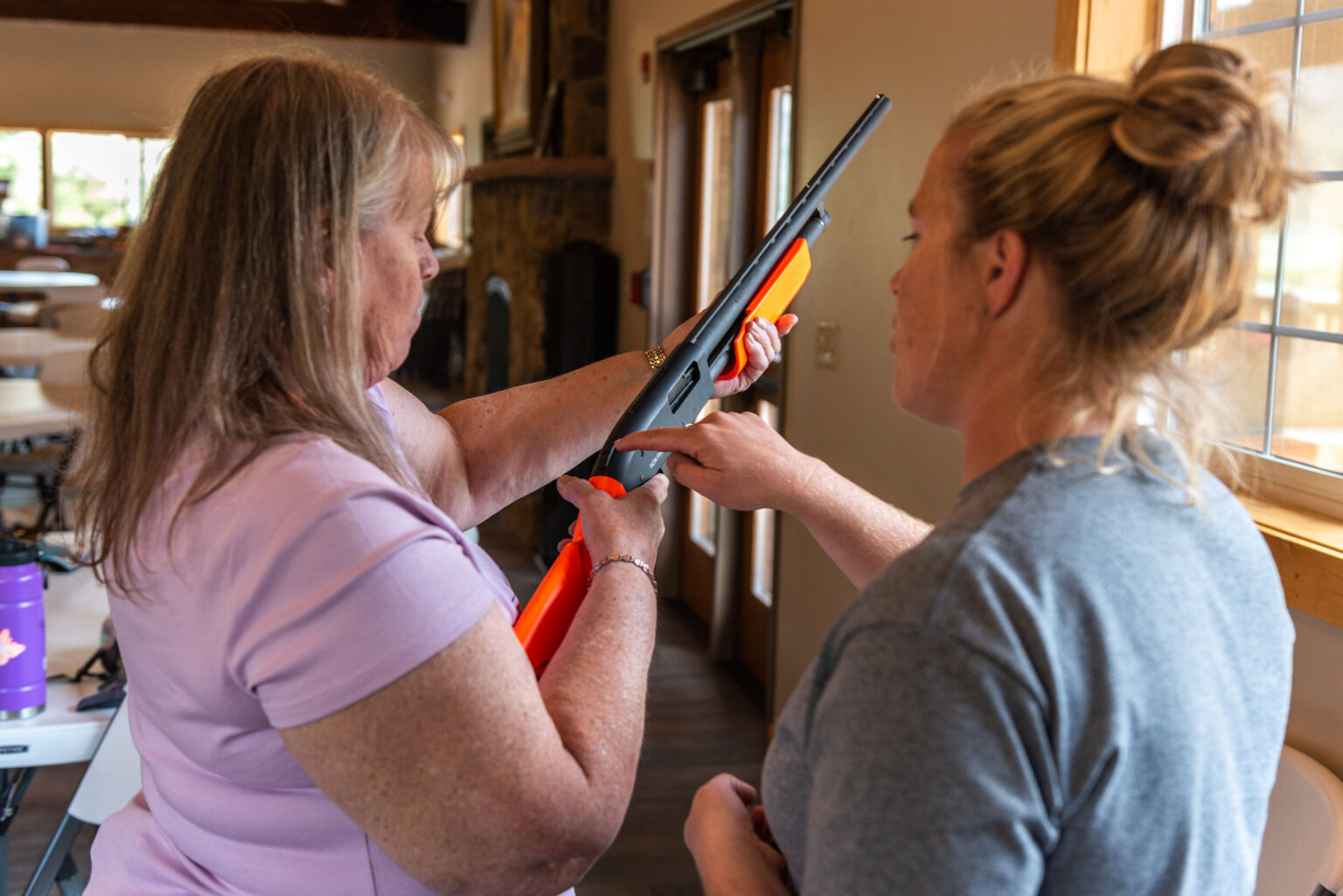
“Just getting to know each other, having fun fishing and handling a shotgun for the first time, [we] weren’t terrified because no one was yelling at us,” said one participant.
The study in Human Dimensions of Wildlife found that participants commonly described connections that led to lasting friendships. It also found that hands-on, in-depth learning opportunities helped women build the confidence necessary for continued participation in hunting.
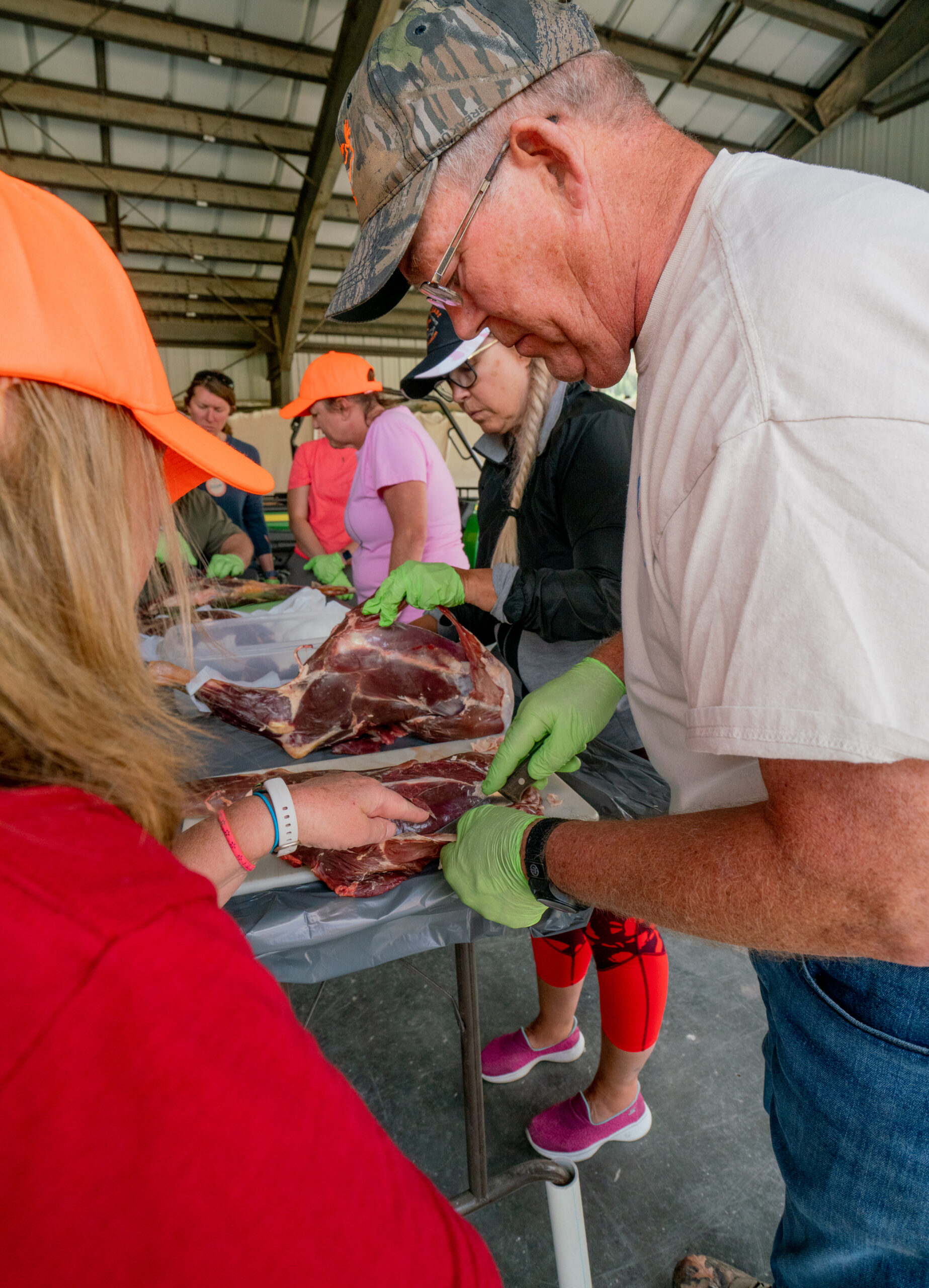
The mapped network of groups and organizations serving women hunters and anglers showed connections across the region, enabling organizations to consider how to deepen ties among groups and expand the scope of what community means.
Together, the three studies suggest that increasing women’s participation in hunting is not simply a matter of teaching technical skills. It also requires creating communities at different scales where women feel welcomed, supported and connected to others with similar interests.
As agencies and organizations seek to sustain the future of hunting and fishing, the collection of research points to a simple but powerful lesson: Women are building the networks and support systems that help others enter and remain in the field, but they often need training and public land to ignite that first spark.
“When we share the outdoors with other people, they can learn to appreciate it, too,” Redmore said.
This article was sourced from USFS’ TreeSearch. We thank USFS for being a dedicated partner of The Wildlife Society.
Article by Kaylyn Zipp