



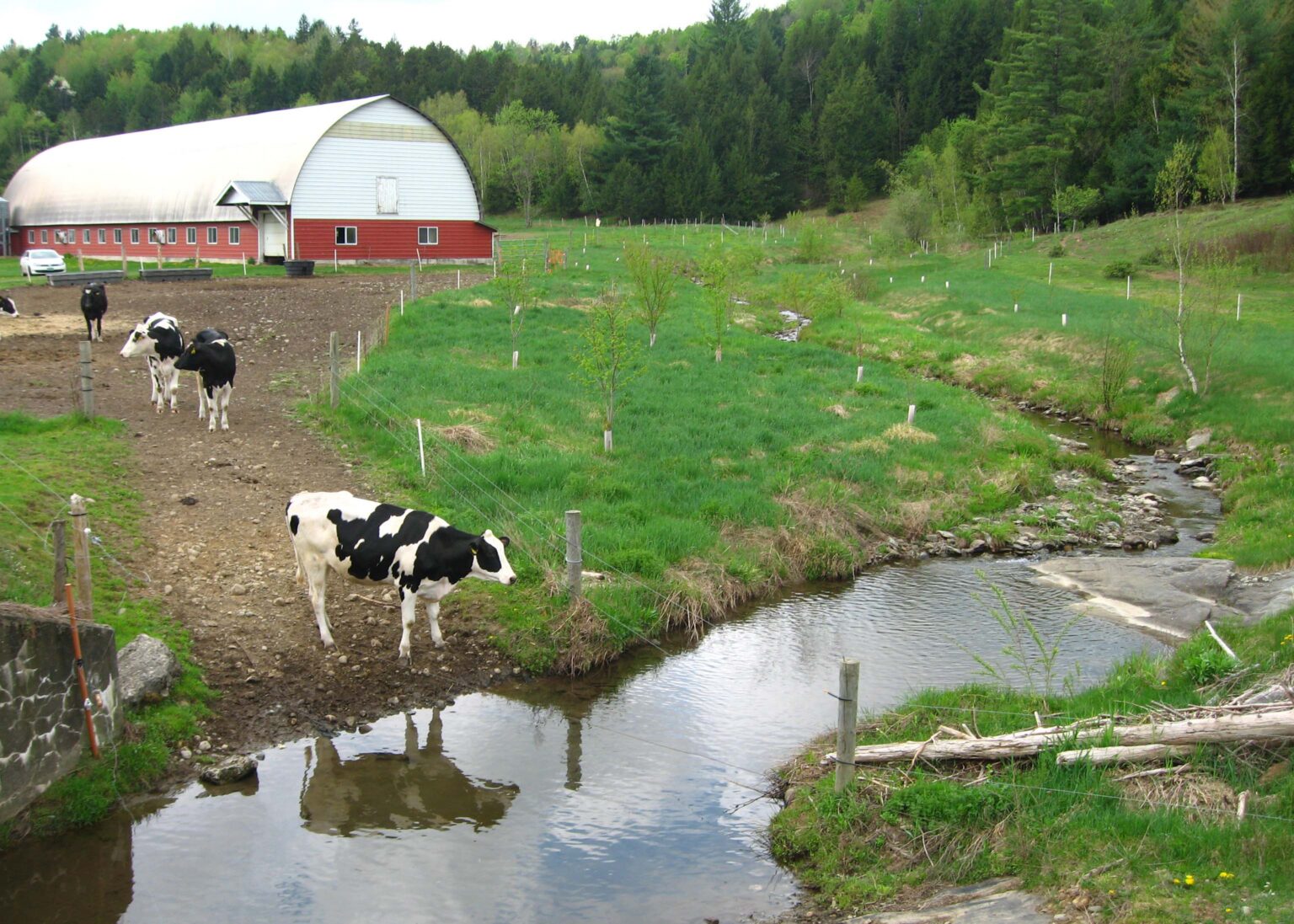
A global study has revealed that forested land around rivers known as riparian buffers play a significant role in protecting wildlife. The researchers examined intact forests alongside rivers with streamside areas converted to other uses and found that natural, vegetated riversides consistently supported 32% more species on average. They also found that the amount of required forest varied depending on the species, with birds and mammals requiring 200-380 meters of forest on each side of the river, while invertebrates only required 6-50 meters. The authors found that 23 of 30 countries with high forest loss do not have national-level policies to protect riparian buffers as a strategy for biodiversity conservation, despite their importance. In North America, Mexico has federally mandated riparian zone protections, while the U.S. and Canada do not. The results suggest that forested zones around rivers may be important to conserve and promote as humans continue to modify the landscape.