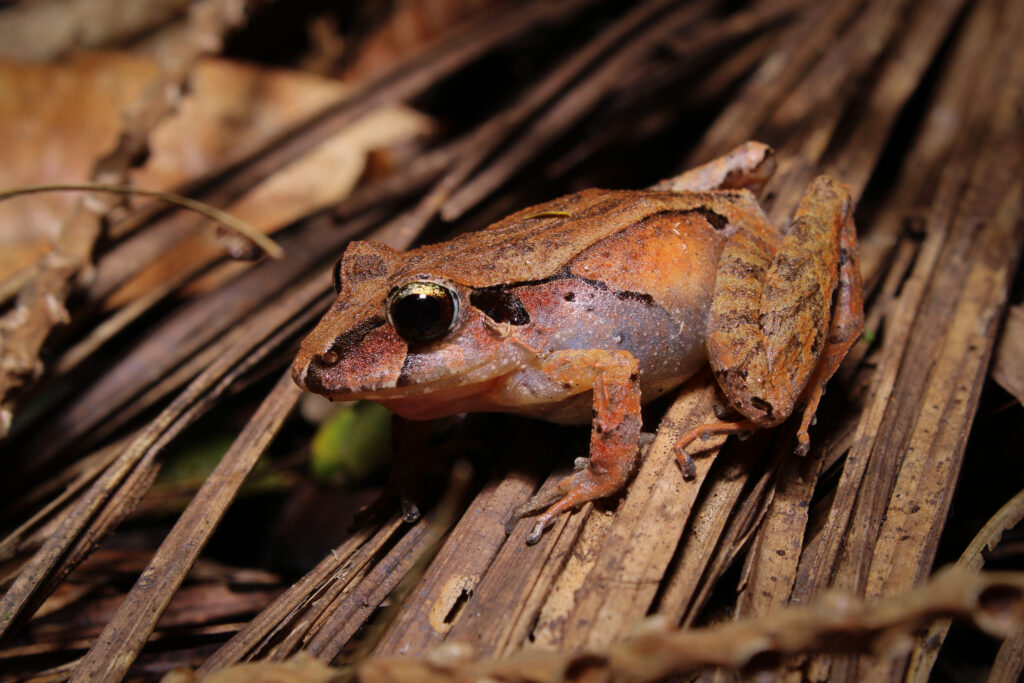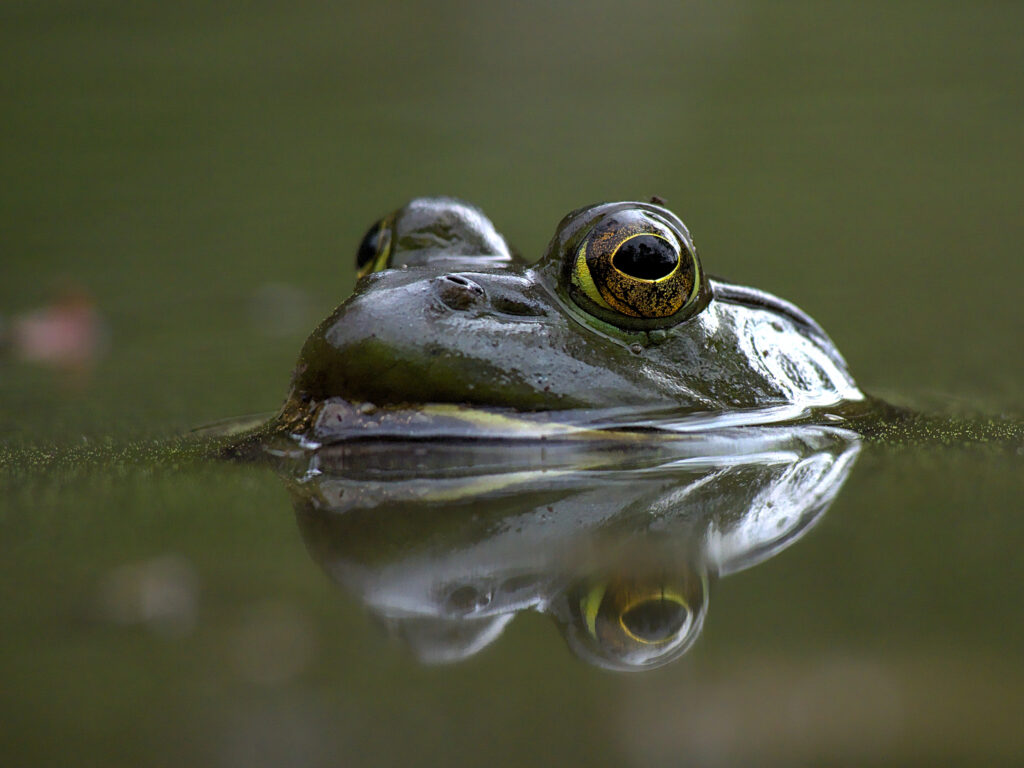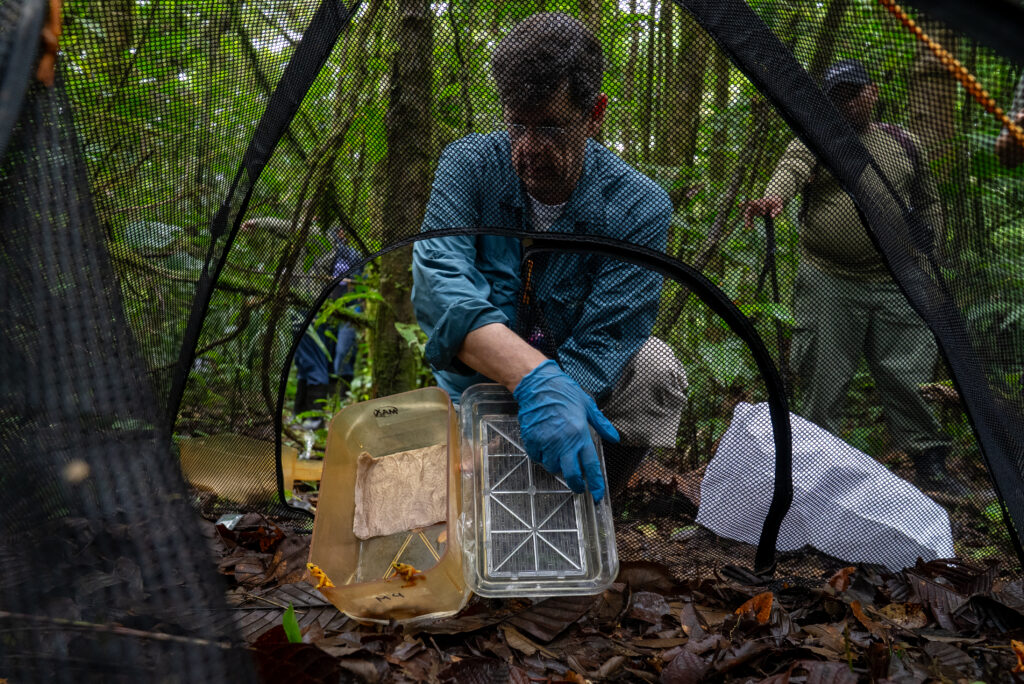






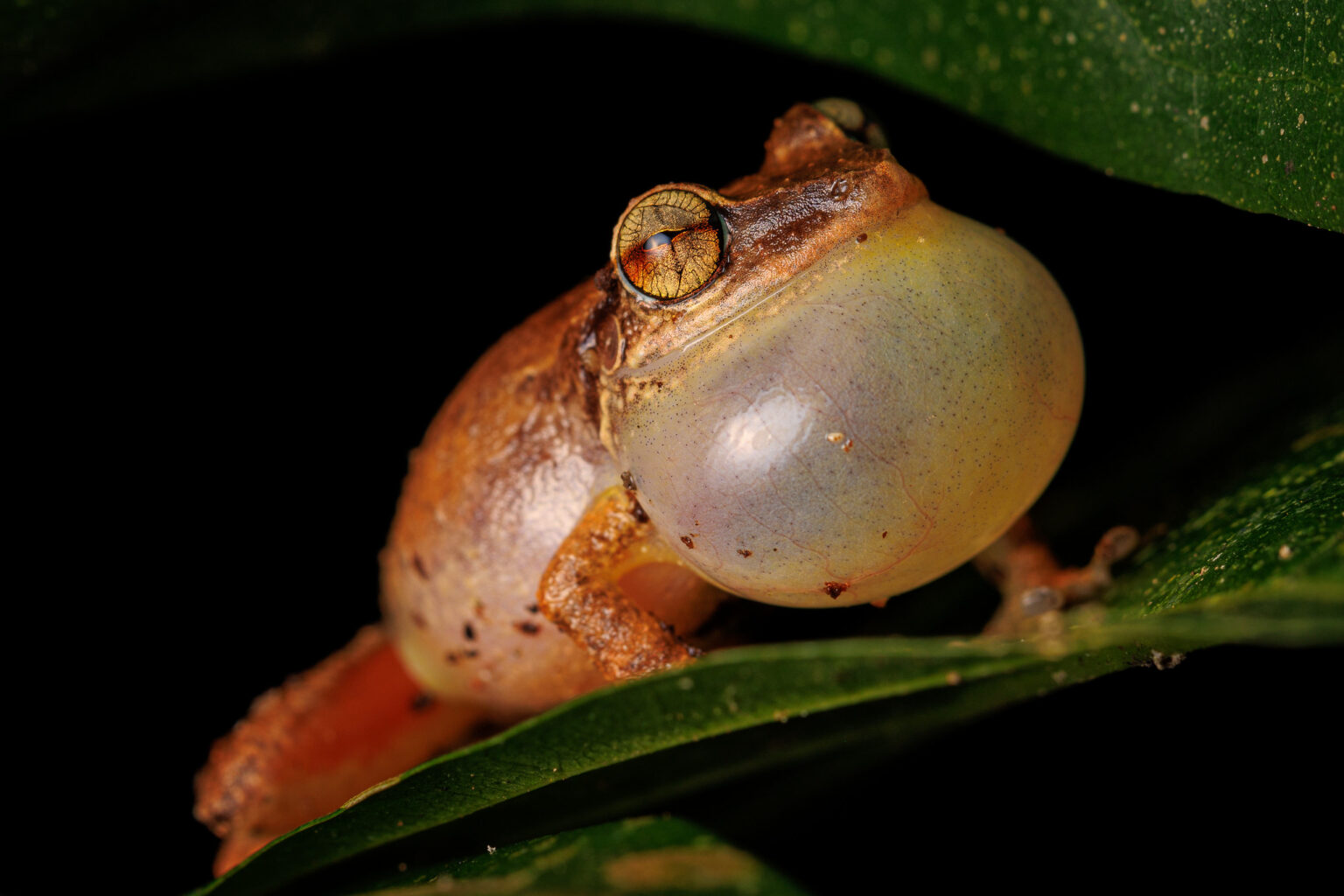
Young frogs disregard fighting disease in favor of faster growth—until the illness gets serious. Researchers have found that growth is the most important factor for young frogs with limited energy to spare, as larger sizes give them a better chance of survival. They modeled data taken from common coqui frogs (Eleutherodactylus coqui) infected with the chytrid fungus, Batrachochytrium dendrobatidis. The model revealed that young frogs prioritized growth early in their development and only began to spend energy fighting the disease when infection levels became severe. “We found that individuals invest in growth for as long as they can, and only to switch to immune defenses when the pathogen becomes a real threat,” said Zuania Colón-Piñeiro, lead author of the study published recently in the Journal of Animal Ecology, in a press release. These results, the researchers said, could inform strategies for releasing captive-bred amphibians in areas where disease is prevalent—older, head-started frogs may be better equipped to deal with infections.