




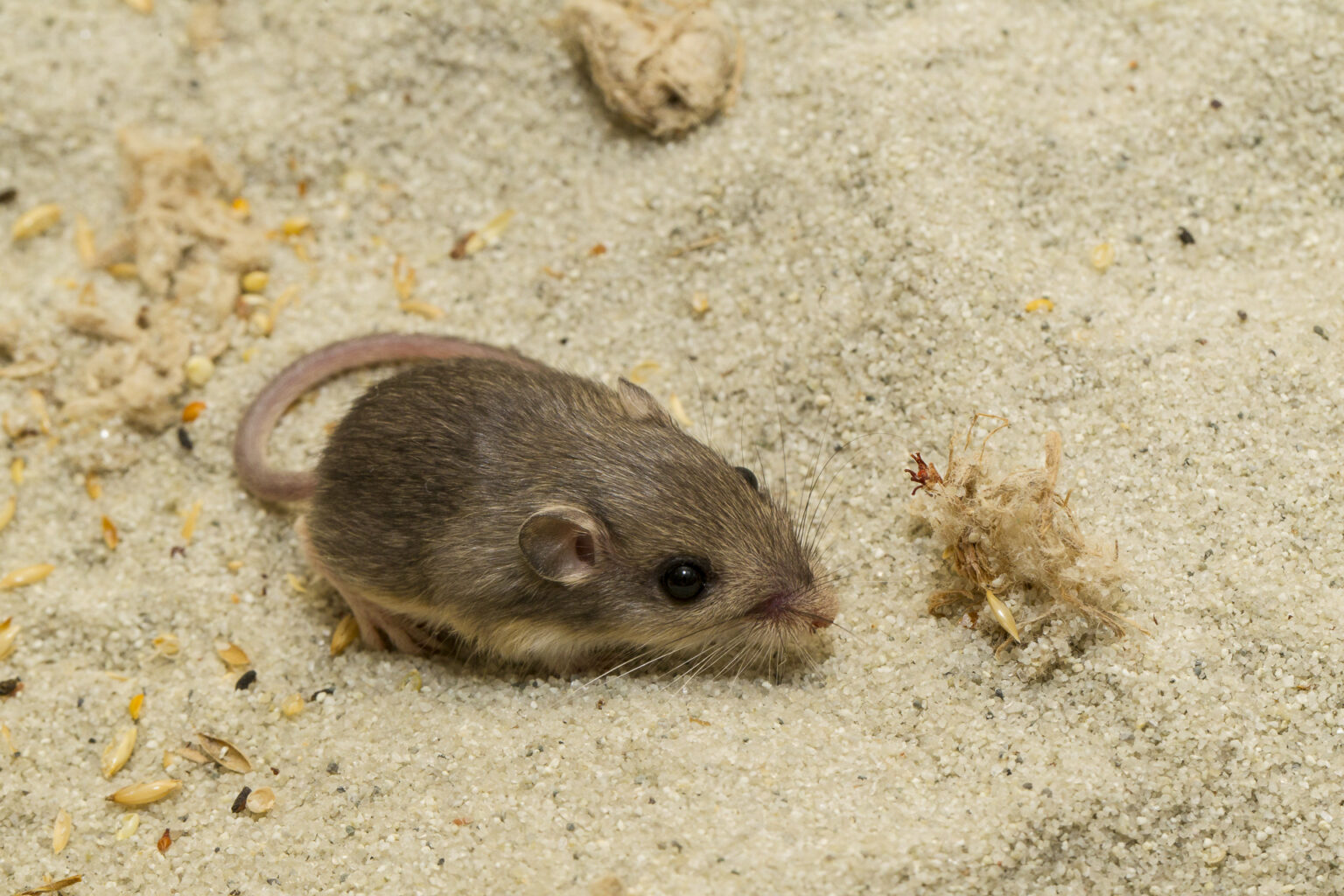
Genetic research reveals that endangered pocket mice may be able to adapt to climate change. The Pacific pocket mouse (Perognathus longimembris pacificus), listed as endangered by the U.S. Fish and Wildlife Service, is only found in small, well, pockets of the Southern California coast around Los Angeles. Scientists believed the main threats to these mice were habitat loss and climate change. But a new study published recently in Science Advances identified mouse genes related to adaptation to temperature and moisture. By tracking a reintroduced population of the Pacific pocket mouse, the researchers found that the genes adapted to the climate in subsequent generations. Still, the future of these mice is uncertain, as the small population faces other pressures that could cause the extinction of them and their genetic diversity. “Once that’s lost,” Erik Funk, a conservation geneticist with the San Diego Zoo Wildlife Alliance, told Science News, “it can’t be brought back.”