

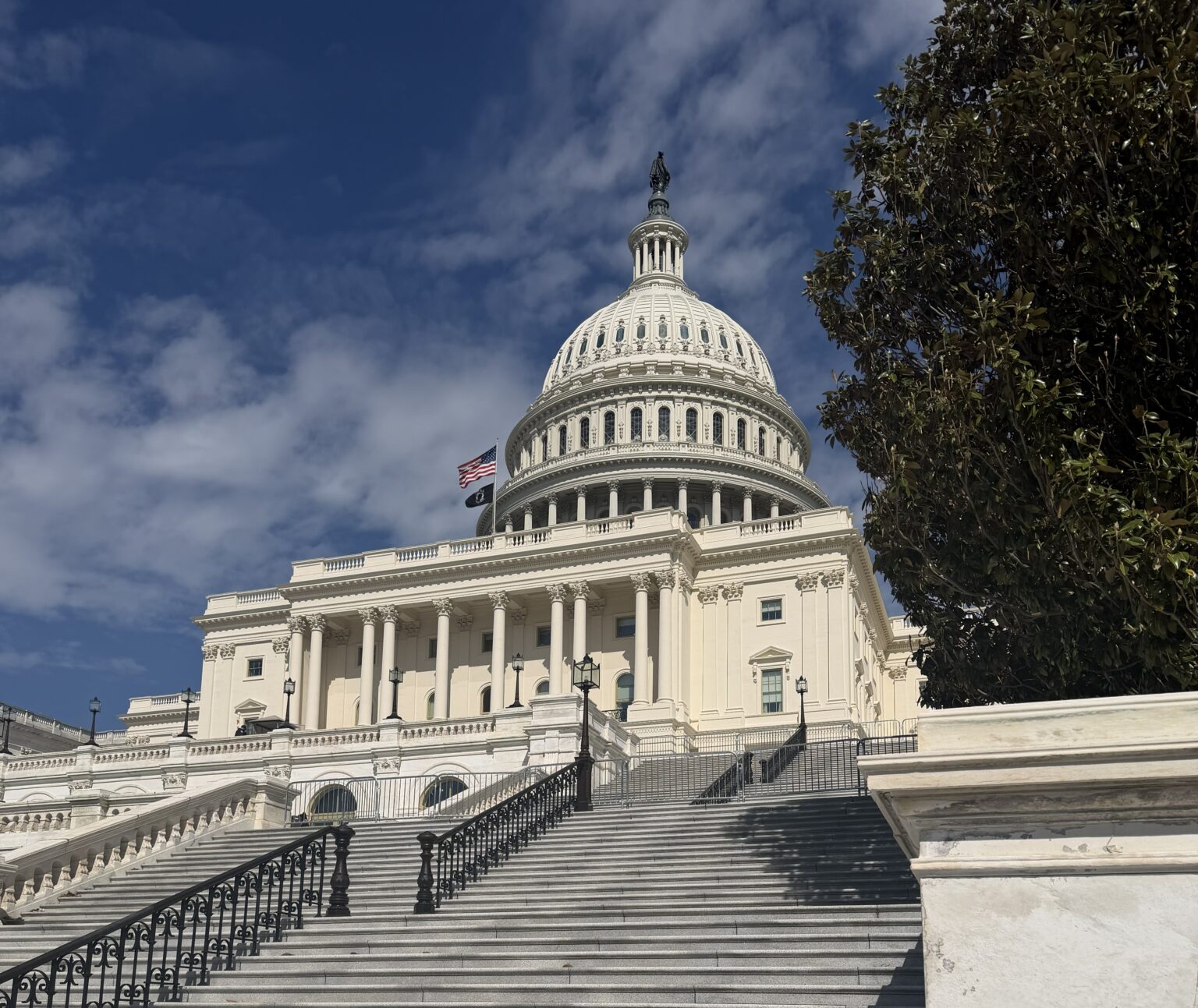
The Wildlife Society has visited Capitol Hill alongside our partners to discuss the benefits of proactive conservation funding and wildlife crossings.
CEO Ed Arnett and staff visited representatives’ offices and attended briefings that TWS sponsored on the State and Tribal Wildlife Grants Program and Wildlife Crossings.
These two initiatives aimed to underscore the importance of proactive, science-driven conservation. TWS came together with several long-time organizational partners, including the Native American Fish and Wildlife Society, the National Wildlife Federation, ARC Solutions and the Association of Fish and Wildlife Agencies to have conversations highlighting the importance of communicating and educating about wildlife science.
“The importance of the State and Tribal Wildlife Grants Program cannot be overstated,” said The Wildlife Society’s CEO Ed Arnett. “Any loss of funding for this program threatens wildlife conservation efforts by state and Tribal wildlife agencies and ultimately may trickle down to impacts on wildlife populations, their habitats and the outdoor recreation economy driven in part by wildlife-related activities.”
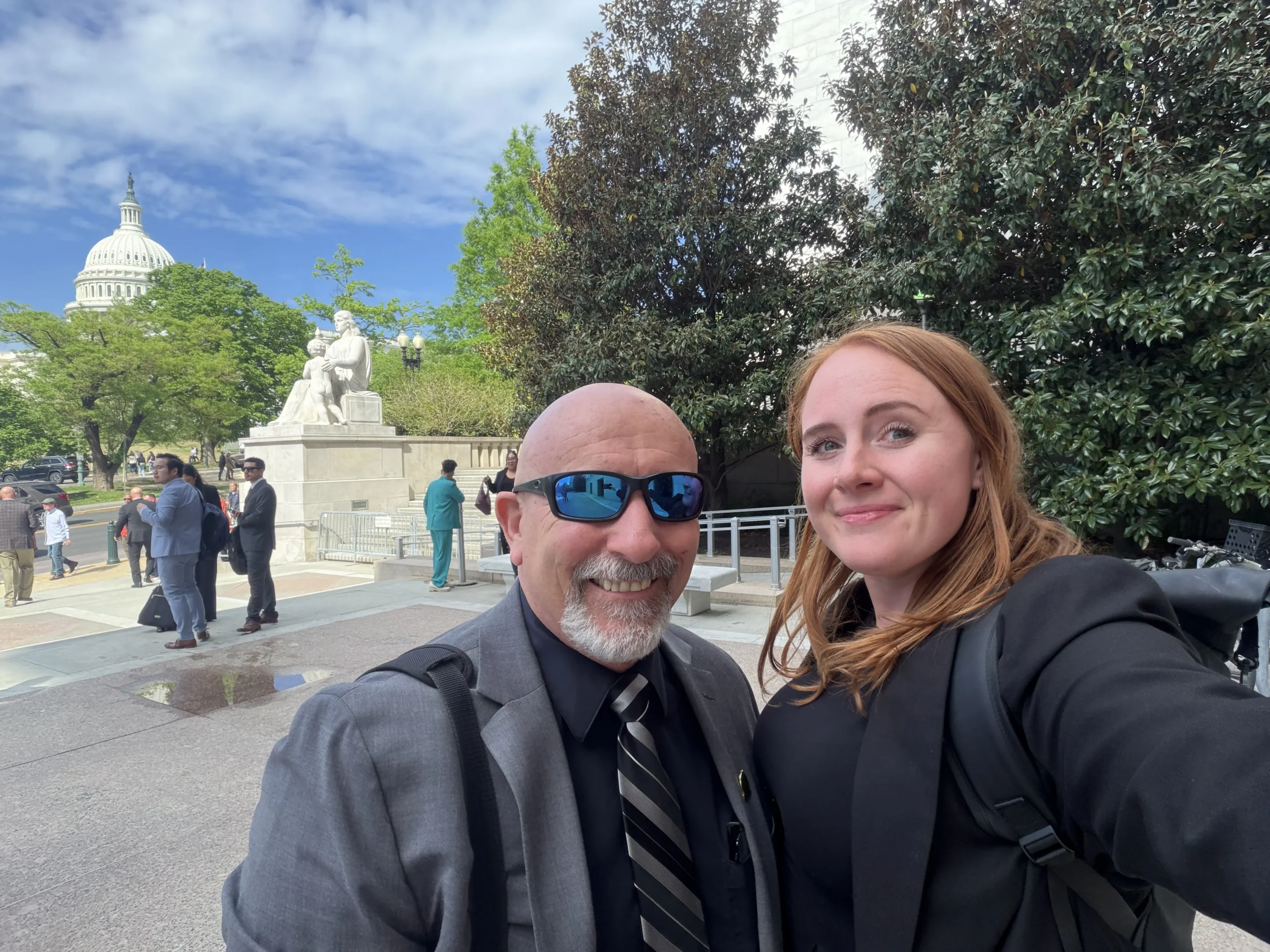
Renee Callahan, the executive director of ARC Solutions, an advocate for wildlife crossings, spoke about the importance of wildlife crossings for human and wildlife safety. “Reducing motorist crashes with wildlife is a bipartisan issue that can be solved today by ensuring continued investment in crossing infrastructure, which has been shown to lower collisions by up to 97%, a virtually unprecedented return on investment,” she said.
At the wildlife crossings briefing, attendees watched videos of deer successfully using the crossings and listened to Sen. Don Beyer (D-VA) emphasize how wildlife crossings can yield measurable outcomes for both people and wildlife. The briefing highlighted how wildlife crossings reduce wildlife-vehicle collisions and benefit wildlife connectivity, particularly as legislation moves through the House of Representatives and Senate to fund and expand the Wildlife Crossings Pilot Program. The briefing spoke to the powerful intersection of infrastructure and conservation for delivering benefits for public safety and wildlife.
TWS and our partners also spent the week discussing the need for sustained and increased funding for State and Tribal Wildlife Grants to support State Wildlife Action Plans, which serve as blueprints for conserving at-risk species and habitats. State and Tribal Wildlife Grants invest in proactive conservation to help prevent species identified by states and Tribes from further decline. These grants are important for preventing species decline before they require protection under the Endangered Species Act, which helps reduce long-term costs. The briefing featured a panel where speakers discussed the local impacts of conservation grants in Indiana and Wyoming.
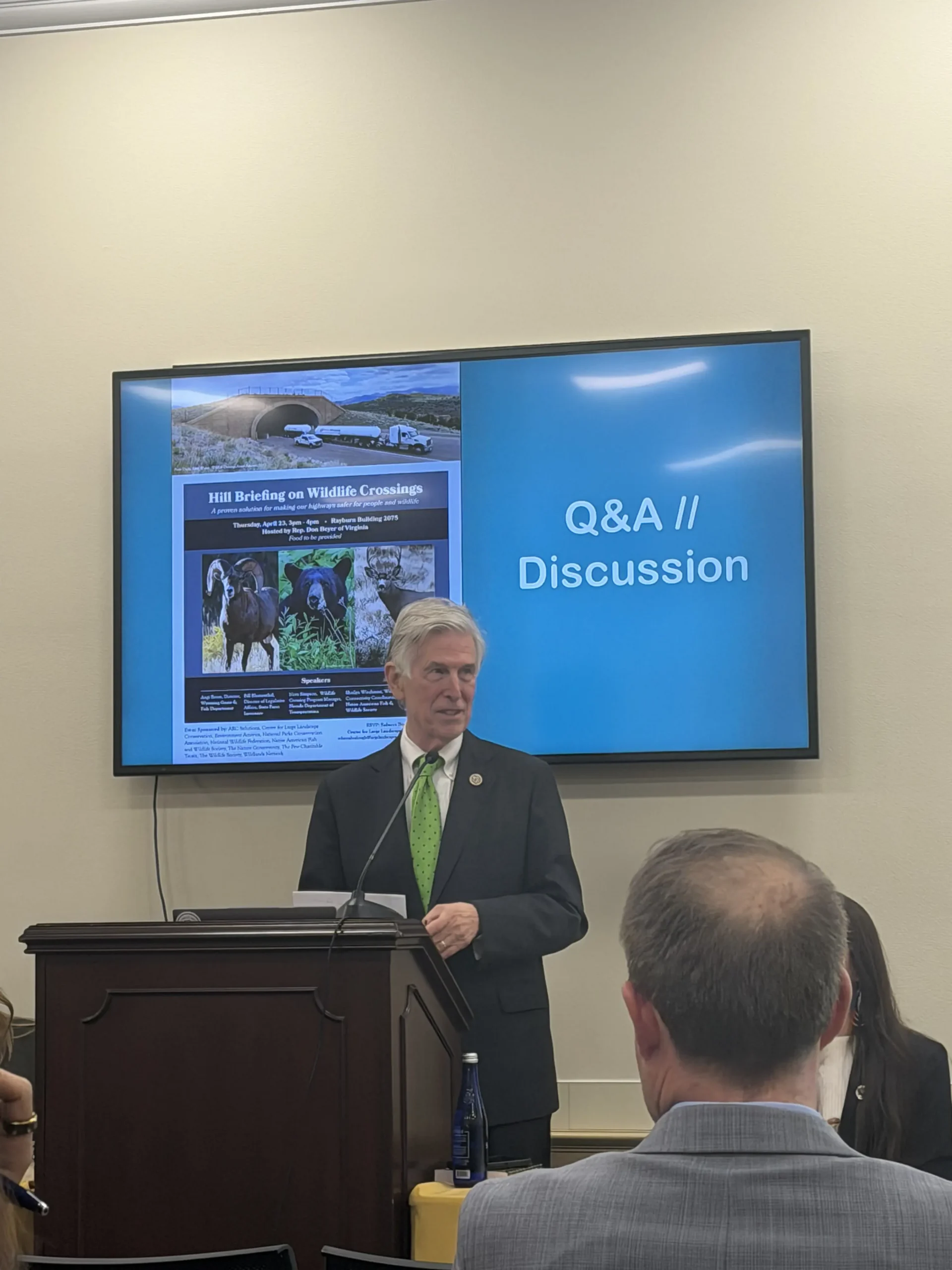
Programs like State and Tribal Wildlife Grants and initiatives like wildlife crossings depend on continued support, clear communication of their value and strong, diverse partnerships.
“We are incredibly grateful to our rock-star panel of experts, including Bill Blumenthal of State Farm Insurance, Nova Simpson of Nevada Department of Transportation, Angi Bruce of Wyoming Game and Fish, Shailyn Miller of Native American Fish and Wildlife Society and Jason Smith of Jacobs Engineering Group, for taking time to share their perspectives on the myriad safety, economic and other benefits anticipated to accrue from continuing dedicated federal funding for wildlife crossing infrastructure,” Callahan said.
Article by Kaylyn Zipp