




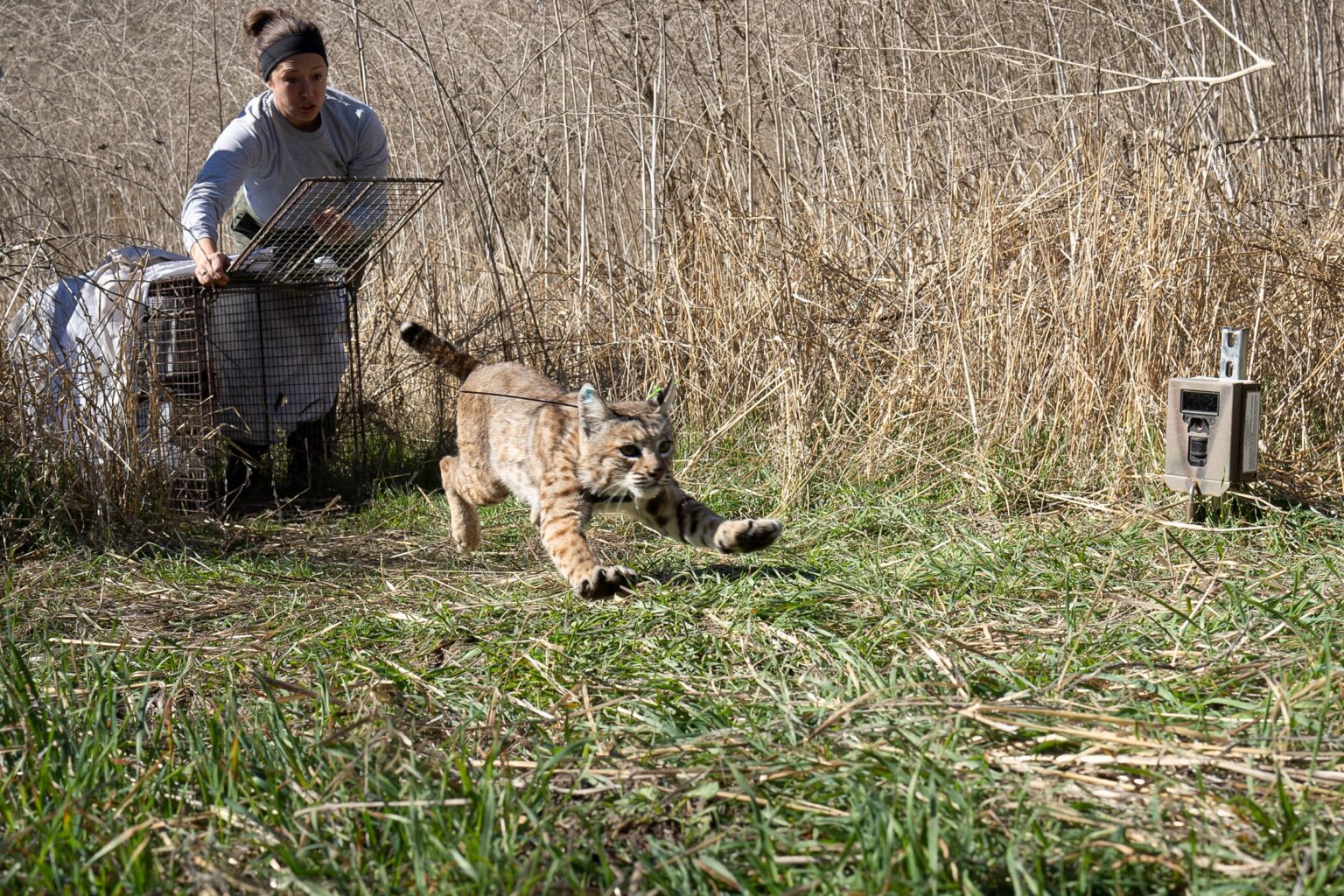
The bird flu has greatly affected predatory mammals that eat the carcasses of infected animals. The deadliness of the recent outbreaks of highly pathogenic avian influenza (HPAI) in mammals like elephant seals (Mirounga leonine) has caught the profession’s and public’s attention. A new study in New York examined the survival and mortality of HPAI in bobcats (Lynx rufus), a species recovering from population declines in the state. Researchers tested the blood of bobcats for an immune response to the virus and followed the cats after they were released with GPS collars to determine exposure and survival of HPAI. The study found that one in four cats showed signs of past exposure to the virus because antibodies were present in the blood. One of the animals that did not have the pathogen during the health assessment and did not test positive for antibodies in their blood died five weeks after release due to HPAI infection. Currently, it is unclear why some individuals survive and others do not. However, understanding the prevalence of infection, death and survival is important to prevent declines in vulnerable carnivore populations.