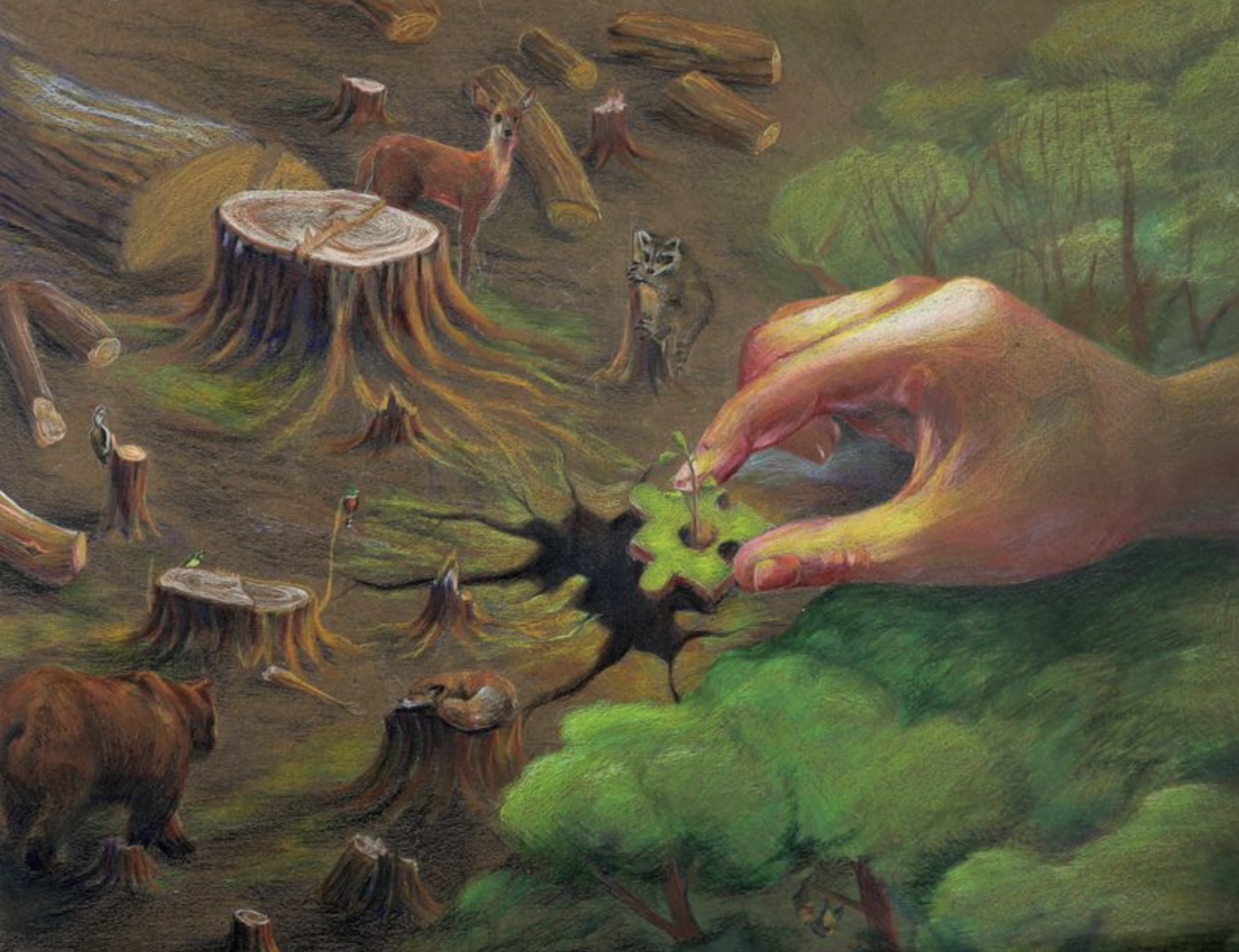
A team of experts is launching an ambitious effort to create the first comprehensive assessment of nature in the United States and is weaving the expertise of wildlife professionals into it.
Carrying on work canceled under the Trump administration, The Nature Record, currently at 868 pages, brings together knowledge, storytelling and public participation to create a picture of nature across the nation. The Nature Record covers everything from marine ecosystems to how nature interacts with health and well-being, and the role it plays in local economies and community resilience. The Nature Record has invited people from across the country to help shape the national conversation on nature.
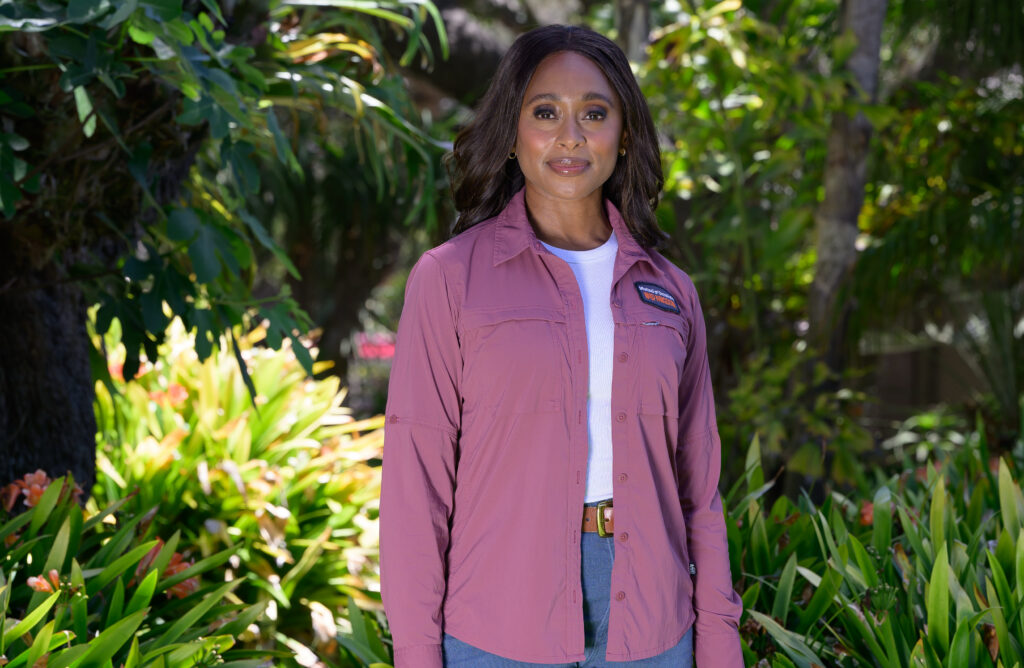
“We need everybody’s voice in there,” said Phillip Levin, the director of The Nature Record. “If we’ve left something out that’s really important to someone, I think we’ve done a disservice, so we’d like to know that.”
The Nature Record intends to help communities, businesses and policymakers make more informed decisions about conservation, development, climate resilience and economic planning.
The birth of a nature assessment in the U.S.
Levin was formerly part of The National Nature Assessment under the Biden administration. The National Nature Assessment is intended to be a comprehensive, first-of-its-kind evaluation of the status, trends and future of U.S. lands, waters and biodiversity. Starting in 2022, the National Nature Assessment was just beginning to work with federal agencies and begin the lengthy pursuit of summarizing the value of nature. When the Biden administration ended, The National Nature Assessment was terminated, but Levin and his team decided to carry on the work as The Nature Record. The Nature Record builds on the original assessments’ foundation, looking to make the biggest impact under new conditions.
“When priorities changed, it was disappointing,” Levin said. “Even so, everybody involved with the project realized that what we were doing is really important. It was needed, and so we kept going.”
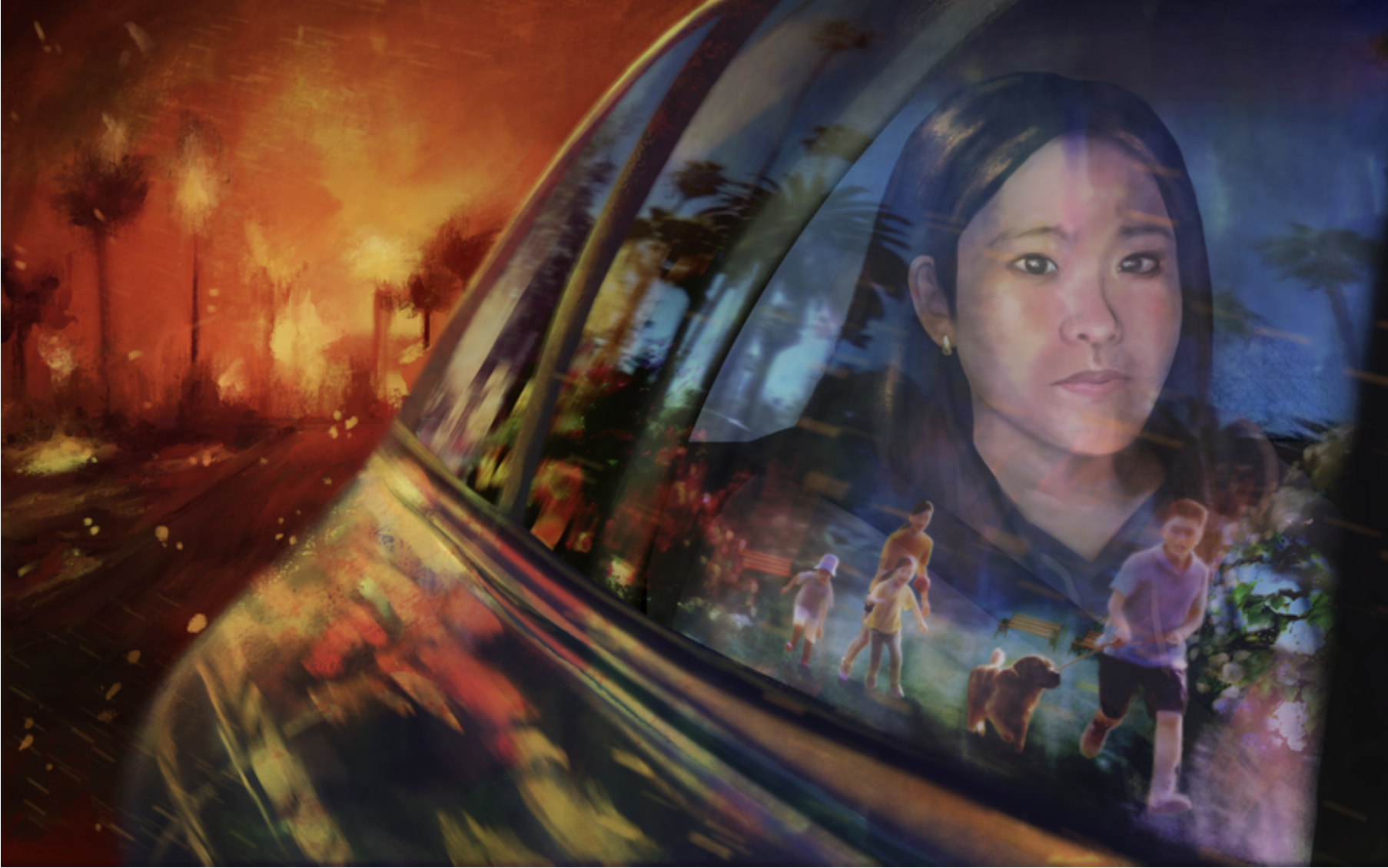
While new to the United States, several other countries, including the United Kingdom, Canada and Australia, have also developed national efforts to measure nature’s contributions to society. For example, the U.K. has The National Ecosystem Assessment, a peer-reviewed evaluation of nature and the benefits it provides.
For Levin, the project reflects a broader shift in how he has thought about nature and conservation through time. After watching many of his study sites change and working to incorporate ecosystem thinking into the National Oceanic and Atmospheric Administration, he became increasingly interested in the reciprocal relationship between people and nature. The Nature Record is designed to demonstrate the ways that people shape nature and nature shapes people, capturing the connections while combining scientific knowledge with public participation.
The new nature assessment
On the publicly available website, people can preview 13 chapters of the assessment. Experts are synthesizing information from a variety of areas, from equity and environmental justice to terrestrial ecosystems of the United States.
While some of the chapters are informational, about a third of the chapters are focused on solutions to modern environmental problems and success stories. The report covers the return of bald eagles (Haliaeetus leucocephalus), the decline of the use of DDT and the resilience of ecosystems after the eruption of Mt. Saint Helens. Levin and his team intend for it to be a shared record of how nature is doing, why it matters to people and what they or others are doing.
“We want to feature success stories—what’s working, what’s broken, how do we fix it?” said Levin, who wants solutions on the ground to be more widely accessible.
The public had the opportunity to click on each chapter and add comments as they read, weaving their expertise and lived experiences into the fabric of the report. By allowing for public participation, the team intended for The Nature Record to be as practical, relevant and valuable to people as possible. Through collaborations with other organizations, Levin and his team sought to convey why a holistic assessment of nature mattered.
“Nature is the infrastructure for life. It shapes our health, shapes our water safety, our economy,” he said.
The report is a living document that continues to grow.
Translating the value of nature
Levin and his team are also collaborating with some nontraditional partners to extend The Nature Record’s reach and convey the value of nature in new ways. By working with artists, writers and those engaged in the humanities, The Nature Record displays the way humans feel about the topics covered in the report.
For example, Poets for Science, a global community initiative exploring the connection between science and poetry, has worked with Levin and his team to capture the human emotions behind topics covered in the report, such as climate change, building an anthology called “Nature of our Times.” The anthology was released prior to completion of the report.
“[The poems] hold grief and gratitude, urgency and wonder. They don’t look away from what’s being lost, but they also refuse despair,” Levin said, describing the poems and the partnership as “life-changing.”
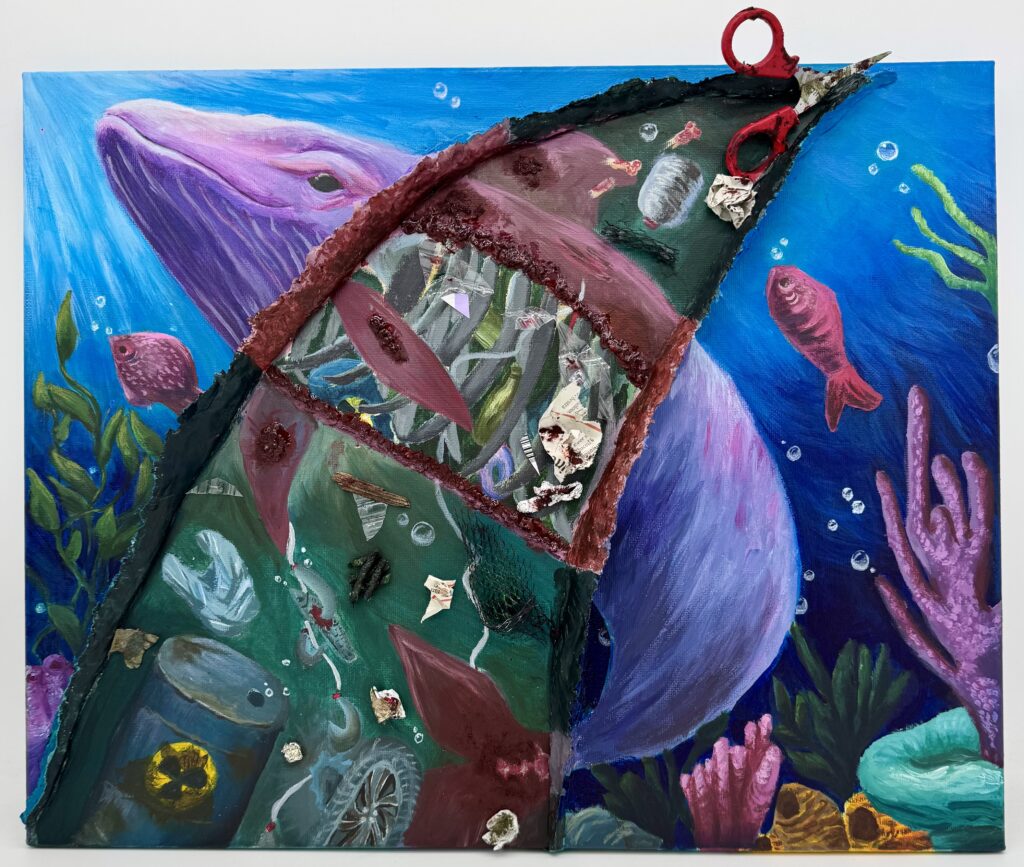
Levin and his team are also working with Bow Seat: Creative Action for Conservation, the world’s largest environmental youth program for the creative arts, to capture their response to the themes in The Nature Record.
“Seeing the responses to those prompts through the eyes of middle and high school students expressed as a painting—it’s pretty amazing they are giving it back to us through their eyes and hearts,” Levin said.
By working together, the groups have realized how much they can learn from each other and expand their reach.
Article by Kaylyn Zipp