



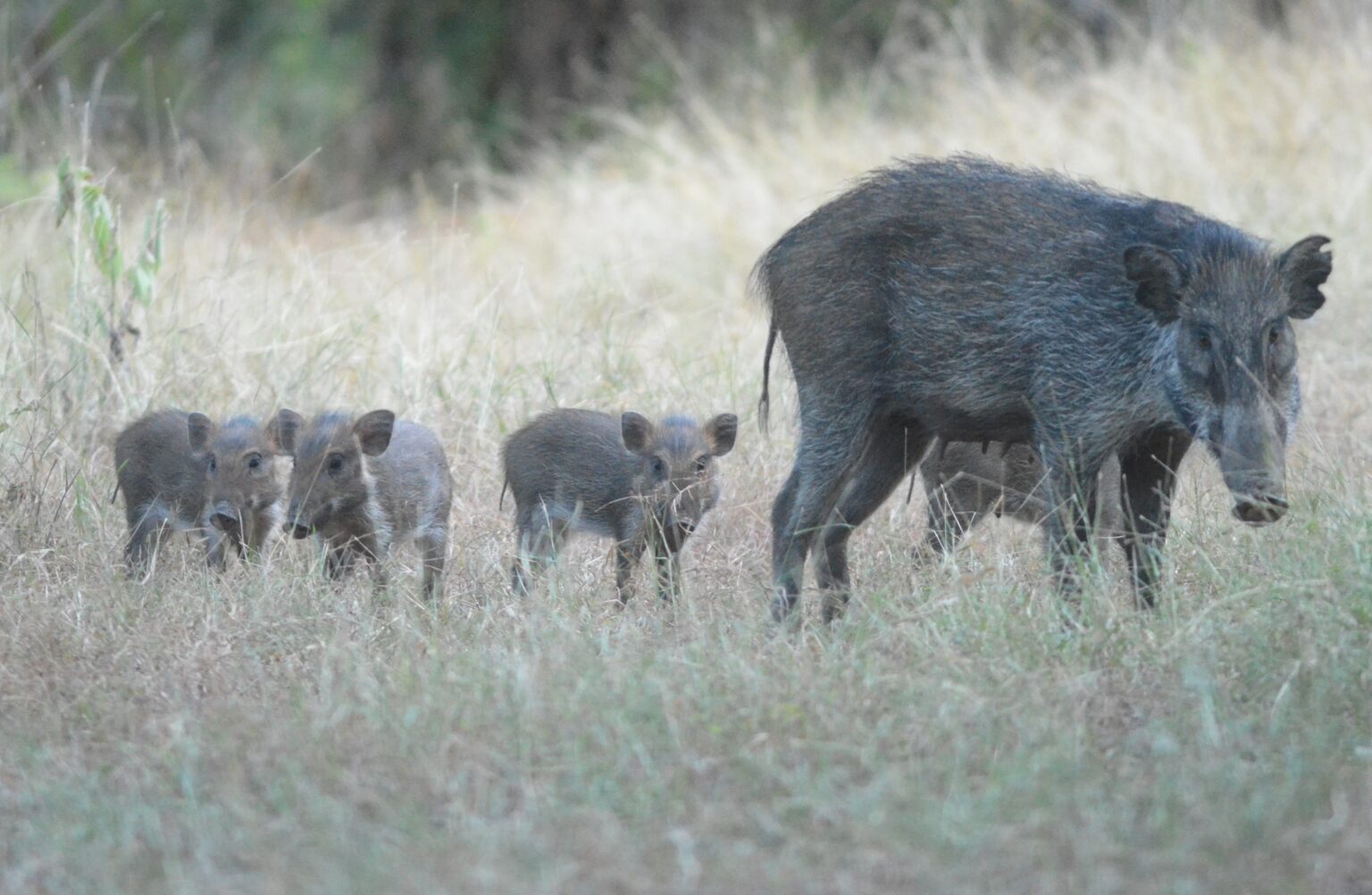
African swine fever could drive a dozen wild pig species in Asia to extinction, creating untold damage to rainforests across the continent.
African swine fever began to appear in China in 2018, spreading throughout other countries in subsequent years. The disease has cost the pork industry billions of dollars, but it also threatens 12 species of wild pigs in Asia.
In research published recently in Nature Reviews Biodiversity, researchers created a roadmap for preventing extinction of these species. Affected species include babirusas (Babyrousa Spp.) and the Celebes warty pig (Sus celebensis)—many of these are important culturally and as food sources for Indigenous people in countries like Indonesia.
“Asian wild pigs are disappearing at a pace few people realize, yet they are among the ecological foundations of much of the region’s tropical rainforest,” said Matthew Linkie, the technical director of the Wildlife Conservation Society and study leader, in a press release. “Protecting these species isn’t simply about preventing extinctions; it’s about safeguarding the ecological processes that sustain forests, wildlife and the communities that depend on them.”
The study outlines conservation strategies, including safeguards and boosts for captive breeding programs, early warning surveillance and emergency financing.