
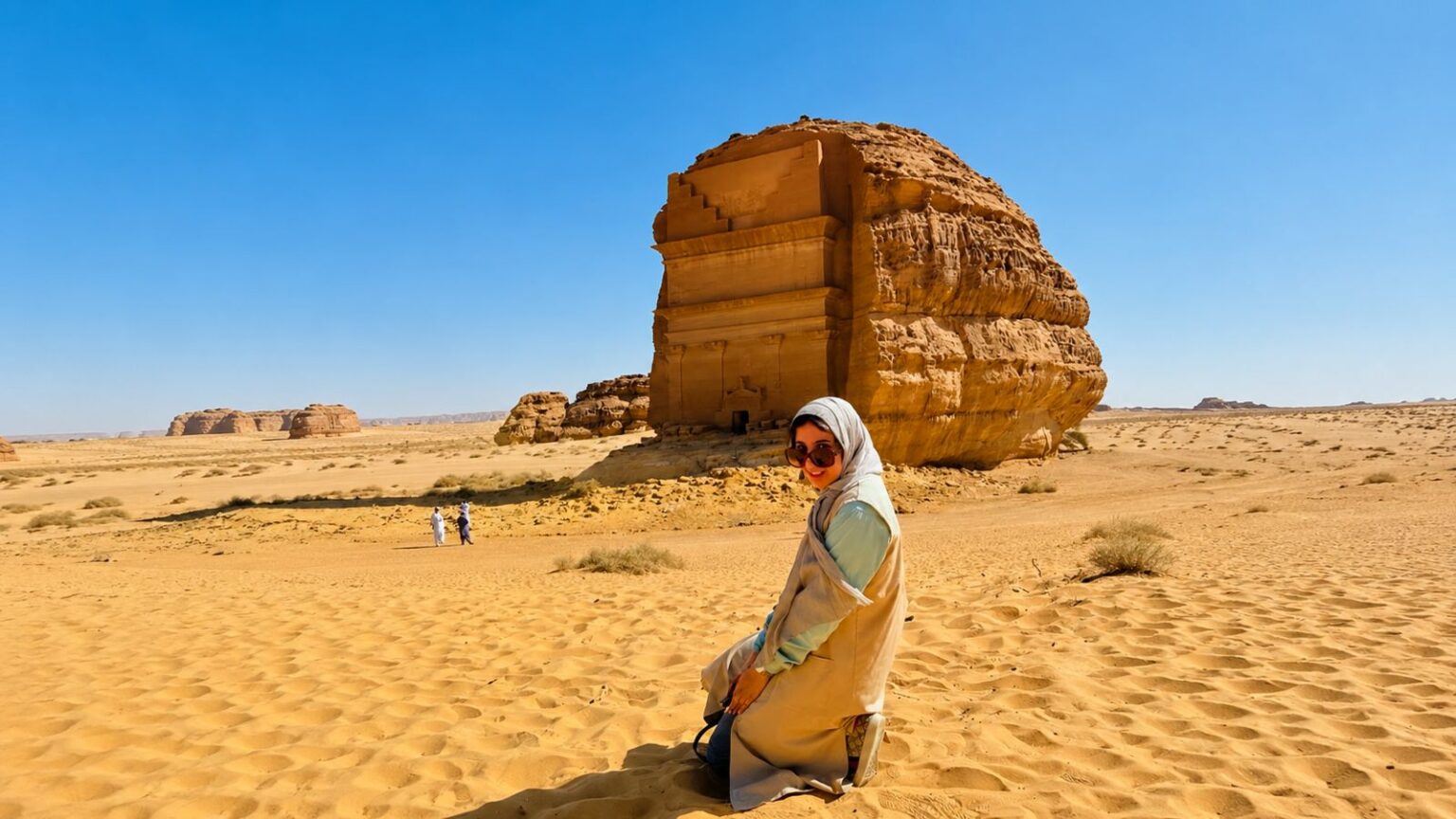
One of the challenges I faced early in my career was entering a field where female representation in wildlife science in Saudi Arabia was still limited. This required not only technical competence but also resilience and a clear sense of purpose.
I was always curious about animals’ behavior, ecology and the role they play within natural systems, particularly large mammals. One question that especially captured my attention was why Hamadryas baboons (Papio hamadryas) had become so widespread in some areas of Saudi Arabia. Wanting a deeper understanding of these questions led me to study zoology. As my knowledge expanded, I came to realize that many wildlife issues are not isolated problems but reflections of broader ecological changes. In the case of baboons, I learned that population increases can be linked to complex factors, including human activities and disruptions in ecological balance.
Through fieldwork and biodiversity studies, I came to appreciate that conservation is not only about protecting species but also about understanding the complex relationships that allow ecosystems to function and persist over time. Spending time in natural habitats taught me that meaningful conservation decisions must be guided by observation, evidence and a willingness to learn from nature itself.
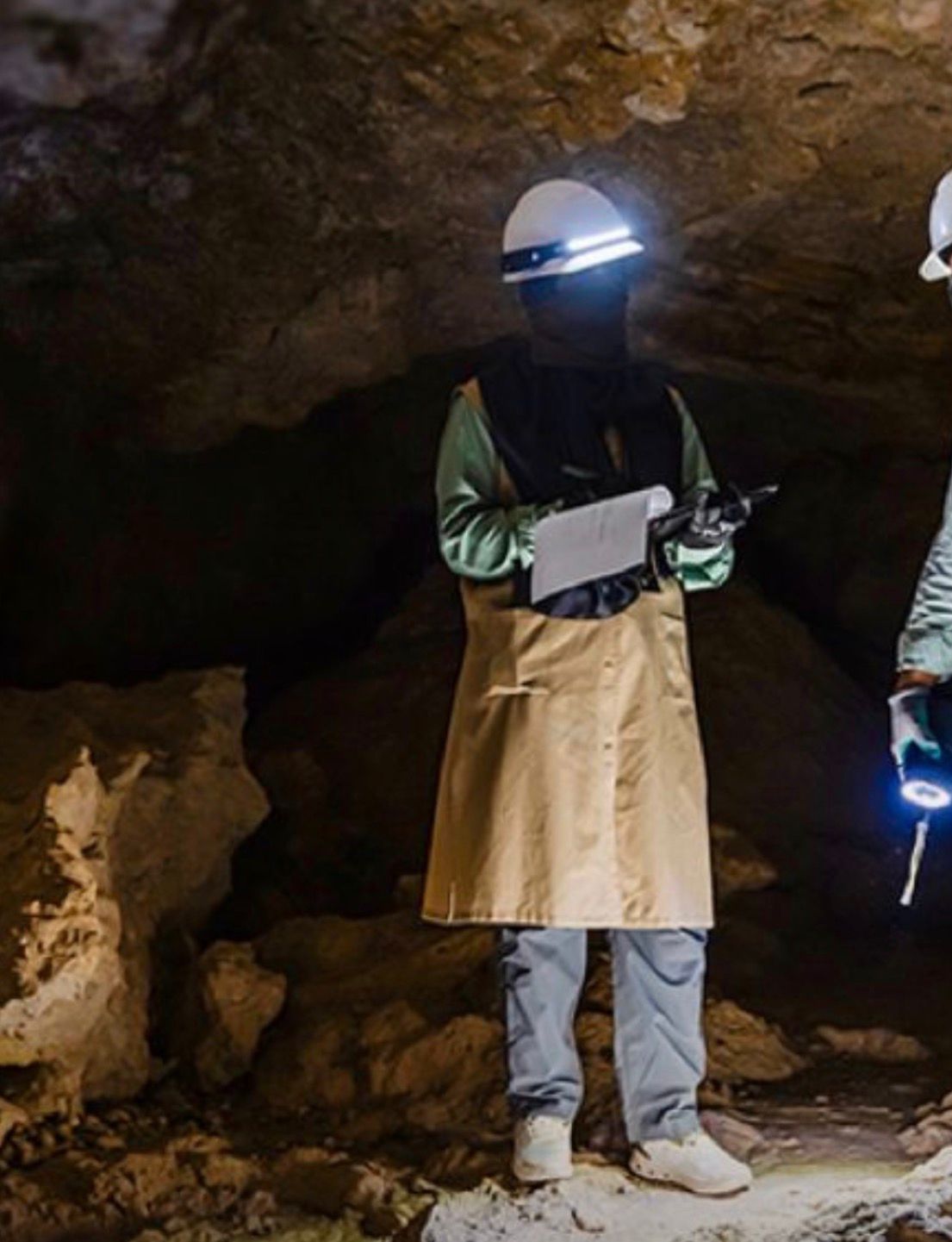
Early in my career, I was often the only woman participating in certain field activities. At first, this felt intimidating, but over time I learned that credibility in conservation is built through preparation, consistency and the quality of your work. The field taught me that expertise is demonstrated through actions and results, not assumptions about who belongs there.
One experience that remains particularly meaningful to me was contributing to biodiversity surveys in caves and sinkholes. These environments presented both scientific and logistical challenges and required careful planning and teamwork. Being among the first Saudi women to participate in this type of field research strengthened my confidence and reinforced my belief that curiosity, preparation and commitment are more important than perceptions about who belongs in the field.
Some of the most memorable lessons in my career came from fieldwork itself. On one occasion, I deployed a camera trap in a remote area and left it in place for more than a week. When I returned and reviewed the footage, it revealed a red fox (Vulpes vulpes) moving through the landscape. In another biodiversity survey, I placed live traps to document small mammals, leading to records of the golden spiny mouse (Acomys russatus), while bat surveys documented the Egyptian mouse-tailed bat (Rhinopoma cystops).
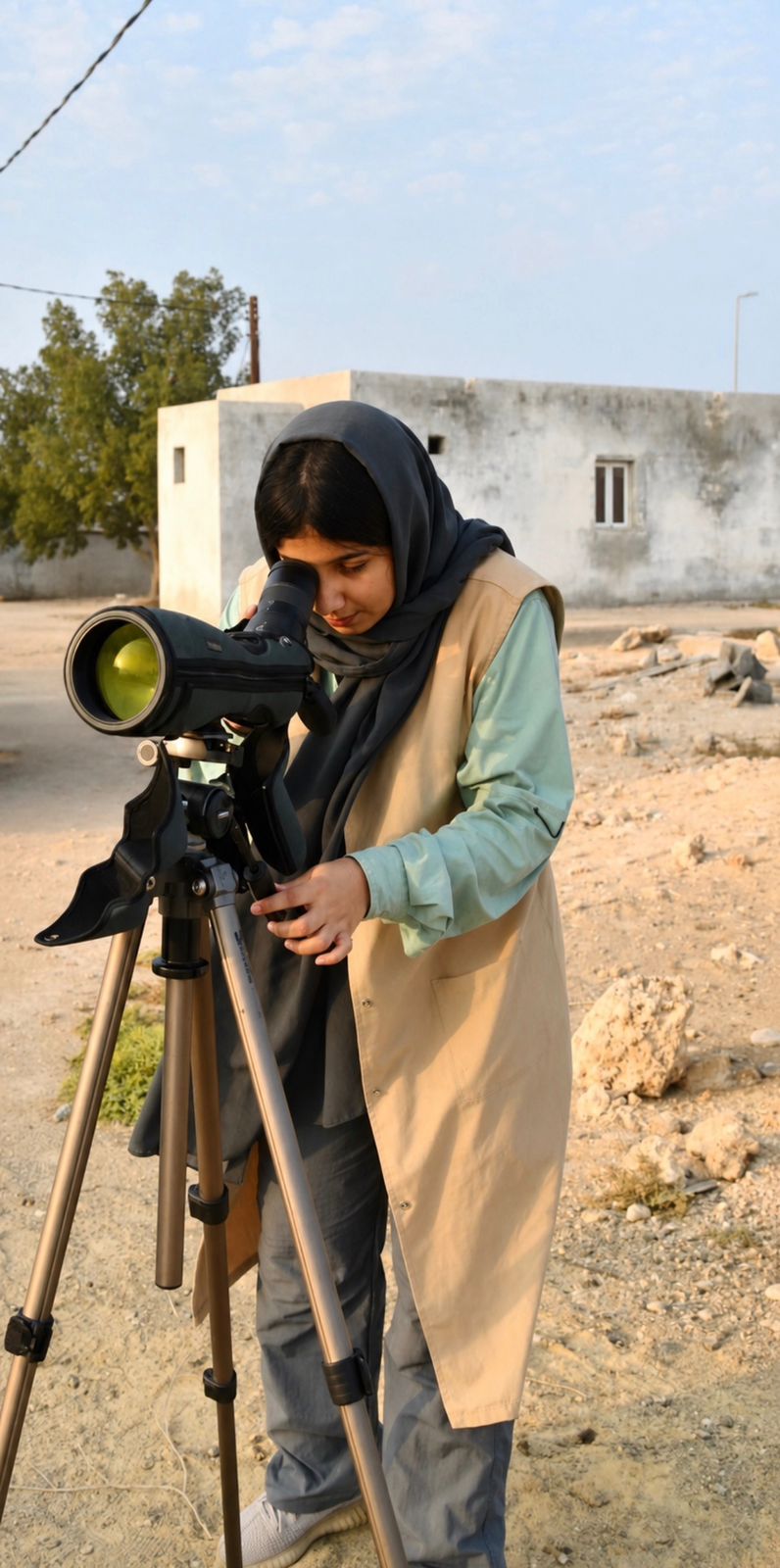
I still remember the excitement of reviewing the results after days of preparation and fieldwork. Seeing evidence of species that had remained hidden throughout our visit was a reminder that nature often reveals itself only to those willing to be patient. Experiences like these reinforced an important lesson: wildlife often remains hidden from view, and understanding biodiversity requires patience, persistence and careful observation.
Another aspect of my work that has been particularly meaningful was contributing to species reintroduction efforts in Saudi Arabia. I participated in organizing and documenting reintroduction programs and worked on compiling and maintaining a historical database of released animals, covering records from 1986 through 2025. Reviewing decades of conservation data provided a unique perspective on how long-term commitment, monitoring and adaptive management contribute to the recovery of wildlife populations.
My experience has also extended beyond field research. I have had the opportunity to represent Saudi Arabia at several international biodiversity meetings and conservation forums in countries including Colombia, Italy, Kenya and Canada. Participating in these discussions provided valuable insight into global conservation challenges and highlighted the importance of connecting local conservation efforts with international biodiversity goals. These experiences reinforced my belief that effective conservation depends on both scientific knowledge and collaboration across borders.
What continues to inspire me most is the opportunity to observe wildlife in its natural environment and contribute, even in a small way, to a better understanding of biodiversity. Each field experience offers new insights into the challenges and opportunities facing conservation and reminds me why protecting wildlife requires both science and patience.
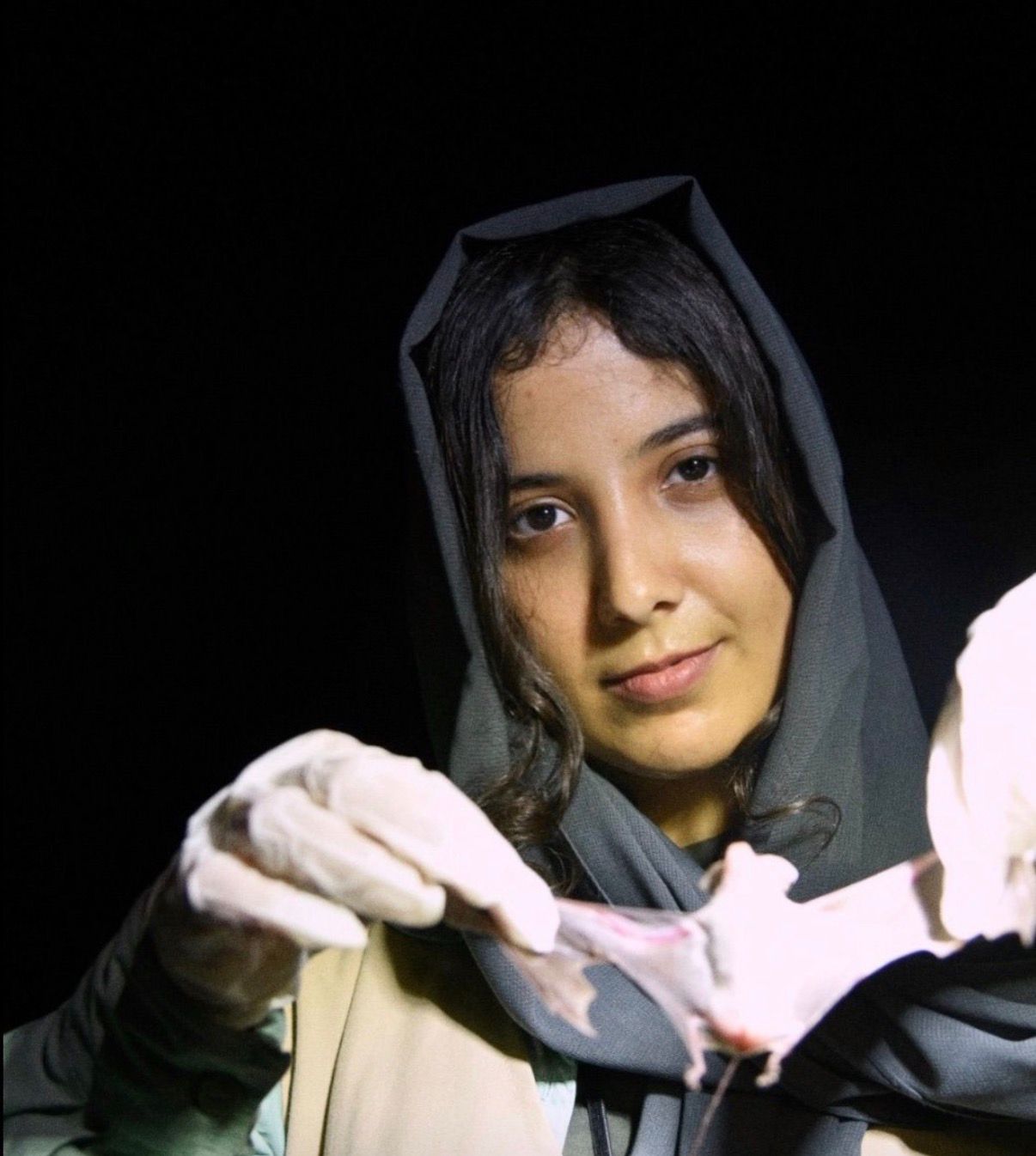
Fieldwork has also taught me adaptability, perseverance and respect for the complexity of natural systems. Many of the most valuable lessons come not from laboratories or offices, but from time spent outdoors observing ecological processes firsthand.
Through this journey, I found clarity in what I want to contribute: bridging scientific understanding with practical conservation, promoting evidence-based approaches to environmental stewardship, and encouraging greater appreciation for biodiversity and the natural world.
Wildlife Vocalizations is a collection of short personal perspectives from people in the field of wildlife sciences. Learn more about Wildlife Vocalizations, and read other contributions.
Submit your story for Wildlife Vocalizations or nominate your peers and colleagues to encourage them to share their story.
For questions, please contact tw*@******fe.org.
Article by Raghad Alghamdi