


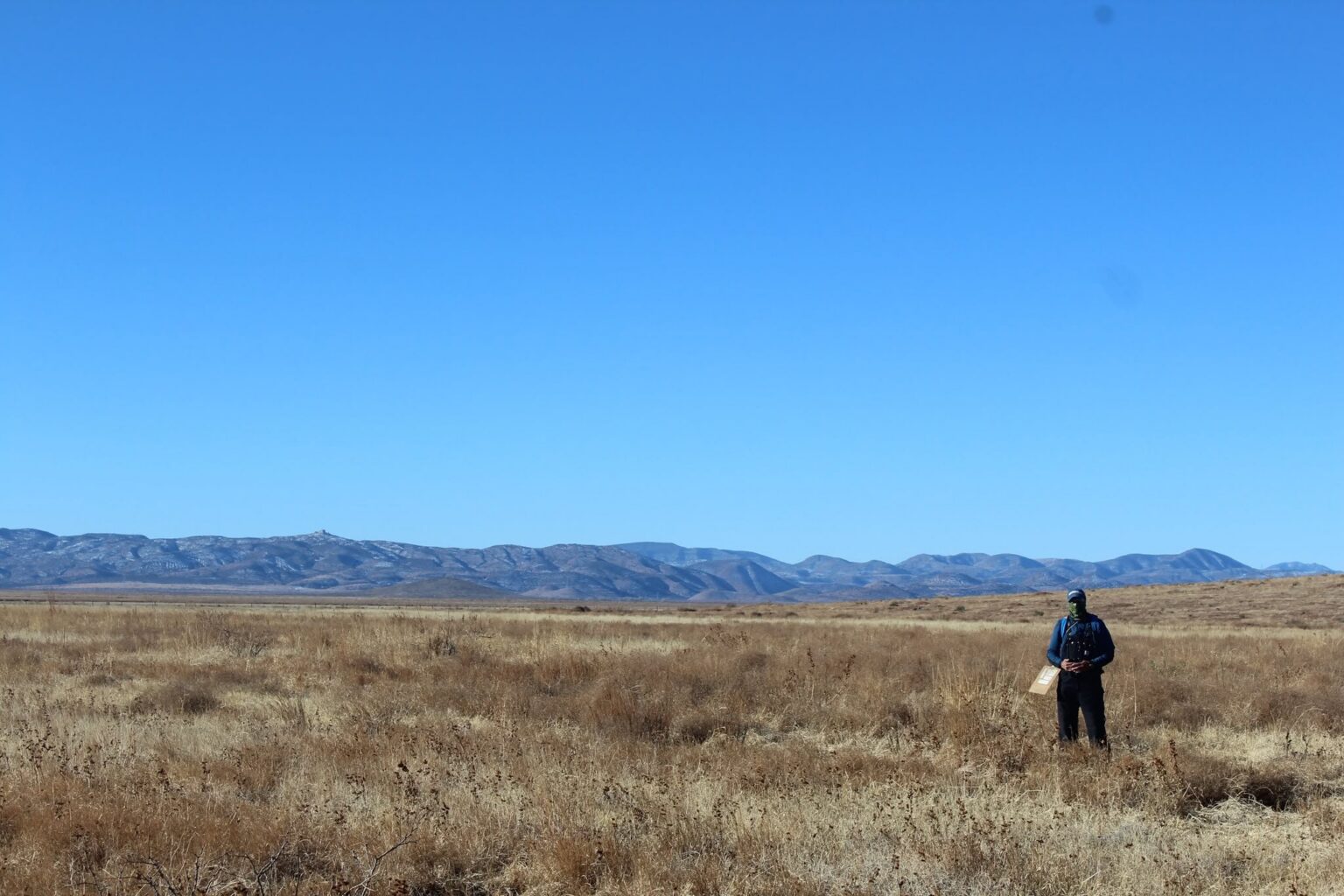
Sometimes, the most exciting discoveries begin when nature challenges what we think we know.
For many years, my colleagues, students and I have studied migratory grassland birds in the Chihuahuan Desert of northern Mexico. One of these species is the grasshopper sparrow (Ammodramus savannarum), which we regularly encountered during winter surveys in the grasslands of Durango. Because these grasslands are an important wintering area for migratory birds, we had come to think of the grasshopper sparrow primarily as a winter visitor. It was one of many species that arrived from northern breeding grounds, spent the winter in Mexico and then migrated north again.
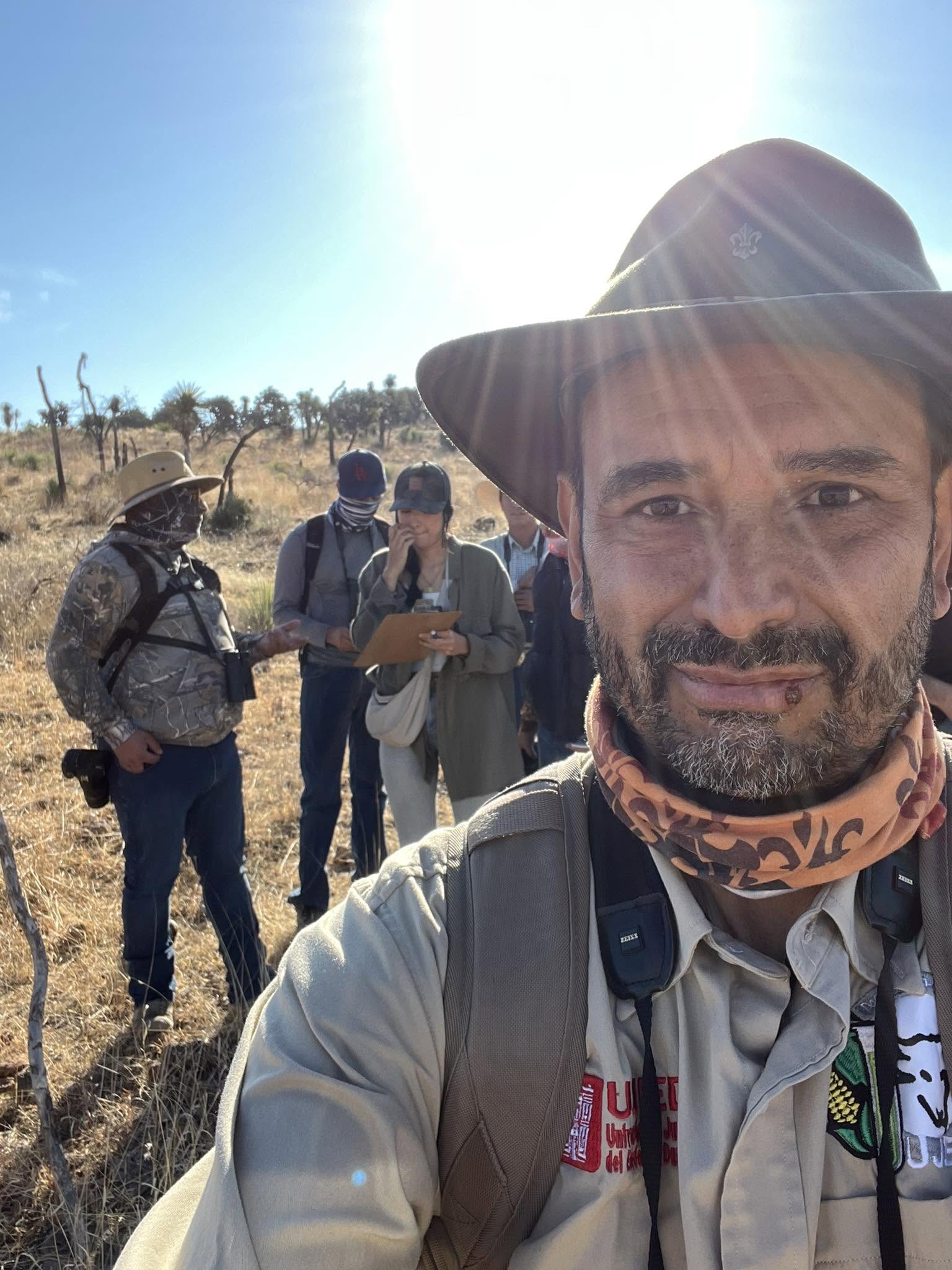
But fieldwork eventually showed us that we knew only part of the story.
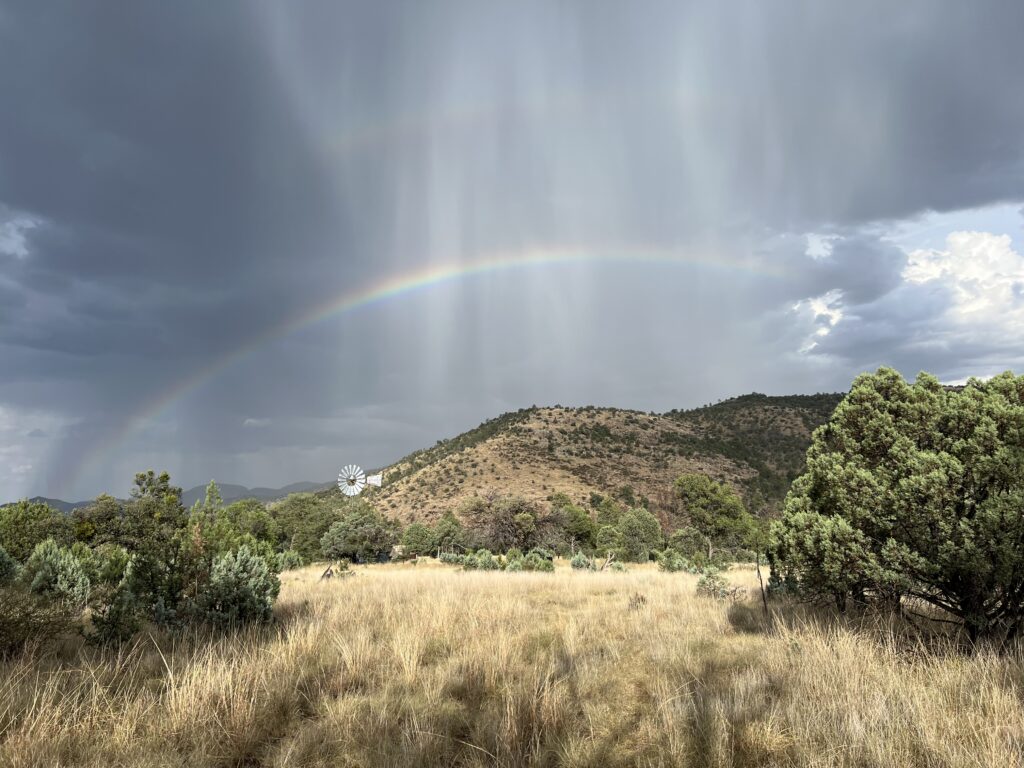
During the summer of 2017, while conducting surveys in the Cuchillas de la Zarca grasslands of northern Durango, we detected male grasshopper sparrows singing and behaving territorially.
Their presence at that time of year immediately caught our attention. Instead of assuming that they were simply late migrants or occasional summer visitors, we decided to follow the evidence. What happened next became one of the most memorable experiences of my career in wildlife research.
We captured males and females showing clear signs of reproductive condition. Then, while observing the behavior of the adults, we noticed birds repeatedly carrying food toward the ground. Following them through the grass eventually led us to something we had not expected to find: a nest containing four chicks. We later documented fledglings, including one in a separate territory, providing further evidence that reproduction was occurring in these grasslands.
Until then, we had viewed these grasslands mainly as winter habitat for this migratory species. Finding that nest changed our perspective. Our observations provided the first confirmed breeding record of the grasshopper sparrow in Durango and, to our knowledge at the time, the first confirmed nesting record within the Chihuahuan Desert grasslands of Mexico.
The discovery also changed the way I thought about the conservation value of the landscape. Cuchillas de la Zarca was not simply a place where migratory birds survived the winter. For at least some grasshopper sparrows, these grasslands were also a place to establish territories, build nests, raise young and complete another critical part of their life cycle.
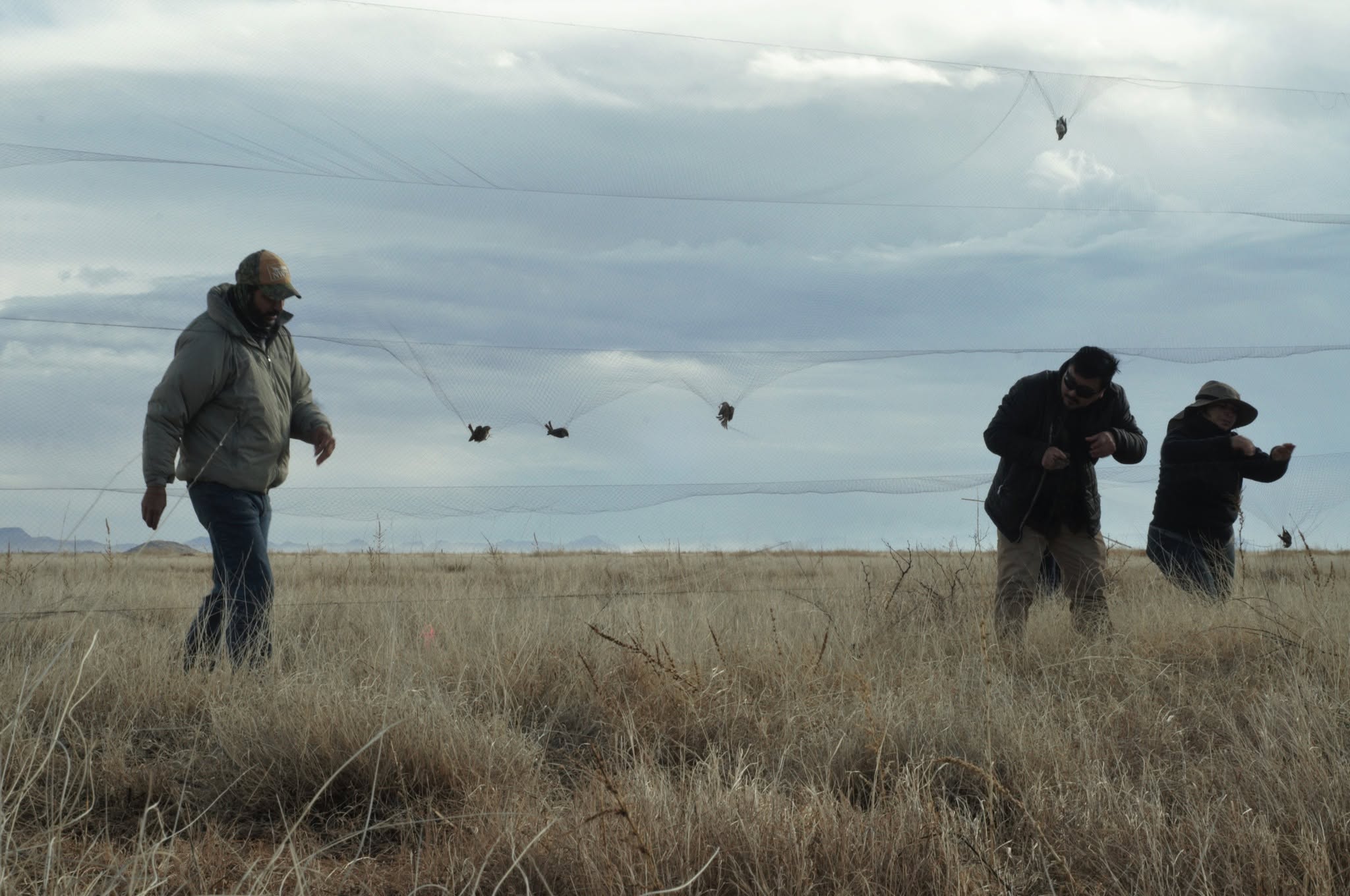
This made the conservation of these grasslands even more important. The study ultimately emphasized the need to maintain the vegetation characteristics required by breeding grasshopper sparrows and other declining grassland birds.
For me, this experience captures one of the things I value most about field biology. We begin our research with previous knowledge, expectations and hypotheses, but we must always be willing to let nature challenge them. Sometimes, an unexpected observation becomes a question; the question leads us to look more carefully and what we find changes our understanding of a species.
That small nest hidden among the grasses of Durango reminded me that unexpected results are not failures of science. Very often, they are where discovery begins.
Learn more about Wildlife Vocalizations, and read other contributions.
Submit your story for Wildlife Vocalizations or share the submission form with your peers and colleagues to encourage them to share their story.
Article by Martín Pereda