



Wetland habitat restoration in a U.S. Air Force base in Florida’s panhandle is boosting the population of a federally endangered salamander.
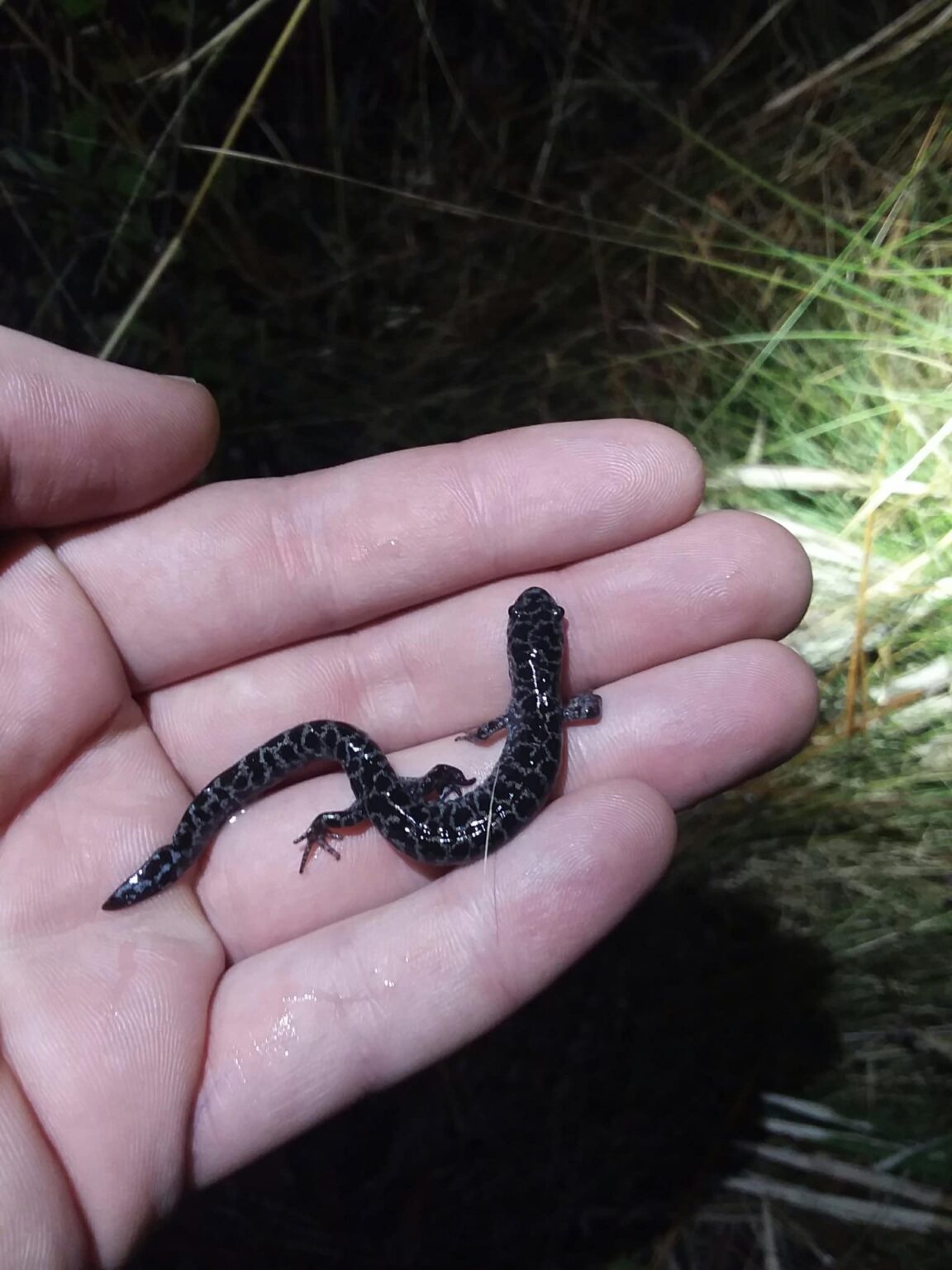
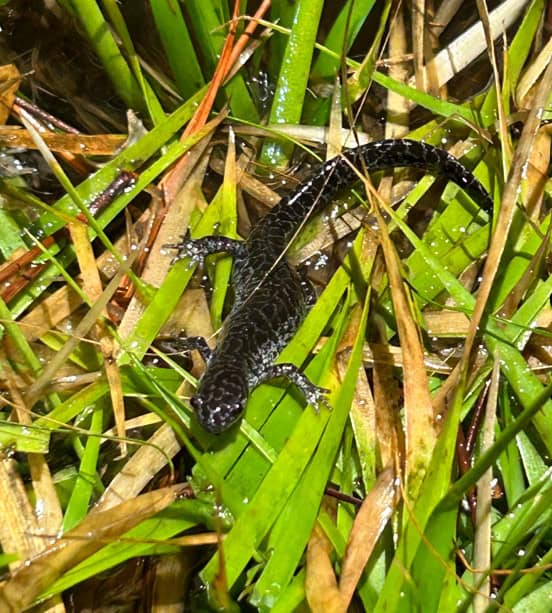
The reticulated flatwoods salamander (Ambystoma bishopi) is a small creature—just under the length of a pencil, including its tail. Once more common in the U.S. Southeast, the amphibian declined drastically due to historical fire suppression practices that reduced the number of suitable seasonal wetlands needed for egg-laying and reproduction.
“The range has really contracted,” said Amanda Martin, a postdoctoral associate in fish and wildlife conservation at Virginia Tech.
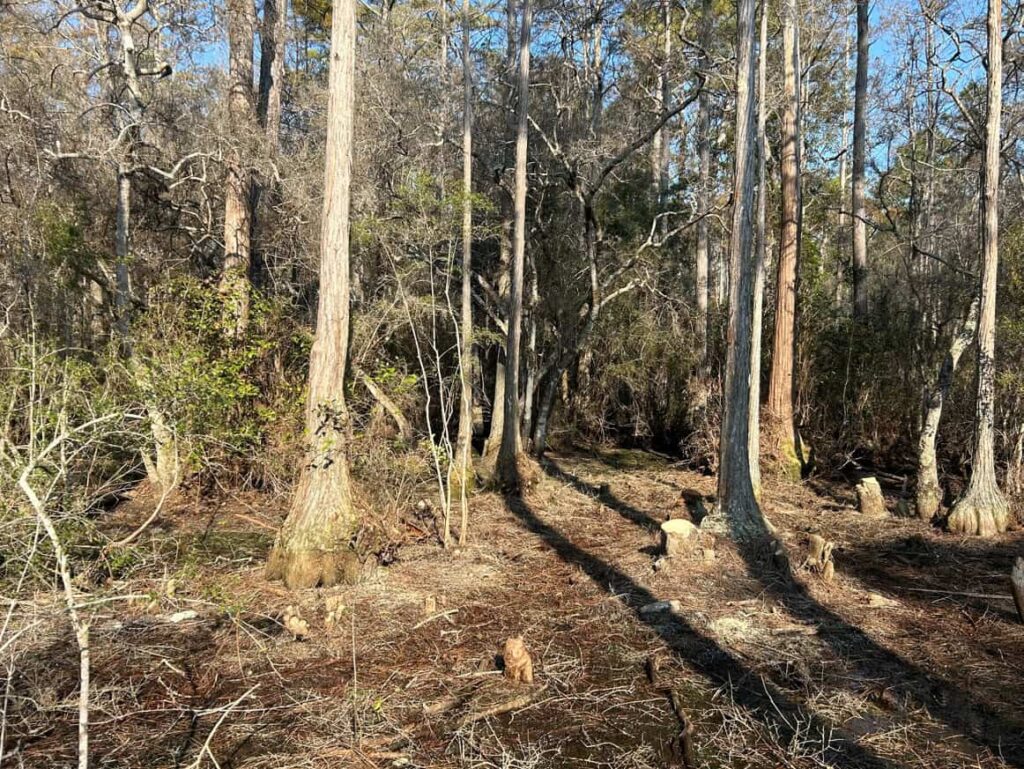
Females lay their eggs on the ground beneath vegetation in anticipation of incoming flooding just before the wet season. But changes to the canopy and shrub density caused by decades of historical fire suppression in the region have affected the number of the ephemeral ponds these creatures need to reproduce.
Researchers had been surveying the population on Eglin Air Force Base in the Florida panhandle since the 1990s. In 2009, the U.S. Fish and Wildlife listed the species as federally endangered.
Reversing historical fire suppression
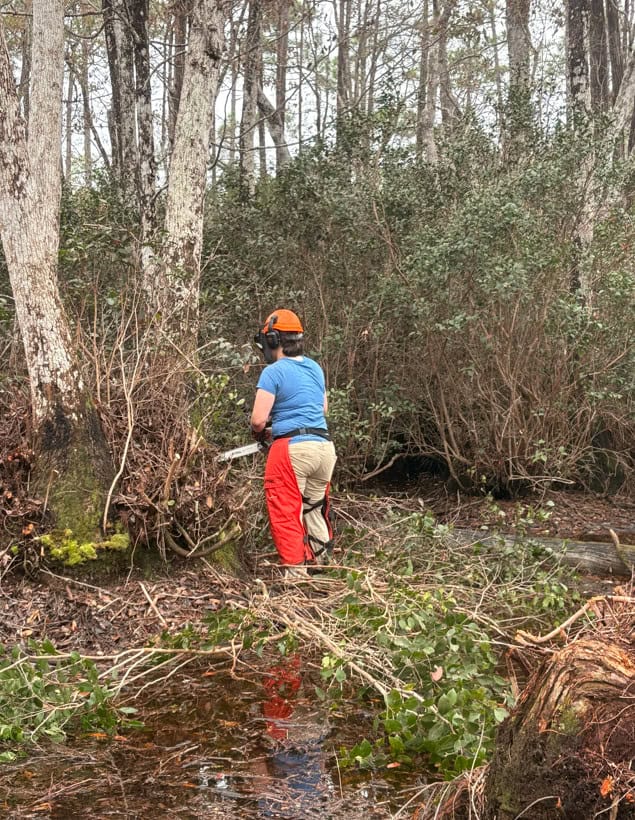
Starting in 2010, wildlife managers began to restore the habitat using prescribed fire and other forest thinning practices—everything from chain sawing larger trees where the forest canopy was too dense to using herbicides to thin out the shrubbery. Martin joined the project in 2023, conducting some forest clearing work and visual surveys on the species.
“The pictures just don’t do the species justice,” she said. “Seeing it in person—it’s just a gorgeous species.”
Wildlife managers had been restoring habitat and tracking the population of reticulated flatwoods salamanders at Eglin for years, but nobody had yet done the work to see if restoration was helping salamander numbers. In a study published recently in Conservation Science and Practice, Martin and her colleagues examined how numbers of occupied ponds changed from 2002 to 2024 in response to different restoration measures.
To conduct the study, they matched occupancy estimates gathered from dipnet and spotlight surveys at the base. They combined this with habitat data, including estimates of vegetation density and canopy cover measurements. They also tracked when ponds filled and when they dried out.
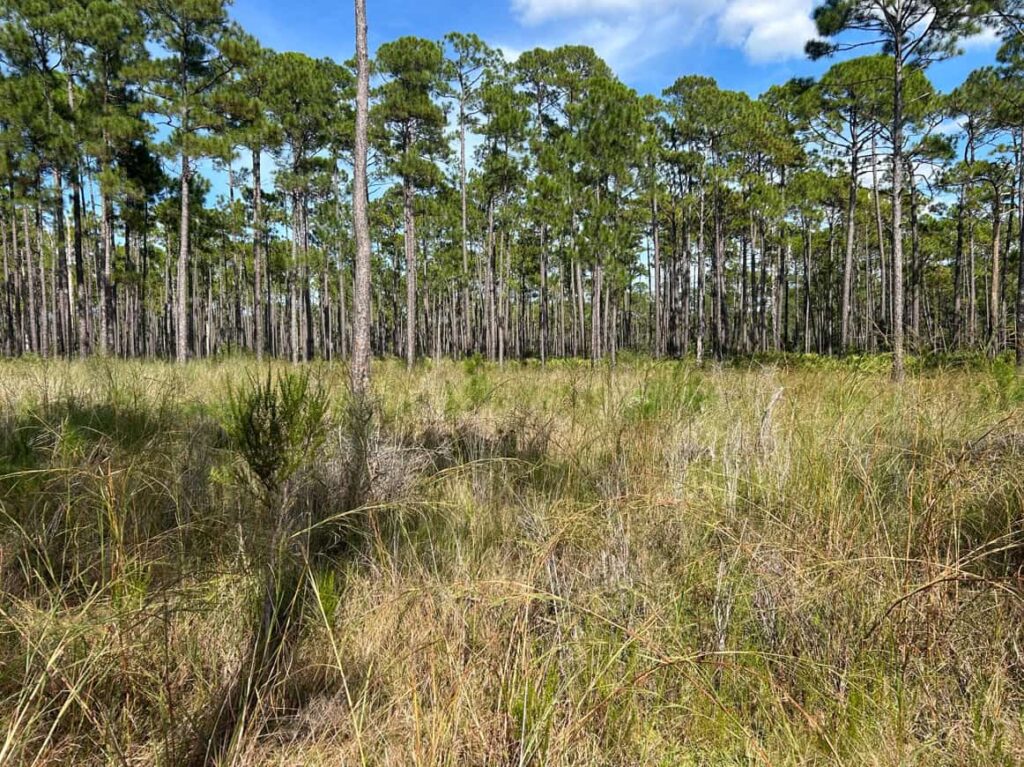
They found that while there were ups and downs based on normal amphibian boom and bust cycles, the efforts worked pretty well for populations between 2016 and 2024.
“It basically doubled the amount of suitable habitat available for flatwoods salamanders across the landscape,” Martin said. In fact, the number of salamander-occupied ponds at Eglin has even surpassed that of the 1990s.
Their research also revealed that if you don’t bring back fire or otherwise clear the vegetation using another technique, the numbers of salamanders are less likely to bounce back, Martin said.
Restoration takes time
Habitat restoration wasn’t a quick fix, though. In some cases, the changes the team made took up to 10 years after initial restoration to see a significant change in vegetation. This resulted in a lag in recolonization of flatwoods salamanders. But Martin said the important thing is to stick with the program and stay consistent.
In some cases, wildlife managers at Eglin translocated salamanders from healthier populations to newly restored areas. They did this by collecting eggs and rearing young salamanders in captivity before release. After three seasons, they found salamanders were breeding naturally at two sites.
While Martin cautioned that a strong plan is needed for this technique to work with this species, the modeling they conducted showed that the translocations complemented the habitat restoration work and natural colonization.
Data for this study cut off in 2024. But Martin and others are continuing their restoration work at the base. She said that reversing decades of historical fire suppression to restore a more natural ecosystem will help additional native species in the area. “It not only benefits the flatwoods salamanders,” she said.