



The Trump administration has proposed a new rule that would remove federal protections for more wetlands and streams across the country.
The U.S. Environmental Protection Agency (EPA) and the U.S. Army Corps of Engineers proposed a rule that would implement a narrower definition of the “waters of the United States” protected under the Clean Water Act. This act requires companies and individuals to obtain permits from the EPA and Army Corps prior to releasing pollutants or discharging material into U.S. waterways.
The EPA’s authority to protect the nation’s waterways was sharply reduced by the Supreme Court’s decision in Sackett v. EPA in 2023, which stated that the agency could only regulate “relatively permanent” bodies of water. The exact definition remained ambiguous until last November, when a rule proposed by the Trump administration defined a “relatively permanent” body of water as one that flowed every day or during the “wet season.”
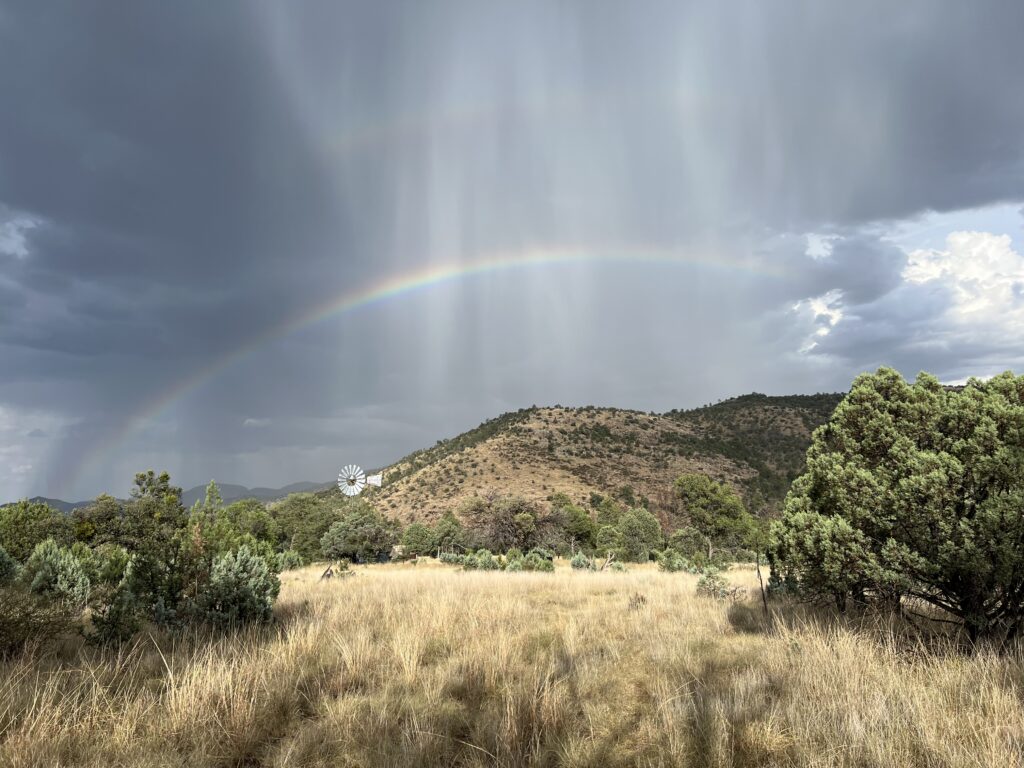
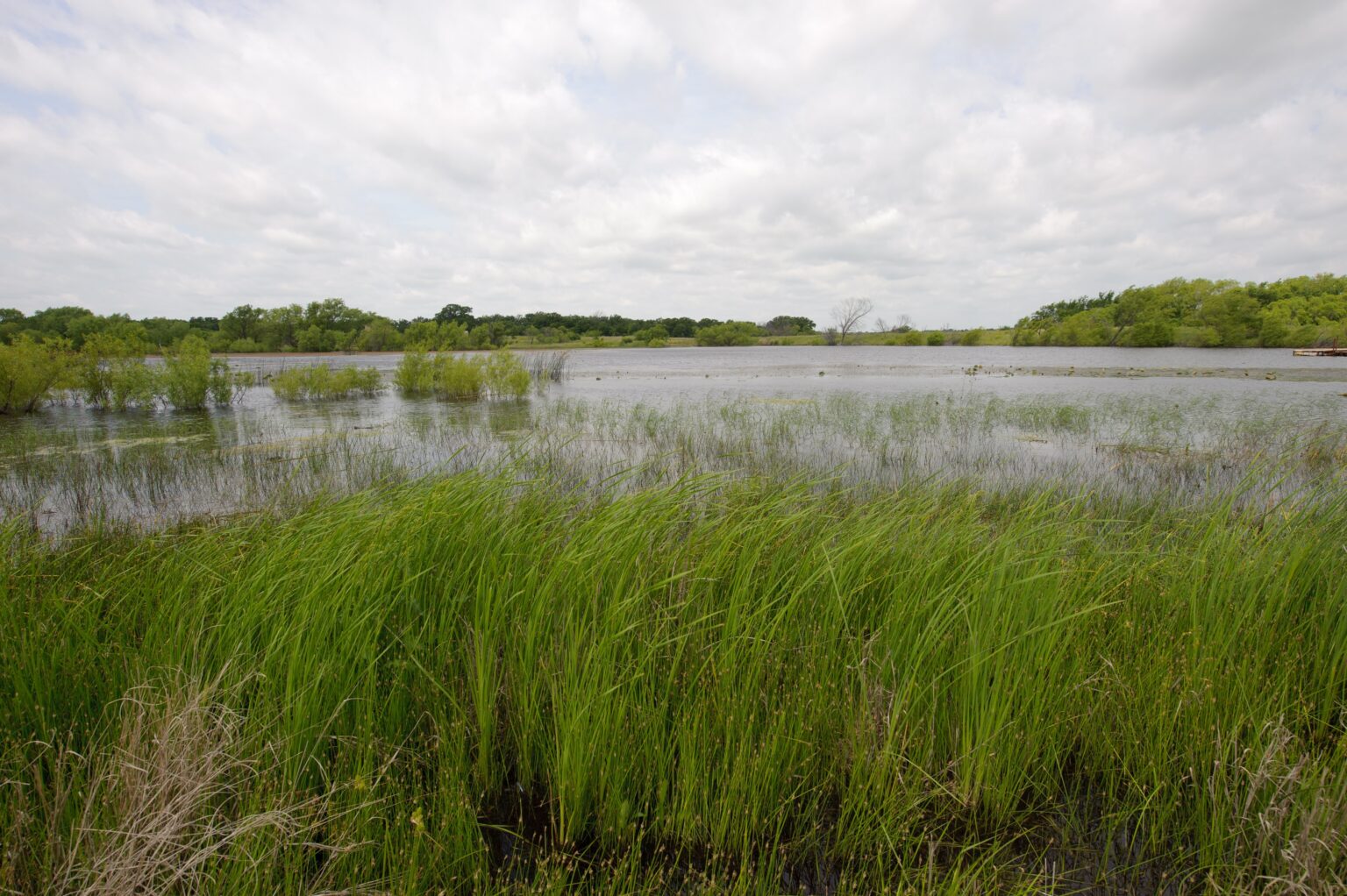
This latest rule, however, further restricts the definition to cover only water bodies that flow every day except for temporary interruptions, like droughts lasting less than 30 days. The new definition is expected to exclude many U.S. wetlands and streams, particularly those in the West and other arid regions which don’t flow year-round.
Public comments on the proposed rule can be submitted in the Federal Register until October 9th, 2026.
Read more at the Center for Western Priorities.