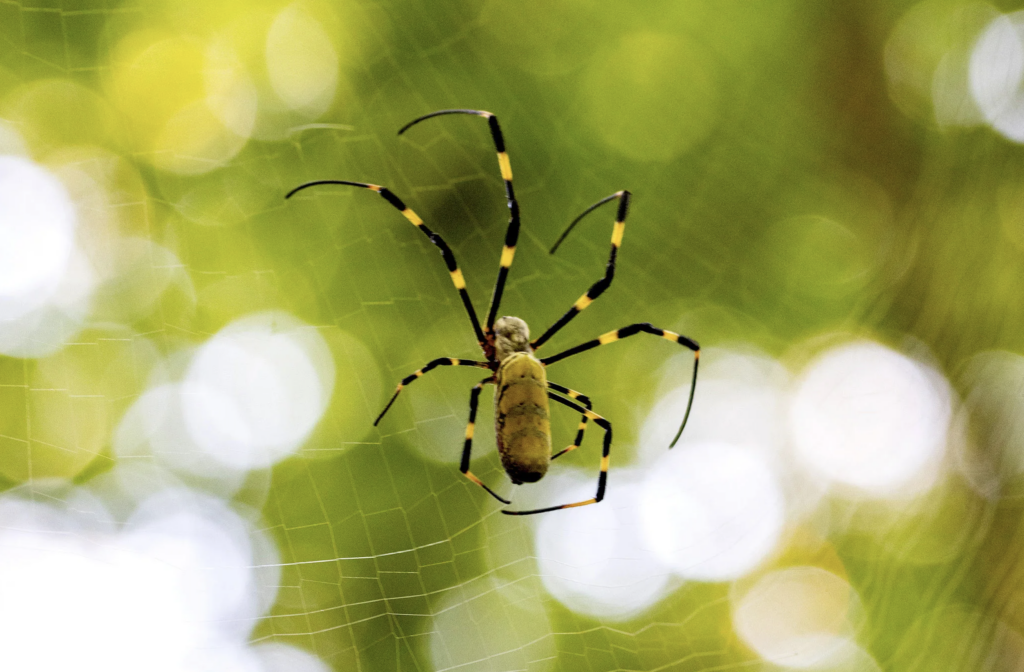


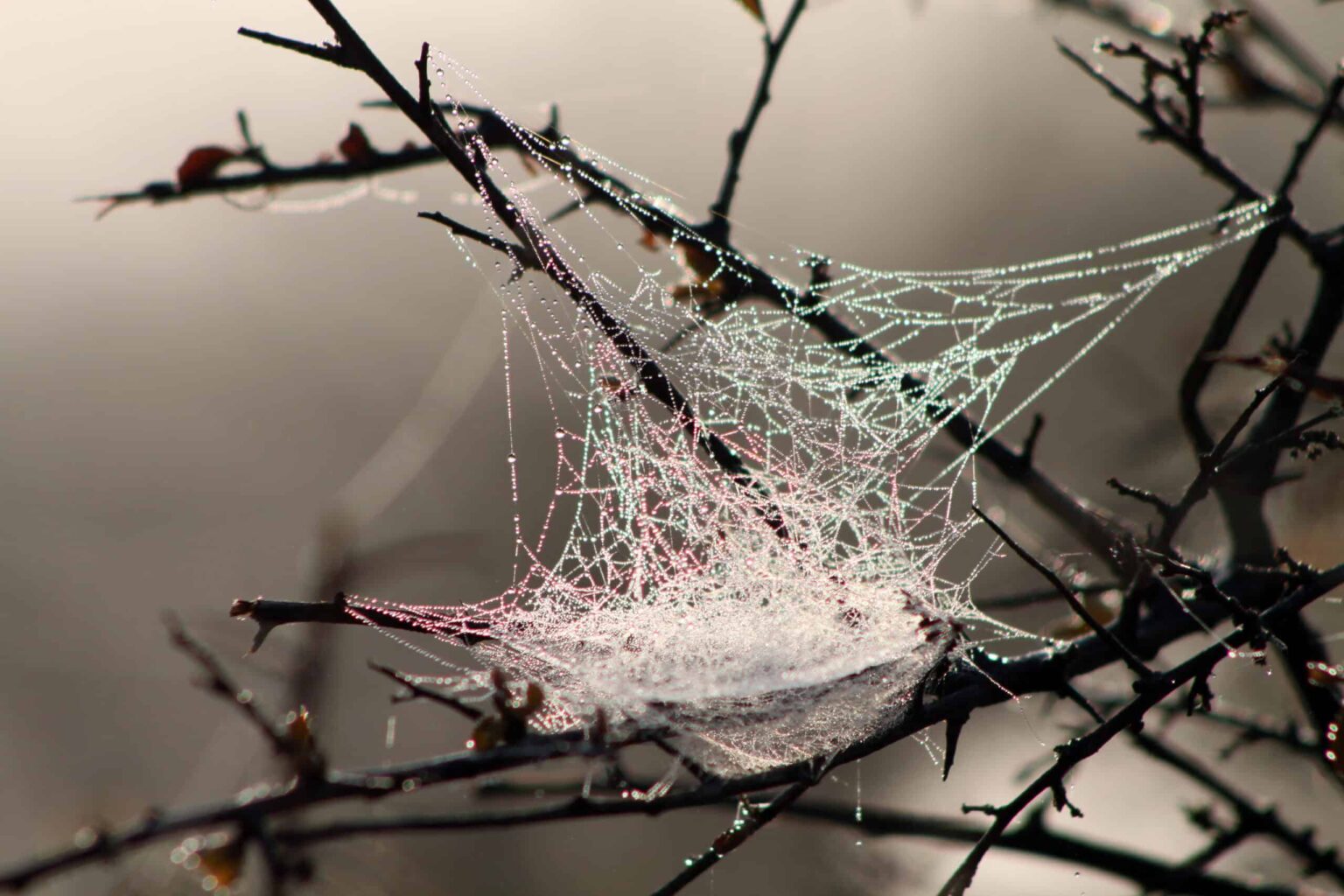
You might brush aside the cobwebs in your door frame without thinking twice, but researchers have found that those fragile threads capture more than unlucky insects.
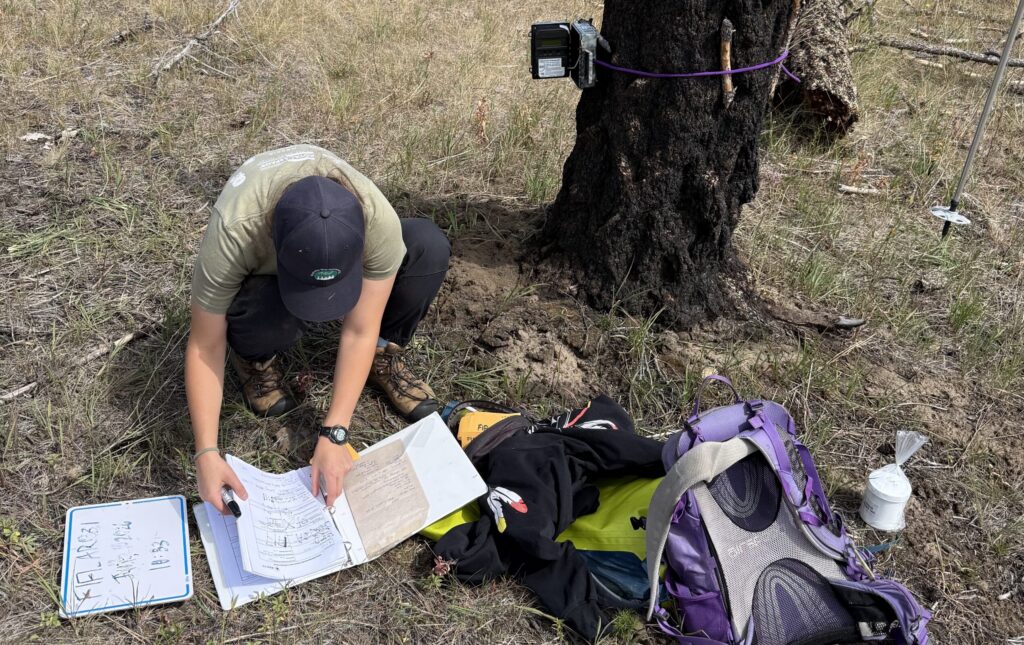
New research compared spiderwebs with active air samplers, wind-powered samplers, bare filter media, soil and swabbed vegetation surfaces as potential passive samplers of environmental DNA (eDNA) sources near the Perth Zoo, a rich controlled source of biodiverse species, as well as the Karakamia Wildlife Sanctuary in Western Australia. The researchers aimed to compare how different eDNA sampling methods perform, identify which substrates capture the most representative vertebrate biodiversity, and assess how distance from the source affects detection.
The results found that spider webs performed similarly to active air samplers, capturing the widest range of species and often detecting similar communities. Overall, the study found that each sampling method had its own strengths. Vegetation swabs were better at detecting tree-dwelling mammals, while water samples mostly detected aquatic species and semi-aquatic species. Overall, the study found that no single method captures everything.
Broadly the study concluded that choosing the right eDNA tool depends on the animals and habitats the researcher intends to monitor, and the methodology should consider the uneven distribution of eDNA across ecosystems. Combining different techniques may provide a more comprehensive picture of vertebrate biodiversity.
Read more in Molecular Ecology Resources.
Article by The Wildlife Society