







Opium farms have exploded in a national park in northeastern Laos, destroying habitat needed for dozens of endangered species.
Using satellite imagery and information that park rangers reported, researchers tracked the “alarming” growth of opium farms from 2018 to 2022 in Nam Et-Phou Louey, Laos’ oldest and largest national park. Covering the same square miles as Glacier National Park in Montana, the area is known for its wildlife and remote wilderness.
In a recent study, researchers documented an increase in the amount of forest cleared for opium cultivation in the park’s protected zone by more than tenfold: in 2018, there were around 29 hectares cleared compared to 244 in 2023.
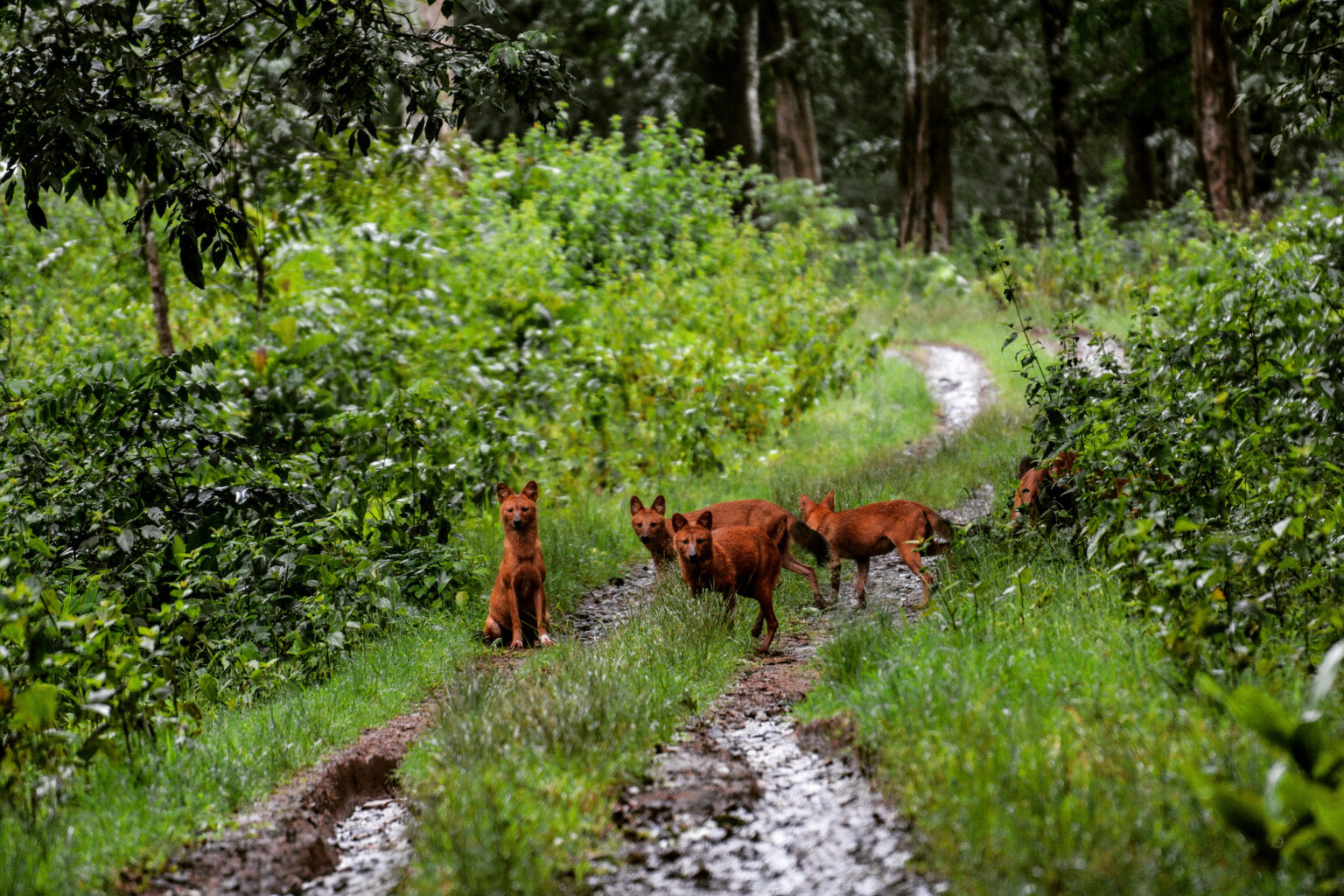
The cleared forests included the habitat of endangered species like the northern white-cheeked gibbon (Nomascus leucogenys), the Asiatic elephant (Elephas maximus), the clouded leopard (Neofelis nebulosa) and the dhole (Cuon alpinus), a rare canid species.
Because the farms were around 13 kilometers from the homes of their suspected cultivators, the researchers concluded they had put the farms away from commonly visited areas to avoid detection from local authorities. The researchers also found that the number of traps set for wildlife went up as the amount of cleared forests increased, meaning that habitat destruction isn’t the only risk that comes with illegal opium farming.
The total drop in illegal opium cultivation went down by a staggering 84% in 2023 after the park and local police agencies conducted an outreach campaign with local communities. The number of traps went down, too. The researchers note the importance of collaboration among the park, local communities and law enforcement to protect these vulnerable areas—and for drug enforcement policies to take into consideration potential effects on protected areas.
“Globally, we recommend law enforcement agencies be aware of this potential leakage of illicit cultivation into protected areas and that protected areas, their viability and their function, be strongly considered in drug enforcement strategy,” the authors wrote.