The Wildlife Society welcomes its new policy and communications intern Fanny Riand to the team.
Born in southern France and raised outside Boston, Massachusetts, Riand earned her master’s degree in wildlife ecology and a graduate certificate in public management and policy from Iowa State University in 2026. Her interests in urban biodiversity, human dimensions and public policy led her to pursue a master’s thesis examining the barriers and opportunities for creating wildlife habitat in rapidly growing cities surrounding Des Moines, Iowa. Her research evaluated how native plants affect biodiversity in new residential developments and explored homeowners’ knowledge and attitudes toward native plants through surveys and interviews. She also interviewed mayors, city council members and municipal staff to better understand the role of local governments in wildlife conservation and identify opportunities to incorporate habitat conservation into city policies and planning.
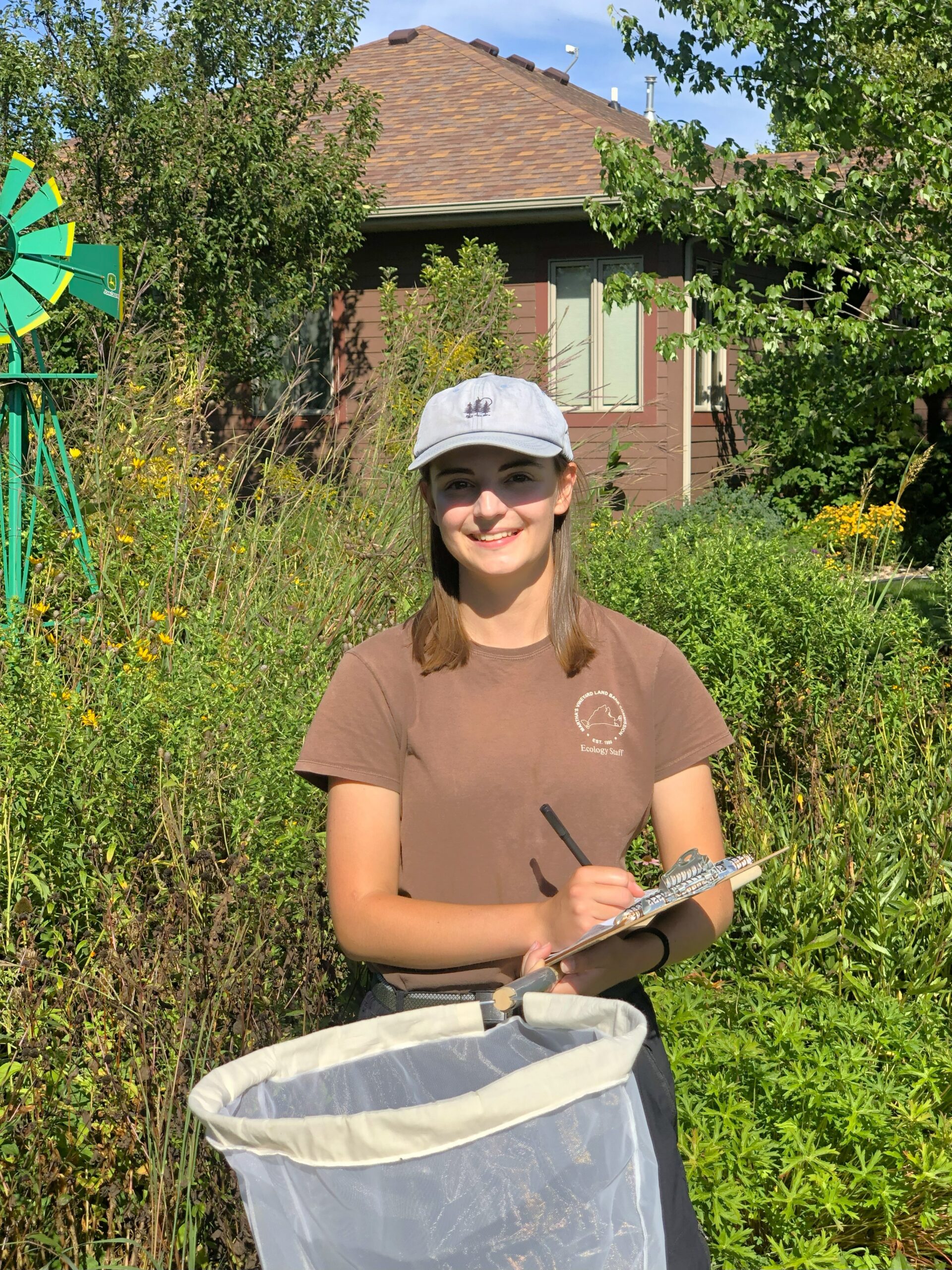
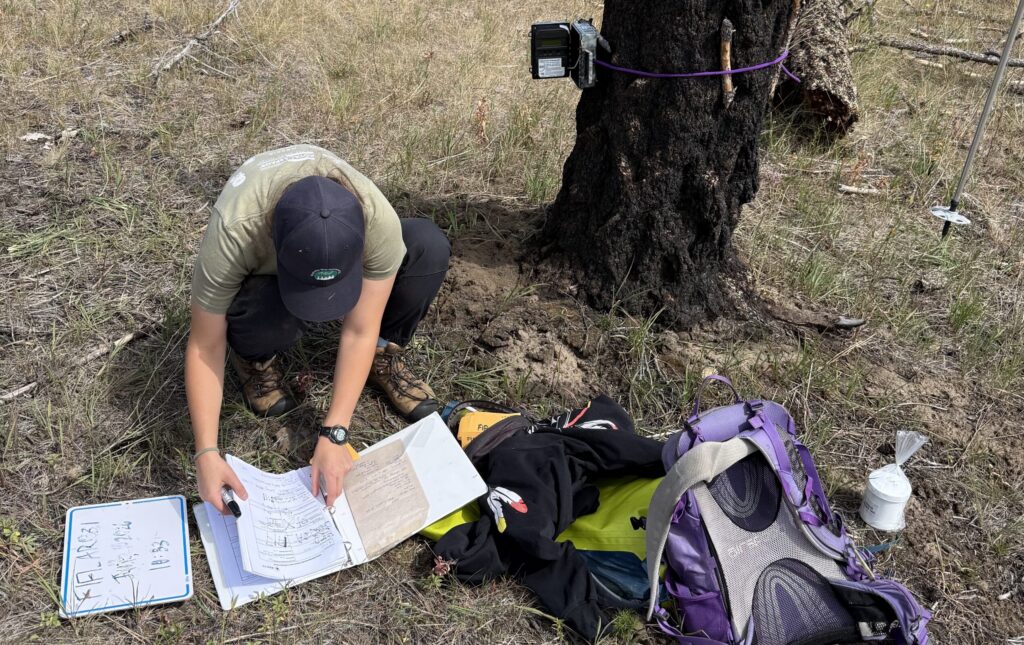
Riand’s passion for urban socioecological systems began in her undergraduate years while assisting a graduate student with bird surveys in urban neighborhoods for Neighborhood Nestwatch, a Smithsonian-led community science initiative that helps monitor local bird populations. She graduated with a dual bachelor’s degree in biology and natural resources conservation from the University of Massachusetts Amherst in 2022, where she completed an honors thesis on people’s attitudes and beliefs related to outdoor cats to inform outreach strategies for bird conservation. Riand’s field technician and research positions have taken her across the country to survey plants and pollinators in Idaho, herd goats for a restoration grazing program on Martha’s Vineyard and study a population of federally threatened Florida scrub-jays (Aphelocoma coerulescens) in the state they’re named after.
Riand is committed to helping bridge the gap between science and policy by making wildlife conservation science more accessible to policymakers, elevating the voices of wildlife researchers and managers, and helping wildlife professionals effectively engage in the policy process. She aims to communicate the value of our natural resources and ensure that policies are informed by robust science that supports their long-term sustainability and effective management. In her free time, Riand enjoys birding, drawing, photography and tending to her overabundant houseplants.
During her internship with TWS, Riand will help research, track and communicate relevant issues at the intersection of wildlife science and policy. She will add to TWS’ policy resources, prepare background information for use in letters and comments on federal rulemakings and write articles highlighting the impacts of policies on wildlife and wildlife professionals. She looks forward to engaging with TWS members and helping support their wildlife conservation and management work through science-backed policies.