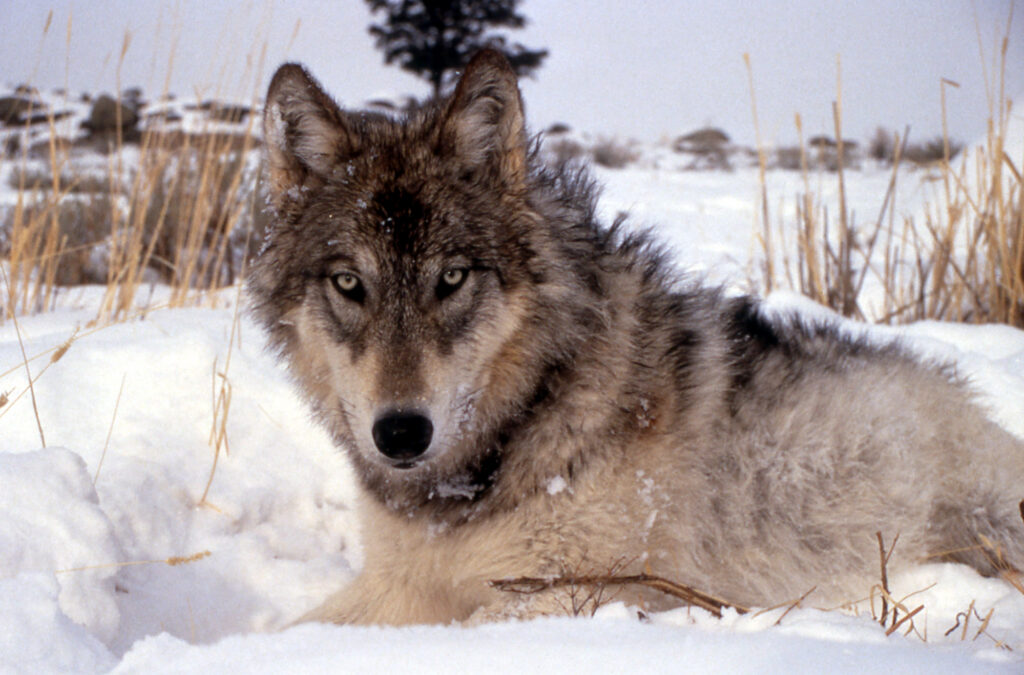




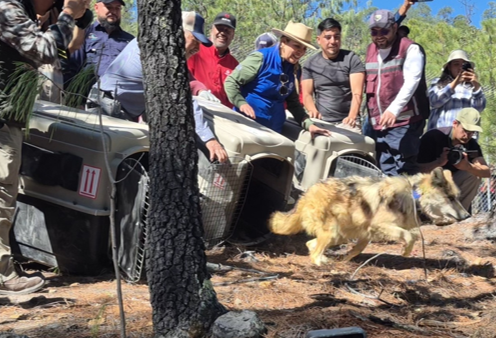
Officials have released two family groups of four wolves each into the Mexican state of Durango, where scientists haven’t documented them for almost 50 years. The remaining Mexican wolves were captured by the U.S. Fish and Wildlife Service (USFWS) in Durango and Chihuahua in 1980 to develop part of a cadre of animals that bred in captivity. These animals and their offspring formed the base for the eventual reintroduction of Mexican wolves into the U.S. starting in 1998, after they were extirpated there in the 1970s. Now, researchers estimate there are more than 300 wolves in the wild in New Mexico and Arizona. But since 90% of their historic range was in Mexico, efforts are turning south of the border. The first releases occurred in Sonora and Chihuahua in 2011, and now the recent effort has returned two packs to Durango. Experts also released another pregnant female in Chihuahua—it will be joined by more released wolves in late spring. The releases are the result of a collaboration between U.S. and Mexican agencies. “This is the first time this project has been implemented outside of protected natural areas or small private properties (ranches),” said Jorge Servin, a professor at the Metropolitan Autonomous University in Mexico City, in a press release. “It is now being carried out in collaboration with a forest community (El Tarahumara and Bajios del Tarahumara). They believe that maintaining the biodiversity of their forests and ensuring their long-term sustainability is a guarantee of environmental, social and economic benefits without degrading their natural resources.”