


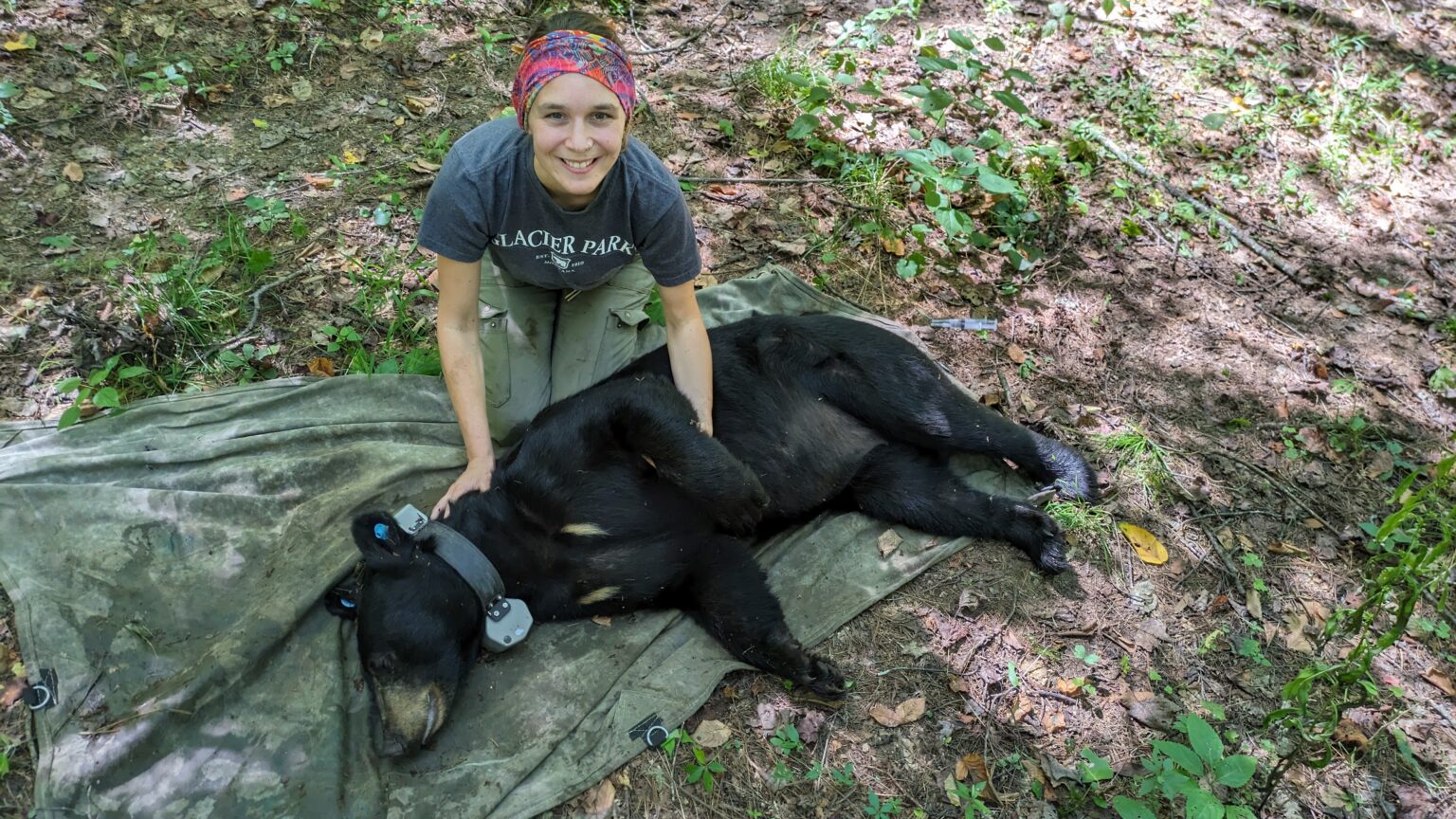
Bears translocated away from human settlements due to conflict have low survival in their new ranges in Tennessee.
When people think of translocation to remedy conflicts, “it’s a little bit of out of sight, out of mind,” said Kristin Botzet, who conducted this research as a graduate research assistant at the University of Tennessee. But translocated bears don’t go “live happily ever after in the forest,” she found.
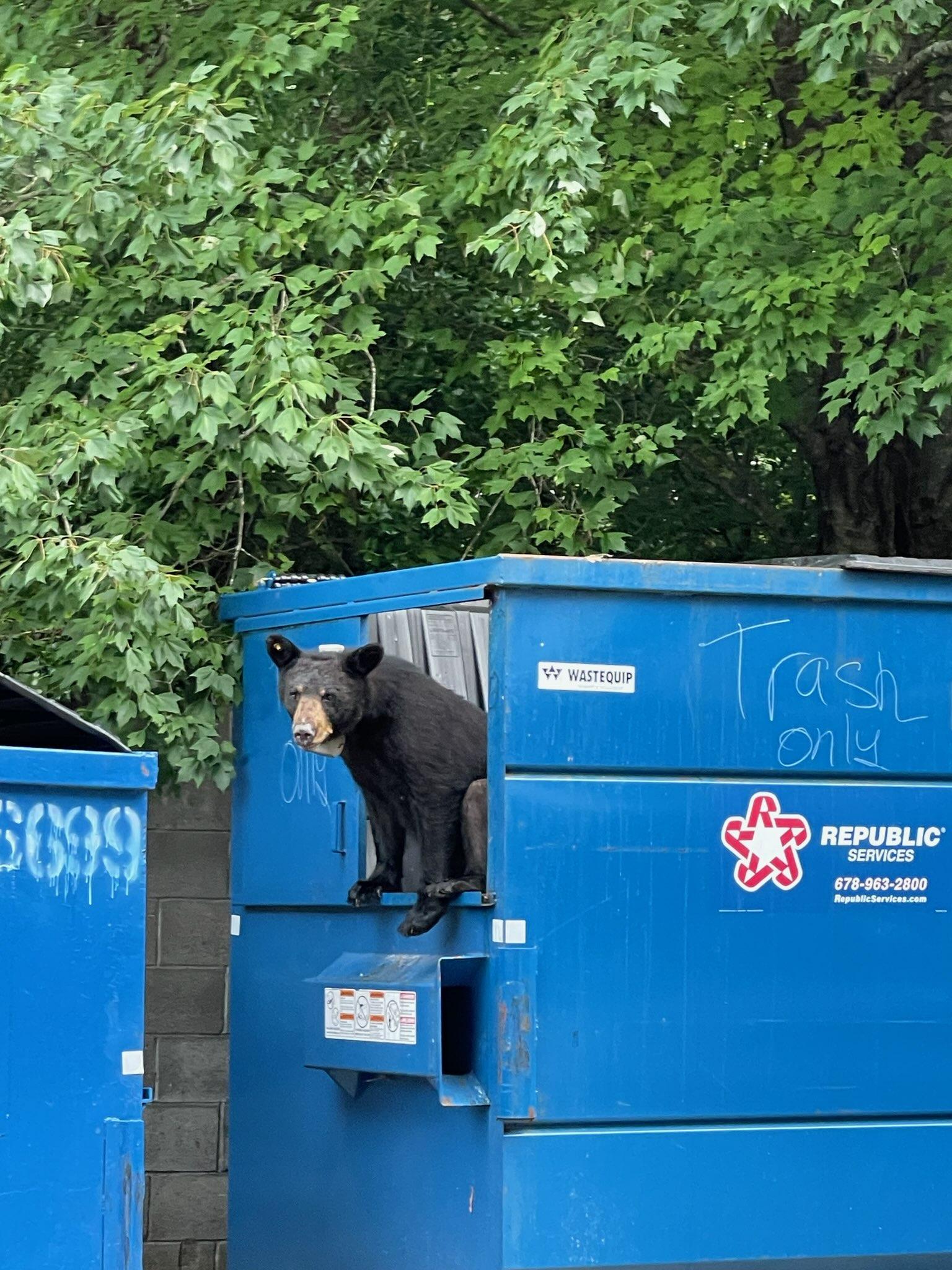
As human development expands into black bear (Ursus americanus) habitat, people are increasingly encountering the predators. While there are seldom attacks, some bears are attracted to the prospect of an easy meal, and human garbage provides.
“Trash is the number one cause for human-bear conflicts,” Botzet said.
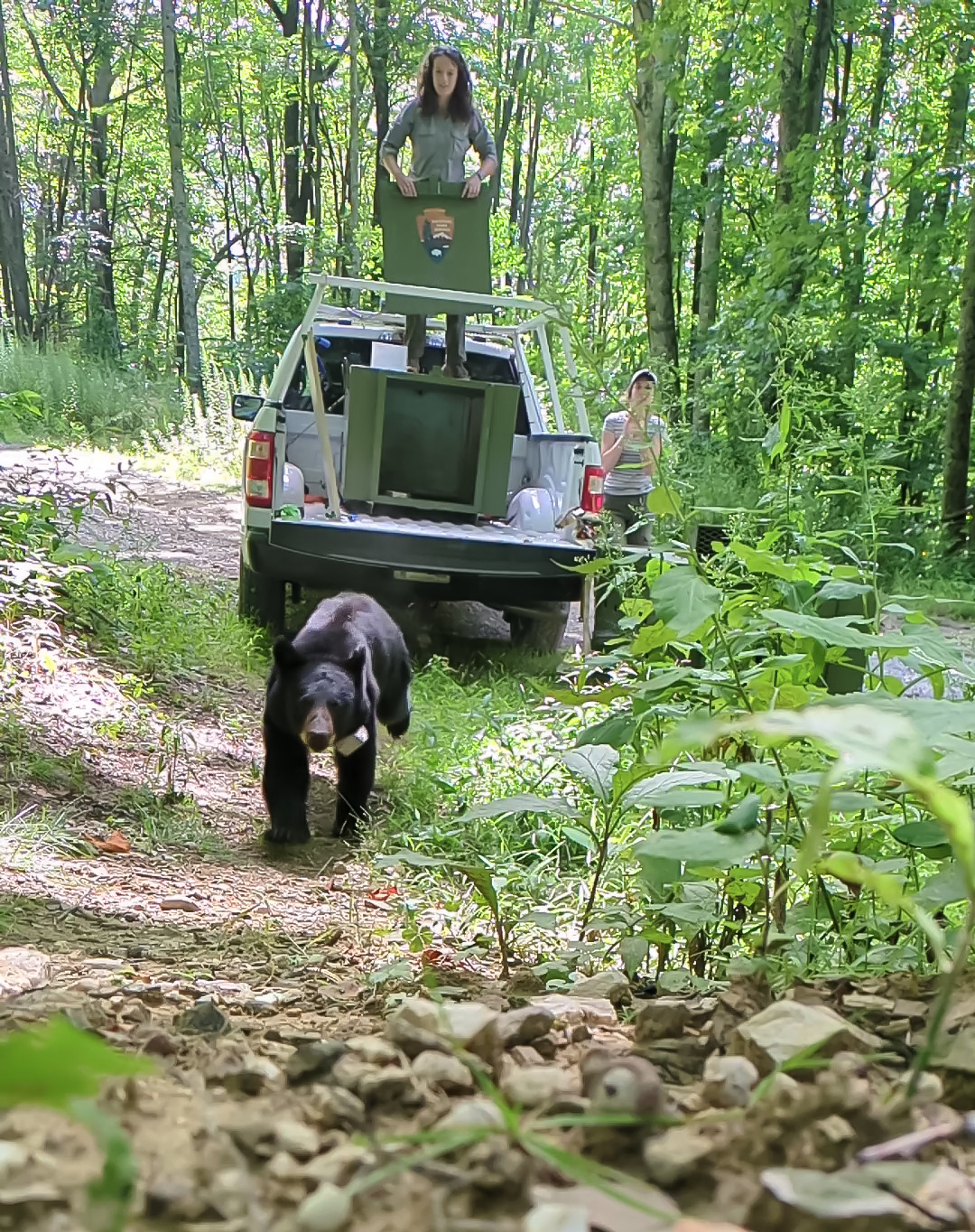
Managers often translocate bears that get into trash or that are involved in other conflicts with humans into wilder areas. Previous studies had looked at the survival of bears after translocation, including in Wisconsin, but most of that work was based on recovering the ear tags of reintroduced bears or using other indirect methods for tracking.
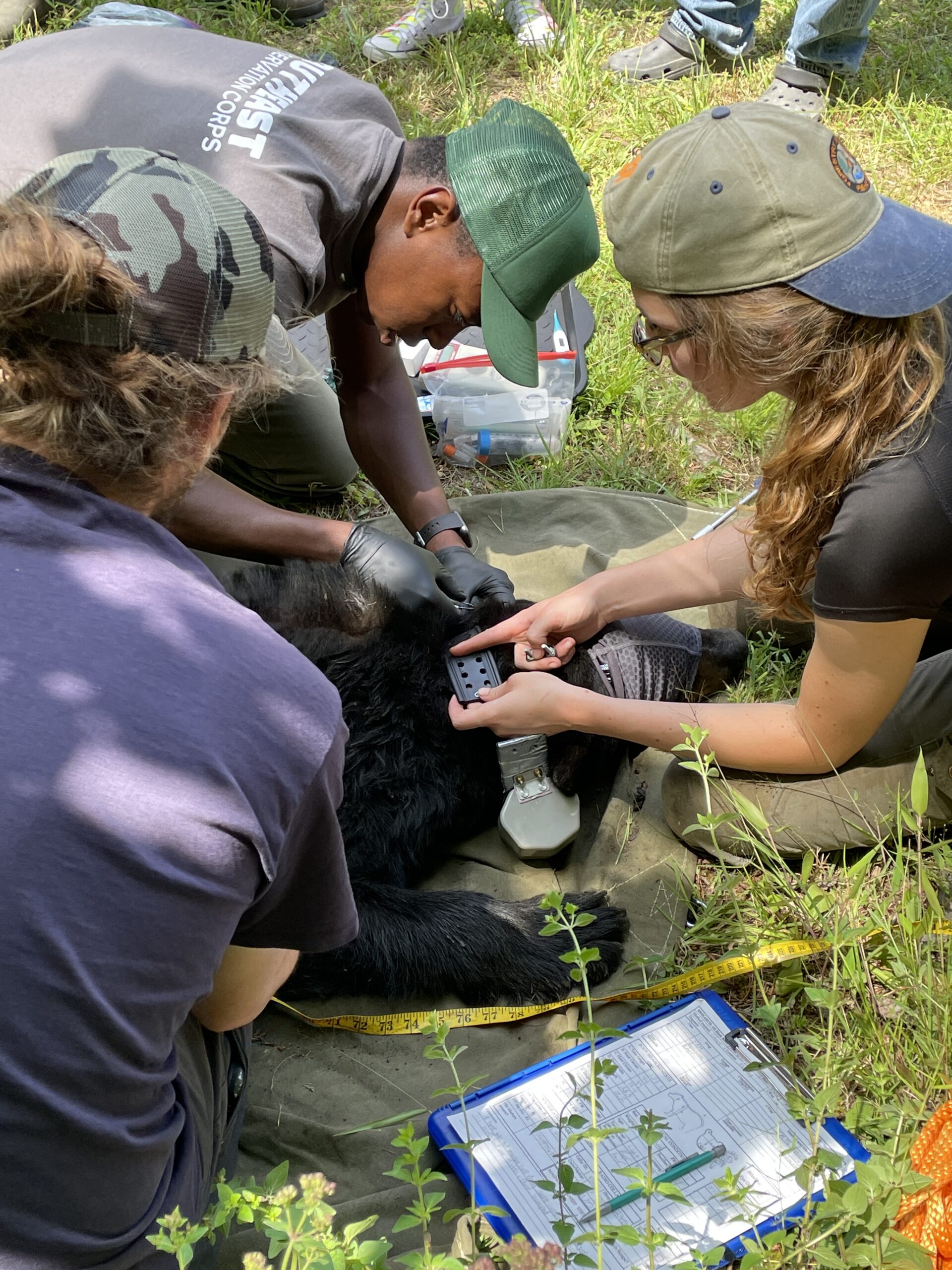
Botzet and her colleagues wanted to get a clearer picture of the lives of bears after translocation. From 2015 to 2024, she and her colleagues used GPS collars to track 50 bears captured in Great Smoky Mountains National Park in Tennessee and moved into Cherokee National Forest bordering the national park. In 2022 and 2023, the team also collared 37 resident bears from Cherokee that were captured near the release sites but were never translocated, as a control. Finally, the team used data from another study about bears involved in conflicts in the park that were captured, collared, but released onsite.
Black bears don’t survive well after translocation
The main finding the team reported in their study published recently in The Journal of Wildlife Management was that translocated bears didn’t survive well in their new homes. These bears only had a 23% chance of surviving the year. That compared to a 78% survival rate of resident bears in Cherokee by the year’s end and 87% survival of the bears captured, collared and left in Great Smoky Mountains.
“This adds to our previous understanding regarding the lower survival that translocated bears experience,” Botzet said. “Previous research suggested that the conflict behaviors of these bears were cause for the lower survival rates.” But in their study, the conflict bears that stayed in the national park had higher survival than both resident bears in Cherokee National Forest and the park bears translocated there.
Part of the higher survival rates among park bears is due to hunting, which is prohibited in the park but permitted in Cherokee. Botzet said that translocated bears were also much more susceptible to being hunted in Cherokee than resident bears there.
The reason more translocated bears died from hunting, Botzet speculates, could be due to the fact that park bears aren’t used to this type of human interaction and are unfamiliar with their new surroundings.
Botzet’s team also found that translocated bears also suffered from other risks, such as vehicle strikes, perhaps due to moving around more after being moved. Wildlife managers also lethally removed these bears at a higher rate due to continued conflict behavior after translocation.
Bears on the move
Some bears were also on the move, teaching researchers more about their behavior. One translocated female moved more than 1,600 kilometers in six months, going through four states from southern Cherokee in Tennessee down to Georgia, then up into South Carolina, then North Carolina and back to Tennessee. Botzet said the bear came within seven kilometers of its capture location in Great Smoky Mountains National Park at one point, but it didn’t stop. “That gave us new insight that hadn’t been documented before,” she said.
The study ultimately reinforces the idea that translocation isn’t the best option for dealing with bears involved in conflict. Young bears—subadults—seemed to do better than adults and would be the best candidates for translocation, if necessary. They were also less likely to remain near the release site and not return to the park than adults.
Investing more resources in public education would be a better approach to reducing human-bear conflict, Botzet said. Food conditioning happens over time, and this study found that bears reliant on human food aren’t the best candidates for translocation. They are more likely to reengage in conflict even after being moved away.
Further, if one bear conditioned to search for human food is removed from an area, it won’t make much of a difference unless the human foods that attracted it is removed. Otherwise, it’s only a matter of time before another bear finds the food source, and the human-bear conflict cycle continues, Botzet said.
A more effective approach would be to focus more public education or even regulations around trash security—proper disposal and bear-resistant trash cans, for example. Dog food outdoors and birdseed can also be problems. “I call birdseed the gateway drug into other conflicts,” Botzet said.
This article features research that was published in a TWS peer-reviewed journal. Individual online access to all TWS journal articles is a benefit of membership. Join TWS now to read the latest in wildlife research.
Article by Joshua Rapp Learn