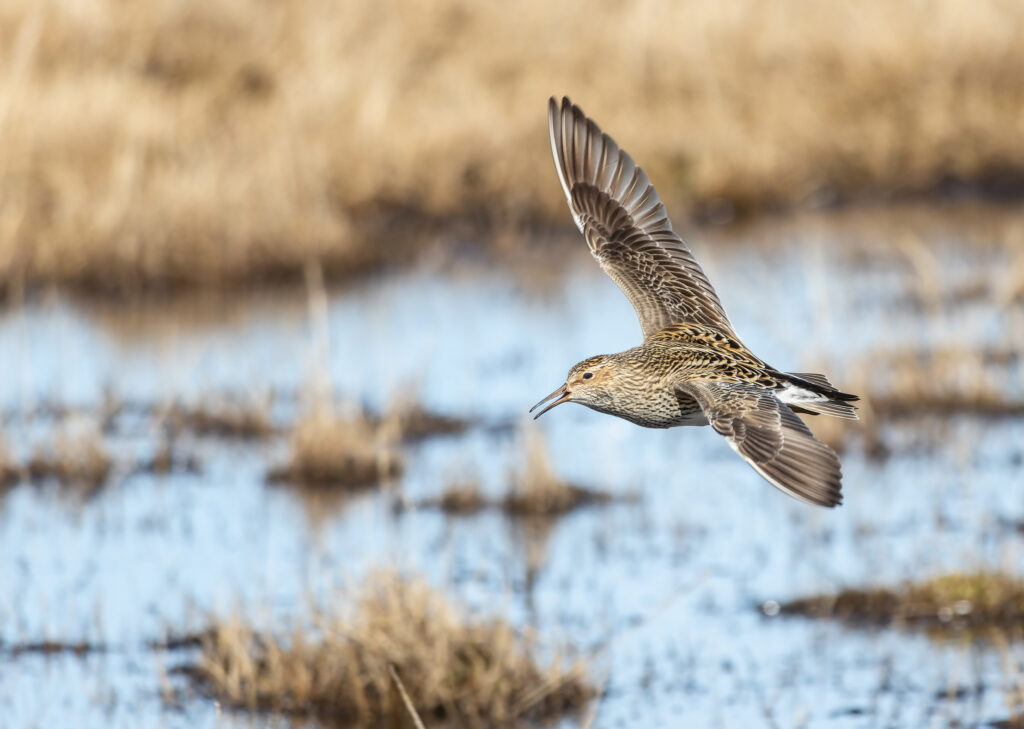

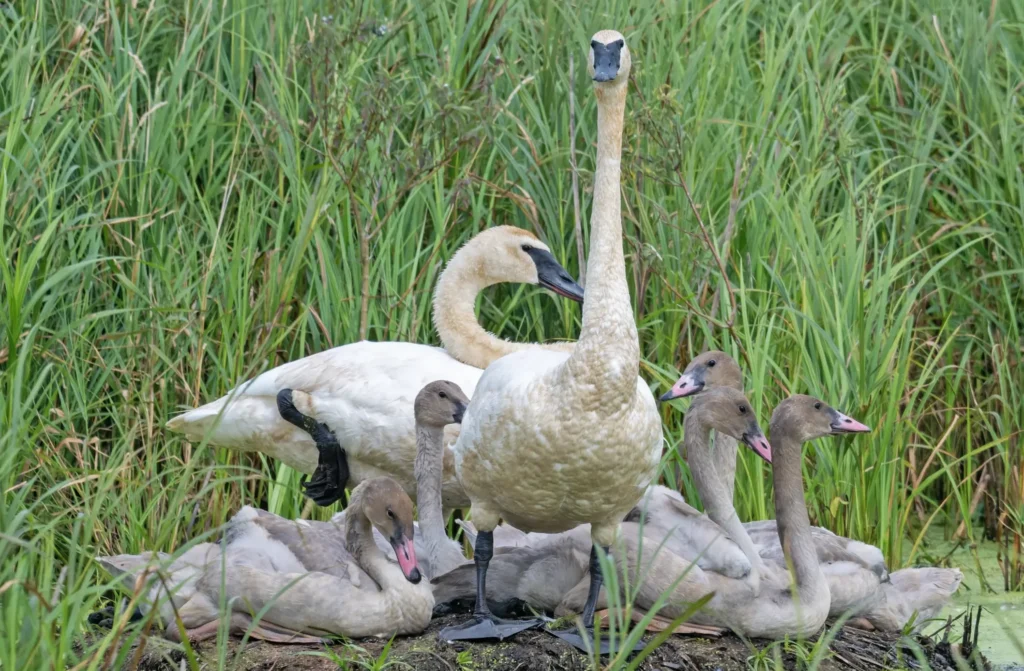


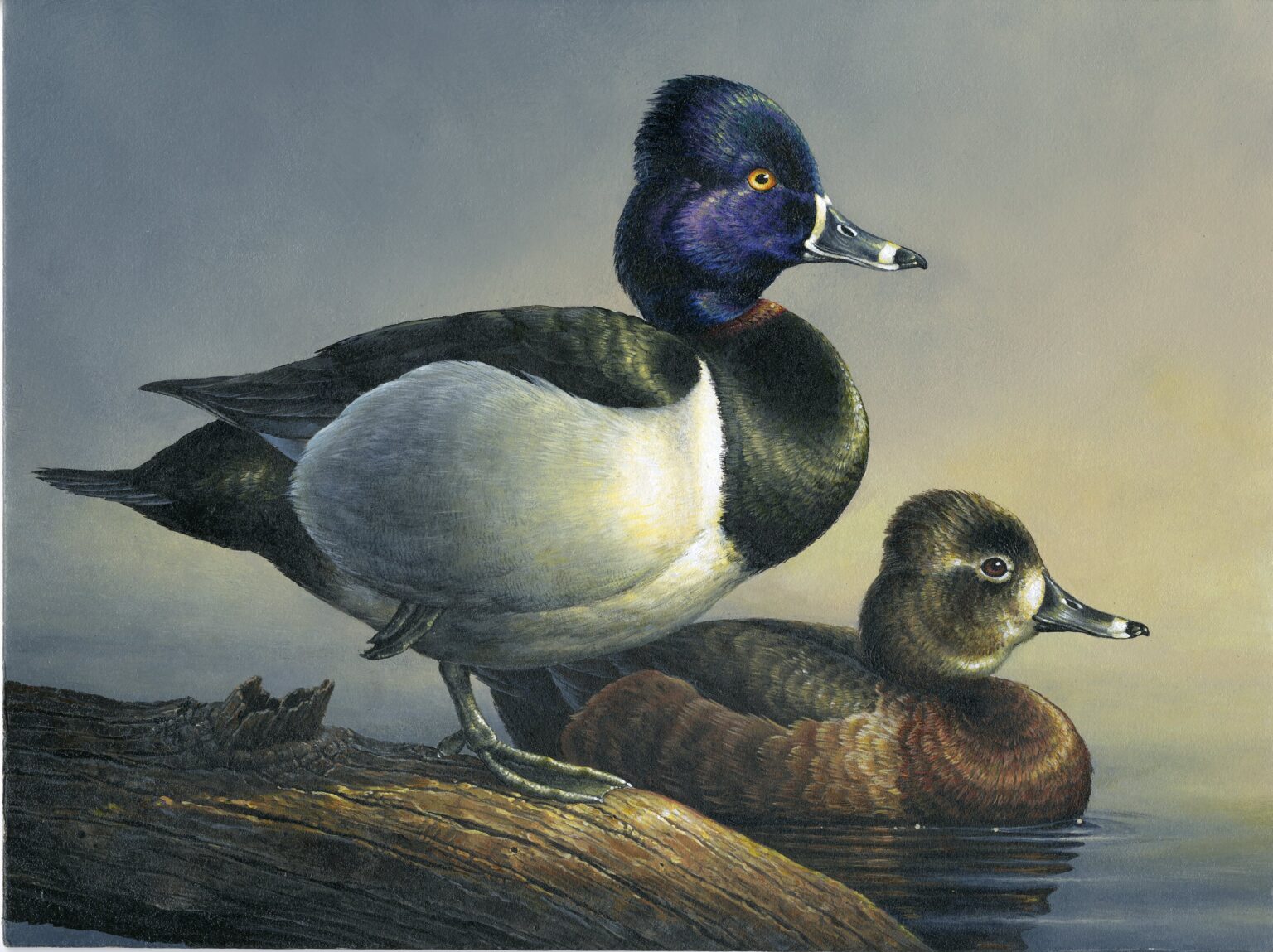
Is that bird a shade of pecan, syrup or penny brown? A new dataset aims to end the debate by quantifying color variation in bird feathers, enabling scientists to explore better questions in behavioral ecology and to examine how birds may respond to climate change. Color variation in birds is important for social communication, sexual selection, human interactions and thermoregulation, making it a long-standing subject of research. But turning something subjective into something measurable has eluded researchers. Researchers examined 18,757 images from Handbook of the Birds of the World Alive, representing 10,290 species, including 5,288 subspecies as well as the different colors between females and males, multiple color forms and different ages. Colors are made from a composite of blue, green and red light, and the intensity of the three decides what color we see. In the bird photos, the team quantified the red, blue, and green light values. They clustered the values to identify and classify different feather colors—essentially breaking down the color shades. By translating plumage into standardized data, the dataset gives wildlife professionals a new tool to track how traits shift across landscapes and over time.
Access the resource on Dryad or read more about the process in Ecology.