




Thanks to traces left at hummingbird feeders, researchers have extended the known range of endangered bats in Arizona.
“Mexican long-nosed bats are in Arizona; they feed from hummingbird feeders, and they may be in other areas that we just don’t know yet until we do a genetic survey,” said Faith Walker, an associate research professor in wildlife genetics at Northern Arizona University.
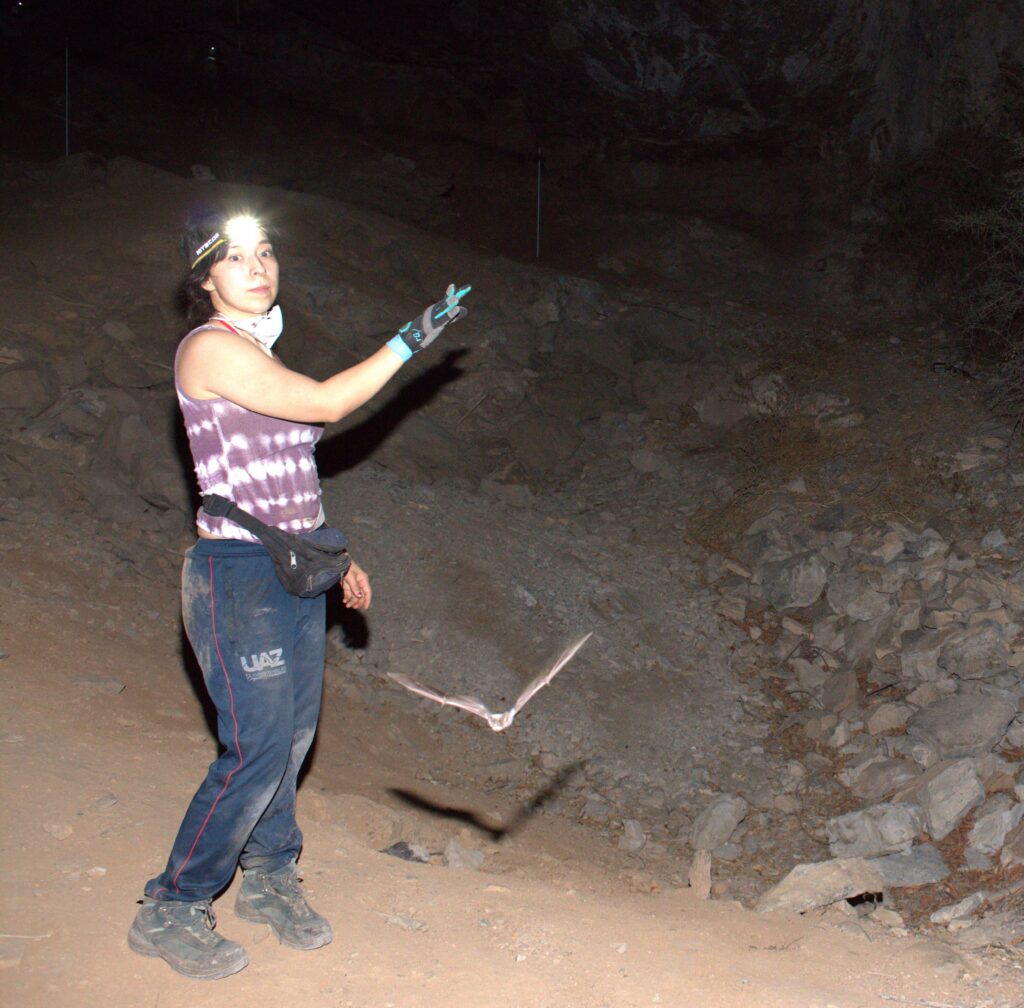
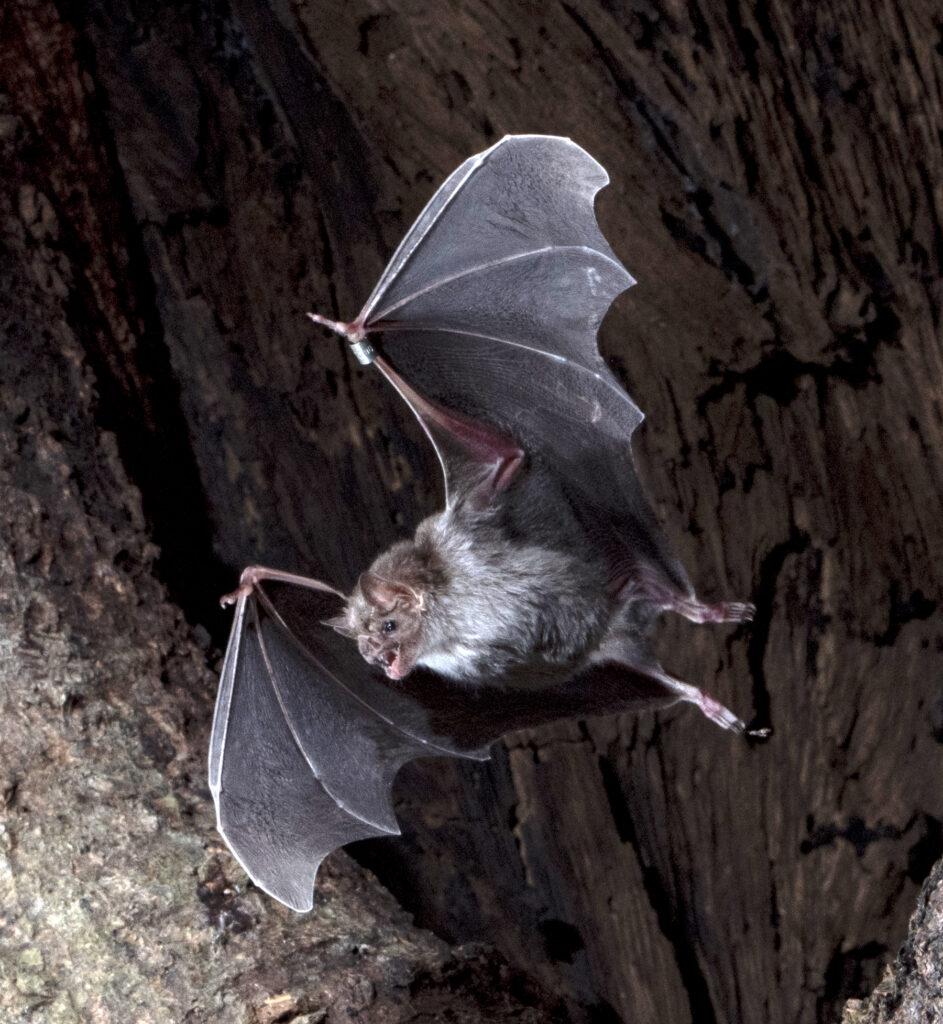
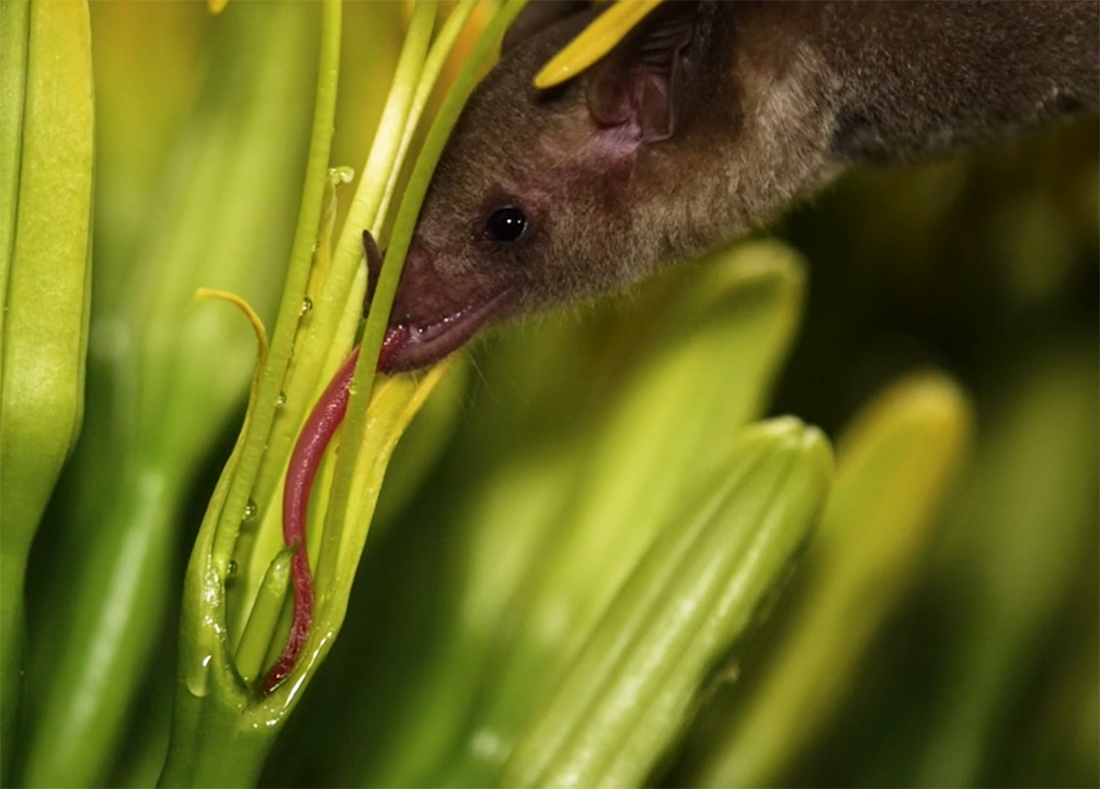
Using trail cameras, researchers had recently confirmed that tequila bats (Leptonycteris yerbabuenae) were taking advantage of artificial hummingbird feeders. The sweet sugar water in the feeders may be helping the species boost their resources in areas that didn’t have as many of the flowering agave plants they usually rely on. But to the naked eye, tequila bats look quite similar to closely related Mexican long-nosed bats (L. nivalis), which the U.S. Fish and Wildlife Service lists as endangered.
Sorting tequila from long noses
In a study published recently in Environmental DNA, Walker and her colleagues tested some of these hummingbird feeders in Portal, Arizona, for DNA to see if the endangered bats also visited hummingbird feeders.
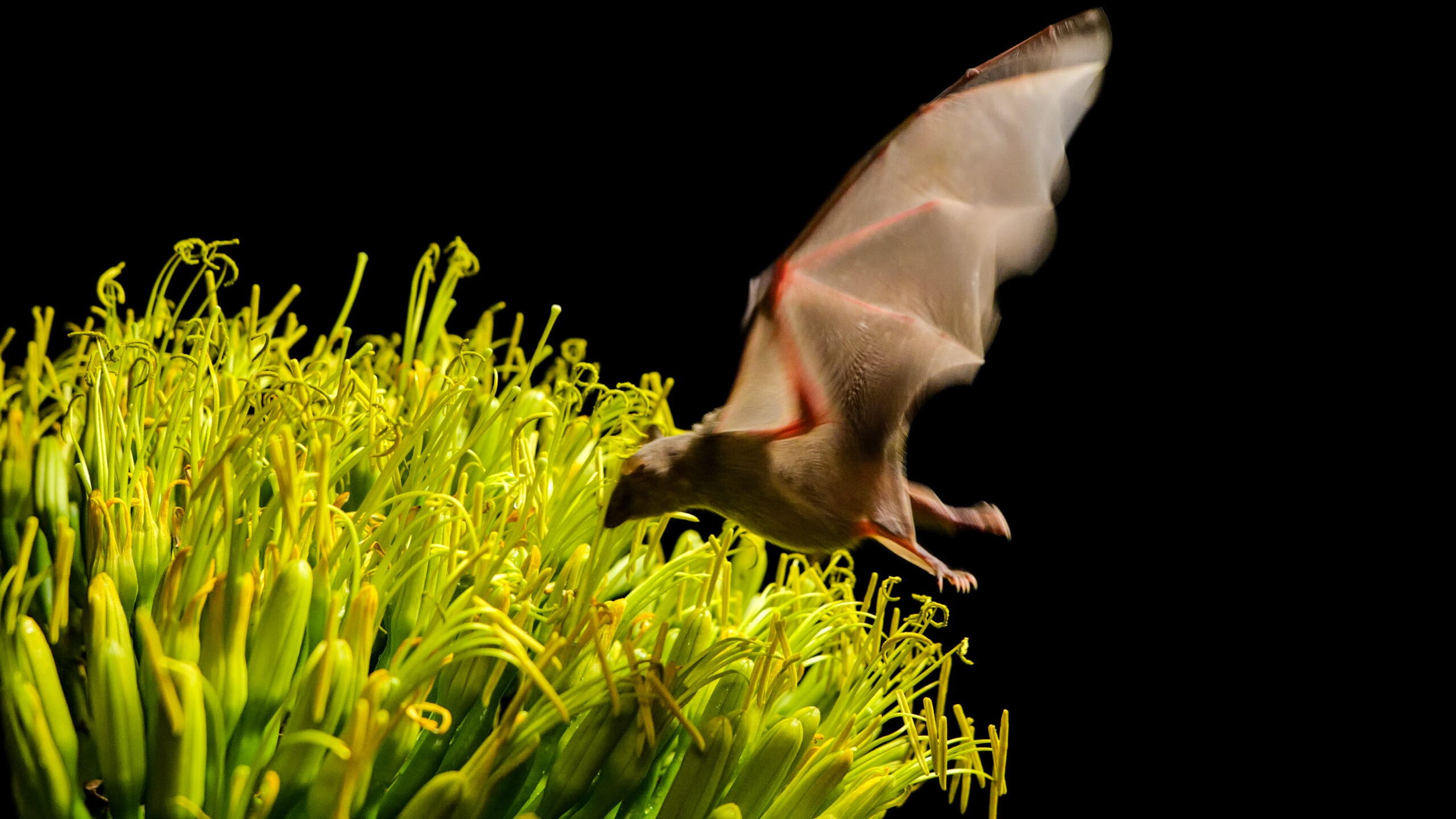
The study started with Walker and her coauthor, Kristen Lear of Bat Conservation International. Lear was videorecording Mexican long-nosed bats to see which flowering agave plants they visited in Mexico. She swabbed these plants and sent them to Walker for DNA analysis.
The team developed an assay—a solution that detects species—using two methods. They used a metabarcoding technique to detect all species present and another cheaper assay to detect just Mexican long-nosed bats.
In follow-up work, Lear and Walker swabbed hummingbird feeders in areas where bats had been detected in Portal. With the help of citizen scientists, they gathered samples in the small town in the foothills of the Chiricahua Mountains. At first, they weren’t sure whether bats would leave DNA traces on these portals, since they only stick their tongues through the access holes to lap up nectar. “We screened them and found they worked great for detecting any Leptonycteris,” Walker said.

From this work, the team in 2024 confirmed the presence of Mexican long-nosed bats for the first time in Arizona. Previously, researchers believed the species was only found in Mexico, Texas and New Mexico. But this discovery confirms the suspicions of some biologists that the Chiricahua Mountains might provide good habitat for the creatures.
Walker hopes to take this technique to a wider area around Portal to see if Mexican long-nosed bats have an even larger range there. She and her team are also swabbing agave flowers in New Mexico to better understand the migration routes these bats take every year. “Genetic tools are a great way for tracking this species because they are so cryptic,” she said.
Walker said that the DNA tests they developed aren’t yet able to differentiate between individual bats. But the technology is there if she can get the funding to do it. In the future, she hopes to get a better understanding of the number of bats that visit Portal.
Article by Joshua Rapp Learn