



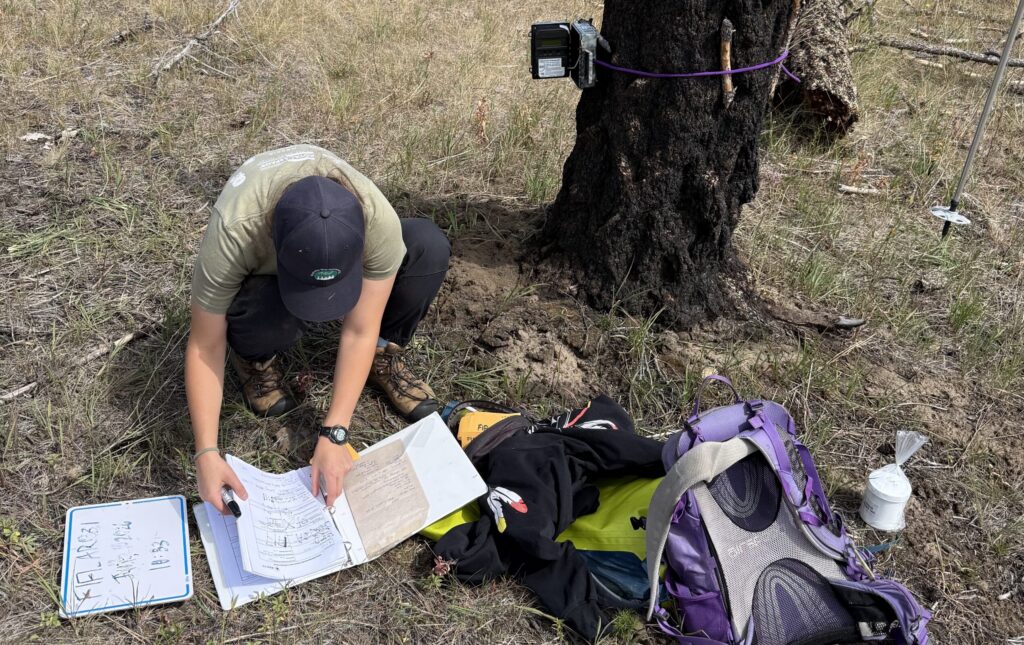

The Wildlife Society stands with our members and colleagues affected by recent federal workforce reductions. We recognize the critical role federal employees play in wildlife conservation and understand the challenges these changes bring. TWS is committed to advocating for you and providing resources to support your professional and personal well-being during this time. Below, you’ll find information on membership extensions, career opportunities, policy engagement and more. You are a valued part of our community, and we are here to help.
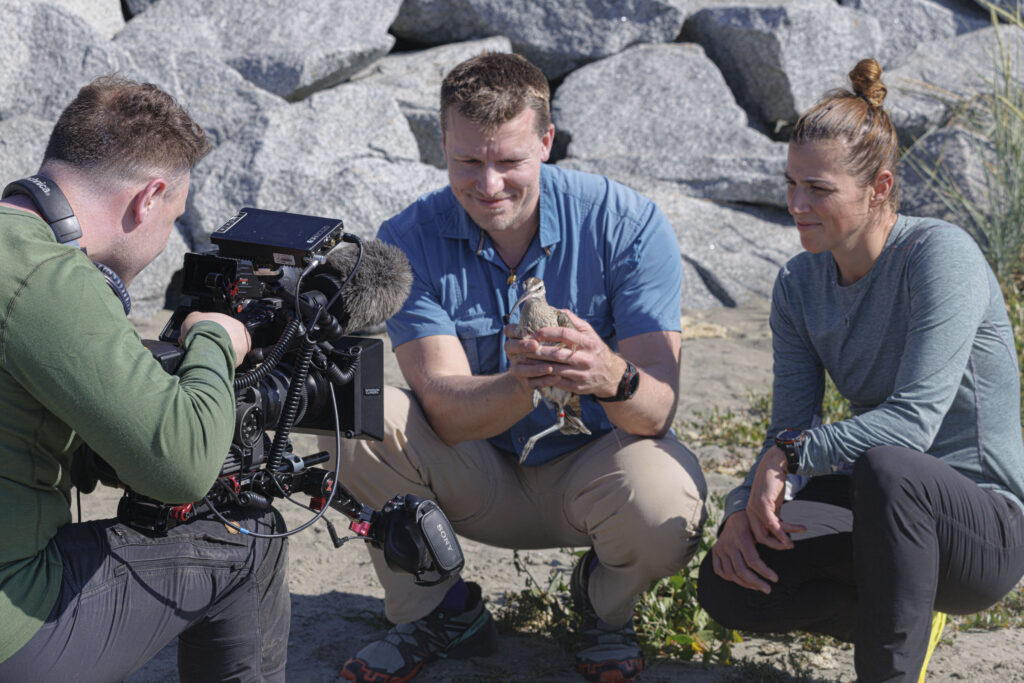
Image Credit: Lauren Martucci
Complimentary Membership Extension
TWS realizes this situation has created undue economic stress and uncertainty for our members subjected to these terminations. If you are a federal employee affected by these actions, TWS will extend your membership for six months free of charge. In addition, recently terminated federal employees that are not current members may receive a free, six-month membership. Email membership@wildlife.org to take advantage of this offer.
Updating your contact information
If you know TWS members who lost access to their federal email, please encourage them to email membership@wildlife.org or login to their member portal to update their contact information.
Latest TWS News

- Oct. 29: Potential RIF during government shutdown – New court filing shows the Department of the Interior plans to cut 2,000 more jobs across major federal land and wildlife agencies as the government shut down drags on.
- Oct. 22: Congress is nullifying resource management plans – Congress has voted to nullify three BLM Resource Management Plans under the Congressional Review Act, creating uncertainty around the agency’s ability to manage millions of acres of federal public lands.
- Oct. 20: Government slashes funding for environmental groups encouraging diversity – The Department of the Interior has cut funding to environmental groups linked to diversity, equity and inclusion. These cuts come amid a broad push to slash agency spending and target ideology the administration views as wasteful.
- Oct. 1: TWS statement on the U.S. government shutdown – As a result of the shutdown of the U.S. federal government on Oct. 1, conservation operations will halt and many federal employees will be furloughed. Our sympathies are with the wildlife professionals who will now face greater uncertainty and financial strain and with the conservation partners, states, Tribes, private landowners and others who rely on cooperation and support from the federal government.
- Sept. 30: Conservation, controversy and proposed changes to the MMPA – As Congress debates changes to the Marine Mammal Protection Act, alliances are forming and the stakes couldn’t be higher for both sides of the issue.
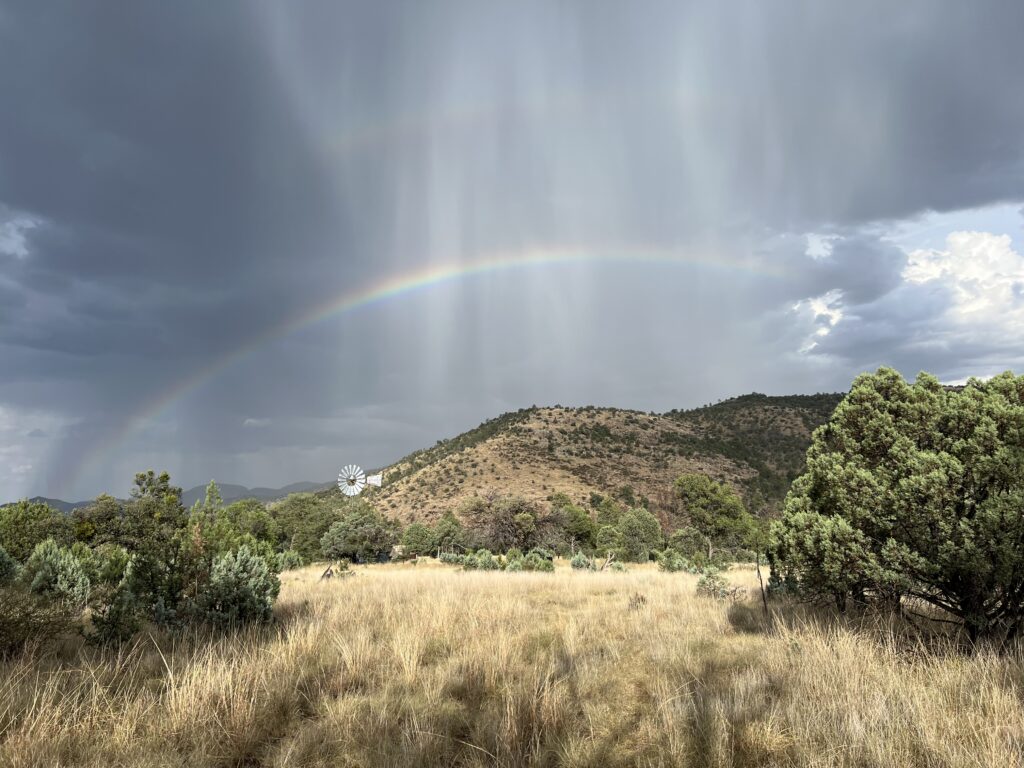
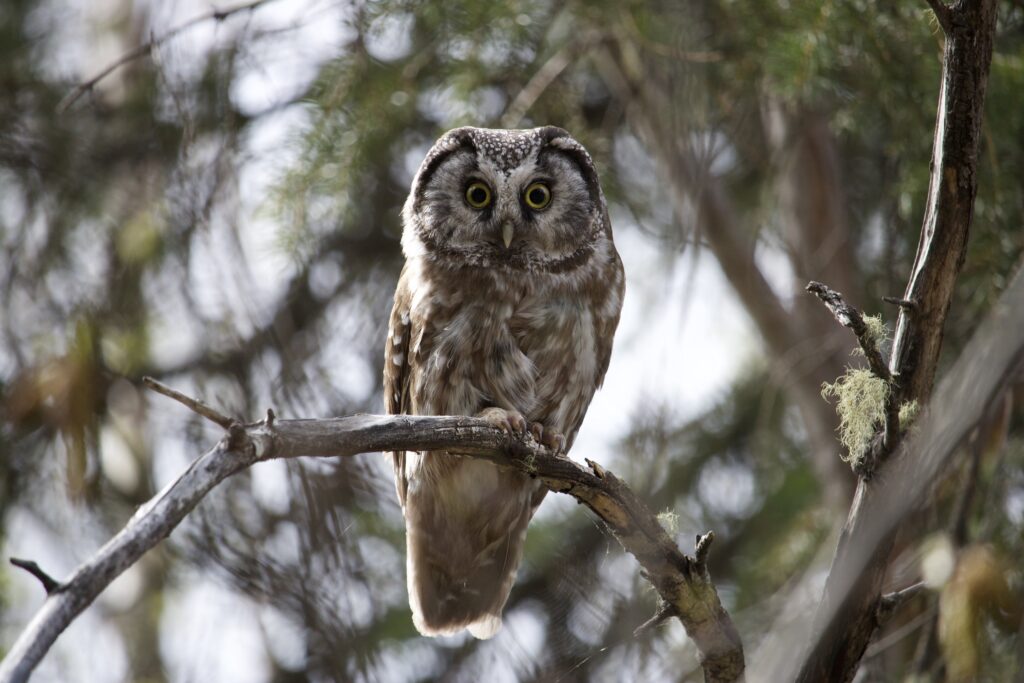
Credit: Jennifer Murphy
-
Latest News (cont.)
- View the new Impact Map from The Impact Project, which provides data from across the U.S. on policy, funding and workforce changes and their localized effects.
- Sept. 26: How will federal cuts affect endangered species? – The Trump administration has made a number of cuts that could affected endangered or threatened species and has more potential changes in the works. Wildlife professionals discuss how these changes might affect these imperiled organisms.
- Sept. 24: TWS supports professionals unable to attend annual conference – Because many federal agency employees are unable to attend the annual conference in Alberta due to new budget cuts and regulations against travel, TWS is extending free access to the mobile conference app. Users will be able to stay up-to-date on conference happenings and message presenters.
-
News Archive & Other or Related News
- Sept. 5: Void for vagueness – President Trump signed executive orders to end DEI work in the federal government and beyond. These orders, if upheld, will upend the legal landscape of DEI. Some lawyers claim the orders are too vague and violate the U.S. Constitution, setting the stage for a case likely destined for the Supreme Court.
- Sept. 2: Has Trump admin affected ecological research and management? – A sweeping survey reveals what many feared: federal restructuring has destabilized U.S. science. A small but vocal minority welcomes the change.
- Aug. 26: TWS wildlife brief on Big Beautiful Bill – TWS has created a new resource detailing what the Big Beautiful Bill means for conservation funding and the implementation of federal wildlife policy.
- June 2: Wildlife professionals oppose ESA rulemaking proposal – TWS units and members respond to proposed ESA rulemaking with a clear message on the importance of habitat protections for conserving wildlife.
- May 12: USGS grants will freeze, layoffs planned – The Trump administration will freeze funding for U.S. Department of the Interior programs under the USGS’ Ecosystems Mission Area and announced upcoming reduction in workforces. While a federal judge paused the latter, the work and jobs of college students and USGS wildlife professionals are mired in uncertainty in coming weeks.
- May 12: Lost federal funding hits Tribal wildlife management – The Trump administration led to a loss of federal funding for Tribes doing important wildlife conservation and management work. In a survey by the Native American Fish and Wildlife Society, 60% of Tribes reported federal grant freezes.
- May 2: USGS cuts would jeopardize leading wildlife research – The Trump administration has already affected staff in the U.S. Geological Survey, and reports claim they are looking to cut the entire Ecosystem Mission Area. Retired USGS scientists discuss how this might affect current and future wildlife science.
- April 14: DOGE may threaten sustainability of FWS waterfowl limits – The U.S. Fish and Wildlife Service conducts an annual waterfowl survey to inform sustainable hunting limits. But Elon Musk’s Department of Government Efficiency may threaten the agency’s ability to accurately set these limits, retired biologists and lawmakers say.
- March 28: Interior Secretary announces actions tied to Alaska’s resources – The Secretary of the Interior has announced initial steps to expand resource extraction and energy development in Alaska.
- March 20: NEPA loses its regs – Recently, the Council on Environmental Quality posted an interim final rule removing existing regulations for implementing NEPA.
- March 14: Retired wildlife leaders decry firings as ‘existential threat’ – Former leaders warn that firings will cause widespread and long-lasting consequences for wildlife management across North America.
- March 12: Cutting ‘boots-on-the-ground, getting-it-done stuff’ could harm the West’s fish and wildlife for decades, from High Country News
- March 11: As Trump Attempts to Reform Federal Government, Hunters and Anglers Face ‘Unintended Consequences’, from Outdoor Life
- March 6: What the DOGE is happening? – A detailed breakdown of executive orders impacting the wildlife profession.
- Feb. 27: Professional societies issue joint statement on federal workforce – TWS joins AFS, SAF and SRM in support of federal employees.
- Feb. 18: TWS joins pledge in the face of declining public trust in science – The letter emphasizes the critical importance of unbiased scientific research, freedom from censorship and policies based in research and data.
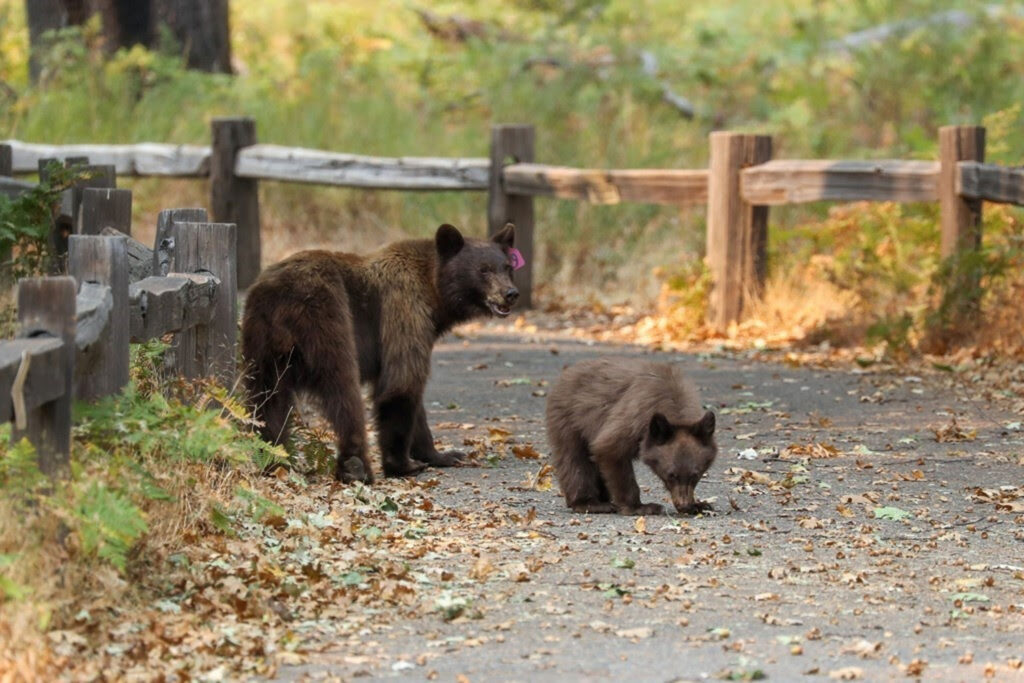
Credit: Deirdre Denali Rosenberg
How to take action
Contacting your Congressional representatives is a great way to support your colleagues. Use our Policy Toolkit to get started.
- Please consider writing an opinion editorial.
- Support wildlife conservation by calling your elected officials: TWS conservation policy manager Kelly O’Connor shares how simple it is to contact your elected officials in this Instagram reel.
- Use our call script, which you may use or adapt to make calls as easy as possible.
- Members interested in policy engagement can access more resources via the Conservation Affairs Network. If you’re a TWS Chapter or Section member, join your unit’s Conservation Affairs Committee and take action!
Job resources
Job openings
We encourage folks to watch our Job Board and sign up for notices of new positions. We also plan to highlight opportunities available from our partner organizations like the National Wildlife Turkey Federation, Pheasants Forever, the National Association of University Fisheries and Wildlife Programs and others in TWS Weekly.
Resumes, CV resources and more
Credit: Terry Shelton
Credit: Ana Sapp
Wildlife Vocalizations Lost
Wildlife Vocalizations Lost is a series about how federal job loss in the wildlife profession may impact conservation and wildlife management. It’s a part of our regular series, Wildlife Vocalizations, which is a collection of short personal perspectives from people in the field of wildlife sciences. Learn more about Wildlife Vocalizations, and read other contributions here and here.
Submit your story for Wildlife Vocalizations or nominate your peers and colleagues to encourage them to share their story. For questions, please contact tws@wildlife.org.
Upcoming Webinars & Other Resources
- FedFam: Resources for Federal Workers and Contractors
“The FedFam community is for those seeking knowledge, support and camaraderie in their journey with federal employment and contracting.” Visit fedfam.org and sign up for their newsletter. - Important Update for Federal Job Seekers
All applicants for federal jobs—especially students and early-career professionals—should take note of new resume requirements under the OPM Merit Hiring Plan. As of Sept. 27, 2025, USAJOBS will enforce a two-page limit for all federal resumes, replacing the long-form structure previously accepted. This is a valuable time to review your materials and prepare for upcoming opportunities despite ongoing hiring freezes. Learn more in the OPM Merit Hiring Plan, and check out upcoming USAjobs webinars on the two-page resume format.
Past recordings
- Rally for the Cornerstone of Conservation Science: The USGS Ecosystems Mission Area – National Wildlife Federation, cosponsored by The Wildlife Society
- Mental Health in Natural Resources – The Wildlife Society
- Building Effective CVs & Resumes – The Wildlife Society
- Employment Insecurity: Planning for Next Steps – American Fisheries Society
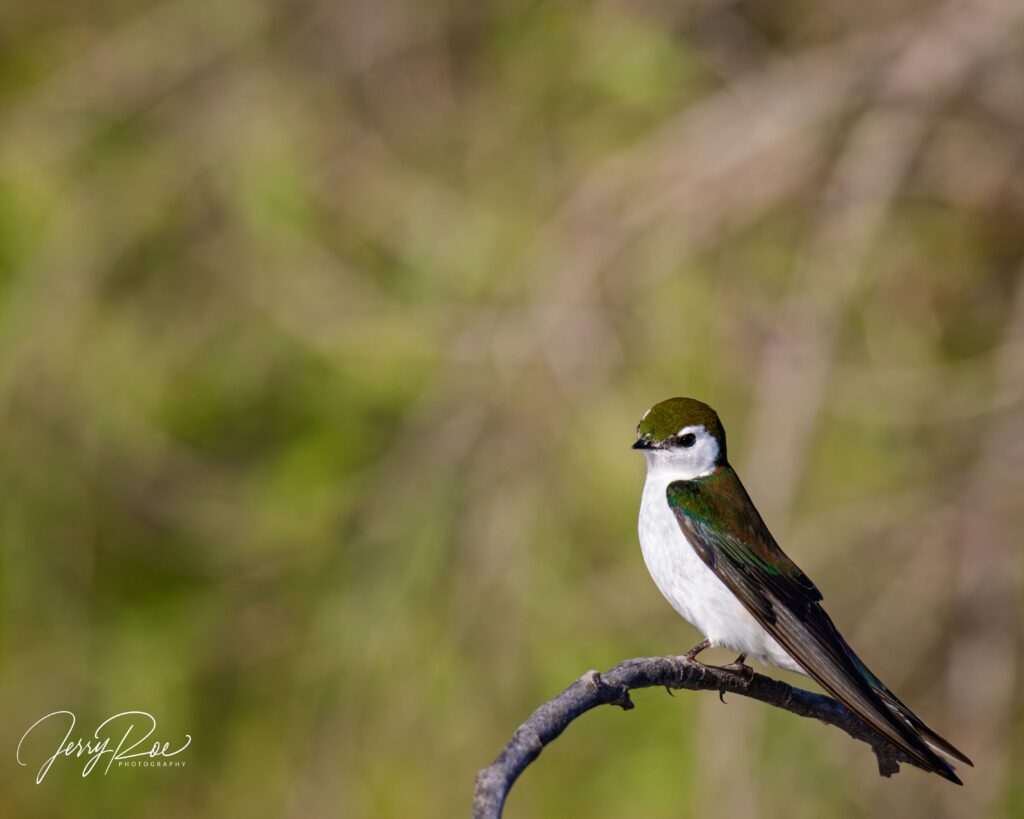
Credit: Brilyn Nicholson
Resources from Congressional Representatives*
Sen. Chris Van Hollen (MD): Resources for Marylanders
Sen. Ben Ray Luján (NM): Resources for Federal Employees
Congresswoman Sarah Elfreth (MD): Resources for Marylanders Affected by Trump Administration Policies
*The information above is provided for informational purposes only and has been pulled from the executive branch agencies mentioned above. These tips are meant to give a general overview of the legal rights of federal employees as outlined by executive branch agencies tasked with protecting those rights, such as the U.S. Office of Special Counsel (OSC), the Equal Employment Opportunity Commission (EEOC), and the U.S. Merit Systems Protection Board (MSPB). The information outlined on this website should not be interpreted as legal advice on any subject matter. For legal advice, speak with an attorney or if you are in a bargaining unit, refer to your union.