

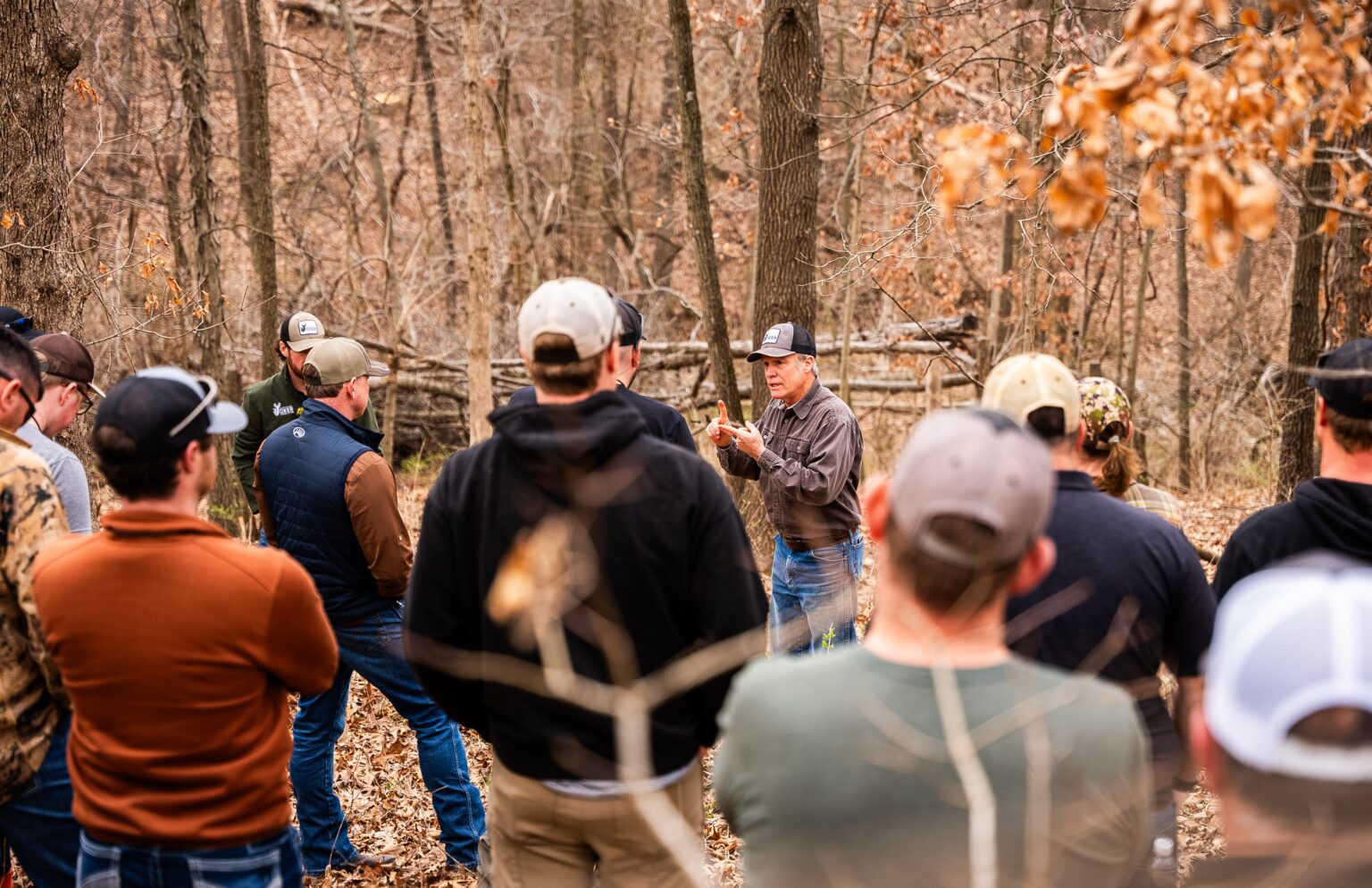
Craig Harper has won the 2026 Caesar Kleberg Award for Excellence in Applied Wildlife Research for a career of practical research and outreach on wild game science, prescribed fires and other land management techniques, highlighting how applied management techniques can impact both game and nongame species.
Since 1998, Harper has worked at the University of Tennessee’s School of Natural Resources as a professor and extension wildlife specialist.
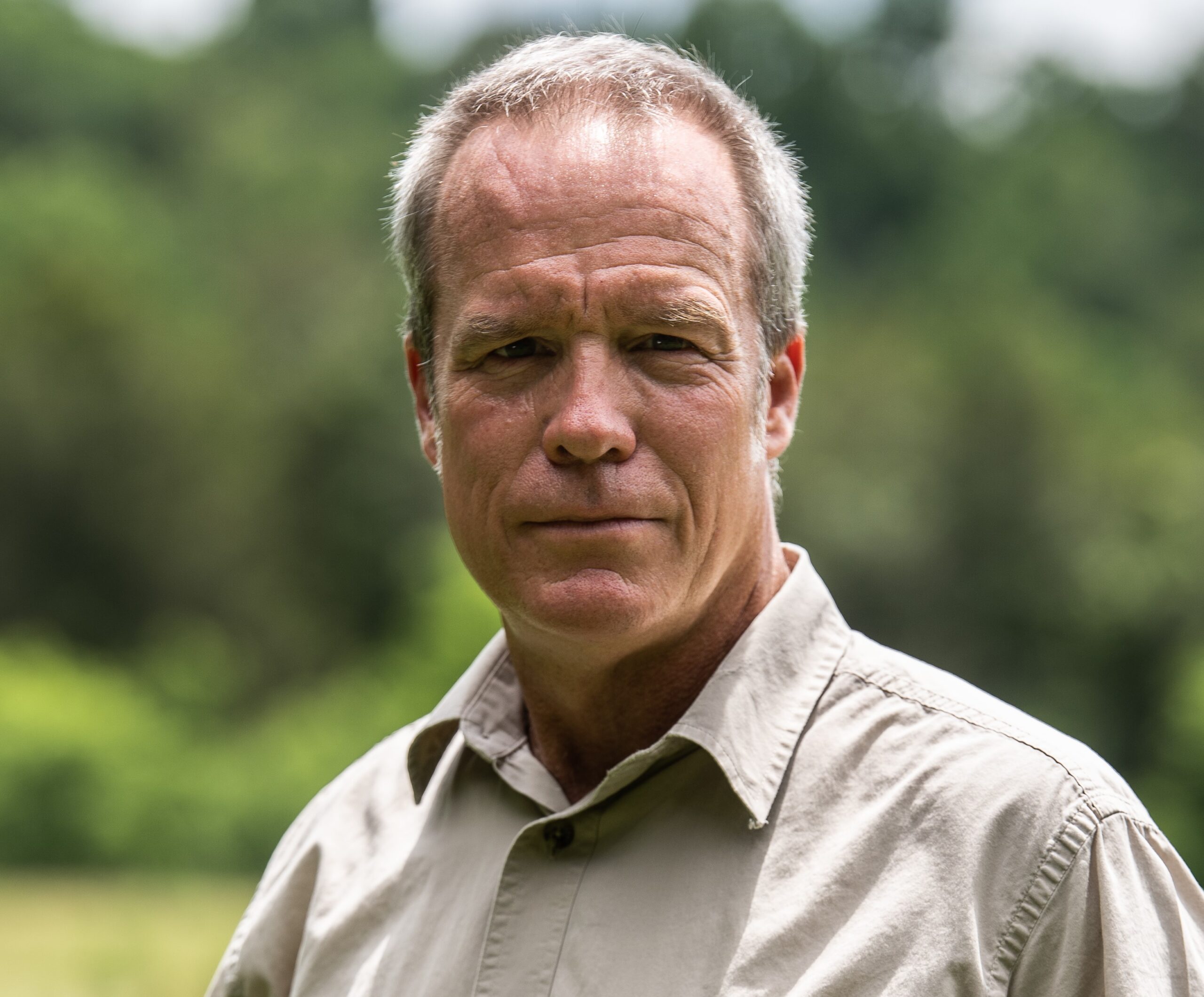
“Although Craig was hired into a 100% extension appointment, he immediately saw the need for more applied research to produce information most sought by landowners managing their properties for upland wildlife,” Harper’s peers wrote in their nomination letter.
The award recognizes those who have distinguished themselves in applied wildlife research and contributed to “on the ground” applications of management and conservation.
Throughout his career, Harper has worked to marry his research efforts with his extension programming and get the word out to the people who could use such information the most through presentations, social media, workshops, field days and podcasts. “Our research results do not matter much if they are not delivered to people,” Harper said.
He’s also mentored dozens of graduate students who have gone on to careers in wildlife.
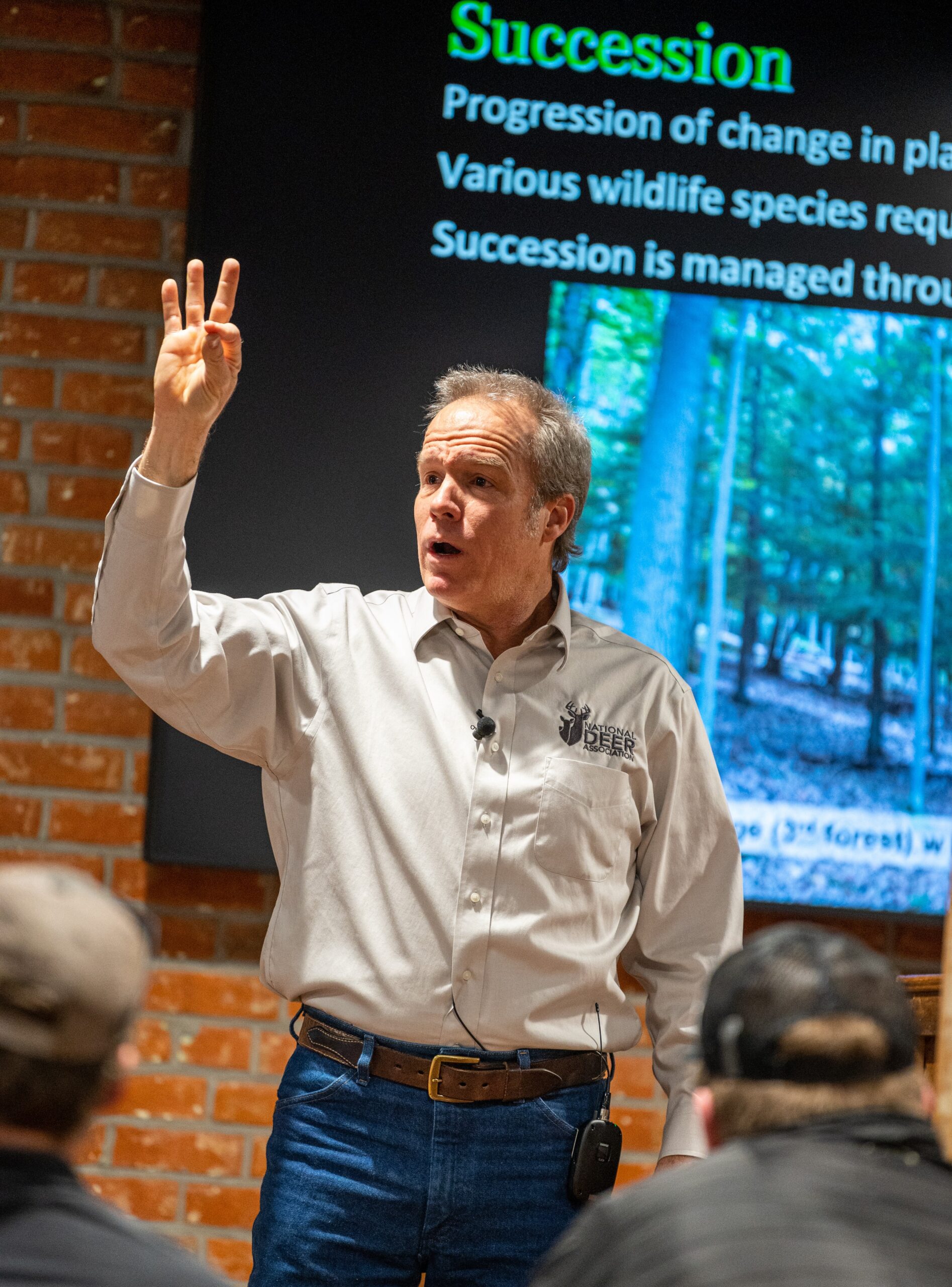
“The impacts of Craig’s career are tangible and evidenced by the shifts in management paradigm among hundreds of wildlife professionals, knowledge change across thousands of landowners and hunters, and conservation practices implemented on millions of acres across the eastern U.S.,” the nomination letter said.
The nominators noted that Harper’s research and outreach have inspired several agencies from eastern states to change their land management practices. “It’s difficult to quantify Craig’s comprehensive impact, but the number of people Craig has educated and the number of acres positively influenced for wildlife populations are immense,” they wrote.
Harper was honored to have been nominated and selected for the award.
“It’s very rewarding that my peers would think that the work I’ve done is deserving,” he said.
The award will be presented at TWS’ Annual Conference in Des Moines, Iowa, starting Nov. 1.