


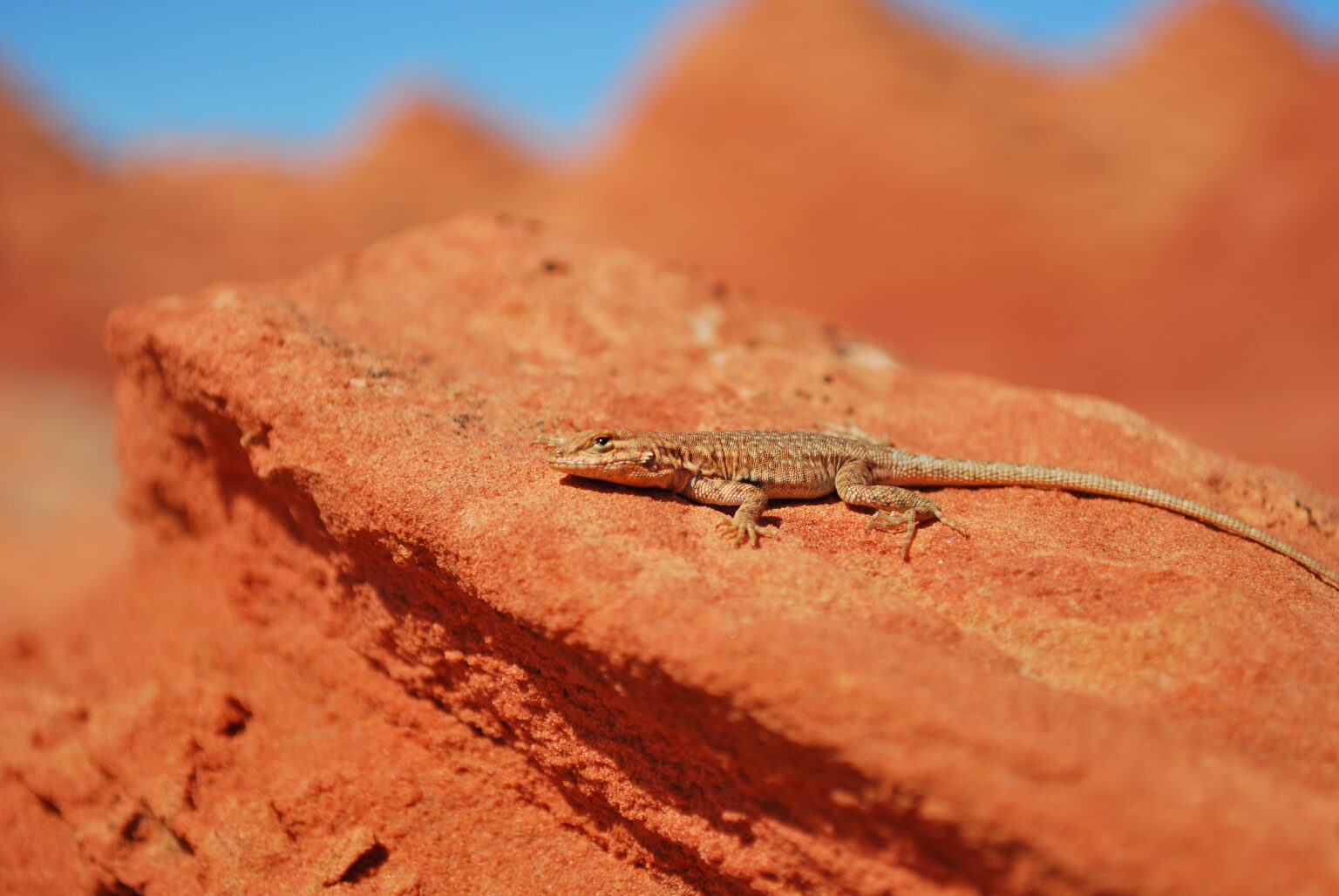
Cold-blooded animals rely on their environment for the necessary heat to stay alive. But a new study found that when faced with daily fluctuations in temperature, ectotherms, which include fish, reptiles, amphibians and invertebrates, struggle to adjust. A new review published in Philosophical Transactions of the Royal Society B combined the findings of 26 studies that tested how ectotherms respond to temperature fluctuations. The researchers thought that they would find physiological evidence of ectotherms becoming less sensitive to daily temperature fluctuations. “Instead, we found the opposite,” said lead author Gomez Isaza of Murdoch University. “There was no consistent evidence that ectotherms fine-tune their physiology in response to these predictable fluctuations.” As climate change worsens, temperatures are becoming less predictable and reaching new highs and lows. Researchers warn that ectotherms may be particularly vulnerable to the effects of climate change and that long-term resilience will come from genetic changes rather than daily adaptations to temperature fluctuations.