


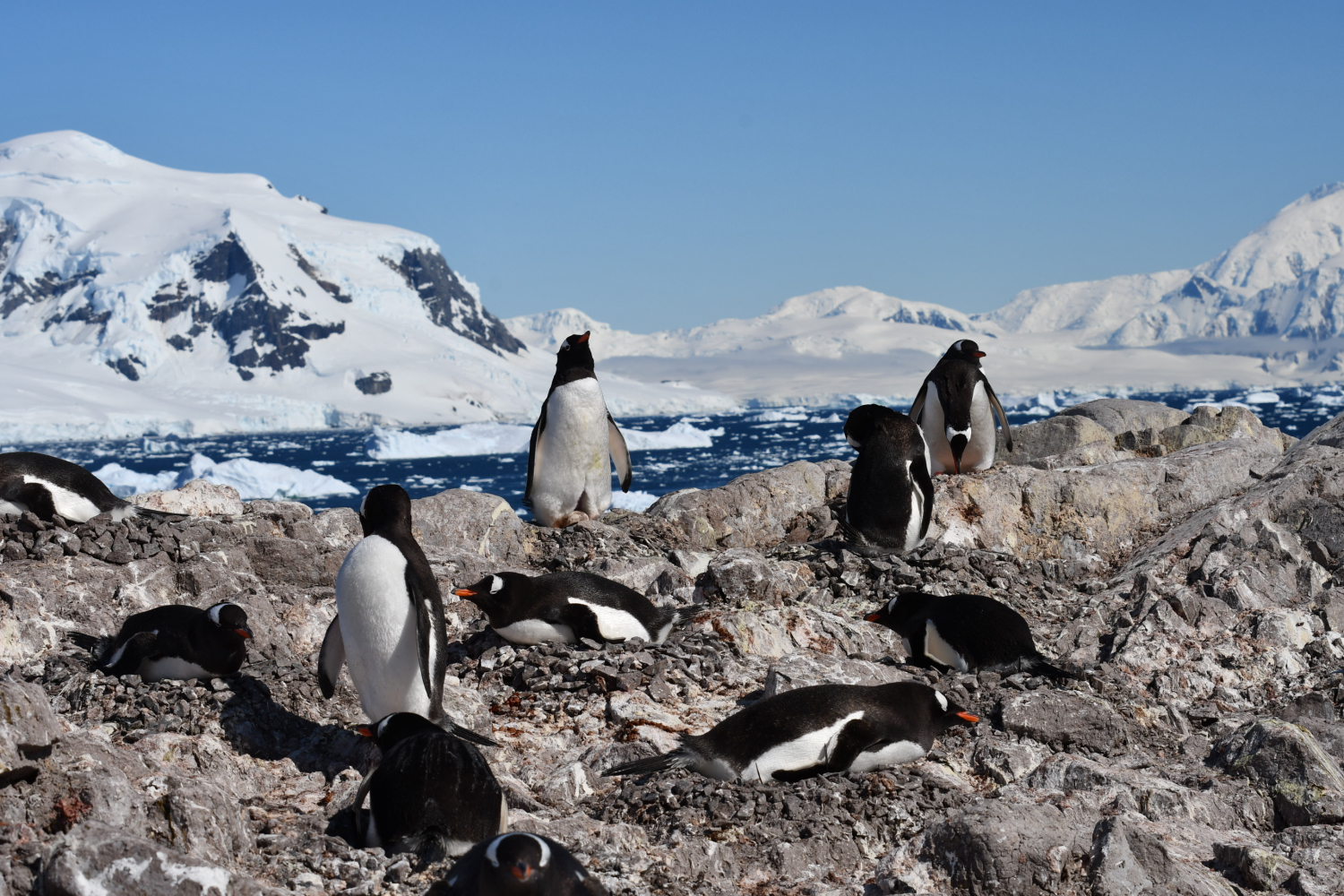
Penguins in Antarctica are breeding two weeks earlier, likely due to climate change. The new research, published in the Journal of Animal Ecology, analyzed penguin breeding season timing from 2012-2022 across three species: Adélie (Pygoscelis adeliae), chinstrap (P. antarcticus) and gentoo (P. papua) penguins. The researchers kept an eye out for the date of settlement, or the first day when a penguin colony continuously occupies an area. The researchers found that each of the species were breeding in record-early timeframes. If penguins start breeding before their prey is available, their chicks may die of starvation. But due to each species’ unique dietary needs, they will likely be impacted differently by the shifting breeding season. Ignacio Juarez Martínez, a researcher at the University of Oxford and Oxford Brookes University, said the results indicate there will likely be “winners” and “losers” of climate change when it comes to Antarctic penguins. “We want to preserve penguin diversity in Antarctica at all costs,” Martínez said. “The Antarctic ecosystem is a network with very few links—losing several species of penguins before the end of the century, as models predict, could be a fatal blow to its functioning and its resilience.”