




In an arid national park in Chile, climate change is switching up the diets of owls. As it’s gotten hotter, these birds of prey are trying new food.
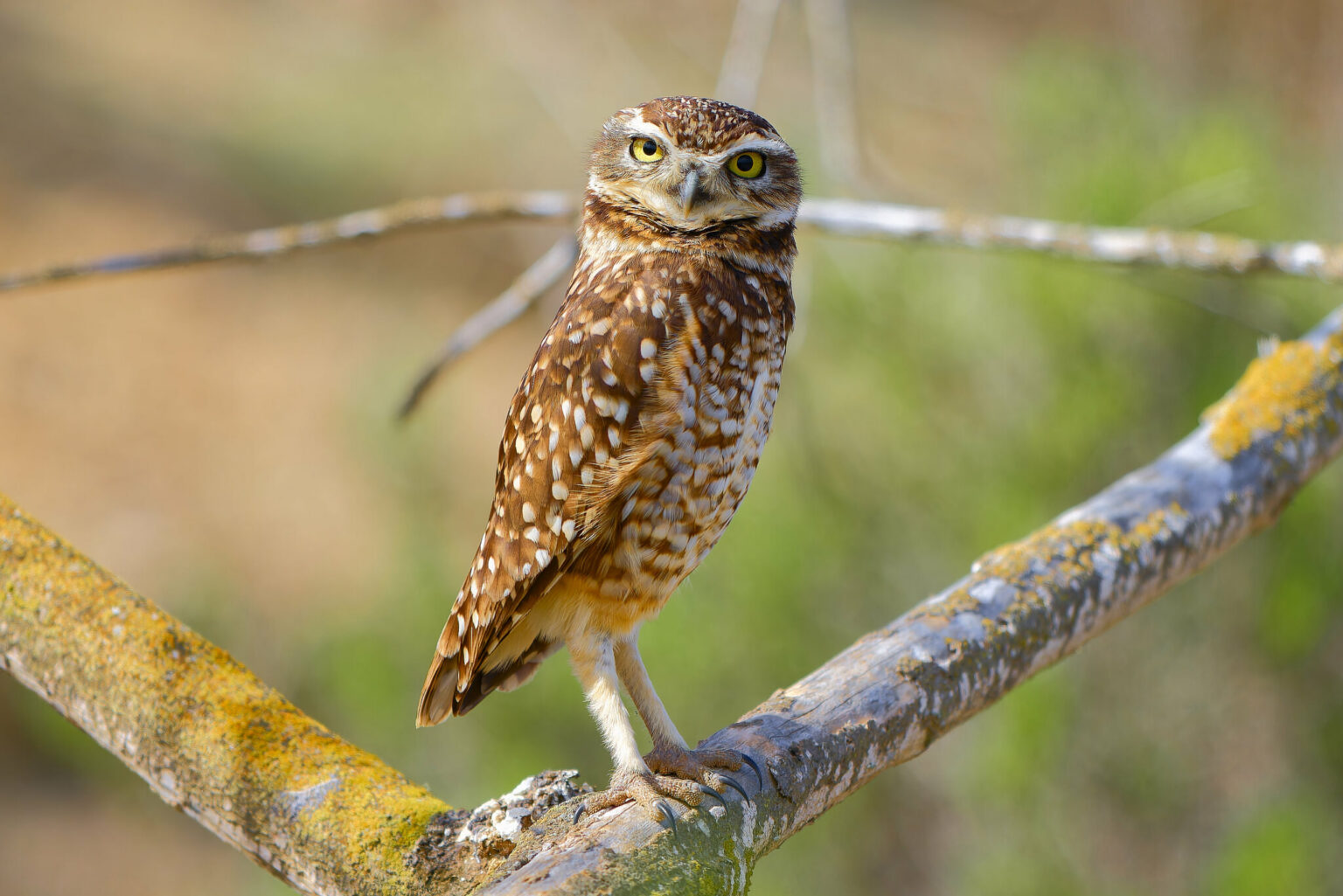
In a study published in Ecography, researchers analyzed 24 years of owl dietary data in Chile’s Bosque Fray Jorge National Park. After digging through the contents of16,932 owl pellets collected between 1990 and 2015, the researchers could look at how the diet of three species—the burrowing owl (Athene cunicularia), the great horned owl (Bubo virginianus) and the American barn owl (Tyto furcata)—changed along with climate trends, specifically drought and temperature.
The nearly 75,000 prey items identified in the pellets belonged to 24 species of arthropods, mammals, birds, reptiles and amphibians. The researchers found that during times of drought, each owl species focused on a different prey item.
The great horned owl had the most variation in its diet and preyed on both vertebrates and invertebrates, eating lots of beetles, scorpions and rodents. The American barn owl had middling dietary richness, eating mostly small mammals. The burrowing owl had the lowest values, eating mostly arthropods like beetles, grasshoppers and spiders.
The researchers also found that in 2003, the owls started taking advantage of new food sources. The richness, or number of different species in their diets, increased. They found that temperature, more than any other factor, was correlated with long-term changes in richness in diet.
“Our findings suggest that changing environmental conditions are reshaping predator–prey interactions,” said lead author Angéline Bertin, a PhD candidate at Chile’s University of La Serena. “As climate change intensifies, the fragility of these ecological networks may become more pronounced. Understanding how climate and resource availability shape predator–prey dynamics will be essential for predicting ecosystem resilience.”